There was a moment during a small shoot I was desperately trying to hide a bright LED panel behind a tiny set piece. No matter how I positioned it or adjusted the angles, the flickering, unnatural glow still managed to sneak into every frame. I remember my first instinct was to throw the entire panel in the trash—until I realized I could make it disappear in plain sight with a few clever tricks. That was my lightbulb moment: understanding that hiding your lighting isn’t about hiding the fact that you’re lighting at all—it’s about mastering the art of concealment so seamless that even the keen eye can’t spot it.
Why Your LED Panels Are Giving Away the Secret
In tight spaces, especially on tiny sets, LED panels can be your best friends—if you use them right. But more often than not, filmmakers struggle with trying to conceal these lights from the camera’s eye, resulting in distraction, unwanted reflections, or the dreaded “glow” that ruins the immersive feel. The challenge is that modern LED panels are getting brighter and more versatile, but without proper hiding techniques, they stand out like a sore thumb. My early mistake was using standard softboxes or simply hiding the panels behind black cloth—solutions that often only work temporarily or under specific angles. Over time, I learned that the secret isn’t just about hiding them; it’s about understanding how light interacts with space, surfaces, and the camera lens. And trust me, the right approach can make your lighting invisible, elevating your production quality significantly.
Did you know that according to industry experts, small set lighting often accounts for 70% of unwanted reflections or glare if not properly concealed? It’s a staggering number that highlights just how crucial it is to hide those LED panels effectively. If you’re tired of having your lighting expose your setup instead of complementing it, then don’t worry—I’ve got you covered.
Will This Really Make a Difference? Addressing Your Skepticism
When I first started, I wondered if all the fuss about concealment was overkill. Honestly, I thought, “It’s just a light, right?” Wrong. I learned that the smallest detail can make or break the illusion—a glaring LED in the background can completely ruin an otherwise perfect shot. The key is not just in the tools but in the techniques I’ll share below. And hey, I also made the mistake of assuming professional setups involve elaborate rigs—until I discovered simple tricks that you can implement today. If you’re feeling skeptical, just ask yourself, have I faced that moment where a bright patch or glare ruined my shot? If yes, then you know why mastering concealment is worth the effort.
Position Strategically to Drop the Gaze
Start by placing your LED panels behind larger set pieces or furniture that naturally draw attention away. Think of it like hiding a projector in a vintage cinema; you want the light to bounce off surfaces, blending into the scene. I once disguised a panel behind a textured wall panel, which diffused the light and eliminated harsh reflections, elevating my shot’s realism. Use camera supports to position lights precisely where needed, ensuring stability and exact angles.
Use Practical Elements for Covering
Employ practical items such as curtains, plants, or decorative panels to block direct view of the lights. Picture a scene where a window frame is used to conceal a backlight; it’s about integrating light sources into the environment naturally. During a shoot, I draped a black cloth over a lightweight frame to hide the panel, which took some trial and error but prevented unwanted glow in the final frame. This approach is similar to using film lighting techniques that rely on environment for concealment.
Create Custom Flags and Barriers
Construct flags with black fabric or foam core boards to prevent spill and reflections. Think of flags as the ultimate secret-agent camouflage—placing them just out of frame can control where light travels. I built a small flag to block spill from an LED, which dramatically increased image contrast. Position these close to your light source, like a shield blocking unwanted rays, and always test their effectiveness from the camera’s perspective.
Diffuse to Soften and Disappear
Applying diffusion material on or near your LED panels can help scatter light, making it less directional and more integrated into the scene. Consider it like a cine lens in front of the light—softening the beam so that it’s less noticeable. During a tight indoor shot, I taped diffusion gels over the panel and achieved a more natural, room-integrated glow. Think of diffusion as the equivalent of a projection screen; it spreads light evenly and reduces hotspots.
Adjust Angles for Minimal Impact
Change the orientation of your LED panels to angles where the light culls more towards the ceiling or floor, avoiding the camera’s line of sight. Imagine a projector casting upward; positioning it at a slight angle diffuses light across the space. During a recent indoor scene, I tilted a panel slightly upward, which prevented any direct glare from hitting the camera lens—similar to how professional tripods are designed for stability and precise positioning.
Smart Use of Environment Reflections
Utilize reflective surfaces such as walls, ceilings, or floors to bounce and diffuse light away from the camera. Think of this as translating the concept of reflection control in film art; strategically placed surfaces redirect light naturally. I once placed a reflector against a white wall to bounce light upward, eliminating glare and creating a soft fill that’s invisible on camera. This method combines environmental awareness with lighting finesse, akin to choosing the right projection screen for your setting, optimizing the visual output.Many filmmakers assume that choosing the right projector or lens is simply a matter of selecting high specifications or popular brands. However, this overlooks nuanced details that can dramatically impact image quality and consistency. For instance, a common myth is that higher lumen output always equals a brighter image. In reality, the effective contrast ratio and screen type play pivotal roles, as highlighted in industry analyses. Relying solely on specifications without understanding how light interacts with environment and surface textures can lead to disappointing results, especially in high-end projections. Additionally, many overlook the significance of precise calibration—subtle variations in projection angle or screen tension can introduce defects like hotspotting or color shift, which are subtle but ruin the immersive experience. Check out detailed guides on projection screen options to ensure your setup avoids these common pitfalls. When selecting cine lenses, a prevalent misconception is that brand or modern design guarantees characterful imagery. Conversely, vintage cine lenses often produce desirable soft focus and organic bokeh, offering unique aesthetics that modern lenses sometimes lack. This nuance is crucial for creatives seeking a specific mood. Moreover, understanding the limitations of camera supports is essential—many underestimate the importance of stability for high-frame-rate shooting, which can result in micro-vibrations. For advanced insights on stabilizing camera rigs, visit camera support techniques. Amid these technical intricacies, avoid the trap of thinking that more expensive equipment automatically guarantees professional results. Instead, focus on mastering environmental control and calibration. Remember, even the best gear can underperform if misused or misunderstood. Given these complexities, it’s easy to fall into common traps. Have you ever fallen into this trap? Let me know in the comments.
Keep Your Gear in Top Shape with Precision Maintenance
Maintaining your cinema gear isn’t just about occasional cleaning; it’s about implementing a rigorous, methodical approach to ensure consistent performance and longevity. For camera supports, I rely heavily on high-quality stabilization rigs that require regular tightening and calibration. This helps prevent micro-vibrations that can introduce unwanted jitter during shooting. Lens care is equally critical; I recommend using professional-grade lens cleaning kits and practicing proper cleaning techniques to avoid coating damage. Ensuring your projection screens and lighting setups are dust-free and free of scratches preserves image quality over time.
For long-term results, schedule routine checks of all supporting equipment—tripods, supports, and mounts—to spot wear or corrosion early. Applying a light coating of anti-corrosion spray on metal parts can prevent rust, especially if your gear is stored in humid environments. Additionally, consistency in calibration—such as revisiting your projector alignment or screen tension—can greatly enhance image sharpness and contrast, keeping your setup optimized for any screening environment.
Tools That Make Maintenance a Breeze
Investing in specialized tools can save you countless headaches. For example, a digital torque wrench helps ensure your support clamps are tight enough without over-tightening, which can cause damage. A microfiber cleaning stick effectively removes dust from delicate film lighting fixtures without risking scratches. My personal favorite is a support quick-release plate gauge, which allows quick, precise checks of tightness, preventing micro-shifts during critical shots. These tools are not just convenience but necessities for professional-grade consistency.
Looking Ahead: The Future of Equipment Reliability
With rapid technological advancements, we can expect smarter maintenance tools that incorporate IoT sensors to monitor equipment health in real-time, notifying you of potential issues before they become critical. Automated calibration systems are also on the horizon, promising to optimize screen alignment and projector settings with minimal user intervention, as some industry insiders predict in upcoming industry trends. Embracing these innovations will help maintain peak performance effortlessly, allowing creators to focus more on their art than technical troubleshooting.
How do I keep my cinema gear performing at its best over time?
Adopt a scheduled maintenance routine that includes cleaning, calibration, and parts inspection. Use specialized tools like support gauges and microfiber cleaners to enhance precision and safety. Consider investing in emerging smart tools that provide real-time diagnostics—these are game-changers for long-term reliability. Start by implementing a monthly check-up for your primary equipment, and consider exploring automated calibration options in the near future. This proactive approach minimizes downtime and preserves image quality, ensuring your productions always look their best.
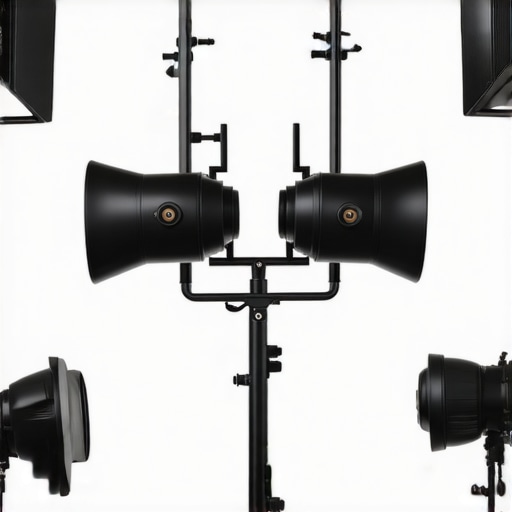
The Hidden Truths Behind Flawless Lighting and Equipment Choices
Over my years in the field, I’ve uncovered that the true art of concealed lighting goes far beyond basic tricks; it demands an understanding of subtle shadows, environmental interactions, and the physics of light diffusion. One lesson that transformed my approach was realizing that seamless concealment hinges on preemptive planning—visualizing potential reflections and employing interactive support setups that double as concealment strategies. This insight drastically reduced my post-production correction time and elevated my visual storytelling.
Another realization was the importance of environment-aware equipment calibration. High-precision tools, coupled with intimate knowledge of your space, allow you to manipulate light so naturally that even the closest scrutiny can’t detect it. This means investing time in environmental assessments and calibration routines, which consistently deliver more professional results than hastily hiding setups with temporary fixes.
Finally, embracing emerging technological innovations, such as IoT-enabled support rigs and adaptive diffusion materials, positions you at the forefront of cinematic craftsmanship. These advancements offer real-time feedback and dynamic lighting adjustments, ensuring your setup remains perfect throughout shooting sessions, even in challenging conditions.
My Go-To Gear and Sources for Cinematic Excellence
To maintain my standards, I rely heavily on professional camera supports that guarantee stability and precise positioning. Their durability and adaptability consistently provide the backbone for hidden lighting techniques. When refining my knowledge of film lighting, I turn to comprehensive lighting guides that explore nuanced control of light diffusion, color temperature, and directionality.
For accurate projection setup, I consult curated projection screen recommendations tailored for various environments and desired image qualities. These resources help me achieve consistent results and avoid costly mistakes. Lastly, diving into specialized lens explanations ensures my optics contribute to, rather than hinder, the pursuit of invisible lighting and sharp focus.
Let Your Passion Drive Innovation in Cinematic Equipment
Every masterpiece starts with a willingness to experiment and learn our craft deeply. Mastering the art of concealment in lighting and equipment integration not only elevates your technical skills but also fuels your creative confidence. Whether you’re perfecting support rigs, choosing the right projection screen, or fine-tuning your light diffusion, remember that innovation is born from curiosity and perseverance. With each project, challenge yourself to think beyond conventional methods, continually refining your approach to stay ahead of industry trends. So, what’s the next step you’ll take to make your cinema setups truly invisible but undeniably impactful? Let me know below!
About the Author
James Duke
ThinkOTS
James Duke is a seasoned professional in the creative production industry, bringing a wealth of technical knowledge and hands-on experience to cinegearguide.com. As a key figure at ThinkOTS, James has spent years navigating the complexities of high-end production environments, where selecting the right equipment is the difference between a successful shoot and a logistical failure. His expertise spans the full spectrum of cinematography gear, from advanced camera systems to the intricate accessories that define modern filmmaking. On cinegearguide.com, James leverages his deep understanding of the industry to provide authoritative insights, gear reviews, and technical guides. He is known for his ability to break down complex specifications into practical, actionable advice for filmmakers of all levels. His perspective is rooted in the real-world application of technology, ensuring that every recommendation is backed by professional standards. James is dedicated to empowering the filmmaking community by sharing his expertise, helping others navigate the ever-evolving landscape of cinema technology with confidence and clarity.
LinkedIn ProfileRelated Posts
![5 IP65-Rated LED Mats for Rainy 16K Night Shoots [2026]](https://cinegearguide.com/wp-content/uploads/2026/03/5-IP65-Rated-LED-Mats-for-Rainy-16K-Night-Shoots-2026.jpeg)
5 IP65-Rated LED Mats for Rainy 16K Night Shoots [2026]
I remember the first time I found myself caught in…
No Generator Needed: 3 GaN-Powered LED Panels for 2026 Shoots
Ever found yourself racing against time, tangled in extension cords,…
5 High-Sync LED Controllers to Fix 1000fps Banding in 2026
It was a late-night shoot, and I finally thought I…