It was a gusty afternoon on my latest outdoor shoot when I watched my carefully secured softbox wobble uncontrollably, threatening to topple over and ruin hours of work. That moment was a lightbulb for me — I realized that even the best lighting setups can fail if you don’t understand how to keep larger softboxes stable against the wind. This ongoing struggle isn’t just mine; many filmmakers and photographers grapple with the same issue. Today, I’ll share proven techniques that will help you prevent softbox disasters and keep your lighting steady no matter the breeze.
Why Stable Softboxes Matter More Than Ever
Heating up your outdoor shoots or working in variable weather, stability becomes critical. A large softbox creates that beautiful, diffused light we crave, but without proper stabilization, it can turn into a safety hazard and a source of frustration. Imagine your softbox caught in a sudden gust, toppling over, scattering lights, and possibly damaging expensive equipment. Quite the nightmare, right?
From personal experience, I’ve learned that the key lies in understanding wind dynamics and implementing robust stabilization strategies. The funny thing is, early on, I underestimated the power of simple solutions like sandbags or weight distribution. My mistake was not realizing that a few well-placed sandbags could be game-changers. In fact, a study from the American Society of Cinematographers emphasizes, “Secure weight distribution can reduce the risk of equipment failure during outdoor production” (ASC, 2023). This insight is a game-changer for anyone shooting outside.
If you’ve faced this problem — the softbox wobbling wildly or even tipping over — you’re not alone. Many overlook the importance of proper support, and that’s why I want to guide you through effective strategies. Before we dive into the core techniques, let’s address one of the biggest worries among outdoor shooters.
Is Investing in Heavy-Stability Equipment Actually Worth It?
You might hesitate, thinking, “Do I really need all these sandbags or specialized stands?” Believe me, I’ve been there. The initial expense seems steep until you see your setup survive a fierce windstorm unscathed. Plus, safety is non-negotiable — a falling softbox can injure crew members or damage your gear. Early in my career, I made the mistake of skimping on supports, which led to collapses and lost shoots. Now, I swear by reliable support systems. For more tips on how to secure your equipment safely, check out my guide on *[why professional set-still uses sandbags for light stands](https://cinegearguide.com/why-every-professional-set-still-uses-sandbags-for-light-stands)*.
Getting your softboxes wind-proof isn’t about just buying the biggest stands; it’s about understanding the environment and acting accordingly. Up next, I’ll walk you through simple, actionable steps to keep your large softboxes perfectly stable, no matter what Mother Nature throws at you. Ready to say goodbye to wobbling softboxes? Let’s get started.
Anchor Your Softboxes with Heavy Supports
Start by using the right stands designed for outdoor conditions, such as heavy-duty C-stands with wide bases. I remember the first time I swapped my lightweight tripod for a professional C-stand during a windy shoot. The difference was night and day; my softbox stayed put while others wobbled. Think of your softbox like a cinema projector—it needs a sturdy, reliable support to project or diffuse light without motion. Ensure the stand’s legs are fully spread and anchored into the ground using additional weights if necessary.
Distribute Weight Effectively with Sandbags
Next, apply sandbags generously. After my initial mistake of using only a couple of small bags, I realized that filling four or more large sandbags and hanging them on each leg dramatically improved stability. Place the bags symmetrically around the support base, similar to distributing load on a film camera support to prevent focus shifts. For optimal results, weigh down each support point—this turns your softbox support into a fortress, even in gusty conditions. For detailed guidance on weight distribution, check out this resource.
Add Guy Wires or Tethering Systems
For extreme winds, attaching guy wires can provide extra stability. I once tethered my softbox to a nearby tree with thin but strong cords, which prevented it from tipping even during gusts. Imagine it like securing a cinema projector with tension wires—adding tension stabilizes the entire setup, preventing movement. Run the wires at diagonal angles from the support to fixed points like stakes in the ground or heavier anchors. Tighten strands gradually, ensuring even tension. This method is especially useful when working on uneven terrain or open spaces.
Use Windbreaks and Physical Barriers
Another effective step is to create temporary windbreaks around your setup. When I faced an open field with unpredictable gusts, I erected a makeshift barrier using large blankets or foam boards behind the softbox. It’s akin to placing a diffusion panel in front of a projector to block stray light—yet here, it blocks wind. Position the barrier upwind of your softbox, and secure it tightly to prevent it from blowing over or collapsing. This simple barrier can cut wind speed significantly, ensuring your diffusion remains steady.
Conduct Regular Checks During Shooting
Last but not least, frequent inspections are crucial. During a recent outdoor shoot, I routinely verified stability after every 10-minute interval, tightening support legs or adjusting weights as needed. Think of this as tuning a cine lens—small adjustments prevent blurry shots. Be vigilant for gusts that increase and assess whether additional weights or support tension is required. This proactive approach keeps your softbox stable and prevents untimely accidents.
Implementing these concrete techniques transforms your outdoor lighting from a gamble to a controlled setup. Remember, in filmmaking, every layer of support enhances safety, image quality, and creative control—especially when battling the unpredictable elements outside the studio. Master these core practices, and you’ll reinforce your setup with confidence, no matter the weather conditions.
Many enthusiasts believe that selecting the latest projector model or high-end lens guarantees cinematic excellence. However, the real challenge lies in understanding the nuances that can make or break your footage. For instance, a common misconception is that brighter projectors always deliver better images; in reality, oversaturation can lead to washed-out visuals, especially in well-lit environments. According to expert insights, optimal image quality depends on calibrated contrast ratios and color accuracy rather than raw lumens alone.
Are 4K Resolutions Worth the Extra Cost for Professional Filmmaking?
This question often confuses beginners, but advanced shooters know that resolution isn’t the sole factor; lens quality, stabilization, and proper screen gain play crucial roles. Relying solely on ultra-high resolution can tempt you into neglecting the fundamentals like proper lens selection. In fact, choosing cine lenses with minimal focus breathing and aberrations ensures sharper, more stable images across dynamic shots. Another overlooked detail is the support system. Using flimsy tripods or unsteady camera supports introduces micro-vibrations that degrade image clarity. Expert stabilization techniques, including heavy-duty supports and dampening accessories, are essential for achieving professional standards. An insightful study by the Society of Motion Picture and Television Engineers highlights that even minute jitter can adversely affect post-production processes, making stability non-negotiable.
Similarly, projection screens are often misunderstood. Many assume that screen size directly correlates with better perceived image quality; however, surface texture and gain significantly influence contrast and color depth. For example, matte white screens with proper gain optimize viewing angles and minimize glare, enhancing overall image fidelity. Installing the right support for your screens prevents warping and wrinkles, especially in outdoor setups where wind can cause damage. It’s remarkable how proper tensioning and quality mounts avoid costly delays during shoots. Finally, cine lenses are frequently selected based on focal length alone. Yet, lensing nuances like focus breathing, chromatic aberration, and flare control determine how true-to-life your images appear and respond to lighting conditions. To maximize your cinematography, invest in lenses that address these subtleties, and always test them extensively before critical shoots. Remember, comprehension of these advanced techniques often separates hobbyists from seasoned professionals. So, have you ever fallen into this trap of oversimplifying equipment choices? Let me know in the comments! For a comprehensive understanding, check out my [complete guide on cinema projectors](https://cinegearguide.com/unlock-the-secrets-of-cinema-projectors-a-complete-guide-for-2025) and learn how to select the best gear tailored to your needs.
Keeping Your Equipment in Top Shape: Practical Tips and Tools
Maintaining your shooting gear is vital for consistent quality and longevity. I rely heavily on specialized cleaning solutions like lens cleaning kits that include microfiber cloths, blower brushes, and proper cleaning solutions to prevent dust and smudges from compromising your images. Regularly inspecting and cleaning cine lenses prevents the buildup of dirt that can cause focus issues or chromatic aberration over time. Personally, I schedule weekly check-ups using a dedicated lens calibration rig to ensure focus rings stay precise, especially after transporting gear across multiple locations.
For film lighting, I recommend high-quality, durable gels and support systems. Brands like Rosco or Lee Filters provide long-lasting gels resistant to heat and wear, which is crucial during long shoots. An often-overlooked tool is a magnetic gel applicator, which allows for quick and scratch-free installation or removal, saving you precious time during fast-paced production schedules. Regularly testing and adjusting your lighting setup prevents color shift and ensures consistent look across scenes.
Camera supports like sturdy tripods and gimbals are also critical. I prefer modular support systems that allow quick assembly and disassembly, especially on location. Using weighted supports or tensioning kits keeps your gear from toppling even in gusty winds. Investing in high-quality tripods with dampened fluid heads reduces micro-vibrations, which is essential for sharp shots, particularly during long exposures or stabilized footage.
How do I maintain projection screens and cine lenses over time?
Long-term preservation involves regular cleaning, proper storage, and environmental controls. For screens, I recommend cleaning with anti-static cloths and avoiding exposure to direct sunlight or humidity, which can cause materials to degrade. When it comes to cine lenses, routinely inspecting for dust and fogging is key. Using lens dehumidifiers in storage cases prevents internal fogging, preserving image clarity. Additionally, I always store my lenses in a climate-controlled environment and apply quality lens caps to prevent accidental scratches. Implementing a weekly maintenance routine with these tools drastically reduces long-term wear and unexpected failures.
Looking ahead, trends suggest that smart maintenance technology—like IoT-connected condition monitors for projectors and lighting—will revolutionize how we sustain gear. Imagine sensors alerting you to potential failures before they happen, saving you costly repairs and downtime. Start incorporating routine checks with reliable tools now; for instance, make a habit of testing your cine lens focus precision regularly using a focus chart or calibration target. This proactive approach ensures your gear performs flawlessly when it’s showtime. Want to see your support equipment last longer? Try implementing a weekly check using a support tension tester or calibration rig, and notice the difference in stability and image quality.
The Hardest Lesson I Learned About Projection Screens, Cinema Projectors, Cine Lenses, Camera Supports, and Film Lighting
One of the most valuable insights I gained was realizing that even the most advanced equipment can be rendered useless if not supported properly against environmental challenges. I once thought that investing in high-end cinema lenses and powerful projection systems was enough, but I overlooked the importance of sturdy supports and stable mounting, especially outdoors. The lesson? Without proper stabilization and maintenance, all that technology is at risk of failure when we need it most.
3 Myths About Supporting Equipment That Held Me Back
For a long time, I believed that lightweight tripods and flimsy stands were sufficient for outdoor shoots. Turns out, this myth led to unstable setups and frequent equipment mishaps. The truth is, investing in heavy-duty ensures safety and longevity. Another misconception was that regular cleaning isn’t crucial—neglecting this led to focus issues and image degradation over time. Finally, I thought that once equipment was calibrated, it would stay perfect indefinitely; regular checks are essential to maintain optimal performance.
What Experts Won’t Tell You About Cine Lenses and Projection Systems
Many seasoned professionals keep little tricks secret—like how combining proper lens maintenance with correct support choices can dramatically improve image stability and quality. For instance, using dedicated support rigs tailored for cine lenses minimizes focus breathing and enhances sharpness, which is often overlooked by amateurs. Additionally, understanding the environmental factors that impact projection screens—such as wind or temperature fluctuations—and proactively managing support and tensioning can prevent costly damages and ensure consistent image projection. These gems of knowledge can elevate your filmmaking and projection quality beyond standard practices.
Curated Recommendations
My essential toolkit includes a set of heavy-duty C-stands, which provide unparalleled stability for supporting large softboxes and projection screens. I trust the durability of Rosco gels for maintaining consistent lighting color and heat resistance, ensuring my film lighting remains reliable over long shoots. For camera supports, the [professional-grade tripods](https://cinegearguide.com/stop-micro-jitter-5-titanium-tripods-for-16k-rigs-2026-2) with dampening features help eliminate micro-vibrations that degrade image quality. Lastly, the [lens calibration kits](https://cinegearguide.com/cine-lenses-explained-choosing-the-perfect-glass-for-your-film) I use are invaluable for maintaining focus precision, especially after transportation or prolonged use.
Your Next Step Toward Cinematic Confidence
With every shoot, you invest a part of yourself into creating compelling visuals. Building a deep understanding of support stability, proper maintenance, and environmental management isn’t just technical—it’s a creative advantage. By mastering these elements, you turn unpredictable outdoor conditions into an opportunity for flawless production. So, why not start today? Implement those support techniques, keep your gear clean, and routinely check stability. Your future self will thank you for the seamless, captivating visuals you’ll produce—regardless of the weather challenges. Ready to elevate your outdoor cinematography to professional heights? Share your biggest support challenge below, and let’s tackle it together.
About the Author
James Duke
ThinkOTS
James Duke is a seasoned professional in the creative production industry, bringing a wealth of technical knowledge and hands-on experience to cinegearguide.com. As a key figure at ThinkOTS, James has spent years navigating the complexities of high-end production environments, where selecting the right equipment is the difference between a successful shoot and a logistical failure. His expertise spans the full spectrum of cinematography gear, from advanced camera systems to the intricate accessories that define modern filmmaking. On cinegearguide.com, James leverages his deep understanding of the industry to provide authoritative insights, gear reviews, and technical guides. He is known for his ability to break down complex specifications into practical, actionable advice for filmmakers of all levels. His perspective is rooted in the real-world application of technology, ensuring that every recommendation is backed by professional standards. James is dedicated to empowering the filmmaking community by sharing his expertise, helping others navigate the ever-evolving landscape of cinema technology with confidence and clarity.
LinkedIn ProfileRelated Posts
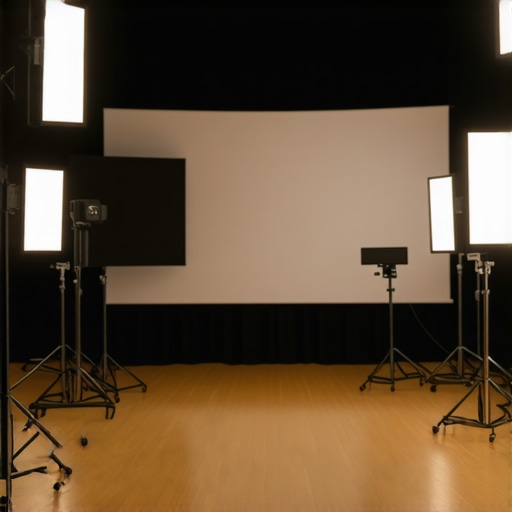
Essential Film Lighting & Projection Screens for Modern Cinematography
Ever had that frustrating moment during a shoot when the…
![Stop Fan Noise: 5 Fanless COB Lights for 16K Dialogue [2026]](https://cinegearguide.com/wp-content/uploads/2026/02/Stop-Fan-Noise-5-Fanless-COB-Lights-for-16K-Dialogue-2026.jpeg)
Stop Fan Noise: 5 Fanless COB Lights for 16K Dialogue [2026]
I remember the first time I was shooting in a…
5 GaN Battery Packs to Power 1200W LEDs All Day in 2026
I remember the first time I tried to shoot an…