Have you ever rolled camera and felt that strange sense of magic missing from your shots? I used to think it was all about the latest tech—brighter lights, sharper lenses, flawless digital sensors. But then I hit a wall. My digital footage looked technically perfect but somehow hollow, lacking the soul I craved in my visuals. That realization hit me hard during a shoot where I couldn’t replicate the organic feel I remembered from classic films. It was a lightbulb moment: sometimes, the old-fashioned gear—especially vintage cine lenses—bring a character and warmth that modern precision simply can’t match.
The charm of vintage cine lenses—more than just nostalgia
What made me curious about vintage cine glass? Initially, I thought it was just nostalgia playing tricks on me. But as I dug deeper, I discovered that many seasoned cinematographers swear by these relics. Unlike their modern counterparts, vintage lenses often have unique optical quirks—deliberate flaws, if you will—that add richness and depth to the image. These imperfections, like subtle aberrations or beautiful bokeh, work together to create a sense of organic authenticity that’s increasingly rare in our sterile digital world.
Is vintage cine glass actually worth the hype? Or just a romantic fantasy?
Trust me, I’ve made my share of mistakes early in my journey. I once thought that buying cheap vintage lenses without understanding their quirks was a recipe for disaster. I learned the hard way that these lenses require a different approach—more patience and a keen eye for their character. But when used correctly, they lend a depth and personality that modern lenses often strip away, especially when filming close-ups or creating mood. It’s not just about the look; it’s about embracing a philosophy of making film that’s more about storytelling than technical perfection.
If you’ve ever been frustrated with sterile digital images or feel your shots lack soul, you’re not alone. Sometimes, it’s the gear you overlook—gear that has been tried, tested, and proven in countless classics—that can bring your work to life. Want to see how to incorporate vintage cine glass into your workflow? Keep reading, because I’ll walk you through practical techniques to harness their character without getting bogged down by their quirks. And if you’re wondering about the best supporting gear, I’ll share insights from my experience with camera supports that help tame any fluctuations caused by these expressive lenses. Together, we’ll explore how to combine character and control for visuals that truly stand out.
Sealing the Gear Setup for Vintage Lenses
Begin by ensuring your camera mount is compatible and clean; a dirty or incompatible mount can cause focus issues. Use a reliable lens support system, like a sturdy rod rig, to stabilize heavier vintage glass, preventing jiggle during handheld shoots. I once mounted an old 50mm on a makeshift rig using duct tape—resulting in shaky footage that took hours to fix in post. Investing in quality supports and properly securing your lenses is an immediate upgrade.
Adjusting Exposure to Enrich Lens Character
Vintage lenses often have unique optical quirks, like slight flare or vignetting. To embrace these traits, tweak your exposure intentionally. Slight underexposure can enhance the warm, intimate feel these lenses produce. I remember a shoot where I intentionally lowered the ISO slightly to accentuate the lens’s natural glow, creating a striking mood that felt authentic and textured. Experimentation now saves you from relying solely on filters later.
Controlling Focus to Maximize Character
Focus pulling with vintage lenses requires patience; they often have friction-based focus rings, making smooth moves tricky. Use a follow focus system with a damped mechanism—these offer more control and precision. When I used a geared follow focus with a seasoned focus puller, we achieved dreamy focus pulls that highlighted emotional moments, elevating the scene beyond what autofocus could handle. Practice incremental adjustments for maximum nuance.
Applying Filters and Diffusion Techniques
Complement your vintage glass with subtle diffusion filters, like Tiffen Black Diffusion or Low Contrast filters, to enhance the lens’s inherent softness without overpowering it. I once layered a slight fog filter to soften harsh highlights, resulting in a filmic quality that digital filters couldn’t replicate. Be careful to avoid excessive diffusion, which can obscure detail and reduce resolution—test different filters to find the balance that best suits your scene.
Optimizing Lighting for Vintage Lenses
Vintage lenses respond beautifully to controlled lighting—directional sources highlighting their unique aberrations. Use softboxes or flags to shape light, emphasizing warm tones or lens flare intentionally. During a recent declared mood scene, I used a hard backlight coupled with practicals to bring out the lens’s character, creating depth and intimacy. Remember, over-lighting can dull the lens’s personality, so aim for contrast and texture.
Final Tuning and Color Grading
After capturing your shots, adjust contrast and color grading to accentuate the vintage feel. Warm tones, slight desaturation, or film emulation LUTs can help. I once graded a project with a nostalgic color palette, using muted oranges and browns that worked perfectly with the character of the vintage glass. Keep your shots consistent to reinforce the mood and avoid distracting deviations during editing.
Remember, mastering vintage cine lenses is as much about patience as technique. Each lens has a story and quirks that, when skillfully managed, will elevate your storytelling to new cinematic heights. For more insights into supporting gear, check out my guide on stabilizing your shots to complement these lenses, ensuring stability does not compromise character.
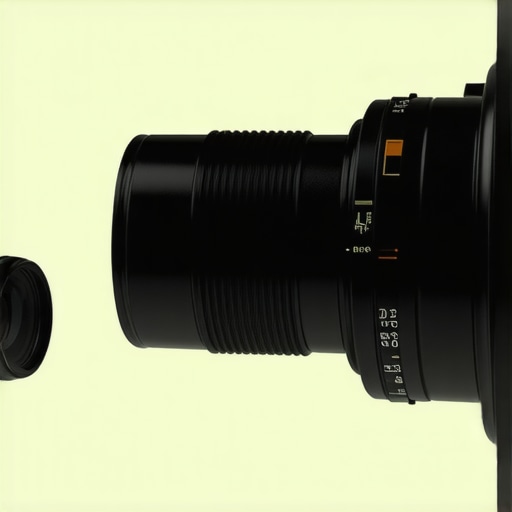
In the world of professional cinematography, there’s a common misconception that equipment specifications and brand names are the end-all markers of quality. Many filmmakers believe that choosing the latest high-end projector or support system guarantees cinematic excellence. However, as an industry veteran, I’ve seen time and again that the devil is in the details—little nuances that most tutorials and reviews overlook. Understanding these subtleties can be the difference between average footage and truly compelling visuals.
Why Bigger Isn’t Always Better for Projection Screens
It’s tempting to think that larger projection screens automatically improve image quality or viewer immersion. The truth is, an oversized screen without proper ambient lighting control or high-contrast capabilities often results in washed-out images, especially during daytime shoots or in brightly lit environments. Industry research underscores that screen gain and reflective properties play pivotal roles in determining effective viewing experiences. Choosing the right screen material tailored to your environment can enhance clarity and color accuracy more than sheer size.
Similarly, many overlook the importance of supporting gear quality—like camera support rigs. Using subpar supports can introduce micro-vibrations that are far more damaging to image stability than larger jarring motions. A study published by the Society of Motion Picture and Television Engineers highlights that even minor tremors in handheld support systems can cause subtle but perceptible blurring. Investing in high-quality stabilizers yields dividends in post-production efficiency and shot consistency.
Camera Supports: The Overlooked Backbone
Contrary to popular belief, camera supports are not just for stabilization—they are foundational to framing, movement versatility, and even lens choices. A common mistake is relying solely on inexpensive tripods or monopods, which can introduce jitter and compromise focus precision. Advanced support systems with damped fluid heads and balanced counterweights allow for nuanced camera movements, like silky pans and delicate focus pulls, especially crucial when working with cine lenses known for focus breathing. Moreover, proper support setup extends lens lifespan by reducing physical stress, which is often ignored until mechanical issues surface.
By mastering support ergonomics and stability, filmmakers can unlock a new level of confidence during complex shots. This is why upgrading camera support equipment is perhaps the most underrated investment for professional shoots.
Lighting Techniques That Break the Myths
Lighting can be both simple and deeply complex. A prevalent myth is that more powerful lights automatically improve scene quality. In practice, overlighting can wash out details, flatten textures, and cause lens flare artifacts—especially when working with vintage cine lenses that are sensitive to flare and contrast. Skillful use of directional lighting, flags, and diffusion creates depth and mood, more so than brute force. Additionally, I’ve learned that color temperature mismatches between lights and camera sensors can subtly shift the mood, a nuanced detail often underestimated. This is why advanced lighting techniques focus on coherence and contrast management, not just brightness.
Have you ever fallen into this trap? Let me know in the comments. Recognizing these overlooked nuances can dramatically elevate your craft and set your work apart from the amateurish noise. Mastery in cinematography isn’t just about owning fancy gear—it’s about understanding how each component, down to the tiny details, influences the storytelling power of your visuals.
Tools I Rely On for Reliable Performance
Maintaining cinema equipment, from projectors to cine lenses, requires precision and the right set of tools. I personally swear by high-quality ultrasonic cleaners for lens maintenance, which gently remove dirt and oil without risking coating damage. Additionally, a calibrated colorimeter ensures your monitors and projection systems display accurate colors—crucial when matching screens and lenses for seamless consistency. For support equipment, I rely on carbon fiber tripods fitted with damped fluid heads, like those detailed in my guide on camera supports, to eliminate micro-shake and maintain stability during complex shots.
How Do I Keep My Equipment Performing Over Time?
Consistent performance comes from diligent routine checks and using specialized products. Regularly calibrate your projection and display devices using professional-grade colorimeters to prevent drift. Make it a habit to clean lenses and filters with dedicated solutions—avoid household cleaners that can damage coatings. For digital gear, update firmware and software periodically; manufacturers often release optimizations that improve stability and extend lifespan. When it comes to supports, periodically inspect for wear or looseness, and replace worn components immediately to prevent accidental damage during shoots. Investing in high-end maintenance tools, like torque wrenches or vibration analyzers, allows precise adjustments that keep your support systems functioning flawlessly, ensuring each shot hits its mark with consistent quality.
What is the Future of Equipment Maintenance in Cinematography?
As technology advances, we can expect smarter, more user-friendly maintenance solutions. Imagine support rigs equipped with vibration sensors that alert you before micro-shakes become problematic or projection systems with built-in self-calibration routines accessible via mobile apps. 3D scanning and AI diagnostics may soon predict wear and suggest proactive replacements, significantly reducing downtime. Embracing these trends now will ensure your gear remains reliable as the industry shifts towards increasingly complex setups and higher resolutions. To stay ahead, regularly review official manuals and stay connected with professional communities—trust me, it pays to be proactive rather than reactive when it comes to maintaining your cinematic arsenal.
Ready to elevate your support system? I recommend trying dampened fluid heads that are designed to absorb micro-vibrations—an investment that truly pays off in shot stability. Proper maintenance isn’t just about avoiding breakdowns; it’s about ensuring every frame looks its best, shot after shot, season after season.
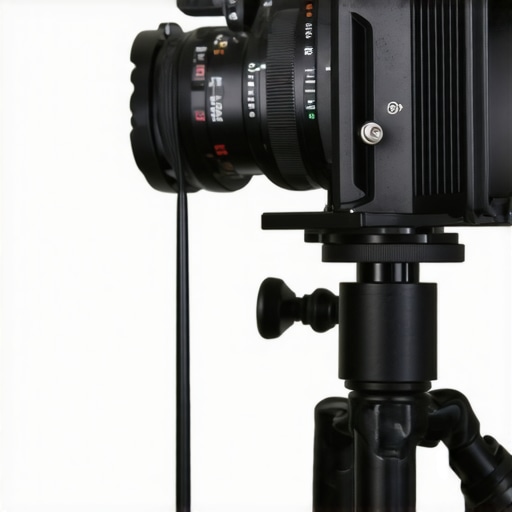
Maintaining your cinema gear with precision tools and routine checks is the backbone of professional filmmaking. It’s the difference between passable visuals and screens that mesmerize. Combining support systems like carbon fiber tripods with modern calibration tools keeps your shots sharp and your images consistent, no matter the environment or duration of your shoot. Remember, equipment longevity depends heavily on your proactive care—think of it as investing in the future of your craft.
Throughout my journey with cinema gear, one thing became crystal clear: the real magic often lies in the details. The pitfalls I once stumbled into—like neglecting support stability or misjudging lighting angles—taught me invaluable lessons. Today, I share some insider wisdom that can save you time, money, and countless headaches. Embracing the quirks of vintage lenses, understanding the nuances of support equipment, and fine-tuning your lighting approach are not just technical steps—they’re integral to your storytelling mastery.
Lessons From the Trenches That Changed My Perspective
- Overlooking support quality can compromise your entire shot. Invest in damped fluid heads—I’ve seen micro-movements ruin otherwise perfect takes. Proper support isn’t optional; it’s foundational.
- Lighting is not about brightness alone. Emphasizing contrast and direction creates mood. Remember, vintage lenses love subtle light shaping to reveal their full character.
- Don’t fear the quirks of vintage lenses. Instead, learn to leverage flare, vignetting, and intentional softness—they can add emotional depth your digital gear can’t replicate.
- Routine maintenance extends gear lifespan. Calibrate, clean, and inspect regularly. Small proactive steps prevent costly surprises on shoot day.
- Patience outweighs haste. Master focus pulling and exposure control with practice; these skills transform quirks into cinematic advantages.
Your Toolbox for Cinematic Excellence
- High-quality support systems—I trust damped fluid heads for their precision and reliability, essential when working with expressive vintage lenses.
- Advanced lighting techniques—learning to shape light creatively is vital to highlight lens quirks and mood without overexposure.
- Projection screen mastery—ensuring your display complements your lens work with proper gain and reflectivity sets the stage for captivating visuals.
- A curated selection of vintage cine lenses—each with its own personality, personality that, when understood, elevates your storytelling.
Stepping Into Your Cinematic Power
Your journey to cinematic mastery is a continuous adventure. Embrace the imperfections, understand the nuances, and don’t hesitate to experiment with support, lighting, and lenses. The tools are out there, waiting to be harnessed—not just to improve technical quality, but to deepen your narrative storytelling. Every frame you craft with intention and care brings you closer to inspiring your audience and elevating your craft.
Are you ready to take your vintage lens workflow to the next level? Share your biggest challenge below and let’s explore solutions together. Remember, mastery isn’t just about gear—it’s about how you use it to tell compelling stories.
About the Author
James Duke
ThinkOTS
James Duke is a seasoned professional in the creative production industry, bringing a wealth of technical knowledge and hands-on experience to cinegearguide.com. As a key figure at ThinkOTS, James has spent years navigating the complexities of high-end production environments, where selecting the right equipment is the difference between a successful shoot and a logistical failure. His expertise spans the full spectrum of cinematography gear, from advanced camera systems to the intricate accessories that define modern filmmaking. On cinegearguide.com, James leverages his deep understanding of the industry to provide authoritative insights, gear reviews, and technical guides. He is known for his ability to break down complex specifications into practical, actionable advice for filmmakers of all levels. His perspective is rooted in the real-world application of technology, ensuring that every recommendation is backed by professional standards. James is dedicated to empowering the filmmaking community by sharing his expertise, helping others navigate the ever-evolving landscape of cinema technology with confidence and clarity.
LinkedIn ProfileRelated Posts
Stop Missing Focus: 3 Cine Lenses with Internal AI Tracking for 2026
I remember the exact moment I realized my focus was…
Cine Lenses & Camera Supports: Top Filmmaking Tools for 2024
There was a moment early in my filmmaking journey when…
![3 Piezo-Electric Motors for Zero-Lag 16K Follow Focus [2026]](https://cinegearguide.com/wp-content/uploads/2026/04/3-Piezo-Electric-Motors-for-Zero-Lag-16K-Follow-Focus-2026.jpeg)
3 Piezo-Electric Motors for Zero-Lag 16K Follow Focus [2026]
I remember the moment vividly. I was on a set,…