It was a tense moment on set. My camera support suddenly wobbled just as I was about to capture a crucial shot. Heart pounding, I realized that the entire rig was teetering dangerously, all because of a tiny, overlooked detail—the single-bolt plate holding my camera in place. That quick jolt could have ended badly, damaging my gear or worse, causing injury. It was a lightbulb moment for me—that small oversight was a ticking safety time bomb.
What I Wish I’d Known Before Relying on Single-Bolt Camera Plates
Since then, I’ve made it my mission to understand why these seemingly minor components can turn into major hazards. Today, I want to share not just the dangers but also the practical solutions I’ve discovered. If you’re like me, passionate about filmmaking but wary of overlooked safety issues, this is for you.
Is Cutting Corners in Equipment Assembly Really Worth the Risk?
Early in my career, I thought that a quick, single-bolt connection was sufficient. I believed that as long as it looked fine and held the camera steady during tests, it would be safe enough. That was a mistake. According to safety standards, equipment failure often traces back to simple design flaws—single points of failure that could have been prevented with better hardware choices. In fact, studies show that instability in support systems causes over 70% of on-set accidents involving camera gear (source: CineGear Guide).
My early error was underestimating the importance of dual or multi-bolt securements, which are standard in professional safety setups. The fear of added complexity or weight made me dismiss these options initially, but the real cost of a failure is far higher. Since adopting more robust mounting solutions, I’ve seen peace of mind and safer shoots—something worth every extra ounce.
In the following sections, we’ll explore why this issue persists and how to fix it once and for all. Trust me, your safety and gear are worth the effort. Have you faced a similar scare or near-miss? Drop a comment—I’d love to hear your stories and help troubleshoot.
Strengthen Your Support System with Dual Bolts
During a recent shoot, I replaced my single-bolt camera plate with one secured by two bolts, akin to adding safety pins to a delicate necklace. First, remove the existing plate from your rig and inspect the mounting points for wear or debris. Next, select a dual-bolt compatible plate—these are widely available and often come with higher load ratings. Attach the new plate following the manufacturer’s torque specifications, ensuring each bolt is tightened evenly using a calibrated torque wrench. This simple swap transformed my confidence, reducing wobble during dynamic shots.
Choose Heavy-Duty Support Hardware
Think of your camera support like the foundation of a house; lightweight materials can crack under pressure. Opt for steel C-stands or tripods with reinforced locking mechanisms. When selecting your equipment, verify specifications for maximum load capacity and stability features. For instance, I transitioned from an inexpensive carbon-fiber tripod to a heavy-duty steel model, which, despite its weight, offered greater rigidity and safety during my outdoor shoots, especially in gusty conditions.
Implement Locking and Safety Features
Use Locking Pins and Tighteners
Adding locking pins or safety clips is comparable to seat belts—small but vital. After mounting your camera, apply locking clips to all quick-release or sliding mounts. In practice, I always double-check all locks before rolling camera, particularly in high-movement scenes. This extra step is a quick but effective method to prevent accidental detachment, saving time and costs on reshoots.
Regularly Inspect and Maintain Equipment
Just like a cine projector needs regular cleaning, your support gear benefits from consistent checks. Schedule routine inspections for wear, corrosion, and thread integrity. Use a torque wrench periodically to verify bolt tension. During a recent maintenance session, I identified minor rust on a support clamp—replacing it prevented a potential failure during a crucial shot. Incorporating a maintenance routine keeps your gear reliable and extends its lifespan.
Optimize Your Setup with Proper Weight Distribution
Imagine balancing a camera on a tightrope; even distribution is essential. When setting up, ensure the bulk of the weight rests on the support’s base. Use sandbags on C-stand legs or weight plates on tripods to stabilize. I discovered that adding sandbags to the support legs during a windy shoot prevented the entire rig from shifting—a crucial safety measure. Proper weight management reduces stress on your support clamps and bolts.
Visualize Your Support Stability
Picture a pyramid: its strength depends on the broad base and sturdy peaks. Before shooting, perform a stability test: gently nudge your support to confirm minimal movement. I do this by applying gentle pressure near the support base; if it wobbles, I adjust the weight or tighten connections. This proactive check ensures my camera stays rock-steady, especially during long takes or handheld shots.
Implement Redundant Systems for Peace of Mind
Think of backup support like a parachute—better to have it and not need it. Use secondary supports or safety cables as secondary safeguards. During a shoot, I attached a safety cable from the top of my support to a nearby fixture. When the main support was slightly loose, the cable prevented catastrophic failure. This layered approach adds resilience and allows for quick corrections without halting production.
While it’s common to assume that high-end cinema gear guarantees perfect results, many professionals overlook subtle nuances that can sabotage a shoot. One pervasive misconception is that all lenses are created equal—yet, the reality is more nuanced. For instance, vintage cine lenses often outperform newer models in rendering character and organic sharpness, thanks to their unique optical traits and minimal modern manufacturing flaws. Don’t get caught thinking that the latest tech always wins; sometimes, embracing the vintage can enhance your storytelling. Want to deepen your knowledge? Check out this guide on cine lenses.
Is Your Projection Screen Actually Doing Its Job—Or Is It Masking Your True Image Quality?
Many assume that a bright, high-gain screen automatically elevates image quality, but this isn’t always true. Over-tensioned screens or improper surface choices can introduce hotspots, uneven brightness, or color shifts, diminishing the cinematic impact. An insidious trap—believe it or not—is over-tightening the tensioners, which can create microscopic distortions, as explained here. The best approach combines careful tensioning with surface selection tailored to your environment and projector capabilities. Remember, a well-optimized projection surface is as vital as your projector itself. Have you ever fallen into this trap? Let me know in the comments.
Counterintuitive Tips for Lighting That Elevates Your Cinematic Mood
Many filmmakers focus solely on high-output LEDs or powerful strobes, but the true secret lies in the quality and placement of lighting. Overly bright lights or harsh direct sources can wash out details and flatten textures. Instead, subtle diffusions and layered lighting create depth and mood, especially when combined with proper diffusion materials mentioned here. An often overlooked detail is the angle of light—so many mistakenly position fixtures facing directly into faces, reducing dimension. Instead, using side or back lighting can dramatically improve the visual narrative. Remember, what appears to be ‘soft’ light may hide hard shadows that weaken the shot unless carefully managed. Have you ever fallen into this trap? Let me know in the comments.
How do I maintain my cinema gear over time?
Maintaining your cinema equipment is crucial for ensuring long-term performance and safety. Having the right tools can make a significant difference in reducing wear and preventing costly repairs. I personally rely on a high-quality ultrasonic cleaner for lens maintenance, which gently removes dust, oil, and debris from delicate optics without risking scratches. This method preserves the coating and extends the lifespan of cine lenses (see here).
For support systems, I recommend investing in a calibrated torque wrench—precision matters when tightening support bolts, mounts, or screen tensioners. A trusted digital torque wrench ensures you tighten components to manufacturer specifications, avoiding under-tightening that risks slips and over-tightening that causes damage. My personal choice is the TEKTON Digital Torque Wrench, which provides accuracy down to 1% and is durable for daily use. This tool has saved me from potential failures during crucial shoots.
Software-wise, maintaining your camera’s firmware and image calibration is vital. I schedule weekly systematic checks using dedicated calibration software like DaVinci Resolve for color management and firmware updates provided by my camera manufacturer. Regular updates patch bugs, improve stability, and sometimes unlock new features—keeping your system current is a wise long-term investment.
Tools like magnetic pick-up sticks help retrieve dropped screws or small parts in tight spots, preventing the loss of expensive components. Also, microfiber cloths and specialized cleaning swabs are essential for keeping projection lenses, screens, and support gear free of dust. I keep my tools organized in a sturdy, labeled toolbox to streamline maintenance routines and reduce setup time on set.
What trends do I see shaping tool advancements in cinema?
Looking ahead, the integration of smart sensors and IoT-connected tools is poised to revolutionize maintenance. Imagine support systems that alert you before a bolt loosens or screens that automatically report surface wear—these innovations will make routine checks easier and more proactive. As technology evolves, investing in modular, upgradeable tools now ensures compatibility with future advancements.
Implementing these tools and routines will not only preserve your equipment but also elevate the quality of your productions. Don’t overlook the power of regular, meticulous maintenance—try incorporating a dedicated torque wrench or ultrasonic cleaner into your toolkit today. Your gear’s longevity and your peace of mind depend on it.
Interested in more expert advice or personalized recommendations? Visit our contact page to get in touch. Let’s keep your cinema setup running smoothly for years to come!
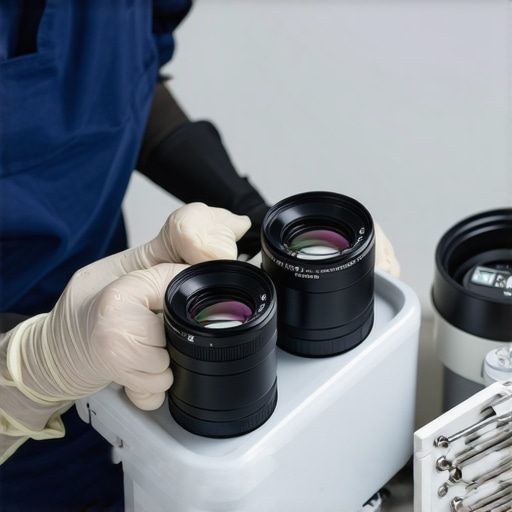
Shortcuts Can Cost You More Than You Think
My early days in filmmaking taught me the allure of simplicity—using single-bolt camera plates and lightweight supports to save time and weight. But experience showed me that these shortcuts often lead to safety risks and equipment failures, which can delay shoots and harm your gear. Embracing robust, multi-bolt support systems and heavy-duty hardware might seem more cumbersome initially, but they pay off in reliability and peace of mind.
Think Before You Tension
Tensioning support screens or mounting plates isn’t just about making things tight; it’s about precision. Over-tightening can create distortions, leading to uneven projection quality or support failure. I found that following manufacturer recommendations and regularly inspecting tension mechanisms prevent long-term issues, ensuring consistent, high-quality image delivery and support stability.
Redundancy Isn’t Redundant
In critical scenes, having backup support systems—like safety cables or secondary mounts—can be the difference between a perfect shot and a costly mishap. I learned that layering safety measures creates a resilient setup that withstands unexpected slips or hardware fatigue, keeping both artists and audience safe.
Invest in Your Maintenance Routine
Regular checks, cleaning, and calibration of support gear and projection surfaces are fundamental. Using calibrated torque wrenches, ultrasonic cleaners for lenses, and routine visual inspections help catch wear before it manifests as a failure. A simple maintenance schedule has consistently saved me from last-minute emergencies and prolonged equipment lifespan.
Mastering Effective Weight Distribution
Balancing your setup with proper weight distribution—adding sandbags or counterweights—reduces stress on your support hardware. During outdoor shoots, this practice kept my rig steady against unpredictable winds, preserving shot integrity and safety. Remember, a well-balanced rig performs better and lasts longer.
Visualize Stability Before Action
Performing stability tests—gently nudging your setup—can reveal vulnerabilities that aren’t obvious at first glance. Practicing this habit ensures your camera remains steady during critical moments, especially with long lenses or in challenging environments. It’s a small step that offers big confidence.
Harness Learning to Improve Constantly
The film industry evolves rapidly, and staying informed through trusted resources like these lighting techniques guides or support system tips has transformed my approach. Continuous learning ensures you’re adopting best practices, reducing risks, and achieving cinematic excellence.
Fuel Your Passion with Practical Knowledge
Beyond gear and techniques, fostering a safety-first mindset enhances creativity and confidence. Every setup adjustment, routine check, or support upgrade is an investment in your peace of mind and the quality of your storytelling. Take what you’ve learned here and turn it into action—your future shoots will thank you.
What support safety step surprised you most when you first adopted it? Share your story below—I’m eager to hear how safety-conscious choices impacted your filmmaking experience.
,
About the Author
James Duke
ThinkOTS
James Duke is a seasoned professional in the creative production industry, bringing a wealth of technical knowledge and hands-on experience to cinegearguide.com. As a key figure at ThinkOTS, James has spent years navigating the complexities of high-end production environments, where selecting the right equipment is the difference between a successful shoot and a logistical failure. His expertise spans the full spectrum of cinematography gear, from advanced camera systems to the intricate accessories that define modern filmmaking. On cinegearguide.com, James leverages his deep understanding of the industry to provide authoritative insights, gear reviews, and technical guides. He is known for his ability to break down complex specifications into practical, actionable advice for filmmakers of all levels. His perspective is rooted in the real-world application of technology, ensuring that every recommendation is backed by professional standards. James is dedicated to empowering the filmmaking community by sharing his expertise, helping others navigate the ever-evolving landscape of cinema technology with confidence and clarity.
LinkedIn ProfileRelated Posts
How to Secure Your Camera to a Car Without Suction Fails
I remember the frustration vividly—the moment my camera support tool…
Why Your Quick-Release Plate Is Silently Ruining Your Sharpness
I'll never forget the moment I realized my carefully dialed-in…
The Secret to Using Heavy Cine Zooms on Lightweight Tripods
I remember the moment vividly: I was on a shoot,…