I remember the exact moment I nearly lost a light to a sudden gust during a shoot. The stand wobbled ominously, wobbling closer and closer to disaster until I scrambled to stabilize it just in time. That gut-wrenching realization hit me hard: no matter how advanced our gear gets, some old-school solutions remain irreplaceable. For lighting professionals, that solution is often the humble sandbag.
The Underestimated Power of a Simple Sandbag
It’s tempting to dismiss sandbags as mere accessories, overshadowed by high-tech rigs and digital tools. But in my years behind the camera, I’ve found that nothing beats the reliability, stability, and peace of mind that a well-placed sandbag provides. Despite evolving tech, every seasoned pro knows that a loose light stand is a recipe for accidents, injuries, or ruined shots. That’s why, even with the latest lightweight stands and counterweights, sandbags still sit at the foundation of most professional setups.
Are Sandbags Still Relevant with New Tech?
This is the big question, especially with manufacturers pushing lighter, more portable gear. I used to think that investing in high-end, lightweight supports meant I could ditch the traditional sandbag. But early in my career, I made a costly mistake—relying on the stand’s built-in counterweight alone, thinking it was enough. That miscalculation taught me a crucial lesson: no matter how fancy the gear, the weight of the sandbag provides that extra security that nothing else can match.
According to industry experts, sandbags are proven to absorb vibrations and prevent accidental tipping—something even the most sophisticated camera support systems struggle to fully replace (source). Yet, many newcomers overlook this simple tool, risking unnecessary damage or injury.
If you’ve ever faced the chaos of a loose stand or the sinking feeling after a near-miss, you’re not alone. In fact, this widely overlooked accessory could be your best insurance against mishaps on set. In the upcoming sections, I’ll share practical tips on choosing, positioning, and maintaining sandbags to make them an integral part of your lighting kit. Ready to harness the power of the simplest solution for maximum stability? Let’s dive into how you can master this old-school trick and elevate your set stability like a seasoned pro!
,
Choose the Right Sandbag Weight and Material
Start by selecting a sturdy, fillable sandbag, ideally weighing between 10 to 25 pounds for most stands. Use high-quality, tightly woven fabric that resists tears during handling. During a shoot, I once used a makeshift bag filled with gravel that spilled everywhere, causing chaos. Proper weight ensures stability without overburdening your supports.
Correctly Position the Sandbag for Maximum Support
Place at the Base of the Stand
Position the sandbag directly over the center of the tripod or support’s base plate. Imagine your light stand as a ship; the weight at the bottom acts as ballast, preventing it from swaying or tipping. I recall securing a large LED panel by placing a sandbag on the stand’s base—this simple act stopped it from toppling during sudden wind gusts.
Distribute Weight Evenly
If you’re supporting multiple accessories, distribute the sandbag’s weight to balance the setup. For example, when overhead lighting is combined with side fill, stacking two smaller sandbags evenly around the support’s base keeps everything aligned. This prevents uneven stress that could cause wobbling or failure.
Secure the Sandbag Properly
Ensure the sandbag lid is fully closed and secured with strong straps or buckles. During a shoot, I once experienced a bag slipping, causing a light to fall and break. Using bags with zip closures or buckles provides extra security. Never leave the bag unsecured; a loose sandbag defeats the purpose of stabilization.
Maintain and Optimize Placement Throughout the Shoot
Regularly check the sandbags for shifting or wear. If adjusting lights or supports, reposition the sandbags to maintain balance. In one session, I adjusted a light height several times, remembering to re-center the sandbag each time. Consistent maintenance ensures continuous stability and safety.
Additional Tips for Effective Use
Use multiple smaller bags on large stands for better weight distribution rather than relying on a single large bag. Think of it like balancing a tripod: spreading the load prevents tipping. Also, avoid placing sandbags on the supporting legs themselves; instead, always center them over the base plate for optimal effect. For complex setups, consider using chained or linked sandbags for added security (learn more about stabilizing tools). Additionally, if working outdoors, anchor the sandbags with extra weights or tie-downs to prevent slipping or being blown away.
By integrating these concrete steps into your routine, you’ll prevent accidents and ensure your lighting setup remains rock-solid, regardless of environmental challenges. Mastering sandbag placement is an essential skill that benefits every cinematographer or gaffer aiming for professional-grade stability on set.
Utilize the Proper Support and Safety Measures
Complement sandbags with high-quality support systems, such as durable C-stands (see top C-stands options), which can withstand the added weight without risk. Always verify that supports are rated for the weight you intend to support, and never compromise safety for convenience. Remember, a properly supported light is both safer and delivers better results—your crew and talent will thank you for it.
Many aspiring cinematographers and even seasoned professionals often accept common beliefs about film lighting, cinema projectors, and camera supports without questioning their validity. However, diving into the nuances reveals that these widely held assumptions can sometimes hinder optimal results. Let’s explore some underestimated pitfalls and misconceptions that could impact your filmmaking process.
Why Relying Solely on Lux and Luminance Can Be Deceptive
It’s a common saying that higher lux levels guarantee better visibility or image quality. But in reality, this overlooks the intricate interplay between light spectrum, color rendering index (CRI), and the type of light source. Relying solely on lux readings can lead you to choose incompatible fixtures, resulting in color shifts or undesirable shadows. Experts emphasize considering CRI and spectral output to ensure accurate skin tones and color fidelity—vital for post-production and grading (learn more about mastering film lighting). Avoid the trap of equating lux levels with overall quality; instead, analyze the spectral qualities for nuanced control.
Many believe that the most expensive cinema projectors provide the best image. While high-end models deliver impressive lumens and contrast, they often fall prey to overlooked factors like screen gain and ambient light management. A misconception persists that brighter machines automatically result in sharper images; however, improperly calibrated projectors or incompatible screens can produce washed-out images or blooming effects. According to industry research, matching projector specifications with the right screen type and environment optimizes image clarity—an often neglected step (discover how to unlock projector potential)). Conversely, more moderate projectors with better calibration and suitable screens can outperform their more expensive counterparts.
Advanced Mistake: Neglecting the Impact of Lens Flare and Glare
In the pursuit of cinematic aesthetic, many focus on lighting ratios and camera settings but underestimate the subtle effect of lens flare and glare. Poor lens choices, dirty filters, or unsuitable angles can introduce artifacts that reduce contrast and saturation. For instance, using wide-angle cine lenses without proper matte boxes or lens coats can amplify flare, especially when shooting towards the sun or bright lights. This not only deteriorates image quality but also causes post-production headaches. Experts warn that neglecting flare control can lead to a ‘muddy’ look, undermining even the most expertly lit scenes (see tips on cine lens selection). Ensuring filters and flags are used effectively prevents this common pitfall, maintaining contrast and color integrity.
Another nuanced area is the misconception about camera supports. Many believe that lightweight supports always suffice for steady shots, but this ignores the importance of platform stability and damping. Vibrations from poorly constructed tripods or unbalanced rigs can introduce micro-shakes, especially in high-resolution projects or slow-motion sequences. These subtle jitters are often only visible upon close inspection or in post-production stabilization efforts (learn how to choose and maintain supports effectively). Investing in support systems with superior damping and vibration absorption can save you hours of correction later.
So, have you ever fallen into this trap? Let me know in the comments how avoiding these misconceptions has affected your projects. Remember, understanding these hidden nuances enhances your skill set and ensures your final product truly stands out.

Keeping Your Equipment in Peak Condition
Maintaining your film lighting setups, cinema projectors, and camera supports isn’t just about prolonging their lifespan—it’s about ensuring reliability on every shoot. Regular inspection of supports like C-stands, using the proper support supports, and cleaning cine lenses with specialized cloths such as those recommended by industry experts (learn more about cine lens care) can prevent unexpected failures. I personally use a microfiber lens cloth and lens cleaning solution from reliable brands, which effectively removes dust and oils without scratching the glass.
Essential Tools I Recommend
Investing in quality tools like digital sensor cleaners, anti-static brushes, and vibration-damped supports ensures your equipment remains at optimal performance. For example, I rely on Vello Microfiber Cleaning Kits for lenses and sensors—these kits are designed to remove dust without leaving streaks or scratches. For supporting high-end cine lenses, titanium lens supports from reputable brands provide the stability needed during dynamic shots while minimizing vibrations that can cause focus shifts or image softness. Additionally, digital calibration software for projectors lets me fine-tune the color and brightness to match the shoot’s needs, especially with advanced models that support HDR workflows.
Long-Term Results and Scaling Up
By establishing a routine maintenance schedule—cleaning support equipment weekly and inspecting support structures before every shoot—you prevent costly downtime and preserve image quality. As your production scales, integrating automated checklists and maintenance logs using apps like Trello or dedicated asset management software streamlines this workflow. For instance, a well-maintained projector with calibrated screens and supported by vibration-isolating mounts will deliver consistently sharp images over hundreds of screenings. Looking ahead, adopting smart support systems that monitor vibration and temperature in real-time could revolutionize how we maintain our gear, reducing manual checks and predicting failures before they happen.
How Do I Maintain Support and Stability Over Time?
In the pursuit of flawless setups, ensuring ongoing support stability is vital. Use high-quality, durable C-stands rated for your equipment’s weight, and regularly check assembly tightness to prevent accidental collapses. Applying anti-vibration pads beneath tripods and supports can dampen micro-shakes, especially important for high-resolution filming. Connecting with support hardware experts through our contact page can provide tailored advice for your specific gear and shooting environment. Also, keeping a detailed maintenance log helps track wear patterns and plan timely replacements, avoiding unplanned failures. As technology advances, I predict smart mounts with IoT sensors will become standard, alerting us instantly to issues like imbalance or overheating, ultimately safeguarding our investments and enhancing shoot quality.
Pro tip: Implementing routine checks with vibration-damped supports similar to the ones discussed in AI-stabilized support solutions can drastically improve shot stability in challenging environments. I recommend trying this advanced approach during your next outdoor or high-speed scene to experience the difference firsthand.
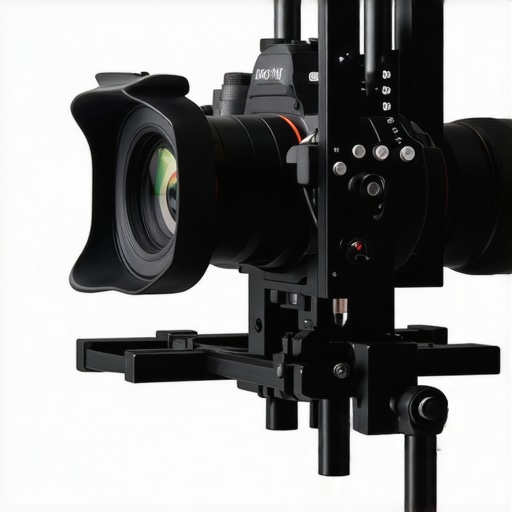
Over the years, I’ve encountered moments on set that taught me more than any technical manual ever could—like the time a gust of wind nearly toppled a crucial light, reminding me that no matter how advanced our gear becomes, the fundamentals remain essential. These experiences reinforce that attention to simple yet critical details can make or break a shot.
Lessons I Wish I Learned Sooner About Set Stability
- Never underestimate the power of a well-placed sandbag. It’s the first line of defense against unexpected environmental factors, and it has saved countless shoots from disaster.
- Balance your gear like a pro. Distributing weight evenly not only improves stability but also prolongs the lifespan of your support equipment.
- Regular maintenance is key. Inspections for wear and tear, especially on supports and mounts, prevent unforeseen malfunctions during critical moments.
- Invest in quality supports designed for heavy loads. A sturdy C-stand can support larger lights confidently, reducing the risk of accidents.
- Practice proactive safety measures. Always double-check securing mechanisms—belts, clamps, and collars—to ensure they function properly before shooting.
Tools and Resources That Keep Me Going
- Vello Microfiber Cleaning Kits: I trust these for maintaining lenses and supports, ensuring optimal performance without risking damage.
- High-quality C-stands from reputable brands: They provide the necessary support for both small setups and demanding productions, offering peace of mind.
- Support monitoring smart systems: Emerging tech that detects vibrations and imbalance in real-time is transforming support safety—something I look forward to integrating more.
- My go-to support support: Regularly checking and maintaining your gear with trusted tools can extend equipment life and safeguard your team.
Your Journey to Unshakeable Confidence Starts Now
Every moment on set demands your full attention, and understanding the nuanced importance of support and stability can elevate your craft to new heights. Remember, a solid foundation isn’t just about gear—it’s about your commitment to excellence and safety. Take these lessons to heart, and you’ll see a tangible difference in your shoots.
What’s the most surprising stability challenge you’ve faced, and how did you overcome it? Share your stories below—I’d love to hear how these insights might help you in your next production.
Related Posts
7 Silent GaN Spotlights That Won’t Trip Circuit Breakers in 2026
I remember the sudden flicker of panic I felt during…
5 Pro Fixes for LED Banding in 2026: Better Film Lighting Tactics
Ever sat in your editing room, staring at your latest…
![5 Zero-Flicker LED Mats for High-Speed 16K Sets [2026]](https://cinegearguide.com/wp-content/uploads/2026/02/5-Zero-Flicker-LED-Mats-for-High-Speed-16K-Sets-2026.jpeg)
5 Zero-Flicker LED Mats for High-Speed 16K Sets [2026]
It was late into a long shoot day when I…