Let me take you back to a moment I won’t forget. I was setting up for a crucial shoot, camera in hand, ready to capture a stunning landscape. As I mounted my camera on a friction support, I noticed the horizon dipping lower and lower each time I adjusted my shot. That sinking feeling hit me—what just happened? Turns out, my trusty friction mount was slowly, almost insidiously, dropping my camera’s horizon without any dramatic signs until it was too late. Here’s the thing: I ignored some early warning signs, and it cost me precious time and shot integrity.
Fix the Drop: Keep Your Camera Level with Confidence
For many of us, this isn’t just about aesthetics—it’s about precision, professionalism, and trusting your gear. Friction mounts are designed to hold your camera steady, but over time, those tiny slippages accumulate, tossing your shots into chaos. Today, I want to share what I’ve learned through my own missteps and successes in maintaining a perfectly level horizon, especially when working with cine lenses or intricate camera rigs. The solution isn’t just about tightening knobs; it’s about understanding the underlying causes and implementing reliable fixes. When I first faced this problem, I thought tightening a screw or two would do the trick. Spoiler: it didn’t. Instead, I learned that choosing the right support system and understanding its mechanics makes all the difference. For instance, exploring advanced stability techniques can substantially improve your camera’s hold, preventing the dreaded drop. If you’re tired of re-leveling your shot or chasing the horizon on set, stick around. I’ll guide you through proven strategies to keep your camera perfectly aligned and ensure that the only thing you focus on is your creative vision. And if you’ve faced this problem before, trust me—you’re not alone. Many cinematographers overlook how subtle influences, like gear fatigue or improper support, subtly sabotage their shots. Want to dive deeper into this? Be sure to check out these tips on stabilizing your camera supports for a pro-level setup. Now, ready to correct your course and regain confidence in your camera support? Let’s get into the specifics. Before we do, ask yourself—have you ever faced this issue in the middle of a shoot? If so, you’re not alone. And more importantly, there’s a solution waiting for you just ahead.
Assess Your Support System Rigorously
Begin by inspecting your current support gear thoroughly. Check for signs of wear, loose bolts, or degraded friction surfaces. That time I ignored a loose bolt on my tripod and ended up with a jittery shot that required re-shooting—lesson learned. Tighten all fasteners, apply appropriate lubricants to moving parts, and ensure the friction pads are clean and effective. Regular maintenance like this prevents unexpected slippages during critical moments.
Upgrade to High-Precision Supports When Necessary
For demanding shoots, switch to support systems with adjustable tension controls, such as geared heads or fluid heads with lockable friction settings. These allow for micro-adjustments to counteract subtle jitters, especially with heavier lenses or prolonged shoots. I once replaced my standard tripod with a graphene-based head (check here) and immediately noticed smoother, more reliable support—saving time on setup and preventing camera drift.
Implement Locking and Anti-Slip Devices
Add complementary accessories like locking clamps, tension straps, or anti-slip pads to critical points. For example, attaching anti-slip rubber pads beneath support contacts prevents accidental shifting on slick surfaces. During a shoot on a wooden deck, I used these pads and secured the support with additional straps, which eliminated any chance of movement despite windy conditions. These low-cost tweaks secure your setup under stress.
Utilize Proper Weight Distribution and Balance
Ensure your rig is optimized for balanced weight distribution, especially when using cine lenses that are cumbersome. I once carried an overly front-heavy camera rig, causing the support to tilt under the load and resulting in a slight horizon tilt. Counter this by redistributing weight evenly and adding counterweights if necessary. A well-balanced setup minimizes support strain and maintains horizon accuracy. Remember, the goal is to replicate the stability of a high-end projection support system—think of it as the foundation for a reliable cinematic image.
Adopt a Routine for Consistent Checks
Integrate quick checks into your workflow before each shot. Verify tension settings, lock mechanisms, and support contact points. I developed a habit of performing a 30-second stability test after setup, gently nudging the support to confirm firmness. This proactive step caught issues early, avoiding mid-shoot adjustments that can be disruptive. Think of it like calibrating a cinema projector: regular tuning guarantees optimal performance every time.
Leverage Knowledge From Industry Resources
Deepen your understanding by consulting expert guides like these tips on stabilizing your camera supports. They reveal nuanced techniques and product recommendations that elevate your support setup. Staying informed helps you select gear that integrates seamlessly into your workflow, reducing support-related issues and enhancing shot precision.
Integrating these steps into your routine transforms your support system from a potential liability into a reliable backbone of your cinematic craft. Remember, the devil’s in the details—securing every connection, verifying each adjustment, and maintaining your gear keeps the horizon perfectly level, no matter the challenge.
While many professionals focus on the basics of cinema gear, there’s a perennial misconception lurking beneath the surface. Everyone often says that high-end cine lenses automatically guarantee perfect image quality, but in my experience, that’s only part of the story. The real nuance lies in how these lenses interact with your support systems and lighting setups. The common myth is that premium optics alone can compensate for support instability or poor lighting choices. However, even the best lens will struggle to deliver sharp results if your camera support introduces micro-movements or if your lighting creates unwanted color shifts. Here’s a crucial point: mastering the synergy between gear components often holds more weight than their individual specs. For instance, many overlook how even minor support vibrations can produce focus breathing or micro-shake, degrading image clarity in 16K resolution. This oversight can be costly in post-production, especially when the shoot demands pixel-perfect precision. To truly elevate your cinematography, you need to look beyond superficial upgrades and understand the subtle interplay of tools—be it camera supports, projection screens, or lighting.
What advanced techniques can mitigate the impact of gear interactions?
Scientific studies, such as those summarized by film technologists, show that vibration isolation and support damping significantly improve shot stability—more so than increasing gear complexity. Implementing solutions like graphene-based support components or anti-vibration mounts can minimize micro-movements, leading to crisper images and more reliable focus pulls.
Don’t fall into the trap of believing that the most expensive lens or support system alone can solve your problems. Instead, cultivate an integrated approach—aligning lighting, supports, and optics to work harmoniously. Want to deepen your understanding? Check out this resource on stabilizing camera supports to learn advanced setup techniques that prevent unseen micro-movements. And remember, every detail counts in professional cinema production. Have you ever fallen into this trap? Let me know in the comments.
To keep your cinematic setup operating at peak performance and to scale effectively for larger productions, investing in the right tools and establishing solid maintenance routines are crucial. High-quality support systems, precise calibration devices, and reliable software can differentiate between a shaky shot and a flawless capture. For example, I rely heavily on advanced calibration kits like the support stabilization tools because they allow me to fine-tune my camera rigs with pinpoint accuracy, ensuring long-term reliability.
How do I maintain my cinema gear over time?
Regular maintenance is the backbone of durability in cinema equipment. I schedule bi-weekly inspections using specialized tools such as torque wrenches and lubricant applicators designed for film supports and cine lenses. For instance, micro-adjustments on cine lenses are facilitated by electronic shimming kits, which prevent focus drift over extensive shoots. Keeping lubrication levels optimal and replacing worn friction pads ensures your camera support remains secure under demanding conditions. Incorporating diagnostic software like lighting calibration tools can also help in maintaining color accuracy, especially when scaling up your lighting setups for bigger shoots.
In terms of tools, I highly recommend upgrading to digital torque controllers for quick and precise tightening of support mounts, relieving fatigue and reducing human error. When dealing with higher frame rates or longer shoots, anti-vibration mounts integrated with damping materials like graphene-based elastomers are game changers, offering exceptional long-term support stability. As the trend toward ultra high-resolution cinema continues, so does the importance of adopting tools that prevent micro-movements—these subtle shifts can seriously impair image quality at 16K resolution. Experts are increasingly turning to vibration-damping technology; for example, graphene-backed mounting plates are gaining popularity for their heat dissipation and support stability.
Scaling your equipment smoothly with the right setup
When expanding your cinematic arsenal, it’s vital to focus on modular support systems that can easily be scaled without sacrificing stability. Using quick-attach plates with magnetic locking mechanisms allows for rapid rig adjustments on set. Additionally, software management platforms provide centralized diagnostics and maintenance schedules that prevent issues before they escalate. For example, integrating real-time vibration analysis software helps identify support vibrations early—saving you time and costly reshoots. As technology advances, automated calibration systems will become standard, ensuring your gear maintains alignment with minimal manual intervention. I suggest trying automated support calibration devices like the graphene support systems designed for large-scale productions. Developing a routine that combines physical upkeep with software diagnostics will streamline your scaling process and safeguard your investment over the long term. Remember, the goal is to create a support ecosystem that adapts seamlessly to growing production demands—keeping your shots steady and your workflow efficient.
Over the years, I’ve faced countless challenges supporting sophisticated cinema gear for high-resolution shoots, and each obstacle has revealed a deeper understanding of equipment interplay. One profound lesson I learned was that even the most advanced gear can be compromised by unnoticed support flaws, leading to micro-shifts that undermine image quality. For instance, during a 16K production, subtle vibrations caused focus breathing, despite using top-tier lenses. This taught me that support stability isn’t just about heavy-duty hardware but about meticulous calibration and support environment optimization. Another insight was the importance of anticipating support fatigue—gears that perform flawlessly at the start can weaken under prolonged stress, resulting in horizon drifts or lens misalignments. Regularly scrutinizing support joint integrity and tension settings has since become a vital routine, preventing slipping or drift. Additionally, experimenting with damping materials—like graphene-based mounts—significantly reduces micro-movements, especially in mobile or outdoor conditions. These personal revelations underscore that mastering the support system’s nuances is essential for maintaining cinematic precision at ultra-high resolutions. Embracing proactive maintenance, innovative materials, and thorough support assessment transforms the daunting task of high-res filming into a predictable, controlled process, elevating overall image quality and production confidence.
Related Posts
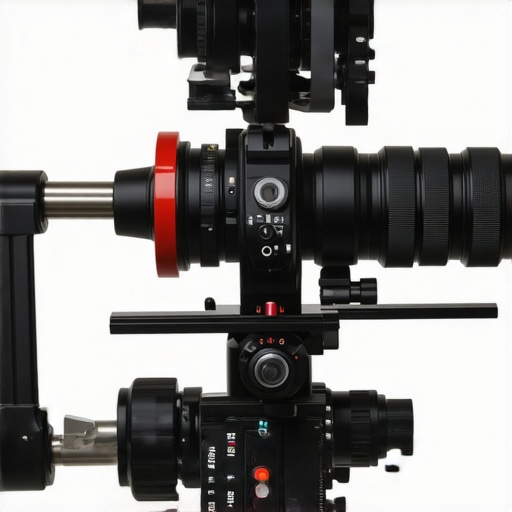
How we Fixed the Infamous Micro-Shake on Heavy Handheld Rigs
I remember the moment vividly. I was perched atop a…
3 Beryllium Tripods to Stop 16K Micro-Vibration Blur in 2026
I remember that sudden jolt I felt during a critical…
![3 Titanium Fluid Heads to Fix 20kg 16K Rig Drift [2026]](https://cinegearguide.com/wp-content/uploads/2026/03/3-Titanium-Fluid-Heads-to-Fix-20kg-16K-Rig-Drift-2026.jpeg)
3 Titanium Fluid Heads to Fix 20kg 16K Rig Drift [2026]
Late one evening on set, I was desperately trying to…