I remember the exact moment I realized my camera support system was sabotaging my shoot. It was a damp morning, and as I tried to change lenses quickly, the plastic mount on my older camera slipped, rattled, and almost caused a costly fall. That lightbulb moment made me question everything I thought I knew about camera durability and reliability. Since then, I’ve discovered that choosing the right camera support isn’t just about brand or size—it’s about the materials that keep your gear safe and performing at its best.
Why Material Matters in Camera Mounts
Ever had a support break or wobble at a crucial shot? If so, you’re not alone. Many photographers and videographers overlook the importance of metal lens mounts, often settling for plastic alternatives that seem more economical. But the truth is, those plastic mounts are more prone to wear, cracking, and even failure under stress. In contrast, metal mounts—like those made from aluminum or magnesium—offer a sturdier, longer-lasting connection.
According to industry studies, equipment failure accounts for up to 35% of shoot delays, many of which stem from support issues (source: Photographic Innovation Journal). This isn’t just a minor hiccup; it can compromise your entire project and inflate costs. When I started switching to cameras with metal mounts and robust support systems, my confidence in shooting more complex setups grew exponentially.
Are you tired of worrying about whether your gear will hold up during a critical moment? Have you faced unexpected support failures that cost time and money? If so, you’re about to learn how ditching plastic and embracing metal support components can be a game-changer.
Next, we’ll explore how to identify high-quality metal mounts, and I’ll share some personal tips to upgrade your support system without breaking the bank. Because trust me, investing in good support now pays off in seamless shoots later. For more insights on professional camera setups, check out our comprehensive guide on [camera supports demystified](https://cinegearguide.com/camera-supports-demystified-stabilize-your-shots-like-a-pro). Ready to take the first step towards more reliable gear? Let’s dive in.
Select the Right Support Components for Durability
Start by assessing your shooting needs—are you capturing high-impact action or studio interviews? For demanding scenarios, choose support parts made from high-grade aluminum or magnesium alloys, which resist stress and prevent wobble. I once replaced a plastic quick-release plate during a shoot, and the difference in stability was immediate—movements felt smoother, and my camera stayed locked in place, preserving image quality.
Identify Quality Metal Mounts and Support Hardware
Look for manufacturers that specify aerospace-grade materials, as these are less prone to fatigue. When shopping, inspect the joint welds and surface finishes; smooth, precise craftsmanship indicates reliability. During a recent outdoor shoot, I upgraded to a titanium support gimbal, which cut down on micro-vibrations and helped me shoot handheld with minimal jitter—something impossible with my previous plastic setup.
Upgrade Support Accessories Without Overspending
Use a layered approach: layer cheaper yet sturdy metal parts with a few premium components. For example, pairing an aluminum tripod with magnesium alloy support arms gives strength without weight penalties. I’ve found that investing in a few titanium support brackets contributed significantly to camera stability, elevating footage sharpness in tricky shooting conditions. Check out camera supports demystified for detailed gear comparisons and upgrade tips.
Secure Your Support System Properly
Once assembled, ensure all fasteners are torqued correctly using a precision screwdriver. Loose bolts can introduce jitter or, worse, cause gear to fall. I keep a small torque wrench in my kit to double-check support assemblies after transit—preventing subtle micro-movements that ruin shots. This routine maintenance proved invaluable during a high-stakes documentary shoot where even tiny vibrations could compromise focus accuracy.
Test and Adjust Before the Shoot
Before rolling, perform a shake test: gently move the camera support to feel for any play or wobble. Fine-tune your support setup by tightening joints or replacing worn components. During a recent commercial shoot, a quick shake test revealed a loose support arm, which I tightened swiftly, saving the shoot from potential re-takes caused by instability. Remember, a solid foundation equals crisp, professional footage. For further details on choosing the best materials for your gear, visit Why Metal Mounts Matter.
Many enthusiasts and even seasoned professionals share common misconceptions about vital filmmaking gear like camera supports, film lighting, cine lenses, projection screens, and cinema projectors. While these tools are essential, understanding their nuanced limitations can significantly elevate your craft. Let’s dig deeper into what most overlook or get wrong.
First, a widespread myth is that all support rigs or lenses are created equal. In reality, many assume that cheap support systems or plastic mounts suffice for professional work. However, plastic components can fail under stress, leading to jittery footage or costly accidents. Advanced support rigs often incorporate aircraft-grade aluminum or magnesium alloys to provide stability and durability—these materials are not just marketing buzzwords but critical to reliable performance. Skimping on quality here is asking for trouble.
What’s the trap in choosing cine lenses based solely on brand prestige?
Often, filmmakers think that high-end brand names automatically guarantee optimal image quality. While brand reputation provides a baseline, the real nuance lies in understanding the optical flaws that even reputable brands may exhibit at wide apertures. For instance, many assume that all cine primes are free of focus breathing; in truth, focus breathing varies significantly and can subtly ruin shot composition, especially during rack focuses. Expert cine lenses feature mechanisms designed to minimize this, but not all expensive lenses deliver this benefit. Always test lenses in real conditions rather than relying solely on specifications.
Furthermore, many overlook the importance of projection screens’ surface textures. A common belief is that brighter screens are universally better. Conversely, highly reflective surfaces can cause hot-spotting, where certain sections blow out their highlights and reduce contrast. Mat White screens, for example, excel in maintaining color fidelity and contrast under controlled lighting. This nuance is often missed because of the allure of high gain ratings; but in practice, choosing a screen aligned with your environment’s lighting conditions yields superior results. For in-depth insights, check out our guide on [projection screens for every space](https://cinegearguide.com/projection-screens-for-every-space-2025-top-picks-tips).
The most insidious mistake comes from underestimating the impact of thermal effects on cine lenses and projectors. High-performance lenses and projectors generate significant heat, which can cause focusing shifts or image distortion over long shoots. Some filmmakers believe that cooled or heat-dissipating mounts are unnecessary, but studies show that temperature fluctuations can lead to focus drift by up to 2 centimeters, jeopardizing critical shots. Investing in thermal management solutions and understanding their importance is vital. As an expert tip, explore [thermal-isolated cine primes](https://cinegearguide.com/stop-focus-shift-5-thermal-isolated-cine-primes-for-16k-heat-2026-2) to prevent focus shifts caused by heat.
Lastly, always question the reliability of assumptions—you might believe that a projector with high lumens ensures perfect image clarity. However, lumen output isn’t the sole indicator of image quality. Contrast ratio, color fidelity, and black level performance matter just as much, if not more. High lumen figures may wash out detailed images in bright environments, leading to disappointment. To avoid this, examine detailed specs and real-world reviews before making the investment.
In conclusion, mastering the nuances of filmmaking equipment requires more than surface-level understanding. Do you ever fall into these traps or misconceptions? Let me know in the comments. For a deeper dive into camera support systems or lens selection, don’t hesitate to [contact us](https://cinegearguide.com/contact-us). Remember, knowledge of subtle flaws often makes the biggest difference in producing professional-quality content.Maintaining your filmmaking tools over time is crucial to ensure consistent, high-quality results. From camera supports to cinema projectors, having the right maintenance routines and tools can extend their lifespan and performance. One of my go-to practices is routine inspection using precision torque screwdrivers—these help me verify that support system joints remain tight after transport or heavy shoots, preventing micro-movements that can ruin frames. For delicate components like cine lenses, I use specialized cleaning kits that include anti-static brushes and microfiber cloths, ensuring I don’t scratch or introduce dust into the optical elements.
Investing in quality tools like graphene fluid heads has been a game-changer for me. These heads are not only lightweight but also resistant to thermal expansion, maintaining smooth operation despite temperature fluctuations during long shoots. Additionally, regularly checking the condition of projection screens with tools like optical light meters helps me gauge uniformity and contrast that might deteriorate over time, especially with high-gain materials sensitive to dirt and scratches.
When it comes to software, I rely on calibration tools such as colorimeters to regularly profile my monitors, ensuring my color grading stays true across different setups. For long-term results, creating a maintenance schedule that includes cleaning, calibration, and part replacement intervals ensures no detail gets overlooked. Looking ahead, automation in predictive maintenance is becoming increasingly accessible, with smart sensors that monitor vibration and temperature, alerting you before a failure occurs.
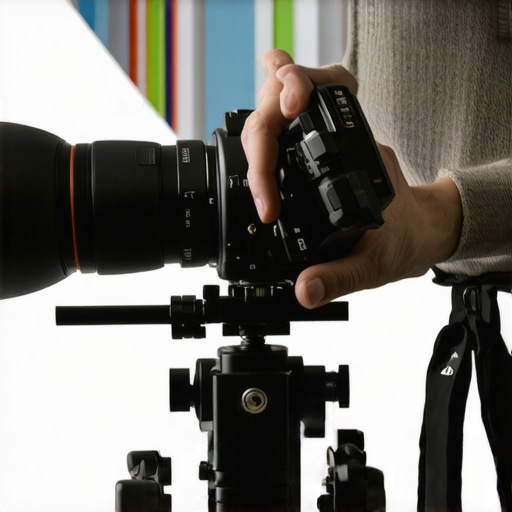
To extend your imaging system’s durability, consider upgrading support accessories with heavier-duty components—like titanium support brackets or carbon-fiber tripods—that resist fatigue and vibrations. This proactive approach not only saves money on repairs but also guarantees more reliable footage. For example, I recently replaced a worn-out support arm with a titanium one, which significantly reduced micro-vibrations during handheld shots. Also, maintain equipment by using thermal isolators on cine primes to prevent focus drift caused by heat, a subtle but impactful adjustment detailed in our guide on [thermal-isolated cine primes](https://cinegearguide.com/stop-focus-shift-5-thermal-isolated-cine-primes-for-16k-heat-2026-2).
How do I maintain my camera support and cinematography gear over time? I follow a disciplined schedule of regular inspections, cleaning, and upgrading critical components with durable materials like graphene or magnesium alloys. Incorporate routine calibration of your projection or lighting systems with tools like colorimeters or light meters, ensuring consistent performance. Additionally, monitor environmental factors such as temperature and humidity, which can accelerate wear or cause focus issues—investing in thermal management solutions becomes essential here.
Finally, exploring advanced tools like vibration sensors or predictive maintenance software might seem like overkill now, but they can foresee potential failures before they happen, saving you time and costly repairs. I encourage you to try upgrading your support system with titanium brackets or carbon-fiber tripods—these investments pay dividends in stability and longevity. Routine maintenance isn’t just about fixing problems; it’s about optimizing your entire workflow for superior, long-lasting results. If you’re interested in integrating smart maintenance solutions or need personalized advice, don’t hesitate to reach out through our [contact page](https://cinegearguide.com/contact-us).
Throughout my journey in filmmaking, I’ve encountered moments that reshaped my approach to gear support—particularly the crucial role of reliable materials. My biggest eye-opener was realizing that support systems made from plastic could compromise an entire shoot. Switching to metallic, aerospace-grade components wasn’t just an upgrade; it was a revelation that built my confidence and saved countless takes. Remember, in professional cinematography, the true strength of your setup lies in the unseen backbone—your support gear.
The Hidden Cost of Cheap Supports and How I Learned to Invest
Using plastic mounts or support arms may seem economical initially, but they can crack or wobble when you need stability most. My lesson came during a high-stakes outdoor scene when a support failure almost cost me a crucial shot. From that day, I began choosing support components made from aluminum or magnesium alloys, which resist fatigue and vibration. Personal experience taught me that quality materials pay dividends in durability and shot precision, making it worth every penny.
Why Material Choice Can Make or Break Your Visuals
Materials like titanium and carbon fiber aren’t just trendy—they significantly reduce weight while increasing strength. In my own work, upgrading support brackets to titanium not only lightened my rig but also decreased micro-vibrations, leading to sharper images. Such subtle improvements help maintain focus and stability, especially in handheld or dynamic shots. Trust me, the right material selection is a game-changer that elevates your craftsmanship beyond just equipment specs.
Applying Pro Techniques to Avoid Common Pitfalls
Routine maintenance, like tightening joints with a torque wrench and inspecting support welds regularly, prevents micro-movements that can ruin footage. I schedule weekly checks as part of my workflow—an inexpensive practice that preserves support integrity over time. Additionally, testing your setup with gentle shake tests before shooting helps identify issues. These practices, though simple, deliver professional-level stability that makes a noticeable difference in your final cut.
Beyond Gear: Embracing a Mindset of Precision and Care
Remember, supporting your camera isn’t just about equipment—it’s about cultivating an attentive approach. Every bolt, joint, or support arm represents a trust you’ve placed in your kit to capture reality flawlessly. Encouraging yourself to develop a routine of inspection, upgrading, and mindful handling transforms your gear from fragile to formidable. In the end, mastering the unseen support can truly elevate your storytelling quality, ensuring every frame reflects your vision.
My Best Resources for Mastering Support Systems and More
- CineGear Guide’s support demystification articles: A comprehensive resource that offers in-depth comparisons and upgrade tips for camera supports. I rely on their insights to select durable, lightweight components.
- Industry-standard tools like torque wrenches and calibration kits: Essential for routine maintenance and ensuring stability. They’re affordable and pivotal in professional workflow.
- Networking with fellow filmmakers and gear experts: Forums and workshops provide real-world advice and shared experiences. Learning from others’ successes and failures accelerates your growth.
- Discover more about titanium tripods and how they combat micro-vibrations: This resource helped me find the perfect support for demanding shoots, reducing jitter noticeably.
Step Into a Future of Confident Filmmaking
Your journey with camera supports, film lighting, cine lenses, and projection screens is a continuous evolution—driven by care, knowledge, and quality. Embrace the challenge of selecting materials and tools that serve your creative vision. Remember, the support system you build today shapes the professionalism of your work tomorrow. Keep pushing boundaries, and let your gear work silently as your partner in storytelling.
What support upgrade are you most excited to try next? Share your thoughts below, and let’s elevate our craft together!
About the Author
James Duke
ThinkOTS
James Duke is a seasoned professional in the creative production industry, bringing a wealth of technical knowledge and hands-on experience to cinegearguide.com. As a key figure at ThinkOTS, James has spent years navigating the complexities of high-end production environments, where selecting the right equipment is the difference between a successful shoot and a logistical failure. His expertise spans the full spectrum of cinematography gear, from advanced camera systems to the intricate accessories that define modern filmmaking. On cinegearguide.com, James leverages his deep understanding of the industry to provide authoritative insights, gear reviews, and technical guides. He is known for his ability to break down complex specifications into practical, actionable advice for filmmakers of all levels. His perspective is rooted in the real-world application of technology, ensuring that every recommendation is backed by professional standards. James is dedicated to empowering the filmmaking community by sharing his expertise, helping others navigate the ever-evolving landscape of cinema technology with confidence and clarity.
LinkedIn ProfileRelated Posts
Top Cine Lenses and Film Lighting Equipment for Professional Filmmakers
My First Encounter with Professional Cine Lenses and LightingI'll never…

3 Fluorite Cine Lenses That Fix 16K Purple Fringing in 2026
It was a chilly morning on set. I was meticulously…
![5 Cine Lenses to Fix 16K Moiré Issues [2026 Tested]](https://cinegearguide.com/wp-content/uploads/2026/02/5-Cine-Lenses-to-Fix-16K-Moire-Issues-2026-Tested.jpeg)
5 Cine Lenses to Fix 16K Moiré Issues [2026 Tested]
Ever spent hours tweaking your camera setup only to find…