I’ll never forget the sinking feeling when I first noticed my cine lens focus rings turning gritty and stiff right in the middle of a shoot. It felt like trying to turn a cheese grater—partly annoying, partly nerve-wracking, because I knew my shot depended on smooth, precise focusing. That moment was a revelation: equipment maintenance is the silent killer of professional-looking footage. If you’ve faced this issue, you’re not alone. Many filmmakers and cinematographers discover too late that routine care or the right cleaning techniques could have saved their gear from this gritty fate.
Getting a Grip: Why Your Focus Rings Get Gritty and How to Clear Them Up
Is Cleaning Your Cine Lens Focus Rings Actually Worth the Hype?
Early on, I made the mistake of ignoring the importance of proper cleaning, thinking that occasional wiping with household wipes was enough. That was a costly oversight. Over time, dirt, dust, and even tiny film residues can settle into the focus rings and threading, making them feel sticky or gritty. This not only hampers smooth operation but can also lead to long-term damage if ignored. Regular, gentle maintenance is key—think of it as giving your gear a little doctor’s check-up every few months. For more on choosing the right lenses that minimize such issues, check out this guide.
That gritty feeling isn’t just inconvenient; it can impair your focus puller’s accuracy, rob your shots of professionalism, and even cause mechanical wear over time. The good news? Most of this can be prevented with some straightforward cleaning practices and understanding the right products to use. So, how do you tell if your focus rings are just dirty or actually damaged? That’s what we’ll dive into next.
Prepare Your Workspace and Gather Tools
Start by choosing a dust-free, well-lit area, ideally on a clean, static-free cloth. Gather lint-free microfiber cloths, a gentle lens cleaning solution, a small brush for dust removal, and latex gloves to prevent fingerprints. I once tackled a particularly gritty focus ring at 2 a.m., and having everything ready beforehand saved me time and stress.
Remove the Focus Rings Carefully
Many cine lenses have threaded focus rings that can be carefully unscrewed with a specialized lens wrench or your fingers if loose. Applying gentle pressure, rotate counterclockwise to detach. Remember, forcing the rings can damage the threading, leading to worse issues. While removing a focus ring from an old vintage lens, I broke a screw; it taught me to handle components gently and methodically.
Use a Brush to Loosen Debris
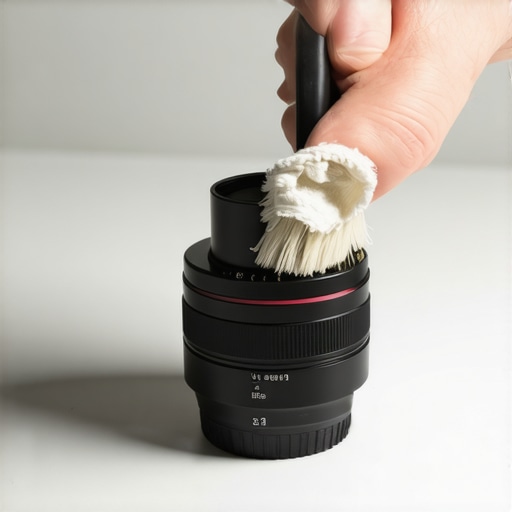
Dip a soft brush lightly into compressed air or cleaning solution, then gently brush around the focus ring, removing dust, lint, and loose particles. Avoid pressing hard or using abrasive materials, which can scratch the surface. I once ignored this step and scratched a focus ring, resulting in a hazy texture that compromised smooth movement.
Clean with Microfiber Cloth and Solution
Apply a small amount of lens cleaning solution onto a microfiber cloth. Gently wipe the focus ring, moving in circular motions. For stubborn grime, let the solution sit for a few seconds before wiping. Never spray directly onto the lens or rings to prevent fluid ingress. I learned this the hard way, when an overspray caused internal fogging during a shoot.
Reassemble and Test Functionality
Carefully screw the focus ring back onto the lens, ensuring the threading aligns properly. Turn the focus ring several times to check for smoothness and resistance. If it still feels gritty, repeat the cleaning process. I once reassembled a lens only to find the focus ring felt just as stiff; a second cleaning session fixed it, restoring precision focus control.
Optional: Use Lubricant for Smoothness
If the focus ring remains stiff after cleaning, consider applying a tiny amount of specialized lens lubricant to the threading. Use sparingly—excess lubricant can attract dirt. This step is akin to oiling a door hinge; a little goes a long way, and a well-lubricated ring improves focus pullability. Remember, less is more to prevent buildup.
Maintain Regularly to Prevent Grit Accumulation
Set a maintenance schedule—every three to six months—especially if shooting in dusty environments. Regular cleaning keeps focus rings buttery smooth and extends lens lifespan. During a recent outdoor shoot, I cleaned my lenses immediately afterward, which prevented dust buildup that could have ruined a critical shot the next day.
Additional Tips for Prolonging Lens Health
Store lenses in a dry, dust-free environment, preferably in a padded case. Avoid touching or twisting focus rings unnecessarily. When traveling, keep the lens caps on, and consider using dry silica packs to absorb moisture. These steps are simple but essential, much like protecting your camera support gear from humidity and impact.
 Many aspiring filmmakers and even seasoned professionals often fall into common traps when it comes to selecting and using camera supports, cinema projectors, projection screens, cine lenses, and lighting setups. A frequent misconception is that more expensive or high-end equipment guarantees superior results, but this isn’t always the case. For example, investing in a top-tier cinema projector without considering room calibration and ambient light factors can lead to subpar image quality. It’s essential to understand that equipment choices must be paired with proper scene-specific adjustments to unlock their true potential.
Why do so many technicians overlook the importance of precise setup in these advanced tools?
One critical nuance is the overlooked impact of micro-vibrations caused by even minor equipment misalignments or environmental factors. These tiny vibrations can cause noticeable flickering or focus shifts, especially with high-gain screens and 16k camera rigs. According to expert insights from cinema projection specialists, neglecting proper mounting and stabilization can introduce artifacts that ruin the perceived sharpness and contrast. From support rigs to projection setups, ensuring every component is finely tuned is a step often missed, but it can make or break your final image quality. Furthermore, many professionals don’t realize that certain cine lenses are more prone to focus breathing or focus shift during zooms, especially if they’re older models or not properly calibrated. This subtle issue can lead to jarring focus pulls, breaking the cinematic immersion. To avoid this, regular lens calibration routines and understanding the specific characteristics of your gear are crucial. Curious about how advanced support systems can be optimized? Dive into camera support techniques that elevate stability and precision.
Another often-ignored aspect involves lighting. Many overlook the importance of light quality and the strategic placement of fixtures, which can dramatically alter the mood or clarity of a scene. Overly harsh lighting can create unwanted shadows or highlights, while insufficient fill light can flatten the image. Mastering the subtle art of film lighting isn’t just about having powerful lights; it’s about understanding their interaction with screens and surfaces.
What advanced lighting techniques can bring a scene from flat to cinematic without significant equipment upgrades?
Techniques such as practical lighting, motivated light placement, and color temperature balancing can yield professional results even with modest gear. Learning to control these nuances often separates good filmmakers from great ones. If you’re curious to develop an eye for these details, explore film lighting mastery. What’s clear is that behind every stunning shot lies a meticulous understanding of these less obvious, but highly impactful, factors. Recognizing and addressing these hidden nuances can dramatically improve your craft. Have you ever fallen into this trap? Let me know in the comments.
Ensuring your equipment stays reliable over the long haul demands more than just initial setup; it requires deliberate maintenance, precise tools, and strategic upgrades. One of my favorite investments has been a set of high-quality lens cleaning tools, especially a dedicated lens wrench and micro-suction pads, which I use to perform routine checks on cine lenses and support rigs. Regularly verifying and fine-tuning your gear not only prolongs its lifespan but also maintains optimal performance during critical shoots.
Investing in Precision Support Equipment
Nothing beats the confidence that comes with using professional-grade camera supports. I personally rely on steel C-stands with heavy-duty bases—like those described in this guide—because they offer unmatched stability, especially when supporting heavy cinema cameras or lightweight but sensitive zoom lenses. A well-designed support system helps eliminate micro-vibrations, which are notorious for ruining high-resolution footage.
Keeping High-End Projectors and Screens Running
For cine projectors, digital or film-based, routine calibration is non-negotiable. I recommend routinely checking lens alignment and lens shift functionality—details outlined in this article. Additionally, maintaining the cleanliness of projection screens—using gentle cleaners and ensuring tension is uniformly distributed—can exponentially improve image quality. Consider investing in tensioning tools like specialized screen tensioners, which prevent warping and creases that distort images over time.
Optimize Lighting for Long-Term Results
Lighting is arguably the most flexible yet delicate element of filmmaking. I swear by LED panels with high CRI ratings, like the ones discussed in this guide. Regularly check and calibrate your lights to avoid color shifts that can spoil your color grading process later. The investment in quality lighting fixtures, paired with proper power conditioning, ensures consistent performance and reduces troubleshooting in the middle of production.
Anticipate Future Trends in Equipment Maintenance
Looking ahead, I believe automated calibration systems and IoT-connected support tools will revolutionize how we maintain our gear. Dynamic sensors that alert you to dust ingress or lubrication needs could become standard, minimizing downtime and human error. Already, some high-end cine lenses now feature internal vibration sensors to monitor real-time performance, which is a promising development for maintaining focus accuracy and image stability.
How do I keep supporting my gear without breaking the bank?
Prioritize multi-use tools—like a precision lens cleaning kit that can also handle supports or delicate projector lenses—and schedule routine maintenance. For example, dedicating 15 minutes every month to check and calibrate your gear can save hundreds of dollars in repairs and replacements. Testing and applying one of these advanced maintenance tips today can significantly extend the lifespan of your equipment and ensure peak performance during your next shoot. Don’t hesitate—try out a detailed support routine with tools like precision wrenches or screen tensioners to experience the difference firsthand.
Over the years, I’ve learned that the true magic of cinematic visuals often hinges on behind-the-scenes mastery of gear maintenance and setup. One hard-earned insight is that even the most advanced equipment can underperform if neglected or improperly handled, leading to costly setbacks on set. This journey has shown me that paying attention to subtle details—like the cleanliness of focus rings or the stability of support rigs—can make or break your shot quality. Investing in routine, meticulous maintenance isn’t just about prolonging gear life; it’s about safeguarding your creative vision and ensuring your technical choices serve your storytelling seamlessly.
The Little Things That Make a Big Difference in Cinematic Precision
For example, a tiny scratch on a cine lens or a loose camera support bolt might seem inconsequential but can introduce micro-vibrations or focus inconsistencies, especially when filming at ultra-high resolutions. Frequent checks and careful calibration of supports, lenses, and projectors ensure optimal performance. Remember that equipment, much like your crew, benefits from regular attention and care. Going the extra mile—such as using specialized cleaning tools or supporting your gear with heavy-duty, stable supports—can elevate your work from good to professional-grade. Curious about how specific tools like support systems can transform your stability? Dive deeper into their benefits and see the difference firsthand.
My Go-To Resources for Staying Ahead in Gear Maintenance
Over the years, I’ve curated a set of resources that keep me aligned with the best practices. The first is this comprehensive guide on cine lenses, which clarifies how regular calibration and cleaning prevent focus breathing and focus shift issues. For rig support, I rely on this detailed article on camera supports, offering insights on choosing stable, durable rigs tailored to various shoots. When it comes to projectors and screens, understanding their maintenance—like latest calibration tips for projectors—can dramatically enhance image quality. Lastly, mastering lighting setup through this lighting guide ensures your scenes are lit with precision, avoiding common pitfalls that diminish image depth and color fidelity. These resources form the backbone of my routine, helping me deliver consistent, stunning visuals every time.
Your Next Step Toward Cinematic Excellence
Embracing diligent equipment maintenance and strategic support setups is a game-changer. When you prioritize these less-glamorous but essential aspects of filmmaking, you unlock the full potential of your gear and elevate your craft. Remember, even small improvements—like a thorough cleaning or a sturdy support—can have ripple effects that benefit your entire project. I encourage you to adopt a routine, explore trusted resources, and never underestimate the power of careful attention to detail. It’s the difference between merely shooting footage and creating cinematic art. Are you ready to take your equipment care to the next level and see how it transforms your work? Let me know your biggest challenge in maintaining your gear below.
About the Author
James Duke
ThinkOTS
James Duke is a seasoned professional in the creative production industry, bringing a wealth of technical knowledge and hands-on experience to cinegearguide.com. As a key figure at ThinkOTS, James has spent years navigating the complexities of high-end production environments, where selecting the right equipment is the difference between a successful shoot and a logistical failure. His expertise spans the full spectrum of cinematography gear, from advanced camera systems to the intricate accessories that define modern filmmaking. On cinegearguide.com, James leverages his deep understanding of the industry to provide authoritative insights, gear reviews, and technical guides. He is known for his ability to break down complex specifications into practical, actionable advice for filmmakers of all levels. His perspective is rooted in the real-world application of technology, ensuring that every recommendation is backed by professional standards. James is dedicated to empowering the filmmaking community by sharing his expertise, helping others navigate the ever-evolving landscape of cinema technology with confidence and clarity.
LinkedIn ProfileRelated Posts
Stop 16K Lens Fogging: 3 All-Weather Cine Lenses for 2026
I remember the first time my lens fogged up during…
Cine Lenses and Camera Gear: Ultimate Guide for Modern Filmmakers 2024
I remember the first time I spent hours agonizing over…
Best Cine Lenses and Camera Supports for Filmmakers in 2024
Discovering the Magic of Cine Lenses: My Personal ExperienceAs a…