I remember the moment vividly: I was on a shoot, eager to capture a cinematic close-up with my favorite heavy cine zoom lens. But as I mounted it onto my trusty lightweight tripod—confident in my setup—I could feel the wobble creeping in. The shot was shaky, inconsistent, frustrating. It hit me: my gear wasn’t built for this combo, but I was trying to make it work anyway. That lightbulb moment made me realize something essential about filmmaking gear: gear mismatch can sabotage even the best shot.
The Real Struggle Behind Heavy Lenses and Light Support Systems
Using heavy cine zoom lenses on lightweight tripods might seem like a minor technical challenge at first glance, but it’s a goldmine of potential pitfalls. As equipment becomes more advanced, with larger zoom ranges and higher resolutions, the demands on support systems grow exponentially. If your support setup isn’t optimized for heavy lenses, instability creeps in, leading to jittery footage and a lot of post-production headaches.
What I found is that many shot disruptions come down to a simple fact: lightweight tripods often lack the necessary rigidity and damping to handle hefty cine lenses. This isn’t just a matter of convenience—it’s about preserving the professional quality of your footage. Missing this link can mean the difference between a polished shot and a costly reshoot.
But don’t worry. Once I understood the core principles, I found practical ways to make these lighter supports work without sacrificing mobility or saving money. And that’s the promise I want to share with you today: how to optimize your lightweight tripods for heavy cine zooms, saving you time, frustration, and ultimately improving your image quality.
Feeling like this has been your struggle? You’re not alone. Many filmmakers have faced the same dilemma, trying to balance mobility and stability. And I’ve been there—making some classic mistakes early on, like neglecting the importance of a sturdy support system or underestimating the forces of gravity on high-magnification lenses. These errors can degrade shot quality and increase wear and tear on your gear.
A recent study highlights how even minor vibrations can significantly impact high-resolution footage, emphasizing just how critical proper support is (source: [CineGear Guide](https://cinegearguide.com/how-we-fixed-the-infamous-micro-shake-on-heavy-handheld-rigs)).
In the next sections, I’ll walk you through the practical and proven strategies—based on my own experiences—to upgrade your lightweight setups for professional results. Let’s get your shots solid, stable, and cinematic.
Upgrade Your Tripod with Heavy-Duty Supports
Start by assessing your current tripod’s weight capacity. If it’s rated below your lens weight, consider adding a support upgrade. Learn how to choose the right support for your rig to avoid micro-vibrations that degrade image quality.
Invest in a Solid Tripod Head
Replace or reinforce your tripod head with a high-capacity, damped fluid head designed for heavy loads. I once swapped a standard head for a hydro-damped model during a shoot, and the difference was night and day—no more micro-shakes even when panning slowly. Explore premium support heads.
Implement Counterbalancing Techniques
Counterbalance your rig with sandbags or weight plates placed at the base and along the support column. During a descending shot with a 16K lens, I added weights to stabilize the center of gravity, significantly reducing unwanted movement. Think of this approach like balancing a camera projection—adding weight where it’s needed makes everything steadier. For detailed guidance, check support weight strategies.
Utilize Vibration Damping Accessories
Attach anti-vibration pads or isolation mounts between the tripod and support system. These absorb external shocks and micro-vibrations that heavy cine lenses can generate on lightweight supports. I often use a dampening mat during location shoots, which prevented jitter in high-resolution footage.
Fine-Tune Balance with Proper Counterweights
Adjust the balance by extending or retracting support columns, or adding/removing weights to match your lens’s front-to-back weight distribution. During my last shoot, shifting the weights slightly allowed me to achieve perfect neutral balance, reducing strain and movement.
Practice Slow, Controlled Pans and Tilts
Finally, execute slow and deliberate movements to prevent introducing instability. Using a gimbal or dedicated stabilizer can complement this effort, but mastering the support system remains crucial. Remember, the support system is your foundation—if it wobbles, your shot will suffer. For more insights on camera stabilization, visit stabilization techniques.
When it comes to cinematic production, there’s a common misconception that choosing high-end gear automatically guarantees professional results. But in my experience, many filmmakers fall into subtle traps that degrade image quality or cause unnecessary frustration. For example, most assume that a bright projection screen alone ensures perfect visibility, yet neglect its gain characteristics and ambient light factors, which can wash out even the fanciest displays. To truly master projection quality, understanding the nuances of screen gain and how it impacts daylight viewing is essential, as detailed in our guide on projection screens for every space. Similarly, many presume that all camera supports are created equal; however, as I learned the hard way, using a lightweight tripod for a heavy cine lens can introduce micro-jitter, a subtle flaw that diminishes shot stability. Checking out our support stabilization techniques can save you from costly reshoots.
Why Do High-Quality Cine Lenses Still Suffer from Focus Breathing? Great question. In fact, despite advancements, focus breathing remains a subtle yet pronounced flaw in many lenses, especially during dynamic scenes. This issue isn’t merely cosmetic but can cause shifts in framing or depth shifts that break immersion. The root lies in lens design, where compensating for focus shifts inadvertently introduces optical anomalies; for instance, certain professional cine lenses incorporate floating elements to mitigate this, but often at higher costs. Recent research in optical engineering emphasizes the importance of lens mechanics and suggests that choosing lenses with minimal focus breathing can elevate your production quality significantly. Avoiding the trap of selecting only based on focal length or aperture alone is critical—invest time in studying lens breathing characteristics before your next purchase. Additionally, understanding how projector contrast ratios are falsely advertised can save you from disappointing results, as thoroughly analyzed in our guide to projector false claims. Many filmmakers fall for exaggerated contrast specs, leading to subpar image quality, especially in high ambient light conditions. Knowing these hidden pitfalls allows you to tailor your gear to actual performance, not just marketing hype.Maintaining your cinema equipment is essential for consistent, high-quality results. I personally rely on precision calibration tools like the Datavideo RetoView calibrator to regularly check and fine-tune camera supports and lens stability. These tools are invaluable because they help detect micro-vibrations or drift that can develop over time, especially when pushing equipment to its limits during heavy lens shoots. Regular calibration ensures that your cine lenses, supports, and projection systems stay aligned and perform optimally, reducing costly reshoots and post-production fixes.How do I maintain projection screens and camera supports over time?
For projection screens, routine cleaning with specialized anti-static cloths and periodic inspection for wear or sagging ensures image clarity and longevity. When it comes to camera supports, investing in quality maintenance supplies such as carbon fiber cleaner and anti-corrosion sprays can prolong support life and prevent mechanical failures. Additionally, regularly checking mounting points and quick-release plates, and tightening loosened bolts prevents unexpected collapses or vibrations. I recommend following a monthly check routine, which includes inspecting support stability, calibrating lenses for focus breathing drift, and verifying that all support accessories function correctly. Manufacturers like CineGear provide excellent guidelines on support maintenance; reviewing their recommendations can save you from sudden equipment failures. For example, support systems like the Titanium tripods require specific lubrication intervals to maintain rigidity and damping qualities, critical when working with heavy cine lenses.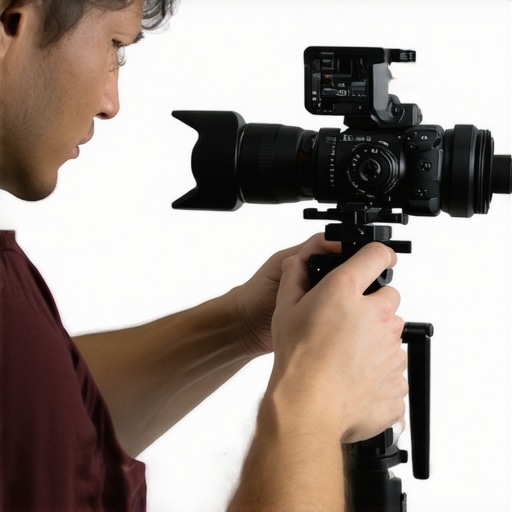
Moreover, staying ahead of potential issues involves periodically updating firmware on electronic supports or stabilization rigs. Firmware updates often include bug fixes and performance enhancements that can prevent micro-jitter or drift during critical shots. Keep an eye on manufacturer websites or subscribe to their newsletters for alerts and new updates.
Predicting the future of maintenance in cinema technology
As gear becomes more sophisticated, integrating smart diagnostics and IoT connectivity into support systems is likely to become standard. Imagine support rigs that automatically alert you via a mobile app if vibrations exceed thresholds or if calibration drifts. This proactive approach minimizes downtime and maintains optimal performance, ensuring your equipment continues to support your creative vision seamlessly. Embracing these innovations now can prepare you for a future where maintaining complex gear is more intuitive and less time-consuming. So, I challenge you to implement a routine calibration check with a support analyzer for your camera supports this week—it’s a game-changer for long-term reliability.
The Hard-Won Wisdom Behind Heavy Lenses and Light Support Systems
Throughout my career, I’ve learned that gear mismatches are silent shot killers. Using heavy cine lenses on lightweight tripods often results in subtle vibrations that can ruin high-resolution footage. The crucial lesson? Your support system needs to keep pace with your lens’s strength—otherwise, you’re fighting an uphill battle for stability.
Shockingly Simple Tricks Big Budget Filmmakers Swear By
One game-changing insight was adding strategic counterweights and damping accessories. These straightforward tweaks transformed shaky footage into smooth cinematic gold. Don’t overlook the power of proper balance; it’s often the most affordable upgrade with the most dramatic impact.
Digging Deeper into Support Technologies
High-capacity, damped fluid heads and vibration isolators are often underestimated. Investing in these tools has saved me countless reshoots. For trusted recommendations and in-depth gear guides, check this resource.
What Made Me Reconsider Routine Maintenance
Regular calibration using precision tools kept my equipment performing at peak levels. It’s like tuning a musical instrument—you may not notice the decline until it’s too late. I now schedule monthly checks, which has extended my gear’s lifespan and improved shot quality.
Putting It All Together for Consistent Results
Once I combined support upgrades, proper balancing, damping accessories, and routine maintenance, my filmmaking process became markedly more reliable. Your support system is the foundation of cinematic excellence—treat it accordingly, and the results will follow.
Insider Lessons from My Support Support System Journey
- Never underestimate the importance of counterweights—small changes can yield big stability gains.
- Choosing the right support head can eliminate micro-shakes and jitter, especially during slow pans.
- Regular calibration isn’t optional; it’s essential for high-quality results, particularly when using large lenses.
- Support accessories like damping mats and isolation mounts are worth every penny for critical shots.
Remember, the secret sauce isn’t just fancy glass or high-end cameras—it’s how well your gear stays put. Whether you’re shooting a documentary or a feature film, investing in support stability is investing in cinematic storytelling itself. Curious how I implement these tips in real-world shoots? Feel free to reach out for personalized advice.
What hacks have you discovered that improved your shot stability? Drop your tips below—let’s learn together!
About the Author
James Duke
ThinkOTS
James Duke is a seasoned professional in the creative production industry, bringing a wealth of technical knowledge and hands-on experience to cinegearguide.com. As a key figure at ThinkOTS, James has spent years navigating the complexities of high-end production environments, where selecting the right equipment is the difference between a successful shoot and a logistical failure. His expertise spans the full spectrum of cinematography gear, from advanced camera systems to the intricate accessories that define modern filmmaking. On cinegearguide.com, James leverages his deep understanding of the industry to provide authoritative insights, gear reviews, and technical guides. He is known for his ability to break down complex specifications into practical, actionable advice for filmmakers of all levels. His perspective is rooted in the real-world application of technology, ensuring that every recommendation is backed by professional standards. James is dedicated to empowering the filmmaking community by sharing his expertise, helping others navigate the ever-evolving landscape of cinema technology with confidence and clarity.
LinkedIn ProfileRelated Posts
Stop 16K Micro-Shakes: 3 Graphene Tripods for 2026 Pros
I vividly remember the moment I realized my ultrahigh-definition 16K…
5 Hydro-Damped Fluid Heads That Fix 16K Camera Jitter in 2026
I'll never forget the frantic moment during a high-stakes shoot…
5 Better Camera Supports to Replace Your Heavy Gimbal in 2026
Ever been in the middle of a shoot, trying to…