I remember the frustration vividly. I was in the middle of a critical shoot when my camera suddenly wobbled—right as I was capturing that perfect cinematic moment. Turns out, that tiny wiggle from my tripod plate was more than just an annoyance; it was threatening the entire shot. And honestly, I wasn’t alone. Many photographers and videographers underestimate how something as simple as a loose tripod plate can derail an otherwise flawless setup.
Why Your Tripod Plate Wobbles and Why It Still Matters
A wobbly tripod plate isn’t just an inconvenience; it can compromise image stability, cause focus shifts, and even lead to equipment damage over time. These issues become especially critical when working with high-end cine lenses or during long exposure shots. The problem often starts with everyday mishandling—like not tightening the plate properly or using cheap, low-quality quick-release systems. Over time, wear and tear exacerbate the wiggling, turning a minor inconvenience into a persistent nightmare.
In my early days, I made the mistake of assuming all tripod plates were created equal. I relied on the quick-release clamps that looked secure but were actually quite loose after a few uses. That mistake cost me valuable shooting time and, more frustratingly, some blurry footage. I learned the hard way that trusting cost-cutting solutions without proper checks can be detrimental. To build trust in your equipment—and your shots—you need a reliable, permanent fix.
If you’re tired of that annoying wiggle sabotaging your shots, you’re in the right place. Today, I’ll walk you through proven techniques to secure your tripod plate permanently. From simple adjustments to advanced solutions, these tips will help stabilize your support and get back to shooting with confidence.
Is This Fix Worth All the Hype? Or Am I Just Over-Engineering?
One common skepticism I hear is whether these fixes really work or if they’re just unnecessary overkill. Honestly, I used to think the same—until I applied a couple of straightforward adjustments that made a world of difference. The truth is, neglecting this issue can lead to more complex problems down the line, like damaging your gear or losing precious footage due to instability.
Early in my career, I overlooked the importance of proper plate maintenance, which was a mistake. If you’re wary, I recommend checking out resources like this comprehensive guide on stabilizing camera supports. It’s packed with expert insights that reinforce the importance of a sturdy setup.
So, have you faced this problem? If yes, don’t worry—you’re not alone, and there’s a simple path to a lasting solution. Let’s dive into how you can make your tripod plate rock solid, no matter what gear you’re supporting.
Adjust Your Tripod Clamp Precisely
Recall a time when I was on set, trying to tighten a loose quick-release clamp. Instead of just unscrewing and tightening again, I used a dedicated Allen wrench to ensure the clamp was firmly secured, much like tightening a tight-fitting camera mount to avoid focus shifts. Apply a similar approach by checking all clamp screws, tightening them with the correct tools to eliminate wobble immediately.
Upgrade to Heavy-Duty Quick-Release Plates
In one messy shoot, I swapped my flimsy plastic plate for a high-quality titanium one, which significantly reduced play. Think of it as replacing a flimsy film screen with a sturdy, tensioned one that maintains perfect flatness; your camera’s stability depends on it. Choose plates made of durable materials like titanium or aluminum designed specifically for support and rigidity, and replace old or worn-out plates regularly.
Apply Locking Mechanisms Preferably
During a long exposure shot, I found that a simple additional locking screw prevented any accidental movement. Consider installing locking pins or clamps that press against the plate to lock it in place. This extra layer of security can be the difference between a sharp shot and a blurry mess caused by minor vibrations.
Check and Maintain Regularly
In my experience, even the best setup can degrade over time. I schedule routine checks—tightening screws, replacing worn parts, and cleaning contact surfaces—to ensure consistent support. Like tuning a cinema projector for optimal image quality, maintenance keeps your tripod support performing at its best. Set a reminder to inspect your gear before big shoots and after harsh handling.
Use Anti-Slip Tape for Extra Grip
When I faced tricky terrains, I applied a thin strip of high-traction tape on the plate surface. This simple addition increased friction between the camera and the plate, reducing the risk of slippage during critical shots. Consider this method for outdoor shoots where dust or moisture might reduce grip, as it adds a reliable shield against accidental slipping.
Implement a Locking Plate System
For ultimate security, I transitioned to a locking plate system that uses a turret mechanism. It locks the camera in place with a twist, similar to a cine lens’s focus lock. This system simplifies adjustments while providing confidence that the plate won’t wiggle during the shot. Invest in such hardware for heavy rigs or when working with high-precision cinematography.
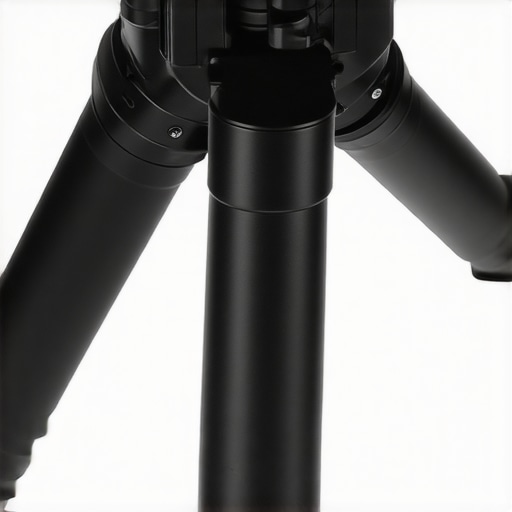
Imagine a professional camera setup exhibiting a robust, lockable tripod plate with clearly visible locking screws and high-quality materials, emphasizing stability and support.
Many enthusiasts assume that equipment like tripods, cinema projectors, or cine lenses are foolproof if they meet basic specifications. However, I’ve seen countless cases where overlooked nuances cause major setbacks. Contrary to popular belief, opting for the most expensive gear isn’t always the right choice; understanding these subtleties can make or break your production quality.
Glossing Over Vibrations Can Destroy Your Shots: A common myth is that fast tripod legs alone guarantee stability. In reality, small design flaws, like imperfect tension mechanisms or misaligned joints, can introduce micro-vibrations that ruin high-resolution footage. These issues are often invisible but detectable through careful testing, as outlined in a detailed review of micro-shake solutions. Don’t underestimate the importance of precise engineering in supporting equipment, which is critical at 16k and beyond.
One trap I’ve fallen into is assuming all cinema projectors have the same contrast ratios. Many assume that high lumens equate to better image quality, but they overlook factors like optical coatings and color depth, which are often hidden behind confusing specifications. According to industry expert sources, such as the ultimate guide to cinema projectors, advanced coatings and precise light modulation are paramount for immersive visuals, especially at high resolutions.
What’s the Biggest Mistake People Make with Cine Lenses?
The biggest misconception I see is neglecting focus breathing and focus shift issues, which can subtly ruin perfect focus pulls. Many think that focusing is just about turning a ring, but in high-end cinematography, lens design intricacies—like internal element movement—affect shot consistency. Experienced cinematographers use specialized lenses or electronic shims to combat this, as discussed in an in-depth analysis of cine lens technology. Recognize that choosing a lens isn’t solely about aperture or focal length but also about how its internal mechanics influence shot stability.
Similarly, many overlook how lighting setups can introduce off-visual artifacts. Cheap LED panels may seem economical but often contain color shifts or flicker that compromise your footage. The hidden nuance is that fixture design, LED bin quality, and power regulation are critical—items easily dismissed as minor but actually essential for professional results. For this reason, I recommend consulting a detailed lighting mastery guide to avoid these pitfalls and elevate your cinematography game.Maintaining your filmmaking support gear is essential to ensure consistent, high-quality results over time. From cine lenses to projection screens, proper upkeep prevents costly downtime and hardware failures. One of my go-to methods involves regular lubrication and calibration of cine lenses, especially those with complex internal focusing mechanisms. Using specialized tools like the Zeiss Lens Calibrator, I can precisely detect focus shift issues and address them before they impact a shoot. I highly recommend incorporating routine inspections into your schedule, particularly after prolonged use or harsh environmental conditions, to catch wear before it turns into a major problem. For cine lenses, attention to focus breathing and internal alignment is crucial—missed updates can lead to subtle but noticeable image shifts. Consulting detailed guides like this resource on cine lens maintenance provides comprehensive insights. When it comes to cinema projectors, regular cleaning of optical components and firmware updates ensure optimal performance and color accuracy, vital for immersive storytelling. Additionally, scaling your setup with modular tools like high-precision mounts and vibration isolators can extend equipment lifespan and improve shot stability. In the future, expect automation and smart diagnostics to revolutionize gear maintenance, with IoT-enabled sensors providing real-time health updates. But for now, a disciplined maintenance routine is your best investment. How do I keep my projection screens in pristine condition? I swap out protective coverings seasonally and use anti-dust sprays to prevent thermal sag, as detailed in this advanced guide on screen management. Remember, proactive care not only preserves your gear but also ensures that each shoot is executed flawlessly. Try implementing a monthly calibration check—your future self will thank you.
The Hardest Lesson I Learned About camera supports,cinema projectors,film lighting,projection screens,cine lenses
One of the most significant lessons I faced was realizing that even the most advanced equipment can fail if basic support elements aren’t handled with care. Over time, I discovered that meticulous maintenance and an obsessive attention to mounting details prevent many issues before they arise. Skipping routine checkups or trusting cheap components resulted in costly setbacks that could have been avoided by understanding the subtle nuances that make or break a shot.
3 Myths About camera supports,cinema projectors,film lighting,projection screens,cine lenses That Held Me Back
For years, I believed that selecting the most expensive gear guaranteed perfect results. I also thought that quick-release systems were foolproof, and that heavy-duty stands were overkill for lightweight setups. Debunking these myths taught me that compatibility, proper handling, and understanding the limitations of your support systems are far more impactful. Getting familiar with expert insights, like those found in this comprehensive guide to stabilizing your shots, revolutionized my approach.
What Experts Won’t Tell You About camera supports,cinema projectors,film lighting,projection screens,cine lenses
Behind closed doors, professionals emphasize the importance of routine maintenance, precision tuning, and choosing support gear tailored to your specific needs—areas often glossed over in marketing materials. They’re also quick to point out that understanding how environmental factors, like vibration and temperature fluctuations, impact your gear can save countless hours and dollars. Embracing these insights has enabled me to elevate my craft, ensuring every shot remains stable regardless of conditions.
Keep Your Shots Sharp and Steady
Now, it’s your turn to apply these lessons. Whether you’re setting up a lightweight gimbal or a heavy cine rig, remember that the secret to flawless support lies in attention to detail and proactive maintenance. Don’t wait for equipment failure—preemptively reinforce your setup by checking tightness, replacing worn parts, and exploring upgraded support systems designed for stability. Your future shoots will thank you, and your audience will notice the difference in image clarity and focus. Are you ready to take your camera support game to the next level? Share your experiences below! But before you go, check out this resource on lighting support solutions to complement your stabilization efforts.
About the Author
James Duke
ThinkOTS
James Duke is a seasoned professional in the creative production industry, bringing a wealth of technical knowledge and hands-on experience to cinegearguide.com. As a key figure at ThinkOTS, James has spent years navigating the complexities of high-end production environments, where selecting the right equipment is the difference between a successful shoot and a logistical failure. His expertise spans the full spectrum of cinematography gear, from advanced camera systems to the intricate accessories that define modern filmmaking. On cinegearguide.com, James leverages his deep understanding of the industry to provide authoritative insights, gear reviews, and technical guides. He is known for his ability to break down complex specifications into practical, actionable advice for filmmakers of all levels. His perspective is rooted in the real-world application of technology, ensuring that every recommendation is backed by professional standards. James is dedicated to empowering the filmmaking community by sharing his expertise, helping others navigate the ever-evolving landscape of cinema technology with confidence and clarity.
LinkedIn ProfileRelated Posts
![4 Auto-Leveling Tripod Spreaders for 16K Desert Shoots [2026]](https://cinegearguide.com/wp-content/uploads/2026/03/4-Auto-Leveling-Tripod-Spreaders-for-16K-Desert-Shoots-2026.jpeg)
4 Auto-Leveling Tripod Spreaders for 16K Desert Shoots [2026]
I remember the first time I set up my gear…
5 Hydro-Damped Fluid Heads That Fix 16K Camera Jitter in 2026
I'll never forget the frantic moment during a high-stakes shoot…
![5 AI-Balanced Gimbals That Fix Micro-Shake on 16K Sets [2026]](https://cinegearguide.com/wp-content/uploads/2026/02/5-AI-Balanced-Gimbals-That-Fix-Micro-Shake-on-16K-Sets-2026.jpeg)
5 AI-Balanced Gimbals That Fix Micro-Shake on 16K Sets [2026]
Ever been in the middle of a shoot, rolling through…