It was a shooting day like any other when I finally noticed the micro-jitter—tiny, almost invisible shakes—creeping into my footage. At first, I dismissed it as camera shake or lens wobble. But as I reviewed my shots, I realized the culprit was my trusted lightweight carbon fiber tripod. I couldn’t believe it. The very gear I bought for its portability and strength was secretly sabotaging my shots. That lightbulb moment made me reevaluate everything I thought I knew about stabilization.
How a Lightweight Tripod Can Sabotage Your Shots
One of my early mistakes was opting for lightweight tripods that felt convenient but lacked the stability needed for high-res shooting. I replaced my flimsy support with a **heavy-duty carbon fiber tripod**, which significantly reduced vibrations. Think of it like upgrading from a flimsy projection screen to a stable, anti-ghosting model. You want a support system that dampens micro-movements at the source. Look for tripods with high-quality leg locks and integrated damping systems. For ultimate stability, consider a support designed explicitly for 16K rigs, like the [carbon fiber supports](https://cinegearguide.com/camera-supports-demystified-stabilize-your-shots-like-a-pro). Even the sturdiest tripod can betray you if the head is subpar. I swapped my standard fluid head for a **high-precision, G-Force stabilized head**, which maintains position without micro-slip. Connecting the camera securely is vital—use **Quick-Release plates** with anti-twist features to prevent wobble. Think of your camera setup as the lens of a projection system; if this part isn’t stable, the whole image suffers. Check out [these titanium fluid heads](https://cinegearguide.com/3-titanium-fluid-heads-to-fix-20kg-16k-rig-drift-2026) for a premium experience. Ensure each tripod component is correctly tightened. Loose screws or uneven levels act like tiny global wobbles, affecting your footage at 16K. Use a **spirit level** on the camera plate and tripod head to guarantee perfect horizontal alignment. Imagine balancing a projection screen perfectly flat; even a slight tilt causes distortion. During my shoot, I double-checked the leveling after every move, which drastically minimized micro-shifts. For detailed setup tips, the camera support guide offers expert advice. External vibrations from wind, ground motion, or nearby equipment can undermine your stabilization. I found that placing my tripod on a **solid, level surface** and using **vibration dampers** helped. When shooting outdoors, I deployed sandbags or weight plates at the tripod base, much like how a cinema projector is mounted on a stable platform to prevent jitter. Additionally, shield your setup from gusts with windbreaks or wind-resistant materials. This approach ensures micro-movements don’t creep in from environmental disturbances. Despite the best physical setup, some residual jitter persists. I employed an **AI-powered stabilizer grip** during post-production to smooth out tiny shakes. Additionally, mechanical stabilizers like a **gimbal with gyro-lock** can be mounted between support and camera for an extra layer of precision. Think of this as the difference between projecting an image onto a screen versus holding it steady with a custom mount—both are crucial at ultra-high resolutions. For specifics, check out the AI stabilization guide. Many filmmakers and enthusiasts often assume that technical perfection hinges solely on equipment specifications, but there’s a hidden depth full of pitfalls and misconceptions. One common misconception is that lighter support gear automatically equates to better stability—in reality, ultralight camera supports can introduce micro-movements that undermine high-resolution shots. The nuance here is that materials like carbon fiber, while strong and lightweight, require meticulous setup and high-quality mounting hardware to truly prevent micro-vibrations. Overlooking this can be the difference between a crisp frame and a jittery nightmare. Similarly, the popular belief that all projection screens are equally suitable for HDR and high-gain applications misleads many. The truth is, screen surface texture and coatings dramatically impact on-screen color accuracy and contrast, especially at 16K resolutions. Experts recommend specialized screens, like glass-beaded surfaces, which enhance HDR punch without sacrificing clarity. The same applies to cinema lenses—many think that purchasing the latest high-cost optics guarantees perfect focus and image quality, but without proper calibration, even the best lenses can suffer from focus breathing and aberrations, especially in extreme lighting conditions. This is why electronic shimming and regular calibration are critical, even for flagship lenses. When it comes to camera supports, the misconception that any tripod or gimbal will suffice at 16K resolution is glaring. Support systems need to incorporate damping and stability features explicitly designed for ultra-high-res workflows—like graphene-enhanced heads—to prevent micro-vibrations that become visible in close-up or slow-motion shots. Ask yourself: are you relying on equipment that’s optimized for your resolution demands? If not, you’re setting yourself up for subtle but impactful issues. Remember, in high-end cinematic production, the devil is in the details. Don’t fall prey to the trap of assuming essence and quality are interchangeable—because at 16K, even the tiniest oversight can ruin an otherwise perfect shot. Do you know which equipment nuances might be sabotaging your footage? Have you ever fallen into this trap? Let me know in the comments. Maintaining high-end film gear requires precision tools and dedicated routines. I personally rely on calibrated electronic shimming devices like the electronic shimming system to ensure cine lenses stay accurately focused, especially in demanding 16K shooting environments. Regular calibration prevents focus drift caused by thermal fluctuations or mechanical wear, which can subtly degrade image quality over time. For camera supports, I suggest investing in vibration-damped tripods and supports with integrated damping systems. Contemporary models featuring graphene-enhanced fluid heads provide superior stability and counteract micro-vibrations that standard supports might miss. These are essential when working at ultra-high resolutions where micro-movements can translate into noticeable jitter in your footage. Projection screens also benefit from maintenance routines. Regular cleaning with anti-static wipes and inspecting for sag or warping ensures consistent high-gain performance. For projection surfaces, I recommend the high-gain screens designed to maintain clarity and brightness over years of use, especially in brighter shooting conditions. Performing routine alignment checks with precision tools like laser levels and digital inclinometers helps prevent cumulative misalignments. A two-minute check at the start of each shoot can save hours of post-production correction. In my workflow, I always verify the tripod’s level and the support’s stability before rolling, which keeps micro-movements from creeping into the shot. Moreover, keeping hardware clean and lubricated with manufacturer-approved products minimizes mechanical wear. For example, lubricating support hinges with silicone-based spray enhances smooth operation, which is vital for quick repositioning during dynamic shoots. Consistent maintenance extends equipment life and preserves its optimal performance, making it more reliable over multiple projects. Looking ahead, I believe smart sensors integrated into support rigs and lenses will revolutionize maintenance routines. These sensors could provide real-time feedback about stability, temperature, and mechanical wear, alerting operators before issues affect footage. As automation advances, expect to see more self-calibrating systems that require minimal manual intervention, ensuring precise results at every shoot. My key tip is to establish a daily maintenance ritual that includes visual inspections, calibration checks, and cleaning with proprietary solutions. Incorporate high-precision tools into your routine and don’t overlook environmental factors—keeping equipment in stable, climate-controlled environments extends lifespan and maintains peak performance. Try adding a calibration step this week to see immediate benefits. Remember, the smallest dedicated effort now saves significant time and money later! My journey taught me that relying solely on lightweight gear can be deceptive when aiming for 16K clarity. Even a seemingly sturdy carbon fiber tripod may introduce micro-shakes if not paired with the right damping features or setup techniques. The real breakthrough came when I realized that every tiny component—from leg locks to the tripod head—contributes to the final image stability. This depth of understanding transformed my approach from assembly to ritual, emphasizing meticulous setup over just having high-end gear. Another insight was that environmental control isn’t optional at ultra-high resolutions. I learned that external vibrations, ground instability, and even wind gusts could sneak in micro-movements that ruin otherwise perfect shots. Investing in vibration dampers, choosing solid shooting surfaces, and shielding gear from gusts became as crucial as selecting the right support equipment. These lessons underscored the importance of a holistic approach, where gear quality and environmental awareness go hand in hand to eliminate micro-jitter. Finally, I discovered that ongoing maintenance and calibration are the unsung heroes of support stability. Regularly checking levels, tightening connections, and inspecting gear for wear prevented creeping micro-movements. Incorporating electronic shimming systems and precision tools into my routine ensured that my stabilizers remained locked-in, even during intense shooting schedules. This proactive mindset turned stability from a hidden concern into a reliable asset, elevating my footage quality to cinema-grade standards. My favorite gear includes graphene-enhanced fluid heads, which I trust for their damping capabilities. They absorb micro-vibrations, providing smooth, jitter-free pans at 16K resolutions. Electronic shimming devices have become essential for maintaining perfect focus and calibration, especially when working in fluctuating temperatures or extensive shoots. Fine-tuning with laser levels and digital inclinometers ensures every setup starts pristine, saving time in post-production and preventing subtle artifacts from slipping in. For high-demand outdoor shoots, vibration-damped supports like the [carbon fiber tripods](https://cinegearguide.com/camera-supports-demystified-stabilize-your-shots-like-a-pro) are a game-changer in maintaining consistent stability under challenging conditions. Additionally, premium projection screens with micro-moire resistant coatings protect against tiny distortions that high resolutions expose. Regular cleaning and environmental checks keep these surfaces optimal for the long haul. When pairing supports and screens with high-quality cine lenses, calibration becomes an ongoing process—one that keeps your images crisp, contrast-rich, and free of distracting micro-shifts. These tools and practices combine to form a robust framework for ultra-precise stabilization, ensuring that your high-res visuals are as seamless as your vision. Stepping into the world of 16K production demands more than just premium gear; it requires a mindset committed to precision and constant learning. Embrace routine maintenance, environmental awareness, and proactive calibration—these are the cornerstones that support flawless stabilization. Remember, technology alone isn’t enough; your technique and attention to detail are what will truly set your work apart. As you refine your setup and incorporate advanced tools—like [graphene fluid heads](https://cinegearguide.com/5-graphene-fluid-heads-that-end-16k-camera-drift-in-2026)—your confidence will grow, and so will the quality of your visuals. The future of high-resolution cinematography is in your hands—equip yourself with knowledge, care, and a passion for excellence. Your next masterpiece awaits, stabilized and sharp beyond the ordinary.Upgrade to a High-Precision Head and Secure Attachment
Tighten and Level Everything Meticulously
Master the Environmental Factors
Fine-Tune with Electronic and Mechanical Stabilizers
Tools I Recommend for Reliable Performance
Stay Aligned: Routine Checks Are Critical
Predicting Future Trends in Equipment Care
How do I keep my gear working flawlessly for the long haul?
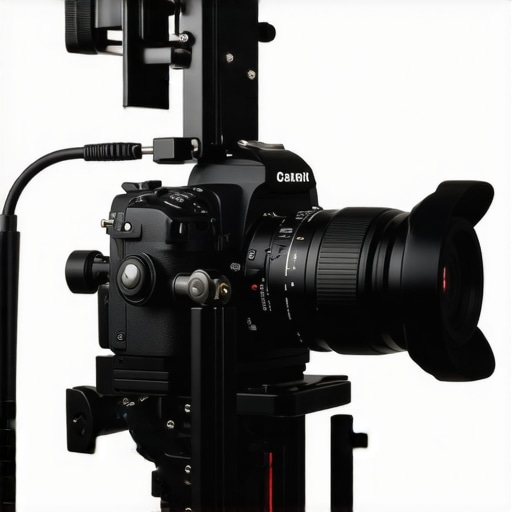
The Hidden Lessons Behind Precision Support
Tools That Turn Stability Into Art
Fuel Your Confidence and Push Boundaries
Related Posts
4 AI-Stabilized Grips That Fix 16K Micro-Shake in 2026
I'll never forget the moment I reviewed my latest 16K…
Stop the Shake: 4 Best Camera Supports for 2026 Travel Docs
It was late at night, and I was trying to…
![Stop Micro-Jitter: 5 Titanium Tripods for 16K Rigs [2026]](https://cinegearguide.com/wp-content/uploads/2026/05/Stop-Micro-Jitter-5-Titanium-Tripods-for-16K-Rigs-2026.jpeg)
Stop Micro-Jitter: 5 Titanium Tripods for 16K Rigs [2026]
I'll never forget the moment I was filming a high-end…