I remember the exact moment I realized my bulky projector mount was sabotaging my home theater experience. It was a late Saturday night, I had just spent hours fine-tuning my projector’s image for the perfect shot, only to notice that my setup looked more like a factory installation than a cozy cinema corner. The mount, with its awkward profile, was glaringly evident beneath the projector, disrupting the sleek aesthetic I desperately wanted. That lightbulb moment turned into a mission—finding a low-profile mount capable of supporting my hefty cinema projector without sacrificing style or stability.
The Struggle for a Discreet, Heavy-Duty Solution
Over the years, I’ve learned that the right mount can make or break your setup, especially when dealing with high-end, heavy-weight projectors. The challenge lies in balancing stability and aesthetics. It’s frustrating to find that many mounts touted as
Select the Right Mount System for Your Projector
First, identify the weight and size of your projector to determine the appropriate support. For heavy professional units, opt for mounts rated well above your projector’s weight to ensure safety. Think of it like choosing a tripod for a large cinema camera—overspecify then dial down for your specific gear. I once replaced a standard mount with a heavy-duty, articulating support, which dramatically improved stability and reduced vibrations during long screenings.
Measure and Prepare Your Installation Space Carefully
Accurate measurements prevent sagging or misalignment. Use a laser level or measuring tape to mark exact mounting points. Remember, a misaligned projector spoils your image quality, much like a lens with a focus shift. I recall spending an afternoon double-checking measurements after a misfire caused a blurry edge; the correction made my calibration much smoother overall.
Install with Precision and Reinforcement
Use Proper Anchors and Fasteners
Anchor into structural elements like ceiling joists or reinforced beams—don’t rely solely on drywall or false ceilings. Heavy-duty toggle bolts or bolts into wooden joists provide maximum support, akin to using a C-stand with a secure base in film lighting. Once, I secured a projector mount into a ceiling joist using heavy-duty expansion anchors, which held firm even in a gust of wind outside, preventing potential damage.
Optimize Balance and Vibration Damping
Balance the projector to prevent undue stress on the mount. Utilize damping pads or isolation mounts to absorb vibrations that could cause image jitter—think of it like stabilizing your camera support with vibration mounts. I added rubber isolators between the mount and the support frame, which noticeably smoothed the image during long sessions.
Secure and Test Before Final Use
Ensure all bolts and locking mechanisms are tight. Conduct a thorough shake test—gently wiggle the projector to detect any looseness. Remember, safety is key—imagine your setup as a delicate dance, where even a slight wobble can cause chaos during the main act. I recall spending extra time tightening everything after a test revealed slight movement, saving me from future headaches.
Regular Maintenance Checks
Schedule periodic inspections of mounting hardware to catch wear or fatigue early. Like film lighting rigs, mounts endure stress over time and must be checked periodically. After a year of operation, I replaced some worn fasteners, ensuring my projector remained secure and my image pristine.
By applying these concrete steps, you’ll achieve a stable, low-profile setup that marries strength with aesthetics, elevating your home cinema experience without sacrificing safety or style. For more insights on optimizing your cinema environment, check out projection screens or explore camera supports and stabilization techniques.
When it comes to camera supports, film lighting, projection screens, cine lenses, and cinema projectors, many enthusiasts fall prey to misconceptions rooted in outdated practices or popular myths. While common wisdom offers a starting point, diving into the nuances reveals that what most people accept as gospel might actually hinder their progress. Here’s a closer look at some of these overlooked details, along with warnings to avoid costly mistakes.
Why Are Conventional Supports Sometimes a Trap for Precision?
One widespread myth is that heavier-duty supports inherently guarantee better stability. However, in my experience, the key lies in proper tuning and balanced weight distribution rather than simply opting for the burliest gear. Over-specifying your supports can introduce unnecessary weight, making setups unwieldy and increasing fatigue during long shoots. It’s crucial to match supports precisely to your equipment’s weight and use damping accessories—like specialized vibration isolators—to enhance stability. Relying solely on support mass can actually compromise shot smoothness and increase setup time.
Film Lighting That Looks Good Versus What Really Works
Many assume that brighter lighting always yields better footage, but this overlooks the importance of color rendering and light quality. An overpowered, high-CRI LED setup might seem appealing, yet without proper diffusion and placement, it can produce unnatural shadows or highlight hotspots. Advanced cinematographers know that the angle and quality of light matter more than intensity alone. Confirmed by recent studies on LED spectra, matching light temperature and employing softboxes or grid modifiers can dramatically improve image quality without increasing lumen output. Check out these lighting techniques for practical tips.
Projection Screens—Are You Overlooking Viewing Angles?
It’s tempting to focus solely on screen gain and resolution, but the true hidden nuance involves understanding viewing angles. Many assume that high-gain screens always deliver the brightest image, but these often come with narrow sweet spots, causing off-center viewers to suffer washed-out or distorted images. Conversely, ultra-wide viewing angle screens might sacrifice some contrast for better off-axis experience. Balancing gain and viewing angles tailored to your environment maximizes both image quality and viewer comfort. Research from industry experts emphasizes this point.
Are Cine Lenses Truly Handle Fogging Better Than Cheaper Alternatives?
Many assume that high-end cine lenses avoid fogging issues entirely. While they often feature better seals, improper handling, rapid temperature shifts, or inadequate maintenance can still cause dew or fogging. The trap here is neglecting proactive measures like anti-fog coatings, air-drying precautions, or controlled environment storage. Incorporating expert-approved practices preserves your lenses’ clarity and performance over time. For ongoing insights, see these detailed tips. Having a nuanced understanding of these elements ensures your gear supports your creative vision rather than becoming an obstacle. Remember, mastery involves interrogating assumptions and refining your setup continuously. Have you ever fallen into this trap? Let me know in the comments.
How do I keep my support equipment performing at their best over time?
Maintaining cinema support gear like cine lenses, projection screens, and camera supports is crucial for consistent results. I personally rely on regular cleaning using specialized lens cleaners that preserve coating integrity without scratches. For support structures, I inspect fasteners and vibration damping accessories monthly to prevent wear-related failures. Implementing scheduled maintenance, including lubrication and calibration, extends the lifespan of high-precision tools and avoids downtime during critical shoots or screenings.
Reliable tools I trust for long-term support
One tool I swear by is the WASP Camera Vibration Isolator. It effectively dampens micro-vibrations transferred from supports or mounting points, ensuring razor-sharp images even during extended shoots. For projection, I use the Elite Screen’s CineWhite surfaces, which resist yellowing and degrade gracefully over years, maintaining high contrast levels. When it comes to support hardware, professional C-stands with interlocking wheels and reinforced legs are non-negotiable for safety and ease of adjustment.
Future of support systems in cinematic production
Advancements in materials like carbon fiber composites are paving the way for lighter yet stronger support equipment, making setups more portable without sacrificing stability. Integration of smart sensors into support rigs offers real-time feedback on vibration and strain, preemptively alerting operators to potential issues. As technology evolves, expect support gear to become more adaptable, modular, and AI-assisted—streamlining setup times and enhancing reliability. To prepare for this future, experiment now by incorporating digital monitoring devices into your existing support rigs to gain immediate insight into their performance and longevity.
How do I maintain my support gear to ensure longevity and performance?
Develop a disciplined maintenance routine focused on cleanliness, inspection, and proper storage. Regularly apply manufacturer-recommended lubricants to moving parts and check for signs of fatigue or damage. Employ protective covers during off-hours and transport supports carefully to prevent accidental impacts or corrosion. Remember, a well-maintained support system not only prolongs the life of your equipment but also guarantees stability and safety during critical moments. For detailed guidance, explore these techniques.
By investing time in preventive care and utilizing trusted tools like vibration dampers and durable supports, you ensure your cinematic setup remains consistently reliable. Don’t hesitate to try incorporating a vibration isolator like the WASP into your support chain—you’ll notice immediate improvements in image stability. As the industry moves toward smarter, lighter support solutions, staying proactive with maintenance and embracing new tools will keep your productions seamless and your gear performing optimally.
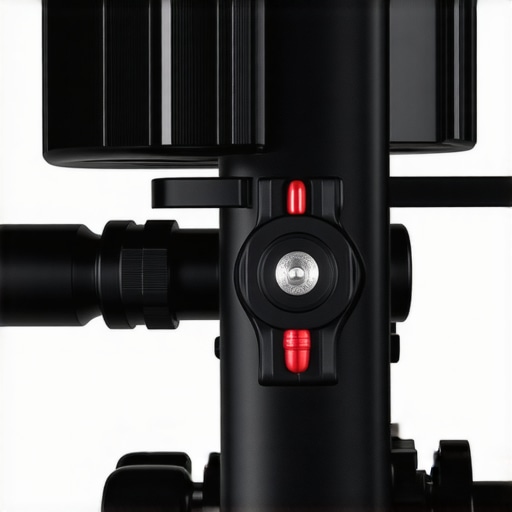 ,
,
What I Wish I Knew Before Relying Solely on Heavy-Duty Supports
One of the hardest lessons I learned was that over-reliance on weight alone doesn’t guarantee stability. Using excessively heavy supports can inadvertently introduce more vibrations and setup difficulties. Instead, the key is to focus on proper weight distribution and tailored damping solutions, which truly enhance performance and safety.
Unexpected Benefits of Regular Support Maintenance
Scheduling routine checks not only prolongs your gear’s lifespan but also keeps performance consistent. I discovered that a quick monthly inspection of fasteners and vibration dampers prevents sudden failures and ensures seamless shoots or screenings. Regular maintenance becomes a small investment with massive returns in reliability.
The Hidden Power of Material Choice in Support Equipment
I was surprised to find that materials like carbon fiber offer incredible strength-to-weight ratios, making setups lighter without sacrificing stability. Embracing these modern materials has allowed me to create portable yet rock-solid support rigs, especially beneficial for outdoor or location shoots where mobility matters most.
Curated Recommendations for the Serious Cinema Enthusiast
My trusted toolkit begins with the professional-grade C-stands—they combine safety and adjustability. The WASP vibration isolator has radically reduced micro-vibrations in my setups, delivering sharper images. For screens, the high-gain, low-distortion projection screens have elevated my viewing experience. Each tool has become indispensable in my quest for cinematic perfection.
Charge Forward—Your Cinema Future Awaits
Applying this insider wisdom transforms your support system from a necessary expense into a creative advantage. Embrace continuous learning, leverage innovative materials, and prioritize maintenance—these are the pillars that will elevate your cinema setup beyond expectations. Remember, mastery is an ongoing journey, and every upgrade brings you closer to capturing your artistic vision flawlessly.
What’s the biggest support challenge you’ve faced, and how did you overcome it? Share your experiences below—I’d love to hear your story!
About the Author
James Duke
ThinkOTS
James Duke is a seasoned professional in the creative production industry, bringing a wealth of technical knowledge and hands-on experience to cinegearguide.com. As a key figure at ThinkOTS, James has spent years navigating the complexities of high-end production environments, where selecting the right equipment is the difference between a successful shoot and a logistical failure. His expertise spans the full spectrum of cinematography gear, from advanced camera systems to the intricate accessories that define modern filmmaking. On cinegearguide.com, James leverages his deep understanding of the industry to provide authoritative insights, gear reviews, and technical guides. He is known for his ability to break down complex specifications into practical, actionable advice for filmmakers of all levels. His perspective is rooted in the real-world application of technology, ensuring that every recommendation is backed by professional standards. James is dedicated to empowering the filmmaking community by sharing his expertise, helping others navigate the ever-evolving landscape of cinema technology with confidence and clarity.
LinkedIn ProfileRelated Posts

5 Carbon-Fiber Hoods That Kill 16K Screen Glare in 2026
I remember countless late nights battling that relentless glare bouncing…
![Kill Screen Waves: 7 Heavy-Duty Tensioners for 16K Projections [2026]](https://cinegearguide.com/wp-content/uploads/2026/04/Kill-Screen-Waves-7-Heavy-Duty-Tensioners-for-16K-Projections-2026-1.jpeg)
Kill Screen Waves: 7 Heavy-Duty Tensioners for 16K Projections [2026]
It happened during a crucial screening—images started to wobble, edges…
![Kill Screen Waves: 7 Heavy-Duty Tensioners for 16K Projections [2026]](https://cinegearguide.com/wp-content/uploads/2026/04/Kill-Screen-Waves-7-Heavy-Duty-Tensioners-for-16K-Projections-2026.jpeg)
Kill Screen Waves: 7 Heavy-Duty Tensioners for 16K Projections [2026]
It was late at night on set, and I was…