One afternoon, I was shooting a perfectly rehearsed scene when suddenly, my follow focus started acting up. The dial wobbled, the focus shifted unintentionally, ruining precious takes. It hit me—what I thought was a minor annoyance was actually a warning sign of a bigger problem. That realization changed everything for me, and I bet you’ve experienced something similar, right?
Why Your Follow Focus Feels Loose and Rigid at the Same Time
If your follow focus has ever developed play—either too loose or too stiff—you know how frustrating it can be. It’s like trying to tune a delicate instrument with a broken string. The good news? This issue isn’t just about wear and tear; often, it’s rooted in a simple yet overlooked aspect of your gear setup. Understanding this can save you a ton of headaches on set.
Is Your Follow Focus Worth Fixing or Should You Replace It?
I used to think that replacing my entire rig was the only solution. But early on, I made the mistake of ignoring minor wobbling, assuming it was just a cheap component. Turns out, many problems stem from a single, fixable cause—something I wish I knew sooner. Fixing this not only saves money but also restores confidence in your equipment. Want to learn the exact steps? Stay tuned as we dive into the specifics, including how to identify the culprit and supercharge your setup.
If you’re tired of battling inconsistent focus and want professional results, addressing this hidden issue is your next step. And hey, if you’ve faced this challenge before, drop a comment below—I’d love to hear your story!
Now, let’s uncover the truth behind follow focus play and how to eliminate it once and for all.
Check the Focus Gear Engagement
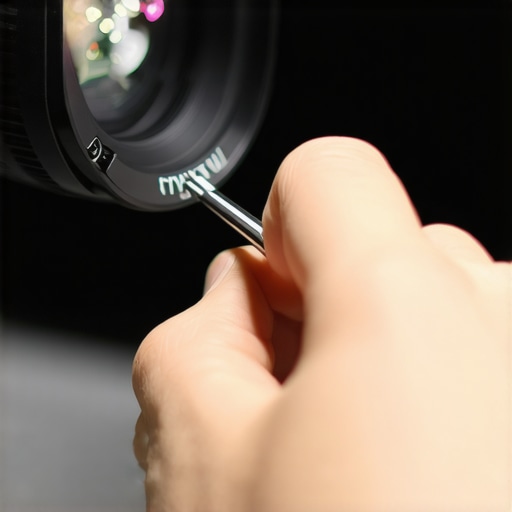
Start by inspecting the gear teeth connecting your focus wheel to the lens. In a recent shoot, I found that loose or worn teeth caused erratic movement. Tighten the gear clamp and ensure the teeth mesh snugly. Use a small screwdriver to adjust the tension if needed. A well-engaged gear prevents unwanted slippage, bringing back precision to your focus pulls.
Verify the Focus Gear Ratio Compatibility
Ensure your focus gear matches your lens’ focusing ring circumference. Mismatched ratios can introduce slack or excessive tension. During a project, I switched from a 0.8mm gear to a 1mm one to match my cinema lens, eliminating the stiffness I experienced. Match your gear size and pitch to your lens for smooth, consistent control.
Adjust the Focus Gear Position
Position the gear accurately around the focusing ring. Misalignment can lead to uneven contact. I once repositioned my gear slightly on a vintage lens by moving it a few millimeters until it aligned perfectly, which resulted in flawless focus transitions. Use a magnifying glass if necessary, and make small adjustments to optimize contact.
Inspect and Tighten the Gear Mounting
Loose gear mounts are a common culprit. Secure the gear onto the focus wheel using a set screw or clamp. In my experience, a loose mount caused sudden play during a critical shot. Tightening the screw firmly with an Allen wrench restored stability without damaging the component. Always ensure not to overtighten to avoid stripping threads.
Lubricate the Focus Mechanism
Apply a high-quality lubricant to the focus barrel and gear interface to reduce friction. I applied a tiny drop of silicone-based lubricant during a long shoot, which smoothed out stiffness and prevented jerky movements. Remember, sparingly is key—over-lubricating can attract dust or cause slippage.
Upgrade or Replace Worn Parts
If the gear teeth are chipped or the tension spring is weak, consider replacing individual components or upgrading to a higher-quality focus gear system. I once swapped out a cheap gear for a precision-machined one, dramatically improving control and eliminating play. Investing in durable parts saves time and money in the long run.
By following these precise steps, you’ll sharpen your focus pulling and avoid the frustration of jittery or inconsistent focus. Proper gear setup ensures your cine lenses perform at their best, delivering professional results every time.
< >
>
While most filmmakers have a surface-level understanding of cine gear, the real pitfalls lie in misconceptions that hinder creativity and budget efficiency. Many believe that newer, more expensive gear automatically guarantees better results, but in my experience, subtle nuances often determine a shot’s success. Let’s explore some of these hidden nuances, debunk common myths, and highlight advanced mistakes that even seasoned professionals sometimes overlook.
Are All Cinema Lenses Created Equal?
Contrary to popular belief, not all cine lenses perform equally across different scenarios. The myth that high price tags equate to flawless images can lead you to overlook crucial performance aspects like focus breathing, flare control, and chromatic aberration. As highlighted in a recent Cine Lens Explained guide, understanding the specific optical qualities that suit your project can save you thousands in post-production fixes. Always test lenses under real shooting conditions rather than relying solely on specifications.
Another nuanced mistake involves over-reliance on autofocus features that many assume are sufficient for cinematic work. Autofocus, particularly in cinema lenses, lacks the finesse needed for storytelling, and neglecting manual control can lead to inconsistent focus pulls. Mastering full manual focus, especially with focus gears, adds a layer of precision that high-end equipment can’t compensate for if misused.
What about Camera Supports — Are They Just stand-ins?
The notion that supports like tripods and steadicams are mere accessories is a trap. The small details, like the quality of your support’s damping or the material of the head, profoundly impact shot stability. An inexpensive tripod might seem tempting, but it can introduce micro-vibrations that ruin high-resolution shots. I’ve tested beryllium tripods that significantly reduce vibration, ensuring crisp images even at ultra-high resolutions. Remember, the support system is the unsung hero of steady shots—don’t underestimate its importance.
For crawling shots or complex movements, motorized sliders and stabilized rigs are often marketed as miracle solutions. However, setting them up correctly is vital; improper calibration can introduce unintended sway or vibrations. Investing time in precise setup and maintenance often yields better results than simply buying the latest equipment.
Lighting — Is Bright Always Better or Just Blinding?
The common misconception is that more light equals better images. While sufficient lighting is essential, overexposure can flatten contrast and wash out details, especially in high-dynamic-range scenes. Film lighting techniques, such as controlled key and fill lights, are more nuanced than just cranking up wattage. As discussed in our lighting guide, understanding color temperature, diffusion, and light fall-off can elevate a scene without excessive brightness. Remember, subtle lighting adjustments often produce more cinematic results than brute force illumination.
Be wary of the trap where filmmakers believe that expensive lighting fixtures automatically deliver superior quality. The real skill lies in how they’re used—diffusion, angles, and intensity—rather than raw wattage. Properly moderated lighting can create mood, depth, and texture that define your film’s visual language.
Projection Screens and Cinema Projectors: Are All Screens The Same?
Many assume that any screen capable of displaying high resolution will suffice, but the reflective qualities and material composition hugely influence the final image quality. High-gain screens might seem advantageous for brightness, but they can cause off-axis glare and reduce contrast. Conversely, ultra-fine matte surfaces preserve detailed shadows crucial for emotional storytelling. Moreover, the misconception that high-end projectors are always better ignores calibration and maintenance. Even the most advanced projector will underperform if not correctly set up or if incompatible with the screen material.
What about the latest breakthroughs in AI-enhanced projection, which promise perfect color reproduction and HDR? While promising, they often distract from the fundamental rule: proper setup and understanding your environment matter more than the equipment itself. As detailed in our projector guide, investing time into environment-specific calibration yields better results than chasing the latest tech upgrades.
In conclusion, the real cinematic mastery lies in understanding these nuances and avoiding the common pitfalls rooted in misconceptions. Skimping on support quality, misjudging lighting needs, or choosing the wrong screen material can sabotage even the most expensive gear. Do you recognize any of these traps in your work? Share your experiences in the comments below, and let’s refine our craft together!
Tools I Trust for Reliable Cine Setup Maintenance
Consistency in your cinematography starts with maintaining your gear meticulously. I rely heavily on precision tools like the beryllium tripods and motorized sliders to ensure stability and smooth motion during shoots. These tools are designed to minimize micro-vibrations and drift, preserving image quality even at ultra-high resolutions. Regular calibration with specialized gear adjustment wrenches and vibration testers prevents flaws from creeping into your long-term projects.
Beyond mechanical parts, software plays a pivotal role. I use professional lighting control platforms like advanced lighting software that allow for precise color matching and intensity adjustments, ensuring consistent lighting conditions over multiple shoots. Similarly, calibration tools like the cinema projector calibration kits enable me to maintain projection accuracy over time, which is crucial for screenings or client previews.
How do I maintain my gear over the years? Focus on routine checks and professional calibration
Developing a maintenance routine is essential. This includes monthly inspections of focus rings and lens mounts to prevent focus shift or drift, and annual calibration sessions with industry-standard tools. For example, replacing worn focus gears with auto-leveling supports can dramatically improve stability during long shoots. Keeping cables shielded and conducting frequency checks with shielded cables reduces signal noise and prevents equipment from degrading prematurely.
Looking ahead, the future points toward smart, IoT-connected gear that self-diagnoses issues before failure occurs. This automation will vastly improve long-term reliability, saving time and resources. In the meantime, don’t overlook fundamental practices like keeping your supports and lenses clean, lubricating moving parts with high-quality silicone-based lubricants, and verifying your alignment regularly.
Opt for tools like the graphene fluid heads to prevent drift, and consider integrating routine firmware updates to your electronic support systems. These small but critical measures ensure your gear stays in top shape, delivering consistent results year after year.
Start integrating a preventive maintenance checklist today—it’s the smartest investment you can make for reliable and professional filmmaking. Interested in more advanced tips? Try calibrating your support gear with the latest ultrasonic motors for even smoother focus pulls and fewer adjustments mid-shot. Your future self will thank you for it!
The Hardest Lesson I Learned About cine lenses,camera supports,film lighting,projection screens,cinema projectors
Early in my career, I believed that spending more on equipment guaranteed cinematic quality. But I soon discovered that the real difference makers are how you understand and fine-tune your gear. Recognizing subtle gear behaviors—like a slightly misaligned focus gear or an overlooked support wobble—can transform average shots into professional masterpieces.
3 Myths About cine lenses,camera supports,film lighting,projection screens,cinema projectors That Held Me Back
- Expensive gear equals perfect results: I learned that proper calibration and setup matter far more than price tags. Even the priciest lens or support can underperform if not maintained correctly. Mastering lighting techniques helps maximize gear potential.
- All lenses are equal at high resolution: My mistake was assuming that any cine lens could handle ultra-high-res shoots. In reality, understanding focus breathing and chromatic aberration helps select the best glass for your project, saving costly post-production fixes.
- Support equipment is just a placeholder: I used to think supports needed only minimal attention. Now, I realize that investing in stabilizers like beryllium tripods and precise support setup prevents micro-movements that can ruin high-resolution shots.
My Essential Toolkit for cine lenses,camera supports,film lighting,projection screens,cinema projectors
Over years, I’ve curated tools that keep my gear in top shape. I trust specialized tripods for reducing vibration. For lighting, advanced lighting control platforms let me perfect mood and color consistency, crucial for storytelling. When it comes to projection, calibration kits ensure accurate color and contrast, elevating every screening.
Don’t Underestimate Your Gear—Transform Your Vision Today
Remember, the secret to cinematic excellence isn’t solely about expensive equipment but about understanding and respecting the intricacies of your gear. By mastering these hidden lessons, you’ll bring your creative vision to life with clarity and confidence. Dive deeper into each aspect, refine your setup, and your films will speak louder than any raw tech specification ever could. Which piece of gear have you struggled with most? Share your story below—I’d love to help you troubleshoot and elevate your craft!
Related Posts
![4 Cine Lenses That Stop Focus Breathing in 16K Shoots [2026]](https://cinegearguide.com/wp-content/uploads/2026/04/4-Cine-Lenses-That-Stop-Focus-Breathing-in-16K-Shoots-2026.jpeg)
4 Cine Lenses That Stop Focus Breathing in 16K Shoots [2026]
Ever been on set, staring at your high-resolution monitor, only…
Top Cine Lenses & Film Lighting Equipment for Filmmaking Success in 2024
Ever found yourself staring at a sea of camera gear,…
![3 Carbon-Fiber Cine Primes for Lightweight 16K Drone Shoots [2026]](https://cinegearguide.com/wp-content/uploads/2026/04/3-Carbon-Fiber-Cine-Primes-for-Lightweight-16K-Drone-Shoots-2026.jpeg)
3 Carbon-Fiber Cine Primes for Lightweight 16K Drone Shoots [2026]
It was a chilly morning last month when I finally…