
Ever been on a shoot, camera in hand, ready to capture that perfect moment, only to have your camera plate wobble and throw off your shot? I remember my first few outdoor shoots vividly—the discomfort of watching my carefully balanced rig tremble with every step I took. That lightbulb moment when I realized my support wasn’t as stable as I thought hit me hard. It was frustrating, especially knowing that a tiny wobble could ruin hours of work.
This issue might seem small, but it can drastically affect your footage’s quality, making your camera shake unwantedly or lose focus during critical shots. After countless experiments, I found that securing my camera plate properly isn’t just a minor detail—it’s the foundation of steady, professional footage. If your camera plate wiggles when moving—whether you’re walking, running, or navigating uneven terrain—you know exactly what I mean.
Today, I’m going to share practical solutions based on my personal experience that will help you lock that camera plate in place. No more shaky shots, no more frustration. These tips are simple, affordable, and effective—designed to make your shooting experience smoother and more reliable.
Why Choosing the Right Support System Matters
Before diving into fixes, it’s crucial to understand why your support system might be failing. Support equipment like tripod plates, quick releases, and mounting bases are often overlooked but are vital for stability. A common mistake I made early on was trusting generic or cheaply made plates, which tend to loosen or shift during movement. Investing in high-quality, purpose-built support gear reduced my issues significantly, and I recommend you consider the same. For more insights, check out [this detailed guide on camera supports](https://cinegearguide.com/camera-supports-demystified-stabilize-your-shots-like-a-pro).
Do you find yourself constantly readjusting your setup mid-shoot? If so, you’re not alone. Many filmmakers and photographers face this challenge because they haven’t optimized their support systems.
This article will walk you through actionable steps to prevent camera plate wobble, ensuring your shots stay sharp whether you’re on a bustling city street or wild outdoor terrain. Ready to stabilize your camera like a pro? Let’s get started and restore your confidence behind the camera.
*Note:* One mistake I vividly remember was neglecting to verify the tightness of quick-release clamps before moving. That seemingly small oversight can lead to major stability issues. Learn from my mistake and double-check your gear regularly.
Check and Tighten Your Quick-Release Clamp
Start by inspecting the quick-release mechanism on your support system. During my last outdoor shoot, I found that a simple tighten of the clamp prevented wobbling. Hold the camera firmly, unlock the clamp, and then tighten it until there’s zero play. Think of it like tightening a bike seat post—firm but not over-tightened to avoid damage.
Apply Locking Mechanisms or Friction Pads
If your support has additional locking screws, engage them firmly after mounting. For plates without built-in locks, attach friction pads or rubber gaskets between the camera and plate surfaces. I once used adhesive-backed rubber strips to increase grip, which reduced camera shifting significantly. Imagine it like placing a soft grip beneath a slippery object to prevent slipping.
Ensure Compatibility and Proper Mounting
Use support gear designed for your camera’s size and weight. An incompatible plate can cause unnecessary wobble. I learned this the hard way with a lightweight mirrorless camera mounted on a pro-level tripod; a smaller, compatible plate made all the difference. Think of this as fitting puzzle pieces together—if they don’t fit well, stability suffers.
Regularly Maintain and Recheck Tightness
Create a habit of double-checking all mounting points before shooting. During a documentary shoot, I paused periodically to verify tightness, which saved me from a mid-shot re-rig. Consider it like tightening nuts on a bicycle wheel—routine checks prevent disastrous failures.
Upgrade to Quality Support Equipment
Invest in high-quality plates and quick-release systems. Cheap, generic options often loosen over time. For example, upgrading to industry-standard Arca-Swiss support components resulted in more secure mounts during rugged hikes. This is comparable to choosing sturdy hiking boots over cheap sneakers — durability ensures safety and stability.
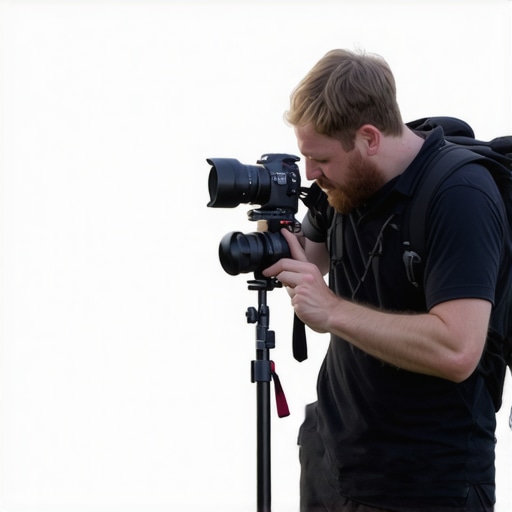
Image showing a professional support system with safety features engaged during outdoor shooting.
Test Before Critical Shots
Finally, always perform a quick stability test after mounting your camera. Gently nudge the camera to check for wobble—if it moves, tighten further. In one instance, I discovered a loose plate moments before a key shot, allowing me to rectify it seamlessly. Think of it as test-driving a vehicle before a long journey—ensuring everything’s secure for the road ahead.
In my experience, many enthusiasts and even seasoned professionals hold misconceptions about essential filmmaking gear like camera supports, film lighting, cinema projectors, cine lenses, and projection screens. Let’s challenge some of these beliefs and uncover hidden complexities that can make or break your production quality.
Are Cheaper Supports Virtually As Stable as High-End Ones?Maintaining your camera support equipment—such as tripods, cine lenses, and projection screens—is crucial for ensuring long-term reliability and optimal performance. Durable support gear reduces equipment failure during critical moments and saves you money over time. I personally rely on a combination of high-quality support systems and diligent maintenance routines to keep my gear functioning flawlessly. Regular cleaning with quality lens wipes and inspecting mounting plates for wear are habits I recommend to all filmmakers and photographers.
Investing in reputable brands like Gitzo or Manfrotto for support systems has been a game-changer for me, providing durability and compatibility. When it comes to cine lenses, I make sure to follow manufacturer-specific maintenance schedules, including optical cleaning and proper storage to prevent fungus growth. For projection screens, ensuring they are kept clean and stored in climate-controlled environments extends their lifespan.
Looking ahead, the trend is moving toward smarter support gear integrated with electronic stabilization features and modular designs that adapt to various shooting environments. This evolution will require even more attentive maintenance routines, including firmware updates for support accessories that incorporate electronic components.
How do I maintain my camera support and accessories over time?
Here’s what works for me: regularly inspect support joints and locking mechanisms, apply manufacturer-recommended lubricants, and keep support surfaces clean from dust and debris. For cine lenses, I use [compressed air](https://cinegearguide.com/contact-us) to clear out dust from delicate optical elements, ensuring pristine image quality. Swapping out worn support plates with OEM parts prevents wobbling during shoots.
Don’t forget to calibrate digital support systems annually to maintain accuracy—especially if they’re integrated with electronic stabilization or tracking features. Keep a detailed maintenance log to track when specific components were serviced or replaced; this ensures nothing gets overlooked.
Scaling your support setup? Modular rigs and adaptable support systems are key. Consider upgrading support rods and mounting plates to heavier-duty options as your gear and project complexity grow. This proactive approach reduces downtime and keeps your workflow seamless during intense shooting schedules.
In the future, expect AI-driven support devices capable of predictive maintenance, alerting you before issues arise. Staying ahead means embracing technology and developing rigorous maintenance habits now. Try setting a monthly schedule to inspect and service your critical support gear—your camera’s stability depends on it.
What I Wish I Knew Before Relying on Cheap Supports
Early in my filmmaking journey, I believed that investing in affordable camera support gear was a cost-effective choice. However, I quickly learned that the stability and durability of your support system directly influence your footage quality. Using subpar plates or quick-release mechanisms often led to unexpected wobbling during critical shots, costing me time and effort. The lightbulb moment was realizing that premium, purpose-built support gear not only enhances stability but also reduces long-term expenses by preventing equipment failures.
How Overlooking Regular Maintenance Can Cost You
Routine checks might seem trivial, but neglecting them led to jittery shots and mid-shoot adjustments. I found that creating a regular maintenance schedule — inspecting joints, tightening fasteners, and cleaning support surfaces — dramatically improved shot consistency. Think of it like tuning a musical instrument; consistent upkeep ensures your support system performs reliably, saving you from last-minute surprises.
The Connection Between Support Equipment and Creative Freedom
When my support setup was flimsy, I hesitated to push the boundaries of my shots. After upgrading to high-quality, compatible components, I gained confidence to experiment with dynamic camera movements without fear of wobble or failure. Reliable support gear empowers filmmakers to focus on storytelling and composition, knowing their equipment can handle creative risks. It’s like giving your camera a sturdy backbone, so your visions come to life seamlessly.
Curated Gems That Elevated My Support Game
Personal experience has shown that investing in trusted brands like Gitzo and Manfrotto delivers the durability and fit I rely on every shoot. Additionally, reading comprehensive guides on cine lenses and film lighting techniques has deepened my understanding of supporting tools’ role in overall production quality. These resources have been instrumental in refining my gear choices and maintenance routines.
Seize the Opportunity to Elevate Your Craft
Mastering the art of maintaining and upgrading your camera support system is a game-changer. Every shot becomes more confident, and your creative possibilities expand when your gear performs flawlessly. Don’t settle for shaky footage or last-minute fixes — invest in quality, practice routine maintenance, and embrace ongoing learning. Your film deserves support that keeps up with your vision. Ready to strengthen your foundation? Dive deeper into support gear tips and tricks and take your filmmaking to the next level. What’s been your biggest challenge with camera stabilization? Let me know below!.
About the Author
James Duke
ThinkOTS
James Duke is a seasoned professional in the creative production industry, bringing a wealth of technical knowledge and hands-on experience to cinegearguide.com. As a key figure at ThinkOTS, James has spent years navigating the complexities of high-end production environments, where selecting the right equipment is the difference between a successful shoot and a logistical failure. His expertise spans the full spectrum of cinematography gear, from advanced camera systems to the intricate accessories that define modern filmmaking. On cinegearguide.com, James leverages his deep understanding of the industry to provide authoritative insights, gear reviews, and technical guides. He is known for his ability to break down complex specifications into practical, actionable advice for filmmakers of all levels. His perspective is rooted in the real-world application of technology, ensuring that every recommendation is backed by professional standards. James is dedicated to empowering the filmmaking community by sharing his expertise, helping others navigate the ever-evolving landscape of cinema technology with confidence and clarity.
LinkedIn Profile