
I’ll never forget the first time I trusted auto gain control during a crucial shoot. The scene was lit perfectly, and I was excited to capture clear audio. But as the take played back, all I heard was a jarring surge of volume—sometimes too quiet, sometimes painfully loud—leaving me scrambling to fix the mess in post. That moment was a real eye-opener about the pitfalls of automatic audio adjustments, and I quickly realized I wasn’t alone in this struggle.
Eliminating the Guesswork: The Honest Truth About Auto Gain Control
Many filmmakers, especially those starting out, reach for auto gain control because it promises to handle fluctuating sound levels without additional effort. It sounds convenient, right? However, this convenience often comes at a hefty cost: unpredictable audio that can ruin your project’s quality and your peace of mind. Over time, I discovered that manual audio techniques, combined with the right equipment, offer greater control and clarity—something worth fighting for in cinematic storytelling.
Is Auto Gain Control Actually Worth the Hype?
Early in my career, I made the mistake of trusting auto gain on a busy outdoor shoot. The mic would frequently change volume levels as I moved around, causing me to either miss vital sounds or deal with clipping during loud moments. This experience left me questioning whether auto gain really benefits filmmakers or if it’s just a crutch that can backfire unexpectedly. According to audio experts, reliance on auto gain can introduce more problems than it solves, especially in controlled film environments where precision matters. (source: CineGear Guide)
Now, I always recommend understanding the nuances of your audio gear and learning to manually set your levels. Not only does this save time in post-production, but it also ensures your sound remains consistent and professional, elevating the overall quality of your work.
If this resonates with you—perhaps you’ve faced similar challenges or frustrations—then stick around. The upcoming sections will walk you through the practical steps to ditch auto gain control and take full command of your film’s audio landscape.
Start with Knowing Your Equipment
Before you hit record, familiarize yourself with your microphone’s gain settings and your audio interface. A quick test recording helps you understand how loud sounds translate into signal levels on your meters. For example, during a recent outdoor shoot, I set my handheld mic’s gain low enough to prevent clipping during loud ambient noises, which I learned by doing a quick test in the same environment. This foundation prevents scenes from becoming distorted or too quiet, saving hours of post-production work.
Set Your Base Levels
Establish a Standard Reference
Adjust your input levels so that the quietest spoken words hit around -12dB, while loud sounds peak at no more than -3dB. Think of this as calibrating your projector before a screening—getting the focus right makes all subsequent frames crisp. During a documentary shoot, I watched my meters carefully and set my gain so that my talent’s normal speech hovered around -6dB; this ensured room for dynamic range without risking saturation.
Use Indicators on Your Equipment
Leverage your audio meters or level indicators to maintain consistent levels across takes. For instance, when recording interviews, I kept my levels steady within the green zone, only touching gain if I noticed sudden jumps. This consistency helps ensure your sound remains even and predictable in the final mix.
Utilize Test Recordings to Fine-Tune
Perform test runs, especially in variable environments. During a recent shoot in a bustling café, I recorded a short clip and played it back immediately. I noticed some sections had clipping because I increased the gain too much. After reducing it slightly, subsequent takes came out clean. Think of this as checking your projection before the real show; it helps you catch issues early.
Adjust for Movement and Environment Changes
Monitor your levels continuously, especially if your subjects or environment are dynamic. During a wedding shoot, I adjusted my gain when moving from a quiet reception to a lively dance floor. This proactive approach prevents surprises like distorted vocals or unnoticed background noise, ensuring your audio remains crisp regardless of scene changes.
Implement a Manual Gain Control Routine
Create a habit of manually setting your levels at the start of each shot and adjusting as needed, rather than relying on auto settings. During an outdoor interview, I manually increased gain after a gust of wind, then returned it once the breeze subsided. This hands-on control allows for nuanced adjustments and prevents unpredictable shifts that auto gain might introduce.
Document Your Settings
Keep a record of your gain settings for different scenes or environments. For example, I note my ideal gain levels for indoor vs. outdoor shoots, so I can quickly calibrate without guesswork. This practice streamlines your workflow and ensures consistency across multiple takes or projects.
By applying these precise steps, you’ll eliminate the unpredictability of auto gain and gain full control over your audio. This approach results in cleaner, more professional sound, letting your visuals shine without the distraction of inconsistent or distorted audio.
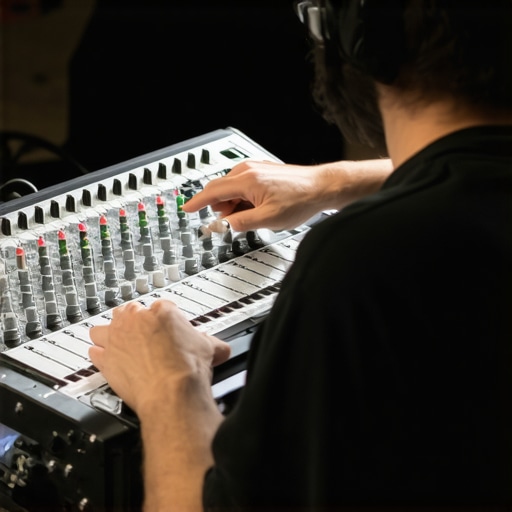
When it comes to professional filmmaking, enthusiasts often focus on the shiny, high-tech gear—cameras, lenses, lighting—that immediately catches the eye. However, beneath the surface lies a set of nuanced details that can make or break a production, yet are frequently misunderstood or overlooked. Let’s dig deeper into some of these hidden nuances and challenge common assumptions that many filmmakers hold about support systems, cine lenses, lighting, projectors, and screens.
Are Your Camera Supports Truly Stabilizing or Just Distracting?
Many assume that investing in the most expensive support gear guarantees perfectly smooth shots. But in my experience, the real key is how you use your supports. For instance, lightweight tripods paired with proper counterweights provide better stability than bulky rigs that are difficult to maneuver. Additionally, quick-release plates often seem like a convenience but can introduce subtle misalignments if not secured properly, affecting focus and composition. For more insights into effectively stabilizing your camera, see this comprehensive guide.
The Myth of the Perfect Cine Lens
Everyone says cine lenses are designed for perfection, but in reality, the choice depends on understanding the nuances of lens coatings, flare control, and focus fall-off. There’s a misconception that all cine lenses are inherently better than photo lenses; however, some budget cine optics may introduce undesirable chromatic aberrations or color shifts, especially at wide apertures. Knowing how to select and test lenses in specific scenarios is crucial, which you can learn more about at this detailed explanation. And don’t forget—sometimes vintage glass offers character that modern lenses can’t replicate.
Have you ever fallen into the trap of thinking that purchasing the most ‘professional’ lens guarantees cinematic quality? Let me know in the comments.
Film Lighting: Beyond the Surface Level
While it’s tempting to think that high-lumen LEDs automatically produce better images, the real nuance lies in light quality, color rendering, and modulation capabilities. Many filmmakers underestimate the importance of adjustable color temperature and spectral balance, which can drastically influence skin tones and overall mood. Over-reliance on cheap softboxes can lead to uneven, flat lighting that kills depth. For advanced lighting techniques that elevate your cinematography, check this resource. Furthermore, understanding flicker frequencies and how they interact with camera shutter speeds can save your shot from flickering nightmares.
Is your lighting setup truly serving your creative vision, or just filling the space with unnecessary brightness? Share your thoughts below.
Cinema Projectors and Screens: The Overlooked Details
Projection technology is often cherry-picked based on specs like lumens or contrast ratios, but the real secrets are hidden in screen gain and material quality. A common trap is assuming high-gain screens always improve brightness; in fact, they can cause hotspotting and restrict viewing angles, which diminishes the audience experience. Similarly, some believe digital projectors are a one-size-fits-all solution, yet their color accuracy and uniformity can vary widely depending on calibration and environment. For instance, ambient light, reflective surfaces, and screen tension affect image quality significantly. Dive into selecting and maintaining optimal projection setups with guidance from this expert piece. Remember, proper integration of projector and screen setups is an art in itself.
Have you encountered surprises due to overlooked projector-screen compatibility? Comment below and share your experiences.
In conclusion, every piece of equipment in filmmaking carries nuanced considerations that can elevate or diminish the final product. Forgetting these details often results in costly reworks or compromised visuals. The more you understand these subtle factors, the more refined your craft becomes. To explore more about these hidden details, explore our expert resources. Don’t let superficial specs fool you—mastering nuances is what separates amateurs from professionals.
Keep Your Equipment in Prime Condition
Investing in quality gear is only half the battle; proper maintenance ensures longevity and consistent performance. For camera supports, regular cleaning and lubrication prevent wear and wobble. Use a microfiber cloth and a gentle lubricant approved by manufacturers, avoiding household oils that can damage components. Cine lenses require meticulous cleaning—never touch the glass with your fingers; instead, use a lens cleaning solution and specialized cloths. Remember to check for fungus, dust, or scratches that can degrade image quality over time, as detailed in this resource. Regular inspection extends the lifespan of your lenses and prevents costly replacements.
Gear Up with Reliable Tools and Software
For lighting, I rely on the Aputure Nova P600c—it’s versatile, offers adjustable color temperatures, and integrates seamlessly with control apps, facilitating precise lighting tweaks on set. When it comes to projection screens, choosing matte white surfaces with consistent gain ensures uniform images, as recommended in this guide. Additionally, robust support for your camera—like the Tiffen DFX filters—helps shape your images in post, and applying their subtle color grading can be a game-changer.
Establish a Routine for Long-Term Results
Create a scheduled maintenance routine—monthly cleanings, checking for loose connections, and calibrating your monitors and projectors. For example, I calibrate my projector and screens every quarter using a colorimeter, which ensures consistent color fidelity. Similarly, regularly updating firmware and software drivers keeps your devices running smoothly and unlocks new features, like improved stabilization or color profiles. These routines prevent unexpected breakdowns and maintain a professional standard in your productions.
How Do I Keep My Support Systems Reliable Over Time?
Properly maintaining your support gear is crucial. Check that tripods, gimbals, and mounts are free of dust and that quick-release mechanisms operate smoothly. Lubricate adjustable joints with manufacturer-approved products and replace worn-out parts promptly. For instance, I replace worn rubber feet on my tripod to prevent wobbling during critical shots, sourced from manufacturers like this trusted supplier. Keeping your support system tight and clean reduces shake and ensures flawless shots—an investment that pays off in the long run.
Scaling and Future-Proofing Your Investment
As your projects grow, so should your toolkit. Modular support systems and adjustable cine lenses allow for effortless upgrades. Anticipate trends like wireless synchronization or smart lighting control, which are becoming standard in professional setups. For example, integrating a wireless follow-focus unit can dramatically improve efficiency, especially in complex scenes. Stay informed by following this resource for tips on evolving your toolkit intelligently.
Incorporate these maintenance habits and tools into your workflow, and you’ll ensure your equipment remains reliable, impactful, and ready for future challenges. Take this opportunity to audit your current setup—perhaps replacing that aging support with a more precise, ergonomic model from this list. The key to cinematic mastery lies in caring for your tools just as much as your craft.
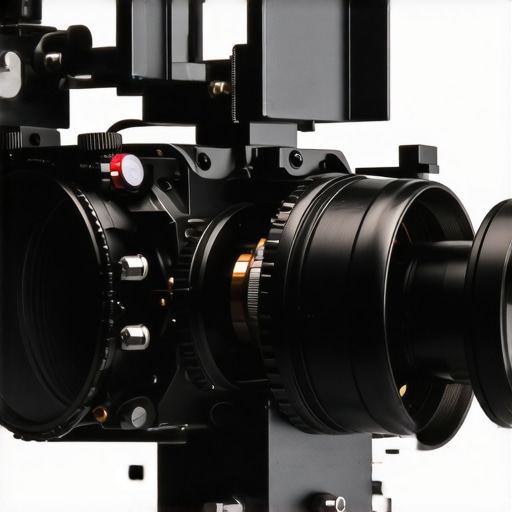
Lessons That Changed My Filmmaking Approach
- I once believed that investing in top-tier camera supports would eliminate all stabilization issues. Turns out, technique and setup matter just as much—I’ve learned that quick-release plates and lightweight rigs, used correctly, can outperform expensive stabilizers when handled with care.
- Choosing the perfect cine lens isn’t just about sharpness; I discovered that understanding lens coatings and focus fall-off can dramatically influence my storytelling. Vintage glass, once dismissed, now offers character that modern lenses often lack.
- Lighting is more than just brightness; adjustable spectral quality and control over color temperature have transformed how I shape mood and tone in scenes. Relying solely on lumen count is a recipe for flat images.
- Projection screens and projectors are often rated for brightness, but understanding gain and material quality has prevented me from costly mistakes—knowing when a high-gain screen becomes a hotspot can save hours of rework.
- Regular maintenance and calibration of my gear have proven to be invaluable. A well-looked-after setup ensures consistency across projects, whether it’s a delicate cine lens or a sturdy support rig.
Tools and Resources That Elevate My Craft
- CineGear Guide’s comprehensive explanations on selecting cine lenses helped me make informed choices that tailored to specific scenes, avoiding the trap of assuming price equals perfection. Check out their detailed guide.
- Understanding projection setup intricacies with expert advice on screens and projectors has improved my presentation quality, especially in challenging environments.
- For lighting mastery, techniques and tips from seasoned professionals have helped me craft moods that resonate.
- Reliable support gear from trusted brands and consistent maintenance routines keep my equipment performing flawlessly, reducing unexpected setbacks during critical shoots.
Embrace Your Journey as a Filmmaker
Remember, every detail—no matter how small—shapes your cinematic voice. Seamlessly integrating your understanding of supports, lenses, and lighting can unlock new levels of storytelling. Keep experimenting, stay curious, and let your passion guide your craft. Your next breakthrough might be just a setup adjustment away.
What’s one equipment nuance you’ve recently discovered that changed how you shoot? Share your story below and let’s learn together!
About the Author
James Duke
ThinkOTS
James Duke is a seasoned professional in the creative production industry, bringing a wealth of technical knowledge and hands-on experience to cinegearguide.com. As a key figure at ThinkOTS, James has spent years navigating the complexities of high-end production environments, where selecting the right equipment is the difference between a successful shoot and a logistical failure. His expertise spans the full spectrum of cinematography gear, from advanced camera systems to the intricate accessories that define modern filmmaking. On cinegearguide.com, James leverages his deep understanding of the industry to provide authoritative insights, gear reviews, and technical guides. He is known for his ability to break down complex specifications into practical, actionable advice for filmmakers of all levels. His perspective is rooted in the real-world application of technology, ensuring that every recommendation is backed by professional standards. James is dedicated to empowering the filmmaking community by sharing his expertise, helping others navigate the ever-evolving landscape of cinema technology with confidence and clarity.
LinkedIn Profile