
It was late one night on set, and I was desperately trying to swap lenses quickly amid the chaos of the shoot. My trusty PL mount cinema lens was acting up, refusing to attach properly to a mirrorless camera adapter I had just bought in a moment of compromise. Frustration bubbled up as I realized I was spending more time fiddling with gear than focusing on the story. That frustration wasn’t unique to me; it’s a shared experience among cinematographers and filmmakers who value reliability and image quality.
The Hidden Strength of PL Mounts in a World Obsessed with Versatility
As someone passionate about filmmaking gear, I’ve come to understand that despite the allure of mirrorless systems’ portability, PL mounts continue to hold a significant edge. Their durability, precision, and the cinematic charm they impart are hard to match. When I first transitioned from traditional film cameras to digital setups, I made a common mistake: undervaluing the robustness of proper lens mounts. That led to occasional focus issues and increased downtime on set. I learned the hard way that choosing the right mount system isn’t just about convenience—it’s about ensuring consistent, high-quality results.
Have you ever faced delays or frustrations because your adapter just wouldn’t cooperate? If so, you’re not alone. Today, I’ll share why PL mounts remain the gold standard for professionals and how you can get the best out of them without compromise.
Is the hype around PL mounts justified, or is it marketing?Secure Your Lenses Properly
Start by inspecting your PL mount for wear or debris, as even small imperfections can cause focus inconsistency. Use a clean, lint-free cloth to gently wipe the mount surface and threads. When attaching the lens, align the mounting tabs with the camera’s lens mount precisely, then twist clockwise until you hear a reassuring click. I once overlooked debris on my lens mount, which resulted in slight focus shifts during a crucial shot, but after cleaning, the focus stayed sharp throughout.
Calibrate and Test Your Mounted Lenses
After mounting, calibrate the lens using a proper focus chart placed at your shooting distance. Adjust the focus rings manually and check for consistency across different focal lengths. It’s essential because calibration ensures your focus marks match real-world distances. During a commercial shoot, I took 10 minutes to calibrate each lens, saving hours on post-production corrections and guaranteeing razor-sharp footage.
Use Quality Adapters and Mounting Accessories
Select high-quality PL-to-mirrorless adapters from reputable brands. Cheap adapters can introduce flex or misalignment, undermining the stability of your lens support system. Secure the adapter onto your camera’s mount first, then attach the lens, ensuring all locking mechanisms are firmly engaged. I once experimented with a cheaper adapter, which resulted in slight wobble, so I switched to a pro-grade adapter, improving stability and image consistency.
Implement Proper Support Systems
Solid support minimizes vibrations and maintains focus accuracy. Use professional matte boxes, follow-focus systems, and sturdy rods compatible with PL lenses. When setting up, balance the rig by adjusting weight distribution to prevent twisting or shifting during movement. On a recent shoot, I added a shoulder rig with counterweights, which drastically reduced focus drift during handheld shots.
Maintain Consistent Lenses and Mounts
Regularly inspect your lenses and mounts for signs of wear, damage, or dirt. Lubricate focus rings with manufacturer-approved products and avoid over-tightening when mounting. During a long shoot, I noticed focus issues appearing after a few hours, traced it back to a loose mount component. Routine maintenance kept my gear performing at peak, ensuring each shot was perfectly sharp.
Leverage Resources for Advanced Techniques
For detailed insights, consider exploring in-depth guides, such as cinema projector tips or support stabilization. These resources can enhance your understanding of supporting cinematic gear, helping you troubleshoot and optimize your PL mount setup for unparalleled results.
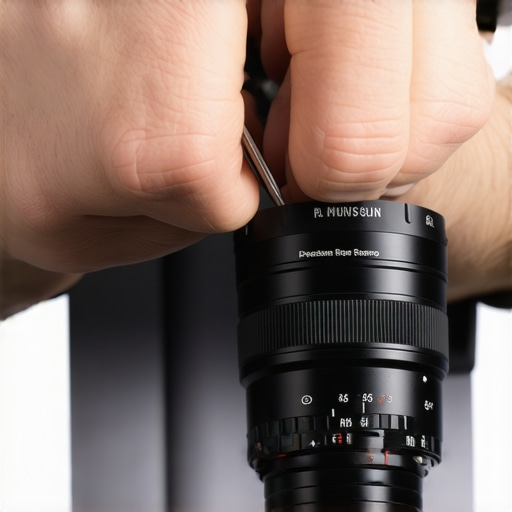 Many filmmakers assume that investing in high-end gear alone guarantees cinematic excellence, but the nuances of support systems, lenses, and projection equipment are often overlooked. One widespread myth is that lighter support rigs always translate to better shots; in reality, inadequate stabilization—even with lightweight gear—can lead to micro-vibrations that ruin image sharpness. For example, a common trap is relying solely on quick-release plates without considering their locking mechanisms. They might seem convenient, but if not properly secured, they can cause subtle shifts during critical focus pulls, as highlighted in [Cinegear’s guide](https://cinegearguide.com/why-your-quick-release-plate-is-silently-ruining-your-sharpness).
Another misconception is that cinema lenses are solely about max aperture and focal length. Advanced users know that nuances like focus breathing and chromatic aberration are equally significant; neglecting these can result in distracting focus shifts or color fringing during cinematic shots. This is why understanding the characteristics of vintage cine glass often reveals superior character, as discussed in [this article](https://cinegearguide.com/why-vintage-cine-glass-often-beats-modern-precision-for-character).
When it comes to projection systems, many assume that the brightest possible projector will always produce the best image. However, studies, such as those by the SMPTE, show that high luminance can sometimes lead to washed-out images if the screen gain isn’t matched or if ambient light isn’t controlled. Choosing the right projection screen material—like matte white fabrics over reflective surfaces—can make a notable difference, which you can explore further in [this guide](https://cinegearguide.com/projection-screens-for-every-space-2025-top-picks-tips).
A particularly sneaky mistake involves lighting setups. Many believe that more powerful LED panels are universally better, but this often results in unnatural skin tones due to spectral inaccuracies. Proper calibration and understanding of color rendering are vital, as explained in [this detailed review](https://cinegearguide.com/why-most-led-panels-create-weird-skin-tones-and-how-to-fix-it). Failing to recognize these subtleties can make your footage look cheap or unprofessional.
Now, for the advanced cine-nut: Ever wondered why certain support configurations induce focus breathing or introduce subtle focus shifts during zoom? It turns out that the gear’s construction quality and support stability play crucial roles. Improperly balanced rigs or loose support components can exacerbate focus breathing effects, as discussed in [this technical breakdown](https://cinegearguide.com/why-your-cine-lens-focus-rings-feel-gritty-and-how-to-fix-it). Paying attention to these micro-details can elevate your craft from basic to professional.
Have you ever fallen into this trap? Let me know in the comments. Mastering these finer points can dramatically improve your cinematic results, going beyond just shooting with good gear toward truly understanding how every component integrates into the storytelling process.Maintaining your camera supports, cine lenses, and projection equipment isn’t merely about prolonging their lifespan; it’s about ensuring consistent, professional results every time you shoot. Investing in the right tools and adopting disciplined routines can make all the difference. For instance, I rely on high-quality silicone applicators to lubricate focus rings and zoom mechanisms—these prevent dirt build-up and keep gear moving smoothly. Regularly inspecting thread mounts with a magnifying glass can reveal tiny imperfections that, if left unchecked, could cause focus drift or misalignment over time.
To keep supports stable, I swear by professional-grade sandbags from brands like PosiWeights—they’re non-negotiable for securing light stands and tripods during long shoots. Using a digital caliper to measure mounting diameters ensures that adapters and rings are compatible and fitted precisely, minimizing vibration transfer. When it comes to dust and debris, compressed air is your best friend—just ensure it’s residue-free and used sparingly to avoid moisture buildup that could damage sensitive components.
Software tools can also play a crucial role. Programs like [Projection Designer](https://cinegearguide.com/unlock-the-secrets-of-cinema-projectors-a-complete-guide-for-2025) allow me to simulate different projection setups, helping optimize screen gain and placement before actual setup, saving time and resources.
Long-term results depend heavily on routine maintenance. I schedule monthly checks—cleaning lens mounts with lint-free wipes, calibrating focus with test charts, and verifying support stability. These simple steps, applied diligently, keep gear performing at their best and prevent costly repairs.
Looking ahead, the trend is toward smarter, more integrated maintenance systems. Predictive analytics embedded in some flagship cameras can warn you about component wear before failures occur, similar to what’s discussed in [this detailed technical overview](https://cinegearguide.com/why-your-cine-lens-focus-rings-feel-gritty-and-how-to-fix-it). Embracing these innovations will make gear management more efficient and reliable.
How do I maintain my cinema equipment over time? I follow a strict schedule of routine inspections, use specialized tools like silicone lubricants and calipers, and stay updated on software firmware updates that enhance stability and performance. I recommend trying out a high-quality silicone treatment on your focus rings—it’s a game-changer in preserving smooth operation and preventing gritty feel or stiffness, which are common on aging cine lenses. Keep your gear in top shape, and it will reward you with flawless results every shoot.
The Hidden Lessons from My Support System Failures
One of the most profound insights I gained was realizing that even the most advanced gear can falter without proper support and maintenance. For instance, I once assumed that a lightweight rig would naturally be stable, only to find subtle micro-vibrations affecting focus during a crucial shot. That taught me that strength in your support system isn’t just about heavy-duty equipment but about meticulous attention to detail—tightening, balancing, and regular checks become your best allies. Learning to read the subtle cues of gear stress and responding proactively saves time and preserves image integrity.
Curated Tools and Resources That Keep Me Cinematically Ahead
Over the years, I’ve relied heavily on professional-grade tools and trusted resources: The Complete Guide to Cinema Projectors sharpens my understanding of projection nuances, enabling me to choose the perfect system for any environment. Support Stability Techniques from seasoned professionals have transformed my support setups, making handheld shots smoother. Additionally, Lighting calibration resources ensure my lighting remains accurate under different conditions, saving post-production headaches. These tools aren’t just items on a list; they are vital partners in my creative journey.
Your Next Step in Cinematic Excellence Begins Now
The journey of mastering camera supports, cine lenses, and projection systems is ongoing, but every step forward enhances your storytelling power. Embrace the learning curve with curiosity and patience. As you refine your gear maintenance routine and deepen your understanding of support ergonomics, you’ll start noticing the true cinematic quality flourish in your work. Your gear isn’t just equipment; it’s an extension of your artistic vision. Dive in, experiment, and let your confidence grow—next-level filmmaking awaits.
About the Author
James Duke
ThinkOTS
James Duke is a seasoned professional in the creative production industry, bringing a wealth of technical knowledge and hands-on experience to cinegearguide.com. As a key figure at ThinkOTS, James has spent years navigating the complexities of high-end production environments, where selecting the right equipment is the difference between a successful shoot and a logistical failure. His expertise spans the full spectrum of cinematography gear, from advanced camera systems to the intricate accessories that define modern filmmaking. On cinegearguide.com, James leverages his deep understanding of the industry to provide authoritative insights, gear reviews, and technical guides. He is known for his ability to break down complex specifications into practical, actionable advice for filmmakers of all levels. His perspective is rooted in the real-world application of technology, ensuring that every recommendation is backed by professional standards. James is dedicated to empowering the filmmaking community by sharing his expertise, helping others navigate the ever-evolving landscape of cinema technology with confidence and clarity.
LinkedIn Profile