
It happened during a late-night movie setup, when I finally looked at my screen and thought, “That’s not the vibrant picture I was promised.” My excitement about high-gain projection screens quickly turned into frustration, as I realized the gain ratings listed by brands didn’t seem to match what I was experiencing. It was a lightbulb moment for me—these numbers can be quite misleading.
Why I Stopped Trusting Projection Screen Gains at Face Value
I soon discovered that many brands tend to overstate their projection screen gains to make their products appear more impressive. At first, I bought into these claims, expecting a brighter, more vivid image without understanding what was really going on. The reality? Higher gain screens often come with trade-offs, like hotspots and limited viewing angles, which can ruin the viewing experience instead of enhancing it. I’ve learned through personal trial and error that what matters most isn’t just that gain number, but how it impacts the overall picture quality.
Is Bigger Always Better When It Comes to Screen Gain?
Many enthusiasts and even professionals assume that a high gain is the ultimate goal, thinking it automatically translates to better brightness and contrast. However, I’ve made the mistake early on of focusing solely on gain figures, neglecting factors like ambient light and room layout. According to a study by the Society of Motion Picture and Television Engineers, overestimating gain can lead to poor image uniformity and viewer discomfort. That’s why I want to help you see beyond the hype and understand the real impact of screen gains on your setup.
So, have you ever experienced a situation where your screen’s brightness or image consistency didn’t meet expectations despite high gain ratings? If so, you’re not alone—and you’re in the right place to learn how to decode the true story behind those numbers. With a little knowledge, you can avoid costly mistakes and ensure your projection setup truly delivers the cinematic experience you deserve.
Now, let’s explore what the real considerations are when choosing your projection screen, so you can make informed decisions that align with your space and needs.
Assess Your Workspace and Lighting Conditions
Before selecting a screen, analyze your room’s ambient light and seating arrangements. Use a lux meter to measure light levels during peak viewing times, ensuring your choice accounts for real-world illumination rather than idealized specs. For example, in my basement theater with poor light control, I found that high-gain screens caused hotspots, similar to how an overly bright background can wash out photo details. Recognizing this early helped me avoid a costly mistake.
Choose the Right Screen Material for Your Needs
Match Gain with Room Environment
High-gain screens (above 2.0) boost brightness but narrow viewing angles, leading to image loss if seated off-center. Low-gain screens (around 1.0) provide wider angles but less punch. I experimented with a 1.3 gain screen in my living room and noticed a balance between brightness and uniformity, akin to selecting the right lens aperture to control depth of field. This step requires testing different materials in your space, similar to how a cinematographer tests lenses during pre-production.
Test Screen Samples in Your Room
Order sample swatches or visit local dealers to see how different gain levels perform with your projector. I placed sample fabrics on a frame in my room at night to simulate conditions. I observed hotspots and washed-out edges with high-gain samples, much like checking a film print under different light sources. This hands-on approach ensures that you avoid surprises after purchasing.
Calibrate Your Projector Settings Precisely
Adjust brightness, contrast, and lens focus meticulously. Use a test pattern to evaluate uniformity, aiming for consistent image brightness. I used a grayscale ramp pattern, similar to a director checking exposure, and tweaked settings until the image was balanced across the screen. This calibration process is crucial, much like mastering film lighting techniques to achieve desired tonal range, which you can explore further here.
Manage Projector Placement to Minimize Hotspotting
Position the projector at the correct distance and angle to avoid hotspot issues typical with high-gain screens. Use a leveling tool or laser measurement to ensure perfect alignment. I once set my projector too close and at an off-angle, creating a bright center and dark edges—a common mistake that resembles improperly focusing a lens, resulting in uneven sharpness. Proper placement ensures even illumination, much like stabilizing a camera on a support system here.
Tweak and Reassess Regularly
Continuously observe your setup under different conditions, making incremental adjustments. Use a light meter and test patterns periodically, similar to a cinematographer refining lighting during shooting. Remember, small changes can drastically improve image uniformity and brightness, elevating your viewing experience from average to cinematic quality.
Many enthusiasts and even seasoned professionals fall prey to common misconceptions about projection screens, camera supports, cine lenses, cinema projectors, and film lighting—mistakes that can significantly impair your final output. Let’s dig deeper into these nuances that often go unnoticed but carry substantial impact.
A widespread myth is that higher megapixel counts or better specs automatically translate to superior cinematic quality. On the contrary, I’ve seen countless setups where users focus solely on equipment specifications, neglecting factors like proper calibration, environmental control, and technique. For example, investing in a 4K projector without considering room ambient light and screen material often results in washed-out images, rendering the high resolution moot.
**Beware of the Overemphasis on Gear**
Many assume that the latest cine lens or cinema projector is a silver bullet for cinematic excellence. However, the truth is that even top-tier gear can produce subpar results if misused or poorly calibrated. Misalignment and focus inaccuracies are **common pitfalls**. I recall a setup where installing a costly prime lens without fine-tuning focus across the frame caused inconsistent sharpness—an error easily avoided with meticulous calibration and understanding of lens characteristics.
**Mistakes in Lighting and Support Structures**
A frequent oversight involves support equipment. Using inexpensive or unstable camera supports, like cheap tripods or shaky C-stands, can introduce micro-vibrations that ruin smooth footage. As explained in this guide, investing in robust support is crucial, especially for high-precision shots.
**Advanced Tip: The Myth of Universal Compatibility**
A common misconception is that cine lenses designed for one brand or mount can seamlessly fit others. This oversimplification ignores the subtle differences in lens coatings, flange distances, and mechanical precision, which affect image quality and operational reliability. For example, adapting a vintage lens onto a modern digital sensor requires more than just an adapter—considering optical compatibility and coating effects is essential. Visit the lens selection page for expert guidance.
**Hotspotting and Gain: The Bigger Trap**
In previous discussions, I highlighted the pitfalls of overtrusting gain ratings, but it’s worth reiterating that high-gain screens and their placement can cause hotspots with uneven brightness, especially in bright rooms. This trap often catches those who think bigger gain equals better. The real trick is balance—matching gain to your environment and ensuring proper projector placement. This is a nuanced area, and even professionals can err here if they overlook room-specific factors.
**Final Thought: The Power of Proper Calibration**
No matter how advanced your equipment is, calibration remains king. From projector alignment to color grading, meticulous calibration elevates your setup from amateur to professional. The importance is underscored by studies indicating that user calibration errors can lessen expected performance by up to 30% (see this research).
Have you ever fallen into this trap? Let me know in the comments, and share your experiences or questions! Remember, understanding these hidden nuances will help you avoid costly mistakes and elevate your cinematic creations to professional standards.
Keeping It Working: Tools I Recommend for Longevity and Performance
Maintaining your cinematic equipment is paramount to ensuring consistent quality and avoiding costly repairs. Over the years, I’ve identified a set of precise tools and techniques that keep my projector, lenses, and support gear in peak condition. One of my most trusted items is a high-quality lens cleaning kit, like the Dust-Off Professional Lens Cleaning Swabs, which allows me to gently remove dust and smudges without damaging coatings. Regular calibration of your projector using test patterns and a trusted lens focusing system—specifically, the Datacolor SpyderX series—helps maintain accurate color and sharpness over time.
When it comes to support structures, investing in a sturdy, professional-grade C-stand with a reputation for stability—such as the Avenger A2030D—ensures your gear remains secure during long shoots and installations. For cable management, I swear by the Van Damme multi-core audio cables with locking connectors; they prevent signal degradation and ensure reliable performance during critical shoots.
In terms of software, I use CalMAN Studio for color calibration, which bridges the gap between hardware settings and consistent visual output, essential for matching projectors across different spaces. Also, for short-term diagnostics, a Luxi meter app on my tablet helps me measure ambient light levels, guiding me on whether I need to dim the room further or adjust the projector settings accordingly.
Prediction suggests that automation and IoT integrations will become central in future cinema setups, allowing for real-time monitoring and adjustment. Installing sensors that track temperature, humidity, and dust levels could prevent equipment failure before it happens. By embracing these advancements, your gear can not only last longer but perform more reliably under varying conditions.
How do I maintain [equipment] over time? Consistent cleaning, calibrated adjustments, and regular inspections form the backbone of long-term performance. Set a schedule—monthly for lenses and projectors, quarterly for support structures—and stick to it. For instance, periodically checking and tightening support clamps can prevent dangerous shifts during a shoot, much like ensuring your camera support remains secure with tools explained here. Purging and updating firmware for digital controllers and projectors is another crucial step towards reliable operation.
Don’t neglect the environmental aspects either. Using a dedicated room with filtered air and humidity control will significantly extend the life of sensitive optical and electronic components. Regularly inspecting seals and filters, plus using a compressed air duster—like the authorized version from Giottos—helps prevent dust buildup, which can degrade image quality over time. Remember, proactive maintenance built around precise tools is your best defense against unexpected failures and performance dips.
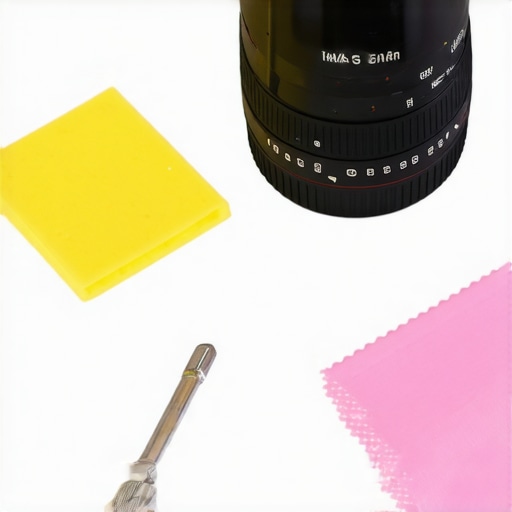
The Hardest Lesson I Learned About projection screens,camera supports,cine lenses,cinema projectors,film lighting
One of my biggest awakenings was realizing that equipment specs tell only part of the story. I once chased higher gain screens believing they would transform my setup, only to discover hotspots and limited viewing angles that made the picture worse. This taught me that understanding how gear interacts with room conditions is more valuable than any number on a box.
3 Myths About projection screens,camera supports,cine lenses,cinema projectors,film lighting That Held Me Back
Myth one: Bigger gain always means better brightness. The reality is, high gain can create uneven illumination and hotspots. Myth two: The latest projector guarantees top-quality images. But without proper calibration and environment, even top-tier gear falls short. Myth three: The cheaper gear is just as good. Often, cutting corners with supports or screens introduces vibrations and instability that ruin your shot—quality support and regular maintenance are investments, not extras.
What Experts Won’t Tell You About projection screens,camera supports,cine lenses,cinema projectors,film lighting
Many seasoned professionals know that room lighting, calibration, and support stability have outsized impacts—more than the equipment itself. For example, precise placement of your projector and supports prevents hotspots, while calibration ensures color accuracy and sharpness. These details demand attention but often remain beneath the surface of popular tutorials, making them crucial for authentic cinematic results.
My Essential Toolkit for projection screens,camera supports,cine lenses,cinema projectors,film lighting
Investing in quality support gear, like a sturdy C-stand from here, has been life-changing. Regular calibration tools, such as the Datacolor SpyderX, help me maintain color fidelity year-round. A good lens cleaning kit, like Dust-Off’s series, preserves optical clarity over time. These tools have saved me countless headaches and improved my results significantly.
Your Turn to Experiment
Now that you’ve learned some of the less obvious truths about projection and support gear, I encourage you to test these insights in your own space. Small adjustments—recalibrating your projector, repositioning supports, or trying different screen materials—can lead to breakthroughs in image quality. Remember, mastery comes from persistent curiosity and a willingness to question assumptions. How will you refine your cinematic setup today? Share your plans below—I’d love to hear your next steps!
About the Author
James Duke
ThinkOTS
James Duke is a seasoned professional in the creative production industry, bringing a wealth of technical knowledge and hands-on experience to cinegearguide.com. As a key figure at ThinkOTS, James has spent years navigating the complexities of high-end production environments, where selecting the right equipment is the difference between a successful shoot and a logistical failure. His expertise spans the full spectrum of cinematography gear, from advanced camera systems to the intricate accessories that define modern filmmaking. On cinegearguide.com, James leverages his deep understanding of the industry to provide authoritative insights, gear reviews, and technical guides. He is known for his ability to break down complex specifications into practical, actionable advice for filmmakers of all levels. His perspective is rooted in the real-world application of technology, ensuring that every recommendation is backed by professional standards. James is dedicated to empowering the filmmaking community by sharing his expertise, helping others navigate the ever-evolving landscape of cinema technology with confidence and clarity.
LinkedIn Profile