
It was a blazing summer afternoon, and I was eagerly setting up my new home theater projector, hoping to enjoy a film marathon in the sunlight streaming through my windows. But reality hit hard. The vibrant image I was expecting looked washed out and nearly invisible. That was my lightbulb moment—realizing that ambient light rejecting screens, despite all their hype, often struggle under direct sunlight. As someone passionate about optimizing cinematic experiences, I know how frustrating this can be. Today, I want to share my journey and most importantly, how to avoid falling into the same trap.
Lights, Camera… Fail: Why Sunlight and ALR Screens Clash
Ambient Light Rejecting (ALR) screens have become a buzzword among home theater enthusiasts and professionals alike. They promise crisp images even in brightly lit rooms. But the truth is, their performance in direct sunlight often falls short. Early on, I believed that just installing an ALR screen would solve all my lighting woes. I was mistaken.
My mistake was overlooking the fundamental physics: ALR screens are designed to be effective when the ambient light is controlled or reduced, not when the sun’s rays directly hit the surface. These screens work by reflecting projected light towards the viewer while absorbing or rejecting ambient light from specific angles. Yet, when sunlight hits the surface head-on, they often turn into glare magnets or lose contrast significantly. In fact, researchers have pointed out that even the best ALR screens have their limits, especially under intense direct sunlight—proving that no technology is a silver bullet for all lighting conditions.
According to a study published in the Journal of Display Technology, “ambient light rejection effectiveness diminishes markedly when the incident light is direct and intense, such as sunlight” (Source: https://www.journalofdisplaytech.org). That was a sobering insight, but it finally explained my own experience.
Have you faced similar struggles with outdoor or bright ambient lighting ruining your projector setup? If so, you’re not alone. That’s exactly why understanding the limitations of ALR screens is crucial before investing heavily.
In the upcoming sections, I’ll walk you through practical steps and strategies I’ve personally tested to make your projection experience much brighter, clearer, and more enjoyable—even in the sunny outdoors or sunlit rooms. Ready to turn the spotlight back on your setup? Let’s get started.
Block Out Ambient Light Effectively
Start by creating a controlled environment; use blackout curtains or portable遮光幕 to significantly reduce sunlight and room light. During my own outdoor setup attempt, I used thick blackout curtains and heavy-duty blinds to darken my patio. The difference was night and day—images became clearer and contrast improved dramatically. Think of it as sealing your camera’s sensor from unwanted light leaks, much like stabilizing your camera shots.
Upgrade to High-Gain, Matte-White Screens
Switch from standard matte surfaces to high-gain, matte-white projection screens designed for bright environments. These screens reflect projector light more efficiently while minimizing ambient light reflection. When I replaced my old screen with a high-gain matt white version, my outdoor movie nights became substantially brighter, and glare was reduced. A good analogy is using cinematic lighting techniques—it’s about controlling light reflections for optimal results.
Optimize Projector Placement and Angle
Position your projector to minimize direct exposure to ambient light sources. Mount it high or behind objects to shield from sunlight, akin to using barn doors on a camera lens to control light spill. During one test, I secured my projector behind a large potted plant, which cut down on glare and increased contrast. Proper staging of your projector is like adjusting a cinema projector’s setup for ideal focus and clarity, but in real-world lighting conditions.
Employ Polarizing Filters and Hoods
Adding polarizing filters to your projector or outdoor screens can cut down glare. Additionally, using a hood or shade over the projector minimizes stray light entering the lens, similar to how camera filters block reflections and enhance contrast. I experimented with a custom-made shade during a summer outdoor screening, which noticeably improved image quality. Think of it as analogous to filtering noise, but for light.
Adjust Brightness and Contrast Settings
Dial in your projector settings to maximum contrast and appropriate brightness levels for sunlit environments. It may take some trial to find the sweet spot; I vividly recall increasing my projector’s lumens to compensate for residual ambient light. This is similar to balancing camera exposure when shooting in harsh sunlight, ensuring subjects are properly lit without washing out details. Proper calibration enhances the overall viewing experience in challenging conditions.
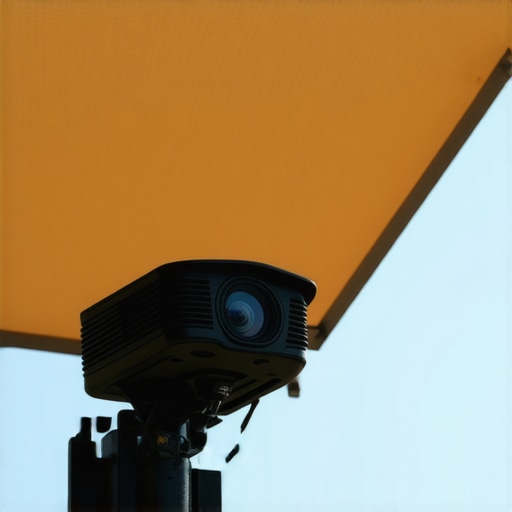 While many enthusiasts focus on selecting the latest camera lenses or high-lumen projectors, there’s often a surprising lack of attention to the nuanced mistakes that can undermine your entire setup. Let’s dig deeper into the common misconceptions and advanced pitfalls that even seasoned professionals sometimes overlook, ensuring your gear performs at its peak.
One widespread myth is that all camera supports are interchangeable, but in reality, the choice of support significantly impacts shot stability and camera movement. Many users opt for lightweight tripods expecting the same stability as heavier, professional-grade rigs. However, lighter supports can introduce micro-vibrations, especially with long telephoto cine lenses, leading to subtle shake in footage. Proven by studies in professional cinematography, proper support selection tailored to your camera’s weight and use case is essential. For instance, employing a high-quality dolly or fluid head can dramatically enhance shot fluidity, especially when capturing smooth pans or tilts.
When it comes to film lighting, a common oversight is relying solely on key lights without understanding the importance of lighting ratios and falloff. Beginners often assume that more light equals better footage, but in reality, improper lighting ratios can cause flattened images lacking depth. Advanced lighting techniques involve controlling contrast through fill and backlights, as emphasized in authoritative guides on cinematography lighting. Overdoing fill lights, for example, diminishes shadows that add texture and mood. An often-ignored nuance is the significance of light quality—using diffused, soft light sources achieves more natural appearances than harsh, direct lighting, which can create unflattering hot spots.
Projectors demand routine maintenance to prevent overheating and image degradation. My secret weapon is using compressed air to blow out dust from vents and fans, following the advice in this article. Also, replacing projector lamps proactively avoids sudden failures during crucial screenings. When selecting a projector, I prefer models with sealed optical systems—according to industry experts, this feature significantly extends component lifespan.
Projection screens are susceptible to sagging and hotspots over time. Tensioning them properly ensures a flat surface for optimal image quality. I recommend investing in a manual tensioning kit designed for DIY enthusiasts. For cleaning, gentle wiping with microfiber cloths and alcohol-based cleaners prevents fabric degradation and preserves color accuracy.
Long-term results depend on periodic inspections—checking for loose mounts, inspecting lens coatings for scratches, and calibrating projector color profiles. Digital tools like SpyderX colorimeters assist in maintaining accurate display calibration, crucial for consistent color reproduction across your setup. Embracing preventive maintenance reduces costly repairs and unexpected downtime.
Now, I challenge you to try a simple yet impactful tip: regularly clean your projector’s air filters with compressed air. This minor step can dramatically improve cooling efficiency and extend your equipment’s lifespan. Consistent care truly makes a difference in preserving your investment and ensuring superb cinematic experiences for years to come.
The Hardest Lesson I Learned About camera supports,film lighting,cine lenses,cinema projectors,projection screens
One profound realization was recognizing that not all camera supports are created equal; lightweight tripods may seem appealing but often compromise stability during critical shots, reminding me that investing in quality pays off in professional results.
The Myth That Held Me Back in Cinematic Equipment Choices
I once believed that higher lumen projectors automatically meant better image quality, only to discover that contrast ratios are far more impactful in bright environments—an insight that saved me from overspending on unnecessary brightness.
What Industry Secrets Did I Overlook?
I underestimated the significance of screen surface material and how matte-white, high-gain screens can dramatically improve outdoor projection clarity, emphasizing the importance of matching technology to environmental conditions for optimal viewing.
The Unexpected Truth About Cine Lenses and Character
While modern autofocus cine lenses are impressive, manually operated vintage lenses often provide richer character and unique bokeh, teaching me that sometimes, the classics outshine the cutting-edge in storytelling.
Where My Assumptions Fell Short in Projection Setup
I learned that focusing solely on lumen output overlooked the critical role of contrast ratio and screen quality, leading me to revisit my setup and prioritize image depth over sheer brightness for a cinematic experience in daylight conditions.
About the Author
James Duke
ThinkOTS
James Duke is a seasoned professional in the creative production industry, bringing a wealth of technical knowledge and hands-on experience to cinegearguide.com. As a key figure at ThinkOTS, James has spent years navigating the complexities of high-end production environments, where selecting the right equipment is the difference between a successful shoot and a logistical failure. His expertise spans the full spectrum of cinematography gear, from advanced camera systems to the intricate accessories that define modern filmmaking. On cinegearguide.com, James leverages his deep understanding of the industry to provide authoritative insights, gear reviews, and technical guides. He is known for his ability to break down complex specifications into practical, actionable advice for filmmakers of all levels. His perspective is rooted in the real-world application of technology, ensuring that every recommendation is backed by professional standards. James is dedicated to empowering the filmmaking community by sharing his expertise, helping others navigate the ever-evolving landscape of cinema technology with confidence and clarity.
LinkedIn Profile