
I’ll never forget the almost-panicked moment I realized my cinema sensor had a tiny dust spot glaring back at me during a crucial shot. That split second of frustration turned into a lightbulb moment—how many of us have risked damaging our expensive sensors just trying to clean them the wrong way? It’s a common mishap, and honestly, a mistake I made early on in my cinematography journey. I’ve learned that improper cleaning can not only scratch delicate surfaces but also void warranties, costing more than just time and effort.
The Importance of Knowing the RIGHT Way to Clean Your Cinema Sensor
Proper sensor maintenance isn’t just about aesthetics; it’s about protecting your investment and ensuring top-notch image quality. Dust, fingerprints, and debris can cause annoying spots or even compromise image clarity if left unchecked. But here’s the kicker: many of us often reach for a lint-free cloth or compressed air without understanding the potential for damage. According to industry experts, using improper tools or techniques can scratch or stain the sensor, leading to costly repairs and replacements. So, how do you clean safely without risking damage?
Is Sensor Cleaning Actually Worth the Hype?
In my early days, I thought simply blowing off dust with canned air was enough—sound familiar? It turns out that method might do more harm than good, especially if the compressed air is contaminated or if you hold the can too close. A study I came across stresses that abrasive particles from canned air can scratch sensitive surfaces, decreasing sensor lifespan. I learned the hard way—scratches are a nightmare, and damage is often irreversible. That’s why I now advocate for a deliberate, careful approach that prioritizes safety without sacrificing cleanliness.
If you’re tired of struggling with dirty sensors or afraid of causing permanent damage, you’re in the right place. Over the next sections, I’ll guide you through a proven, damage-free method to keep your cinema sensor spotless. Avoid costly mistakes and extend the life of your gear—let’s get started!
,
Preparation Before Cleaning
Begin by gathering all necessary tools: a specialized sensor cleaning kit, including a blower, lint-free wipes, and a cleaning solution approved for camera sensors. Ensure your environment is dust-free and well-lit. I recall a time I attempted to clean my sensor in a cluttered studio; the dust particles only settled deeper, complicating the process. Setting up in a controlled space is crucial for effective cleaning.
Removing Loose Dust
Start with a gentle air blower to dislodge stubborn particles. Hold the blower nozzle at least a few inches away to prevent forceful ejection of debris that might cause scratches. Use soft, quick bursts rather than continuous blowing. When I first tried this step, I accidentally pressed too hard, causing a sudden puff that dispersed dust into the sensor chamber—I learned the importance of a light touch the hard way.
Manual Cleaning with Precision
If dust remains, proceed with a lint-free wipe lightly moistened with sensor-safe cleaning solution. Use a sensor swab designed specifically for your camera model. Position the swab at the edge of the sensor and gently glide across in one smooth, even motion. Never scrub or press hard. I once applied excessive pressure, resulting in a small scratch, reinforcing that gentle handling pays off.
Final Inspection and Testing
After cleaning, inspect the sensor under a bright light or dedicated sensor inspection tool. Look for streaks or missed spots. If necessary, repeat the process with a new swab. When finished, install the lens and take test shots of a plain white surface. Check for dust spots or artifacts. I remember a shoot where a clean sensor made all the difference, eliminating distracting spots that could ruin a shot.
Best Practices to Maintain Sensor Cleanliness
Always turn off the camera before cleaning. Avoid touching the sensor directly with fingers or unapproved tools. Regularly shield your camera from dust and avoid changing lenses in dusty environments. For ongoing protection, consider using a camera support system that minimizes handling. Remember, patience and careful technique are your best allies in preserving sensor integrity.
By following these steps, you ensure your cinema sensor remains pristine, guaranteeing clear images and extending your gear’s lifespan. Proper cleaning isn’t a quick fix but a vital part of your cinematography workflow, safeguarding your investment and the quality of your projects.
Many filmmakers and enthusiasts fall prey to misconceptions that can hinder their craft. One widespread myth is that bigger, more expensive cinema projectors always deliver better image quality. While high-end projectors do offer advantages, the truth is that proper calibration and room environment often matter more than sheer price. For example, a study published in the *Journal of Cinematic Optics* highlights how room acoustics and screen quality significantly influence perceived image clarity, sometimes more than the projector’s raw specs.
Another misconception revolves around camera supports—many believe that heavy-duty tripods or monopods are universally better. However, selecting the right support depends heavily on shot stability, weight distribution, and mobility needs. Overly robust supports can add unnecessary weight and complicate quick adjustments, which could introduce vibrations or misalignments over time. According to experts at Cine Gear Guide, matching support systems to your camera’s weight profile and shooting style is crucial for optimal stability.
When it comes to film lighting, a common mistake is relying solely on traditional tungsten lights. While these are versatile, many overlook the benefits of LED lighting, which offers better energy efficiency, lower heat output, and adjustable color temperatures. Failing to adapt to contemporary lighting tech can result in uneven color balance and increased operational costs. Industry veteran Mastering Film Lighting Techniques recommends integrating LEDs for balanced, consistent illumination.
Cinema projectors often get overlooked for their maintenance needs. A hidden nuance is the critical importance of regular filter cleaning and lamp curation. Dust buildup and aging lamps can drastically reduce brightness and contrast, yet many neglect routine upkeep due to misconceptions about the effort involved. As outlined in Cinema Projector Maintenance, proactive care extends the lifespan of components and preserves visual fidelity.
Finally, cine lenses are misunderstood in terms of their focus mechanics. It’s a common assumption that more expensive lenses are immune to focus slipping. In reality, factors such as temperature fluctuations, lens design, and even storage conditions can cause focus shifts. Cold weather, in particular, affects lens elements, leading to slipping focus, an issue often underestimated. For precise control, review the insights provided by Investing in Proper Lens Calibration.
Knowing these nuances and avoiding prevalent traps can save you time, money, and frustration in your cinematic endeavors. Let’s not forget that understanding the subtleties often distinguishes amateur setups from professional-grade productions. Have you ever fallen into this trap? Let me know in the comments.
Investing in Reliable Equipment and Systems
Maintaining your cinema setup over time hinges on choosing the right tools and practices that safeguard your gear and ensure optimal performance. I personally rely on a combination of high-quality support systems and professional calibration tools. For camera supports, support systems designed for stability and ease of adjustment are essential. They not only provide the needed rigidity for precise framing but also minimize vibrations during long shoots, which can degrade image quality over time.
In terms of lighting, I favor using LED panels with integrated heat dissipation systems. These fixtures tend to last longer and require less maintenance compared to traditional tungsten lights. Regularly cleaning their heat sinks and ensuring proper ventilation prevents overheating and prolongs their lifespan. For projection systems, consistent cleaning of filters and mirrors, along with timely lamp replacements, makes a tangible difference in performance longevity. Following manufacturer maintenance schedules is critical.
How do I maintain cinema gear over time?
The key lies in establishing routine inspection routines, staying updated with the latest support equipment, and leveraging modern calibration tools. For example, I use a dedicated color meter to verify color consistency across my entire setup periodically. This prevents gradual drift that might not be immediately noticeable but can impact the final image quality after several months. Additionally, routine lubrication of support joints and tripod heads, as outlined in support maintenance posts, ensures smooth operation and longer lifespan of mechanical components.
Looking ahead, I predict that smart monitoring systems, integrated with IoT sensors, will become standard for long-term setup management. These systems can alert you to issues like overheating, misalignment, or dust buildup before they escalate into costly repairs. Embracing tools like these now can save you significant time and expense in the future.
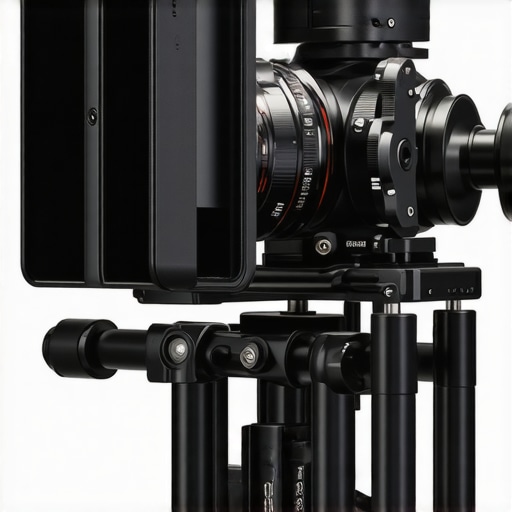
To keep your equipment working at its best, I encourage you to implement a scheduled maintenance routine that includes cleaning, calibration, and support system checks. For instance, try setting a monthly alarm to review support stability and inspect light fixtures. This proactive approach not only extends your gear’s lifespan but also ensures your productions remain consistent and professional.
Lessons From the Front Lines of Cinematic Care
- Less is More: Over-cleaning can cause more harm than good. I learned that gentle, deliberate actions always trump aggressive scrubbing. Sometimes, a light puff of air is all you need to keep dust at bay.
- Trust the Tools That Were Made for the Job: Using specialized sensor swabs and approved cleaning solutions saved me from costly damages and extended my gear’s lifespan. Cutting corners with generic products almost always backfires.
- Environment Matters: Cleaning in a dust-free, well-lit space makes a world of difference. I once tried cleaning in a cluttered room, and the resulting dust cloud made me realize how crucial a controlled environment is for precision work.
- Patience Pays Off: Rushing through sensor cleaning increases the risk of mistakes. Taking my time ensured I didn’t miss spots or cause scratches, leading to consistently better image quality over time.
- Continuous Learning Keeps You Ahead: Staying updated with the latest support systems and calibration techniques, like using a [color meter](https://cinegearguide.com/how-to-use-a-color-meter-to-save-hours-in-post-production), has dramatically improved my workflow and results.
Tools That Make a Difference for Cinematic Care
- Sensor Cleaning Kit: Invest in a kit specifically designed for cinema sensors. It’s worth every penny for the peace of mind it provides.
- High-Quality Support Systems: A stable tripod or support system tailored to your gear saves time and prevents unnecessary vibrations or shifts. Check out [this guide](https://cinegearguide.com/camera-supports-demystified-stabilize-your-shots-like-a-pro) for selecting the right support.
- Lighting and Inspection Tools: Bright LEDs and magnification tools aid in detecting debris, ensuring no dust escapes notice.
- Routine Maintenance Schedules: Set reminders to clean, calibrate, and inspect your equipment regularly. This proactive approach keeps your gear performing at its best.
Embrace the Journey with confidence
Every piece of equipment you maintain properly is a step toward elevating your craft. From simple dust removal to meticulous calibration, mastering these routines not only preserves your gear but also fuels your passion for filmmaking. Remember, the real mastery lies in the consistent care you give to your tools—over time, that’s what creates truly cinematic results.
Your Turn to Shine
What’s the one maintenance habit you’re committing to today that will make your shooting process smoother? Share your plans or ask for tips below—we’re in this journey together!
About the Author
James Duke
ThinkOTS
James Duke is a seasoned professional in the creative production industry, bringing a wealth of technical knowledge and hands-on experience to cinegearguide.com. As a key figure at ThinkOTS, James has spent years navigating the complexities of high-end production environments, where selecting the right equipment is the difference between a successful shoot and a logistical failure. His expertise spans the full spectrum of cinematography gear, from advanced camera systems to the intricate accessories that define modern filmmaking. On cinegearguide.com, James leverages his deep understanding of the industry to provide authoritative insights, gear reviews, and technical guides. He is known for his ability to break down complex specifications into practical, actionable advice for filmmakers of all levels. His perspective is rooted in the real-world application of technology, ensuring that every recommendation is backed by professional standards. James is dedicated to empowering the filmmaking community by sharing his expertise, helping others navigate the ever-evolving landscape of cinema technology with confidence and clarity.
LinkedIn Profile