
Ever spent hours tweaking your lighting setup, only to be haunted by stubborn shadows that just won’t go away? I remember the frustration vividly — a shoot where every softbox and LED panel seemed to fight against each other, casting unflattering dark patches across my subject’s face. It was a lightbulb moment that made me realize: if I could learn how to control and minimize those shadows, my footage would instantly look more professional and polished.
The Hidden Battle of Multiple Key Lights
Using several key lights is a common approach to achieve even, dynamic lighting — especially in interviews, product shoots, or dramatic scenes. But without careful planning, those lights can create a mess of overlapping shadows, making your scene look cluttered or flat. The key to getting those lights to work harmoniously is understanding how each one interacts with others and the subject, and most importantly — how to control the shadows they cast.
Has Shadow Control Been Overhyped?
Honestly, I used to believe that more lights meant better control. But I quickly learned that without proper positioning and adjustments, multiple lights can have the opposite effect — creating more chaos than clarity. A mistake I made early on was placing lights at random angles, thinking more would equal better lighting. Instead, I ended up with a nightmare of inconsistent shadows and unflattering highlights. Today, I’ll share practical techniques that helped me tame those shadows — and they can do the same for you.
Controlling shadows isn’t about eliminating them entirely — that’s nearly impossible with multiple light sources. It’s about shaping and softening them to enhance your scene, not ruin it. Want to learn how? Let’s dive into proven strategies to achieve a balanced, shadow-minimized setup that looks natural and cinematic.
Position Your Lights Strategically
Start by placing your key lights at 45-degree angles from the subject, slightly above eye level, to craft natural-looking shadows. I once set up three softboxes around a model, randomly placing them—only to find harsh, overlapping shadows across her face. After repositioning each light to a consistent angle, the shadows softened, and the overall image gained depth.
Use Flags and Barn Doors Effectively
Flags—simple pieces of cardboard or fabric—block or shape light. Barn doors attached to your lights allow precise beam control. In my latest shoot, I used foam core flags to block unwanted spill from a hard light, revealing a crisp shadow edge that added dimension without clutter. This technique is invaluable for controlling spill and shaping depth.
Soften Shadows with Diffusion
Diffuse your lights using softboxes, umbrellas, or diffusion gels to spread light evenly and reduce harsh shadows. I once upgraded from bare LEDs to a large rectangular softbox, immediately noticing softer shadows on my subject’s face. For a more natural look, layering diffusion or bouncing light off reflectors can achieve a similar effect—think of it as turning a focused beam into gentle daylight.
Implement Fill Lights for Balance
Don’t rely solely on your main light; add fill lights to lift shadows where needed. Use lower-intensity lights or reflectors to bounce ambient light back into shaded areas. In a recent interview setup, adding a reflector opposite the key light filled in shadows without flattening the image, preserving a cinematic depth that felt natural.
Control Shadows with Camera Support and Lens Choice
A stable support system—like a sturdy tripod—ensures your lights remain precisely positioned. Choose lenses wisely; cine lenses with smooth focus and aperture controls help maintain consistent depth of field, which influences shadow softness. I learned this firsthand during a shoot where switching to a lens with better manual focus allowed me to fine-tune focus pulls, keeping shadows consistently crisp across takes.
Adjust Camera Angles to Minimize Shadow Distractions
Sometimes, simply changing your camera angle can diminish distracting shadows. A slight tilt upward or downward can shift shadow placement, making it less prominent. During a last-minute shoot, adjusting my camera height reduced a distracting shadow from a window blind on the subject’s face, saving the shot from rejection.
Leverage Post-Processing to Refine Shadows
Final shadow control often benefits from digital touch-ups. Using software, you can soften or brighten shadow areas, balancing contrast without losing detail. For a client project, subtle dodging and burning improved overall tonality, ensuring shadows enhanced rather than detracted from the mood.
By combining these strategic positioning techniques, diffusion methods, support setups, camera adjustments, and post-processing, you transform chaotic shadows into an intentional, cinematic element. Each step is about gaining mastery over light—shaping, controlling, and refining shadows to elevate your visual storytelling.
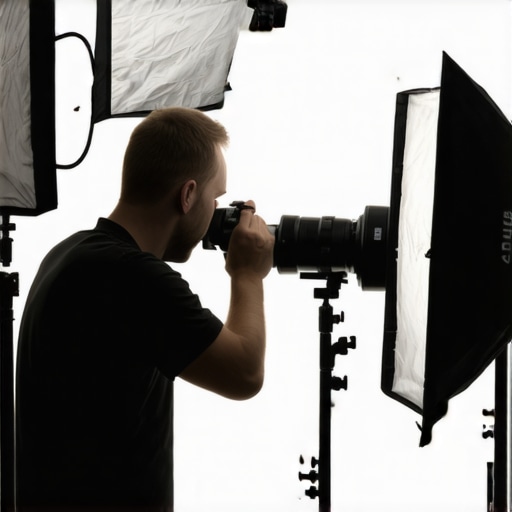 When it comes to mastering video production and cinematography, many enthusiasts settle for conventional wisdom without realizing the deeper complexities at play. For instance, many assume that all projection screens are created equal, but the truth is, surface coatings and gain levels dramatically influence image quality, especially in professional settings. Opting for a matte white screen with high gain can lead to hotspots and off-axis color distortions, undermining your cinematic intent. To get a comprehensive understanding, check out [projection screens for every space in 2025](https://cinegearguide.com/projection-screens-for-every-space-2025-top-picks-tips) for expert insights.
Maintain Your Equipment with Confidence
Investing in high-quality projection screens, camera supports, cine lenses, cinema projectors, and lighting equipment is just the first step. To ensure these tools deliver optimal performance over time, regular maintenance is crucial. I personally swear by establishing a routine check-up schedule for each piece of gear, which includes inspecting for dust, physical damage, and calibration drift. For example, optical elements like cine lenses benefit from gentle cleaning using specialized lens wipes to remove fingerprints and dust without risking scratches. Similarly, cinema projectors should be regularly cleaned inside to prevent dust buildup that can impair image quality or lead to overheating.
Tools I Recommend for Long-Term Durability
One indispensable tool I’ve found for maintaining screens is a high-quality microfiber cloth designed for delicate surfaces. Coupled with a gentle cleaning solution suggested by the manufacturer, it helps preserve color accuracy and prevent warping. For gadgets like camera supports and tripods, I rely on a digital torque wrench to tighten mounting screws to precise specifications, reducing wear and tear. Additionally, I use a microfiber inspection light to check for dust and debris that can accumulate unnoticed, especially in hard-to-reach areas.
Regarding software, I highly recommend calibration tools like the X-Rite i1Display Pro for monitors and projection calibration. These devices allow precise adjustments to color balance, gamma, and luminance, ensuring your visuals stay consistent across shoots and screenings. Proper calibration isn’t a one-time task; revisit it at least quarterly, especially if you move your setup or undergo significant environmental changes. Maintaining your equipment isn’t just about cleaning; it’s about preserving performance. For equipment with moving parts, like camera sliders or support rigs, lubrication with manufacturer-approved oils makes a significant difference in longevity—and reduces the risk of sudden breakdowns.
Where Will Equipment Tech Take Us?
Looking ahead, I predict that as automation and smart diagnostics become more prevalent, maintaining complex gear like film lighting and projection systems will become more straightforward. IoT-enabled support tools can alert you to issues before they escalate, saving time and resources. For instance, future cinema projectors might self-diagnose lamp life or overheating risks and notify you via an app, making proactive maintenance easier than ever. Staying ahead involves not only keeping your current equipment in excellent shape but also adapting to these technological advancements.
How do I Keep My Camera Supports and Lenses Performing Over Time?
Ensure your camera supports are regularly inspected and cleaned, especially the mounting plates which can wear or become loose. Use a professional-grade cleaning kit designed for precision equipment, and always handle lenses with care to avoid scratches or fungus buildup. Specific tools like anti-vibration calibration devices help maintain stabilization systems, which are critical for achieving smooth shots consistently. For lenses, employing a blower to remove dust and a microfiber cloth with lens cleaner keeps the optical elements pristine. Also, consider using silica gel packs in your storage cases—they absorb moisture that can lead to mold or fungus growth, which is common when lenses are stored in humid environments.
As you develop your maintenance routine, don’t forget to document repairs and calibration dates. This history helps in troubleshooting and ensures each piece of gear remains reliable. Remember, keeping your equipment in top shape isn’t just about longevity—it directly impacts your creative output, delivering crisp, professional visuals every time. Ready to take your gear care to the next level? Try using a digital torque wrench on your support stands today and experience the difference it makes in stability and safety. For more detailed guidance, check out this comprehensive guide.
Lessons from the Field That Changed My Perspective
One unexpected revelation was how often I underestimated the power of positioning—simply adjusting a light or camera angle saved hours of post-production work and dramatically improved image quality. I also learned that over-reliance on multiple lights without thoughtful control can backfire, turning a straightforward scene into a chaotic mess. Additionally, consistent maintenance routines for my equipment prevented costly breakdowns and kept my visuals crisp and vibrant, proving that proactive care is as vital as creative skill. These real-world lessons instilled a deeper appreciation for the subtle art of lighting and gear management, ultimately elevating my entire filmmaking approach.
My Go-To Resources for Cinematic Excellence
For in-depth understanding of lenses, I trust Cine Lenses Explained, which offers clear insights into choosing the right glass for various scenarios. When it comes to lighting techniques, Mastering Film Lighting has been invaluable for learning how to shape shadows purposefully. For equipment maintenance, I recommend Camera Supports Demystified, which offers practical tips on keeping your gear stable and reliable. Lastly, stay updated with the latest projector innovations through Cinema Projectors Guide 2025.
Your Next Step Toward Cinematic Mastery
Now that you understand the intricate dance of shadows control, gear upkeep, and strategic lighting, it’s your turn to put these insights into action. Don’t allow technical doubts to hold back your creative vision—embrace these techniques and elevate your cinematography to new heights. Remember, every great filmmaker started with small steps. Who will you inspire with your next project? Share your plans below and let’s grow together on this cinematic journey.
}
About the Author
James Duke
ThinkOTS
James Duke is a seasoned professional in the creative production industry, bringing a wealth of technical knowledge and hands-on experience to cinegearguide.com. As a key figure at ThinkOTS, James has spent years navigating the complexities of high-end production environments, where selecting the right equipment is the difference between a successful shoot and a logistical failure. His expertise spans the full spectrum of cinematography gear, from advanced camera systems to the intricate accessories that define modern filmmaking. On cinegearguide.com, James leverages his deep understanding of the industry to provide authoritative insights, gear reviews, and technical guides. He is known for his ability to break down complex specifications into practical, actionable advice for filmmakers of all levels. His perspective is rooted in the real-world application of technology, ensuring that every recommendation is backed by professional standards. James is dedicated to empowering the filmmaking community by sharing his expertise, helping others navigate the ever-evolving landscape of cinema technology with confidence and clarity.
LinkedIn Profile