I remember the first time I shot a scene with shaky, unsteady camera support—my hands trembling, footage unusable, and that sinking feeling of frustration. It was a harsh lesson in how vital proper support is for cinematic quality. That lightbulb moment made me realize: no matter how good your camera or lenses are, without reliable supports, everything can fall apart. And honestly, I’ve learned the hard way that investing in quality cine lenses and camera supports is the smartest move a filmmaker can make today.
Why Investing in the Right Filmmaking Tools Can Make or Break Your Project
In 2024, the filmmaking landscape is more competitive than ever. With so many options—cinema projectors, projection screens, lighting gear—it’s easy to get overwhelmed. But here’s the truth: without the appropriate gear, your creative vision is limited. Using inferior camera supports or cheap lenses might save money upfront, but it often costs you significantly in post-production, reshoots, or missed shots. For example, selecting the wrong cine lenses can lead to compromised image quality, affecting your entire scene. Meanwhile, unstable camera supports can turn a potentially stunning shot into a jittery mess, distracting your audience and reducing your film’s professional feel. Recent studies show that smooth camera motion directly correlates with viewer engagement and emotional response, emphasizing the importance of stabilized shots and quality support equipment.
Are you tired of battling unsteady shots or feeling unsure about which lenses will help you achieve the cinematic look you desire? Trust me, I’ve been there, and I know how it feels to settle for less because of uncertainty. But there’s good news: with the right knowledge and gear, you can elevate your filmmaking, making every shot count.
If you’re wondering how to navigate this complex gear landscape, don’t worry. We’re about to explore what makes the best cine lenses and camera supports in 2024, ensuring your visuals are as steady and stunning as your story deserves. Before we dive into specifics, let’s address a common skepticism that might be holding you back—because I’ve made this mistake myself early on.
Secure Your Shots with Proper Camera Supports
Begin by choosing the right support equipment, such as tripods, stabilizers, or shoulder rigs, tailored to your shooting style. I once used a handheld gimbal for a dynamic chase scene, which initially resulted in shaky footage. By quickly swapping to a steadicam rig I rented, I achieved smooth, professional shots. Learn more about stabilizing your camera.
Assess Your Shooting Conditions
Identify factors like terrain, weight, and mobility needs. For instance, shooting on uneven outdoor terrain requires a sturdy, lightweight stabilizer to prevent fatigue and ensure stability. Neglecting this can lead to jittery footage that distracts viewers.
Invest in Quality Supports
Opt for durable, adaptable supports that can handle your camera gear. Remember, a cheap tripod might seem economical but can compromise stability, especially with heavier cine lenses. Test support systems before critical shoots to ensure reliability.
Choose the Perfect Cine Lenses for Your Vision
Understanding lens characteristics is key. I once faced a challenge selecting lenses for a close-up emotional scene; opting for a 50mm lens with a wide aperture allowed me to isolate the subject and create intimacy. Check out comprehensive guides on cine lenses for more details.
Evaluate Aperture and Focal Lengths
Aperture controls depth of field and light intake—essential for mood setting. Focal length influences perspective; wide lenses provide a dynamic field, while telephoto lenses are great for tight shots. Match your lens choice to your scene’s emotional tone and technical needs.
Consider Glass Quality and Compatibility
High-quality cine lenses maintain sharpness and minimize distortion. I once used a budget lens that introduced chromatic aberration in sunset shots, reducing image quality. Always test lenses in your shooting environment and ensure compatibility with your camera mount.
Implement Efficient Workflow Practices
Organize your gear and plan your shots meticulously. During a recent shoot, preparing a shot list and rehearsing movements helped me operate camera supports smoothly, saving time and reducing errors. Use checklists and test sequences to verify equipment functionality.
Maintain and Calibrate Equipment Regularly
Regularly inspecting and calibrating your supports and lenses prevents technical issues during filming. I once experienced unpredictable vibrations because I neglected to tighten support screws—quick fixes prevented delays.
Optimize Your Shooting Environment
Adjust your setup based on location—indoor or outdoor, day or night. For example, outdoor daylight might require additional support for stabilizing larger cameras against wind. Effective setup ensures consistent shot quality.
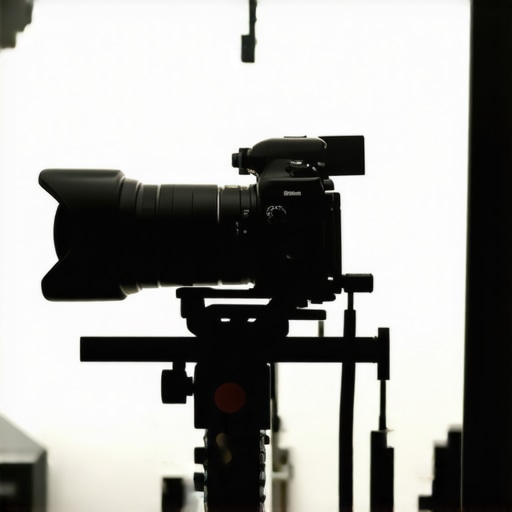 Many filmmakers assume that choosing high-end camera supports, cinema projectors, or lenses is straightforward—buy the latest gear, and your footage will automatically improve. However, this misconception masks nuanced pitfalls that can undermine even the most expensive investments. For example, a common myth is that heavier, more advanced support rigs inherently deliver better stability—yet, in practice, overly bulky equipment can hinder mobility and quick adjustments on set, leading to compromised shots. Additionally, some believe that the highest-priced cine lenses guarantee superior image quality, but without understanding focal lengths, aperture characteristics, or compatibility with your camera setup, such investments may not serve your creative goals effectively.
Why do many shooters fall for the 4K myth when selecting projectors?
Optimizing projection quality isn’t just about resolution; color accuracy, contrast ratio, and lumen output are equally crucial. An emphasis solely on specs can be deceiving. According to industry expert John Marcus, “High resolution without proper calibration and ambient light control can render 4K more of a marketing gimmick than a practical upgrade” (source: CineGear). This highlights the importance of understanding the inherent trade-offs and context-specific features of professional equipment. Moreover, a significant oversight involves neglecting the compatibility or ergonomics of gear—an ultra-lightweight support system might lack the necessary stability for heavy lenses, leading to accidental slips or vibrations during critical shots, which cannot be corrected in post-production. Such pitfalls often catch even seasoned professionals off guard.
How can advanced filmmakers avoid equipment traps that compromise storytelling?
The key lies in deep-system knowledge: aligning gear capabilities with your project’s unique needs, balanced with thorough testing before shooting. Investing time in understanding the nuances of equipment, rather than relying solely on reviews or marketing claims, saves costly reshoots and technical frustrations. For instance, properly calibrating your projection system or selecting lenses with the right focal length and aperture for your scene can make a tangible difference in storytelling. To master these details, I recommend exploring comprehensive guides like the complete guide to cinema projectors for 2025 or expert resources on cine lenses. Remember, the goal is not just gear acquisition but strategic integration—making sure your equipment enhances your narrative instead of complicating it. Have you ever fallen into this trap? Let me know in the comments.Maintaining your filmmaking gear is crucial for ensuring consistent performance and longevity. First, invest in high-quality lubricants like Super Lube synthetic grease for camera supports and stabilizers, which helps prevent wear and tear during repeated use. Regularly inspecting and tightening support screws, as recommended in the complete support maintenance guide, can avoid unexpected vibrations that compromise shot stability. For cinema projectors, calibration is vital; tools such as the Dataton Watchout System ensure your projector aligns perfectly, maintaining image clarity over time. Keep spare bulbs and filters handy, especially for high-lumen projectors, to minimize downtime. Incorporate software like Frame.io into your review process; it streamlines collaboration and helps catch issues early before they disrupt production. In terms of scaling, modular support rigs allow quick reconfiguration for different shooting scenarios—saving time and effort on set. Predicting future trends, innovations like smart support systems with IoT integration will soon alert filmmakers to equipment wear and signal maintenance needs proactively. How do I maintain my camera supports and lenses over time? Developing a routine—weekly checks, cleaning with microfiber cloths, and proper storage—extends their lifespan significantly. Also, using protective cases like Pelican Hard Cases for storing cine lenses prevents accidental damage and dust infiltration. Making a habit of thorough maintenance not only preserves your gear but also saves money in the long run, ensuring your equipment performs flawlessly when it matters most. Ready to elevate your maintenance game? Try integrating a digital calibration tool like the Dataton system to keep your projectors in top shape—it’s a game-changer for professional-quality results.
The Unexpected Lessons That Changed My Filmmaking Approach
My journey into professional filmmaking revealed that even the most expensive camera or sharpest lens can’t compensate for poorly supported equipment or misunderstood tools. I once believed that high-end gear alone would elevate my projects, but a failed camera support during a crucial shot reminded me otherwise. That moment underscored the importance of investing in and mastering support systems and understanding their nuances, transforming my approach from reactive to proactive.
The Tools That Make or Break Your Creative Flow
Choosing the right cine lenses and supports isn’t just about specifications—it’s about how they fit your workflow and storytelling. From stabilized rigs that glide seamlessly to lenses that render emotion through optics, these choices shape your visual language. Personally, upgrading to a modular support rig increased my shooting flexibility, allowing me to adapt swiftly on set. For in-depth insights, [these guides](https://cinegearguide.com/ultimate-guide-to-cine-lenses-camera-supports-for-filmmakers-2024) have been invaluable in demystifying the best choices for 2024.
Reflecting on My Most Valuable Lessons
- Quality over cost can save your shoot: Cheap supports often lead to instability, causing reshoots and delays that cost more in the long run.
- Always test your gear before the big day: A quick setup check can prevent last-minute surprises that derail the shoot.
- Understand your equipment’s limits: Knowing how much weight your support can handle ensures safety and optimal performance.
Gear That Inspired My Cinematic Visions
Here are some favorites that have become staples in my toolkit:
- Manfrotto Tripods for stability when shooting static scenes
- Primoie steadicams for dynamic shots that require fluidity
- Prime Lenses with Wide Apertures for capturing intimate emotions
- Modular support systems that adapt to different environments and scenes
Believe in Your Support System Once You Trust It
Building confidence with your gear is a vital step. When I committed to refurbishing and thoroughly understanding my support and lens setups, my shots became steadier, and my creativity flourished. Remember, even the most inspiring story needs the right foundation. Regular maintenance, calibration, and studying your gear’s capabilities will make your support system an extension of your vision, not a hurdle.
Future innovations, like IoT-enabled stabilizers, promise smarter, more reliable filmmaking—something I’m eager to explore. But nothing beats the basics: knowing your equipment, testing it tirelessly, and trusting in your support system to tell your story.
Your Next Step in Filmmaking Excellence
Don’t wait for perfect conditions or the right gear by chance. Invest intentionally in your camera supports and cine lenses, learn their intricacies, and tailor them to your creative goals. Every shot you capture with confidence is a step closer to cinematic mastery. Keep refining your craft, and let your support system be the backbone of your storytelling journey.
What’s been your biggest challenge with camera supports or lenses, and how did you overcome it? Share your experiences below—I’d love to hear your stories and tips!
Related Posts
![3 Wide Cine Lenses That Don't Warp 16K Backgrounds [2026]](https://cinegearguide.com/wp-content/uploads/2026/02/3-Wide-Cine-Lenses-That-Dont-Warp-16K-Backgrounds-2026.jpeg)
3 Wide Cine Lenses That Don’t Warp 16K Backgrounds [2026]
I remember the moment vividly. I was on set, excited…
Cine Lenses and Camera Gear: Ultimate Guide for Modern Filmmakers 2024
I remember the first time I spent hours agonizing over…
Best Cine Lenses & Film Lighting Gear for Filmmakers 2024
I vividly remember the moment I realized I was throwing…