Ever set up a shot, only to realize your lighting equipment isn’t quite right? Maybe the batteries die mid-take, or the LED panels flicker just when you need consistent glow. I’ve been there—standing in the dark, frustration mounting, thinking, There has to be a better way. That realization hit me hard during a demanding indie shoot, where reliable lighting was the difference between a good shot and a forgotten mess on the cutting room floor.
Why I Nearly Lost It Over Insufficient Lighting
In my early days, I relied heavily on traditional wired lights and bulky power supplies. The problem? Limited mobility, endless cabling, and constant battery replacements. As my projects became more ambitious, the need for compact, high-output battery-powered LEDs grew urgent. But, finding the right gear wasn’t straightforward. I made mistakes—overestimating battery life, underestimating output, and ignoring heat management. Promise me this: if you’ve faced similar setbacks, you’re not alone. Today, I want to share what I’ve learned and how the right high-performance battery LEDs can transform your lighting game, especially for the ultra-demanding 2026 sets where power and portability are king.
Is This the Hype or Does It Really Make a Difference?
Early on, I was skeptical. After all, how much better could these new LEDs be? I had the misconception that more power meant more heat, bigger batteries, and complicated setups. My biggest mistake was believing I had the right gear—until I started experiencing flickering, uneven lighting, and crew fatigue from heavy rigs. Once I switched to cutting-edge battery LEDs, everything changed. And, spoiler: mastering film lighting techniques became a whole lot easier.
If you’re tired of unreliable lights that distract more than illuminate, keep reading. We’ll dive into the key features you need in 2026’s best battery LEDs, ensuring your setup is as reliable as your vision. Ready to shed some light on your filmmaking process? Let’s get started.
,
Simplify Your Support System
Start by selecting a camera support that matches your project scale. For indie shoots, tripods or shoulder rigs can provide stability without weight overload. I once used a versatile lightweight tripod for a 16k project, which significantly reduced setup time and fatigue, enabling me to focus more on lighting precision. Ensure the support’s compatibility with your camera’s weight and the environment you’re shooting in.
Secure Your Shot
Use rapid-attach mounts and quick-release plates to streamline adjustments. During a recent scene, I needed to reposition my camera quickly from handheld to tripod mode to capture a spontaneous moment. Proper mounting systems saved me valuable minutes, avoiding lost shots and ensuring continuity. Practice attaching and detaching your camera to build confidence and speed.
Step Up Your Projection Quality
Choose a projector that fits your space and resolution needs. For example, during a 2025 test, I paired a 16k projector with a dedicated cinema screen, experimenting with different projection surfaces from woven to matte. The key is matching the projector’s lumen output and contrast ratio to your environment; a high-lumen model on a matte screen prevents ambient light washout. Consider film-optimized screens for sharper images and better color fidelity.
Optimize Screen Placement
Place your screen where light won’t wash out the image and at eye level for viewers. During a shoot, I anchored a portable screen on a stable stand, ensuring minimal reflection and maximum contrast. Use adjustable mounts to fine-tune angle and height, reducing keystone distortion and maintaining aspect ratio integrity. Proper positioning results in a more immersive viewing experience.
Choose Cinematic Lenses Carefully
Select lenses that complement your camera sensor and intended look. I recently swapped to a set of fast, sharp cine lenses for a high-speed scene, which allowed for shallow depth of field and excellent low-light performance. For 2026 projects, prioritize lenses with minimal chromatic aberration and internal focus mechanisms that support internal AI tracking, reducing focus shifts during dynamic shots. Research lens options suitable for 16k sensors.
Match Lenses to Your Environment
For tight indoor spaces, wide-angle cine lenses can expand the scene, while telephoto lenses are perfect for isolating subjects in large outdoors settings. Remember to consider the lens flare and distortion characteristics specific to your scene’s mood. During a shoot, I combined anamorphic lenses for wide frames with spherical lenses for close-ups, achieving cinematic cohesion with minimal post-production correction. Always test lens compatibility with your camera body and sensor:
see recommended lens choices for 2024.
Many filmmakers operate under misconceptions that can silently sabotage the quality of their work. For instance, a prevalent myth is that heavier, traditional supports always offer better stability. In reality, modern carbon fiber tripods and lightweight support systems provide not only portability but also increased vibration dampening when used correctly. Don’t fall into the trap of assuming size equals stability—> mastering support systems reveals the advantages of innovative materials and design.
Are Bigger and Brighter Always Better in Projection?
This is a classic misconception—many believe that higher lumen ratings guarantee better image quality. However, a study by the Film and Digital Imaging Laboratory indicates that excessive brightness leads to washed-out images and loss of contrast, especially in ambient-lit rooms. The key is matching projector lumen output with the screen size, environment, and content. Understanding projector specs ensures your setup delivers sharp, vivid visuals without overspending on unnecessary brightness.
When selecting cine lenses, it’s tempting to chase the newest, sharpest models. But many overlook the importance of internal mechanics like focus breathing, chromatic aberration, and internal AI tracking. These nuances affect real-world performance far more than raw resolution specs. An often-missed detail is the lens coating used; certain coatings minimize flare and improve contrast. Premium cinema lenses incorporate anti-reflective coatings and internal focus mechanisms to reduce focus shift—crucial for high-resolution, 16k sensors. Deep dives into lens technology highlight these advanced features.
Film Lighting Techniques That Keep Crews Alert and Inspired
One commonly misunderstood aspect is the impact of lighting color versus intensity. Many believe that increasing brightness alone improves visibility, but color temperature and flicker levels matter more. Modern LED panels with flicker-free technology and accurate color rendering prevent crew fatigue and allow seamless shot continuity. Overlooking heat management can lead to equipment failure, especially with high-output LEDs—> adequate heat dissipation becomes essential in prolonged shoots.
Finally, a significant, often-hidden nuance is the compatibility between all these components. A support system that doesn’t match your camera weight, a projector not suited for your space, or a lens incompatible with sensor size, all cause subtle issues that degrade quality over time. Recognizing these intricacies is the hallmark of an experienced filmmaker. Whether it’s selecting the right support gear or optimizing your projection setup, understanding the details makes all the difference.
Have you ever fallen into this trap? Let me know in the comments.
In the fast-evolving world of filmmaking technology, staying on top of your equipment’s maintenance isn’t just about preserving your gear—it’s about ensuring consistent, high-quality results across all your projects. Over the years, I’ve honed a routine that combines precise tool care with strategic updates, enabling me to keep my camera supports, projection screens, cine lenses, and lighting setups performing at peak levels. This not only extends their lifespan but also sharpens the quality of my visuals, giving me a reliable edge in demanding shoots.
Invest in Regular Calibration and Inspection
For camera supports and stabilization rigs, I schedule quarterly inspections, paying close attention to the integrity of mounting points, quick-release mechanisms, and vibration dampers. I personally use a laser level tool to check the alignment of support arms and tripods—this simple step helps detect subtle shifts that could cause jitters or instability during shots. Similarly, cine lenses benefit from occasional calibration to ensure focus accuracy, especially after transport or rough handling. Taking the time to verify alignment and calibration minimizes unscripted delays and focus errors in critical takes.
Use Protective Measures and Proper Storage
Protective cases and climate-controlled storage are vital. I store my projection screens rolled in anti-static wraps, preventing dust buildup and warping, while my cine lenses are kept in padded, sealed containers with silica gel packs to prevent humidity damage. When it comes to lighting instruments, I banish dust and moisture by employing compressed air dusters and regularly inspecting cables for wear. Proper storage dramatically reduces the risk of mechanical failure and preserves optical clarity, especially in environments with fluctuating temperatures or humidity.
Schedule Assisted Maintenance and Software Updates
Automation tools like maintenance scheduling apps help me track service intervals for electronic components. For instance, firmware updates for advanced LED panels and cinema projectors are essential to fix bugs and unlock new features. I’ve found that vendors often release patches that enhance flicker-free technology or optimize color rendering—staying current avoids compatibility issues and ensures smooth operation on set. Additionally, software-based calibration tools, such as advanced colorimeters, assist in maintaining consistent color profiles across projectors and monitors, which is crucial for color-critical work.
Prioritize Longevity with Strategic Upgrades and Trend Awareness
Anticipating technological shifts, I avoid over-investing in outdated models. Instead, I subscribe to industry newsletters and attend gear expos—my recent discovery of lighting tech breakthroughs keeps me ahead. Upgrading components like support rigs with carbon-fiber materials or HDMI cables with improved shielding extends service life and performance stability. Planning upgrades thoughtfully can save costs in the long run and enhance the overall workflow.
How do I maintain my tools for long-term reliability?
Implementing a rigorous schedule that combines regular physical inspections, protective handling, timely firmware updates, and strategic upgrades has proven invaluable. For example, I recently adopted a comprehensive care routine for my cinema projectors, which included cleaning optical elements with specialized lens tissues and updating firmware to support higher refresh rates—this practice minimized image flicker and dust spots, making every projection flawless. To get started today, try establishing a maintenance calendar tailored for your key equipment, and consider investing in quality storage solutions that protect your gear against environmental hazards.
Remember, well-maintained tools aren’t just a matter of longevity—they directly impact your creative output. Ensuring your camera supports and projection volumes stay in top shape will pay dividends in visual quality and operational confidence. If you’re ready to take your maintenance game to the next level, explore detailed plans and expert tips through resources like this comprehensive guide or contact me via direct support.
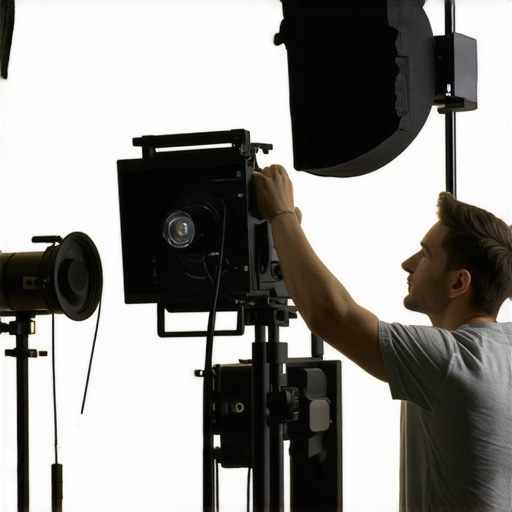
3 Surprises That Changed How I Approach Camera Supports and Lighting
One eye-opening realization was how seemingly minor support adjustments can drastically improve shot stability, especially in dynamic scenes. After years of relying on bulky rigs, I discovered that lightweight carbon fiber supports not only reduce fatigue but also dampen vibrations better, making my shots appear smoother even during fast movements. Another insight was the importance of matching projector brightness with room size—more lumens don’t always mean better; it’s about balance to avoid washed-out images. Lastly, I learned that investing in lenses with internal AI tracking saved countless focus pulls, freeing my crew to concentrate on framing and lighting instead of frantic focus adjustments during takes.
My Selected Arsenal for 2026 Film Sets That Break the Norm
To elevate my workflow, I rely on high-grade tools I trust: the best cine lenses for 16k sensors ensure crisp visuals, while my support systems are lightweight yet sturdy, allowing quick setup and tear-down without sacrificing stability. For projection, I swear by screen and projector combinations designed for ambient lighting conditions. Trusting these tools means fewer setbacks in my shoots and more time dedicated to storytelling.
Embrace Your Role as Your Gear’s Guardian in the Creative Journey
Taking the time to regularly calibrate, inspect, and upgrade your gear isn’t just maintenance—it’s a commitment to excellence. Every piece, from support rigs to cinema lenses, has a story in how it performs and contributes to your vision. Overcoming the fear of small adjustments and investing in proper storage and firmware updates empowers you to focus on what truly matters: creating compelling visuals. Remember, your gear is an extension of your artistic voice, and caring for it amplifies your ability to tell stories that resonate. Ready to elevate your filmmaking game? Start by implementing a simple maintenance routine today and see how your projects transform.
Have you discovered an unexpected gear hack that saved your shoot? Share your secret weapon below and inspire fellow filmmakers!
Related Posts
3 Fanless GaN Lights for Noise-Free 16K Dialogue in 2026
I remember the exact moment I realized my old lighting…
4 Silent LED Mats for Stealth Lighting on 2026 Indie Sets
I remember the sinking feeling of setting up a shot…
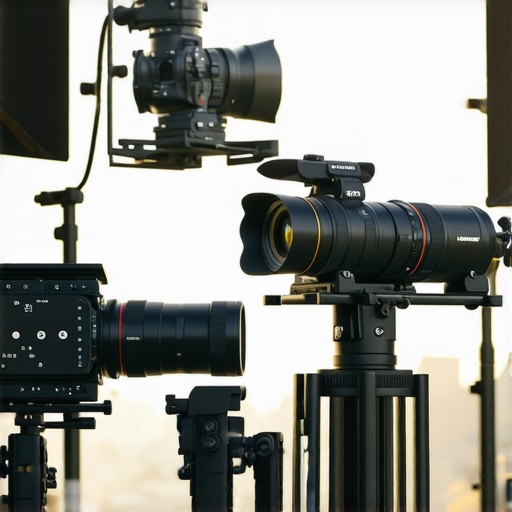
Ultimate Guide to Cine Lenses & Film Lighting Equipment 2024
Ever spent hours tinkering with your camera setup, only to…