Ever been in the middle of a shoot, trying to capture a smooth shot, only to find your arm aching or your gimbal wobbling because it’s just too heavy? I’ve been there—clinging to bulky equipment, feeling the heat of the day, wondering if all this effort is worth it. That lightbulb moment hit me hard: there has to be a better way to stabilize my shots without lugging around a mini tank.
Why Heavy Camera Supports Are Holding You Back
For years, I relied solely on gimbals that felt like carrying a small motorcycle. They’re designed for cinematic perfection, no doubt. But in 2026, I’ve realized that those massive stabilizers are turning into the biggest bottleneck, especially when mobility and quick setup are crucial. The reality is that gear has become so heavy that it limits creative flexibility. Imaging navigating tight spaces, running gun, or working solo—heavy gear makes all that a challenge. Plus, the strain on your arms and back isn’t just discomfort; it’s a real risk for injury over time. According to a study by the National Institutes of Health, repetitive strain injuries are common among videographers using heavy equipment daily.
Early in my journey, I made the mistake of assuming that more weight meant more stability. I overpacked myself with bulky support rigs, thinking I’d get the perfect shot every time. Turns out, lighter options not only improve agility but can also deliver better results when paired with smart technique and modern support gear. Ready to discover some game-changing tools that will let you shoot for longer, move faster, and still capture stunning footage? Let’s dive into the solutions that have transformed my workflow and could do the same for you.
Choosing Lightweight Support Options
Start by replacing bulky rigs with compact, modular camera supports made from carbon fiber or aluminum. I once swapped my traditional shoulder rig for a shoulder brace with a sliding quick-release baseplate, which instantly reduced weight and improved comfort during long shoots. When selecting supports, look for designs that distribute weight evenly and allow for quick adjustments, boosting both stability and mobility.
Incorporate Proper Technique for Stability
Use your entire body to stabilize the shot—bend your knees slightly, keep your elbows close to your torso, and don’t rely solely on your arms. I remember during a documentary shoot, I practiced shifting my weight from one foot to the other and kept my breaths slow. This technique minimized camera shake, resulting in smoother footage without extra equipment. Practice makes perfect—integrating body mechanics is crucial for steady shots when gear is lighter.
Use External Supports and Accessories
Leverage external tools like grip handles, video monoliths, or shoulder pads to offload weight from your arms. I attached a small, balanced cage to my camera with side handles, allowing me to hold the camera steadily without fatigue. These accessories act as force multipliers, improving your grip and reducing muscle strain, especially during prolonged sessions.
Optimize Camera Balance and Weight Distribution
Balance your camera rig meticulously—place heavier accessories like batteries or monitor screens closer to the center of gravity. When I upgraded my setup, I repositioned my monitor directly above the lens, which shifted the center of mass forward, decreasing wrist strain and camera wobble. Proper balancing is an often-overlooked step that dramatically increases stability without adding weight.
Switch to Cinematic Lenses with Smaller Form Factors
Select lenses that are compact yet optically excellent. I transitioned to a lightweight cine lens from a bulky setup for a recent shoot, and the difference was palpable. These lenses reduce the overall weight of your kit, freeing you to move more freely while maintaining cinematic quality. Visit this guide for help choosing the best lens for your needs.
Implement Support Gear to Alleviate Strain
Invest in padded shoulder supports, counterbalanced rigs, or vest-style stabilization systems. During a challenging shoot on uneven terrain, I used a vest rig that distributed the weight across my torso, eliminating arm fatigue. These systems are especially beneficial when shooting handheld for extended periods, ensuring your focus stays on framing, not fatigue.
Test and Adjust Regularly for Comfort
Regularly evaluate your setup—what feels balanced today might need tweaking tomorrow. During an out-of-town shoot, I spent time fine-tuning my support configuration, which helped me adapt to different environments and lighting conditions. Routine adjustments keep your gear comfortable and your shots stable.
Consider Supporting Tech for Extra Stability
Add electronic gimbals or steady cams suited for lightweight gear. I experimented with a replaceable motor gimbal that paired nicely with my lighter support system, offering smooth, cinematic movements without heavy lifting. Explore options at this resource to find the ideal stabilization solutions.
In the world of filmmaking, it’s tempting to accept common wisdom at face value. But as seasoned professionals know, many widely held beliefs about projection screens, camera supports, film lighting, cine lenses, and cinema projectors are oversimplified or downright incorrect. Let’s dig deeper into these nuances that can make or break your cinematic craft.
Why Conventional Beliefs About Projection Screens Are Misleading
Many assume that larger, more expensive projection screens automatically deliver superior image quality. However, the real key lies in understanding screen gain and ambient light conditions. High-gain screens can produce brighter images but at the expense of contrast and viewing angles. Conversely, matte screens scatter light evenly, preserving color fidelity but requiring a high-quality projector. A common trap is to chase after the biggest or most expensive screen without considering your space’s unique lighting environment. For optimal results, consult guides like this comprehensive resource.
The Overlooked Power of Support Gear at Advanced Levels
Most beginners think that supporting equipment like rigs and stabilizers are trivial accessories. In reality, choosing the right camera supports involves nuanced decisions about vibration damping, balancing, and ergonomics. An improperly balanced rig can introduce micro jitters that even high-end stabilization algorithms can’t fix. It’s not just about weight but how support gear interfaces with your camera and shooting style. For instance, expert advice emphasizes the importance of ergonomic design in support gear for sustained precision.
Striking the Balance with Film Lighting
There’s a widespread myth that brighter lights equate to better images. In reality, overlighting can crush shadows, flatten depth, and introduce unwanted color shifts, especially if the color temperature isn’t carefully managed. Advanced cinematographers prefer shaping light using modifiers like flags, grids, and diffusion to craft mood and depth. The key is to understand color science and how different lighting temperatures interact with your scene. For an in-depth approach, check this detailed guide.
Why Cine Lenses Require More Attention Than You Think
Many assume that all cine lenses are created equal—simply swapping out a lens shouldn’t matter much. Yet, advanced filmmakers recognize that cine lenses differ drastically in optical quality, breathing, flare, and weight. The wrong lens choice can lead to inconsistent focus pulls and color mismatches, ruining continuity. Moreover, lens compatibility with your support gear influences ergonomics and stability. For professional results, exploring options at this curated list is invaluable.
The Cinema Projector Myth That Could Cost You
Finally, many believe that high lumen ratings determine a projector’s quality. While lumens measure brightness, they don’t account for contrast ratio, color accuracy, or lens quality. A projector with too high a lumen output in a poorly treated room can wash out details, leading to dull or oversaturated images. Advanced users consider contrast and color gamut as equally vital metrics. For sophisticated insights, review this expert guide.
Understanding these nuanced aspects helps elevate your craft beyond the basics. Don’t fall into the trap of oversimplified assumptions—delve into the technical details to gain a competitive edge. Have you ever fallen into this trap? Let me know in the comments.
How do I maintain my filmmaking tools over time?
Investing in high-quality equipment is just the beginning. Regular maintenance ensures that your cameras, support gear, and projection systems continue performing at their best. For instance, I swear by a thorough cleaning routine using microfiber cloths and specialized lens cleaning solutions from this contact page to keep my cine lenses pristine. Avoiding dust and fingerprints not only prolongs hardware life but also preserves image quality. Additionally, updating firmware and software on electronic supports and cameras helps prevent glitches and adds new features, as recommended in the latest support guide.
Setting up a routine schedule to inspect, clean, and test each component minimizes unexpected failures. For example, I check my cinema projectors monthly for alignment issues and replace worn-out bulbs proactively. Using moisture absorbers in storage cases protects sensitive gear from humidity, which can cause corrosion over time. Incorporating these practices keeps your equipment reliable, saving costly repairs and downtime during critical shoots.
What tools do I recommend for long-term maintenance?
Alongside basic cleaning supplies, consider a few specialized tools: a precision gear lubricant for moving parts, a digital caliper for measuring support components, and a quality camera sensor cleaner. I personally rely on a portable tool kit that includes a fiber-optic inspection scope, which allows me to examine camera sensors without dismantling equipment unnecessarily. This ensures your sensors stay dust-free, maintaining optimal image clarity. For support gear, quick-release plates and modular supports from this resource make calibration straightforward, enhancing stability and reducing wear over time.
Remember, consistent upkeep not only extends equipment lifespan but also ensures your setups are always ready for action. As technology advances, integrating smart maintenance solutions like sensor-based hygiene monitors or software diagnostics will likely become standard, making it even easier to stay ahead of potential issues.
Thinking ahead, I believe the trend in tools will shift toward smarter maintenance systems with AI-driven diagnostics, reducing manual upkeep. To adopt this philosophy early, start by scheduling regular checkups with reliable support services and stay informed through expert resources like this guide. Try implementing a weekly cleaning and inspection ritual for your gear—your future self will thank you for preserving your investment effectively.
,
The Hardest Lesson I Learned About Support Gear and Camera Stability
A key insight that transformed my workflow was realizing that lighter support gear doesn’t mean sacrificing stability. It’s tempting to think that weight equals steadiness, but ergonomic design and proper balancing matter more than ounces. I once thought my from-the-hip support rig would never match the steadiness of heavy, traditional rigs, but investing in modular, well-balanced supports proved otherwise. It taught me that simplicity, paired with thoughtful setup, can dramatically enhance mobility and shot quality.
My Go-To Resources for Filmmaking Optimization
Over the years, I’ve relied heavily on trusted tools and reading materials that shed light on complex topics. For example, this guide on cine lenses has helped me select optical tools that balance weight and performance. Additionally, this comprehensive pathway to cinema projectors has been invaluable for understanding projection technology. These resources keep me informed and confident during equipment choices and setup, ensuring I never compromise on quality or efficiency.
Push Beyond Your Comfort Zone for Genuine Growth
The journey to better filmmaking is not just about acquiring gear or reading guides—it’s about embracing continuous improvement with passion. When I started experimenting with lighter lenses and support gear, I noticed a surge in flexibility and creativity. Think of your skills as an ongoing adventure; every step outside your comfort zone opens new possibilities. So I challenge you: take that step today, whether it’s trying a new support technique or exploring advanced lighting tactics. Remember, your unique voice shines brightest when you dare to innovate and invest time into mastering your craft.
Related Posts
![Stop Micro-Jitter: 5 Titanium Tripods for 16K Rigs [2026]](https://cinegearguide.com/wp-content/uploads/2026/05/Stop-Micro-Jitter-5-Titanium-Tripods-for-16K-Rigs-2026.jpeg)
Stop Micro-Jitter: 5 Titanium Tripods for 16K Rigs [2026]
I'll never forget the moment I was filming a high-end…
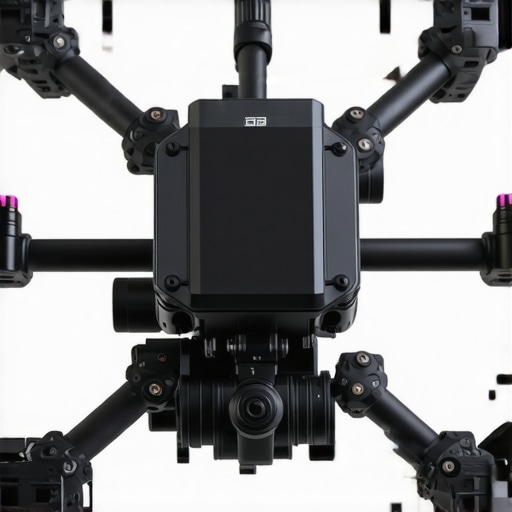
5 Carbon-Fiber Drone Gimbals for 16K Cine Gear in 2026
I remember the moment vividly—on set, amid a rush to…
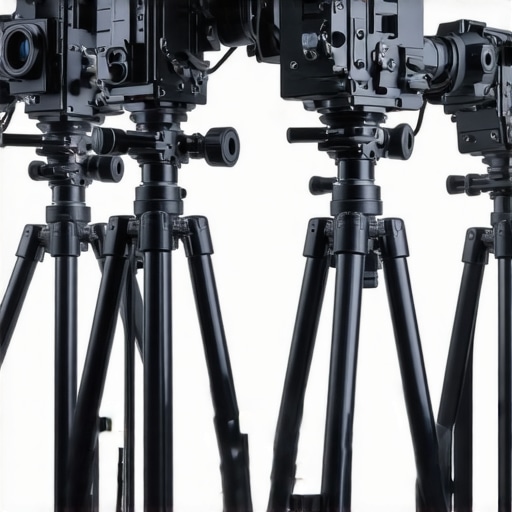
4 Titanium-Core Tripods That Fix 16K Rig Sway in 2026
I was on set last month, fumbling with my latest…