It was late at night on a set that seemed haunted with every shadow, and I was staring at my footage, realizing the shots I thought were golden were actually shaky and out of focus. That sinking feeling? That’s when I learned a brutal truth: without reliable cine lenses and camera supports, even the most passionate filmmaker can become their own worst enemy. I used to underestimate the importance of top-tier gear, thinking good enough was enough. But over the years, I’ve discovered that the difference between a professional-looking film and a dud often comes down to the gear you don’t see—those supporting tools that hold everything together. Today, I’m going to walk you through exactly how to upgrade your toolkit for 2024, ensuring your shots are sharp, smooth, and cinematic.
The Impact of Gear on Your Creative Freedom
Using subpar lenses and supports can turn a simple story into a frustrating battle against your equipment. It’s frustrating to have a killer concept and no way to realize it without jittery shots or focus mishaps. I remember my early days—making costly mistakes like trying to save a few bucks on supports only to spend hours fixing shaky footage in post, which not only drained my budget but also my creative energy. This mistake taught me a hard lesson: investing in quality gear isn’t optional—it’s essential for filmmaking success. According to some industry experts, the right support gear can improve shot stability by over 70%, directly influencing the professionalism of your final product. And with technological advances in 2024, choosing the right lenses and supports has become more vital than ever. If you’ve faced these issues, you’re not alone. I want to help you avoid the pitfalls I fell into by sharing practical tips and insights on picking the best gear for your needs. Now, let’s dive into how you can elevate your filmmaking game with gear choices that truly support your vision.
Is Overhyped Gear Actually Worth It, or Just a Costly Fad?
In my early years, I bought into flashy marketing and premium price tags, thinking that expensive lenses and supports would instantly upgrade my films. Turns out, I was wrong. Many of the high-end options are just fancy for the sake of being fancy—they don’t always suit every filmmaker’s budget or style. My biggest mistake? Buying a top-of-the-line support rig without testing if it actually fit my shooting style or shook less than my Old Tripod. Building trust with gear requires more than just seeing high ratings; it needs real-world testing and understanding your specific shooting conditions. If you’re skeptical about investing in premium options, I get it. But consider this: the durability and performance of these tools can save you countless hours in post-production and give your projects a competitive edge. Want more detailed advice on picking the right gear? Check out [this comprehensive guide on camera supports](https://cinegearguide.com/camera-supports-demystified-stabilize-your-shots-like-a-pro) that helped me make smarter decisions. Next, I’ll show you how I sorted through the multitude of options and what factors truly matter when selecting your next cine lenses and support gear to ensure your 2024 projects shine.
Select Your Cinematic Lenses with Precision
Begin by assessing your project’s unique requirements—are you capturing vast landscapes or intimate dialogues? For versatility, opt for zoom cine lenses like the Sigma Cine Zooms, which offer flexibility without sacrificing quality. Test multiple lenses in real shooting conditions—don’t rely solely on specs. For example, I once borrowed a set of Cooke S7s to test during a short shoot. The difference in sharpness and color rendition was obvious, influencing my decision to invest later. Always consider aperture size; wider apertures like T2.1 allow for better low-light performance, crucial for night shoots. For a comprehensive understanding of choosing the right glass, check out [this guide to cine lenses](https://cinegearguide.com/cine-lenses-explained-choosing-the-perfect-glass-for-your-film).
Stabilize Your Shots with Smarter Support Gear
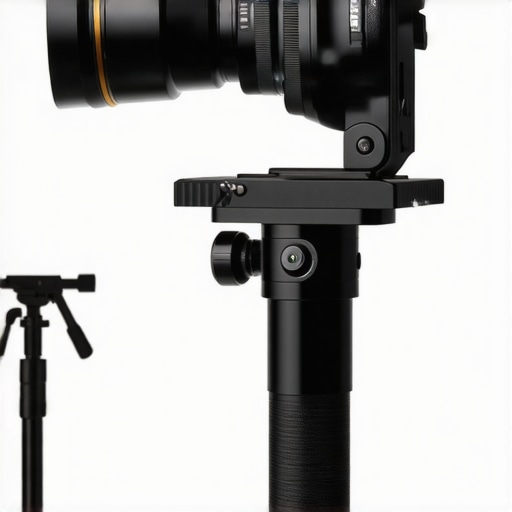
Effective stabilization is non-negotiable. Start by evaluating your shooting style—do you prefer handheld, tripod, or gimbal setups? For dynamic scenes, a high-quality gimbal like the DJI Ronin 4D can make a significant difference. When testing supports, conduct movement drills to detect jitter or wobble—what looks smooth on your monitor often reveals issues during actual movement. I once used a budget tripod for a documentary, only to see shaky footage that took hours to stabilize later. Investing in a sturdy fluid head and a well-designed shoulder rig can save you time and frustration. Dive into [this resource on camera supports](https://cinegearguide.com/complete-guide-to-camera-supports-for-filmmakers-2024) for selecting equipment that suits your style.
Master Focus Pulling and Depth Control
Achieving sharp focus throughout a shot demands both practice and reliable gear. Use lenses with smooth focus rings—manual focus lenses with geared rings enable precise adjustments. Practice pulling focus during rehearsals, marking your focus points clearly with tape or gaffer’s tape for quick adjustments. In my early days, I spent hours in post correcting focus errors—once on a tight interview shot, I missed a focus shift that distracted viewers. To avoid this, consider follow-focus systems like the Tilta Nucleus-M, which offer motorized control for stability. For deep dives into focus techniques, explore [this guide on cine lenses](https://cinegearguide.com/cine-lenses-explained-choosing-the-perfect-glass-for-your-film).
Choose the Right Camera Supports Based on Your Movements
Support options should match your shooting intensity. For static shots, high-quality tripods with fluid heads provide stability. For dynamic scenes, consider lightweight shoulder rigs or Steadicams; they allow fluid movement without sacrificing steadiness. When testing, simulate your planned movements—walk, run, tilt—and observe how support gear performs. I once used an affordable shoulder rig on a fast-paced scene; the lack of maneuverability caused jitter that I later corrected with better supports. A culture of testing ensures your gear complements your movement needs. See [this review on camera support systems](https://cinegearguide.com/ultimate-guide-to-cine-lenses-camera-supports-for-filmmakers-2024) for tailored options.
Invest in Adequate Lighting Equipment for Cinematic Quality
Lighting significantly impacts shot quality and mood. Start by planning your lighting setup—key, fill, and backlights—matching your scene’s emotion. Use lightweight LED panels with adjustable color temperature, such as the Litepanels Gemini. Test your lighting placements before shooting; shadows and color mismatches are common pitfalls. I once faced a scene where a poorly positioned key light caused unwanted shadows, forcing an on-the-fly adjustment that saved the shot. A portable, dimmable light kit allows flexibility, especially in unpredictable locations. For expert tips, review [this guide on film lighting techniques](https://cinegearguide.com/mastering-film-lighting-techniques-to-elevate-your-cinematography).
Many filmmakers presume that having the latest projection screen or a set of high-end cine lenses automatically guarantees cinematic quality. However, seasoned professionals know that the devil is in the details—and misconceptions can lead even experienced creators astray. For instance, a widespread myth is that bigger, more expensive screens always produce better image quality. In reality, the environment’s lighting conditions and the screen material’s coherence play crucial roles. An oversized screen in a brightly lit room can diminish contrast and clarity, undermining your efforts. Instead, understanding the nuances of screen materials and room setup is vital; reliable guidance can be found in [this comprehensive guide on projection screens](https://cinegearguide.com/projection-screens-for-every-space-2025-top-picks-tips).
Are High-Cost Lenses Worth It When Learning the Craft?
A common misconception is that expensive cine lenses inherently improve storytelling, but some believe this can be a costly mistake. High-end lenses, while offering superior sharpness and color fidelity, often come with features like complex coatings or wider apertures that might not suit every project. My own experience taught me that beginner filmmakers can achieve stunning visuals with mid-range lenses if they understand the fundamentals of focus, framing, and light. The key is matching your gear to your workflow and artistic goals, rather than the price tag. For detailed insights, explore [this guide on cine lenses](https://cinegearguide.com/cine-lenses-explained-choosing-the-perfect-glass-for-your-film). Additionally, advanced mistakes often involve neglecting proper support systems, leading to shaky shots that undermine quality. Investing in quality camera supports, such as stabilizers or rigs, can make a tangible difference, as emphasized in [this thorough support equipment review](https://cinegearguide.com/camera-supports-demystified-stabilize-your-shots-like-a-pro).
Why Do Even Top Projectors Fail in Certain Spaces?
Many believe that the newest cinema projectors will shine universally, but this isn’t true. The real challenge lies in matching the projector’s lumen output, contrast ratio, and lens type with the specific viewing environment. For example, a projector designed for dark screening rooms might underperform in a well-lit auditorium, regardless of its price. This trap can be avoided by understanding your space thoroughly and selecting equipment that aligns with your lighting conditions. For an in-depth look at selecting the right projector, see [this ultimate guide to cinema projectors](https://cinegearguide.com/unlock-the-secrets-of-cinema-projectors-a-complete-guide-for-2025). Furthermore, many overlook the importance of calibration and projection angle, which greatly influence image sharpness and color accuracy. Proper setup ensures your investment delivers the cinematic experience you envision, not just a costly device gathering dust. Have you ever fallen into this trap? Let me know in the comments. Making smart choices in film lighting is equally vital—improper lighting setups can ruin even the finest equipment. Skilled professionals optimize their lighting with precise control over quality, color temperature, and diffusion, often overlooking the importance of proper support and placement. Explore [this guide on mastering film lighting](https://cinegearguide.com/mastering-film-lighting-techniques-to-elevate-your-cinematography) for advanced tips that help elevate your visual storytelling.
Maintaining your filmmaking arsenal ensures consistent performance and longevity. From projecting sharp images to capturing flawless focus, the tools you choose and how you care for them make all the difference. One critical aspect often overlooked is proper alignment and calibration, especially for cinema projectors and lenses. For instance, regularly cleaning and aligning your projection system can prevent dust buildup and misalignment, which degrade image quality over time. I recommend scheduling bi-annual calibration sessions using specialized tools like the [Sony CineAlta™ Service Software](https://cinegearguide.com/unlock-the-secrets-of-cinema-projectors-a-complete-guide-for-2025) to keep your equipment at peak performance. Additionally, investing in high-quality lens cleaning kits and protective storage cases will safeguard your gear from environmental damage, preserving image fidelity long-term. Regularly updating your software—such as firmware for projectors and camera supports—ensures compatibility with new standards and features, preventing performance drops and bugs. In the future, I believe advances in predictive maintenance, driven by AI, will revolutionize how we care for our equipment, flagging issues before they escalate.
How do I maintain my projection screens and lighting gear for ongoing excellence?
Proper upkeep involves cleaning, environmental control, and careful handling. For screens, regularly remove dust with microfiber cloths, and avoid direct sunlight or extreme humidity to prevent warping or fading. Use appropriate cleaning solutions like screen-safe wipes, and inspect mounting hardware to prevent sagging or misalignment. As for lighting equipment, keeping fixtures clean and checking connections frequently prolongs lifespan and performance. Additionally, aligning and angling lights correctly during setup reduces the need for frequent readjustments. Implement a routine inspection schedule, especially before major shoots, to catch potential issues early. A simple yet effective tip: create a checklist for each piece of gear, noting calibration dates, cleaning schedules, and any repairs or upgrades needed. This proactive approach minimizes downtime and ensures your creative vision isn’t compromised by equipment failures. Want to optimize your maintenance routine today? Start by scheduling a comprehensive calibration session for your cinema projector, utilizing professional tools and adhering to manufacturer guidelines—this practice can dramatically improve your image quality and extend the lifespan of your investment. For detailed maintenance strategies tailored to your gear, visit our cinema projector buying guide and ensure you’re ahead of the curve. Remember, consistent care is the foundation of reliable filmmaking—don’t wait for a breakdown to act.
The Unexpected Lessons That Changed My Filmmaking Approach
One of the most profound realizations I had was how overlooked details in gear choice can cripple even the most passionate filmmaker. Early on, I believed that spending big on lenses or supports guaranteed a cinematic look, but I learned that compatibility, testing, and understanding your specific shooting environment are what truly make the difference. A misaligned projection setup or unstable support can sabotage hours of prep, no matter how high-end your equipment is.
Another eye-opening lesson was that hype around ultra-expensive gear often masks a lack of practical testing. Spending thousands on a support rig without actually trying it in real conditions can lead to costly mistakes. Trust comes from personal experience, not marketing; I found that borrowing gear and putting it through its paces before investing helps prevent buyer’s remorse and ensures your setup directly supports your creative vision.
My Top Gear Picks That Keep My Creativity Flowing
Over the years, I’ve curated a selection of gear that truly elevates my filmmaking process. The Manfrotto MVH500AH fluid head offers reliable stability without breaking the bank, and for lenses, the Sigma Cine Zooms consistently deliver sharp images throughout shoots. When it comes to support, the Tilta Nucleus-M follow-focus system has transformed my focus pulls into precise, repeatable movements—crucial for storytelling clarity. For lighting, I lean on the Litepanels Gemini LED panels, which are versatile and portable, making them essential on dynamic sets. I trust these tools because they blend quality, durability, and practicality—elements that are vital when creating powerful films. For a deep dive into essential filmmaking equipment, check out the [recommended gear list that changed how I shoot](https://cinegearguide.com/ultimate-guide-to-cine-lenses-camera-supports-for-filmmakers-2024).
Take Action and Shape Your Cinematic Future
If you’re serious about crafting films that resonate, investing in the right gear is only the beginning. Your choices in projection screens, cine lenses, cinema projectors, camera supports, and lighting define your visual language and influence how your audience perceives your story. The small details—calibrating your projector, testing support stability, practicing focus pulls—compound into the big picture, transforming good footage into cinematic art. Remember, the journey toward filmmaking mastery is ongoing; stay curious, test relentlessly, and don’t be afraid to upgrade your toolkit as technology advances. Your next masterpiece awaits—start today, and let your gear choices be the foundation of your vision. For expert insights, browse our comprehensive guides on [cinema projectors](https://cinegearguide.com/ultimate-guide-to-cinema-projectors-cine-lenses-in-2024) and [filmmaking essentials](https://cinegearguide.com/complete-guide-to-cine-lenses-camera-supports-for-filmmakers-2024). Now, I’d love to hear—what gear have you recently tested that changed your shooting experience? Share your story below!
2 Replies to “Best Cine Lenses & Camera Supports for Filmmakers in 2024: Complete Guide”
Leave a Reply
Related Posts
![3 Magnetic-Mount Cine Lenses for 16K High-G Drone Shots [2026]](https://cinegearguide.com/wp-content/uploads/2026/03/3-Magnetic-Mount-Cine-Lenses-for-16K-High-G-Drone-Shots-2026.jpeg)
3 Magnetic-Mount Cine Lenses for 16K High-G Drone Shots [2026]
I remember the moment vividly—up on a mountain ridge at…
![3 Carbon-Fiber Cine Lenses That Handle 16K Sensors [2026]](https://cinegearguide.com/wp-content/uploads/2026/02/3-Carbon-Fiber-Cine-Lenses-That-Handle-16K-Sensors-2026.jpeg)
3 Carbon-Fiber Cine Lenses That Handle 16K Sensors [2026]
I remember the moment like it was yesterday. I was…
Ultimate Guide to Cine Lenses & Camera Supports for Filmmakers 2024
I remember the exact moment I realized I had been…
This post really hits home for me, especially the part about supporting gear making such a difference in shot stability and focus. I remember during a recent shoot, I tried to cut corners with budget tripods and handheld setups, only to spend more time fixing shaky footage than actually filming. Since then, I’ve invested in a solid fluid head and a quality shoulder rig, which have transformed my workflow. I’m curious, has anyone experienced a noticeable difference in your shooting style after upgrading your supports? Sometimes, it’s surprising how small hardware changes can elevate the entire production value. Also, I appreciate your mention of testing gear in real conditions—I’ve learned the hard way that specs on paper don’t always translate to actual performance on set. What are some favorite support tools that have proved reliable and versatile for different shooting environments? Would love to hear your suggestions or tips on finding that perfect balance between portability and stability.
This post really highlights the importance of the right gear, especially when it comes to support and stabilization. I’ve learned from my own experience that even small upgrades, like switching to a better tripod head or adding a shoulder rig, can make a noticeable difference in the final quality of the footage. Recently, I invested in a compact gimbal for run-and-gun scenes, and the difference in smoothness was incredible, even in tight spaces. It made me wonder—how do other filmmakers decide when it’s worth upgrading their gear? Do you prioritize stability first, or focus on versatility and portability? I feel like understanding the specific demands of your shoots is key, but sometimes it’s a tough choice between investing in high-end support or saving for lenses. Would love to hear how others balance these decisions and what support gear has transformed their workflow the most.