Have you ever tried to set up a film screening only to realize your projector isn’t quite up to the task? Maybe the image was dull, the colors off, or it simply wouldn’t focus correctly during the crucial moments of your showcase. I remember the lightbulb moment when I realized that choosing the right cinema projector isn’t just about the latest model or flashy specs; it’s about understanding what truly serves your filmmaking needs. This insight transformed how I approach gear selection and helped me avoid costly mistakes that many filmmakers, including myself early on, often make.
Why Picking the Right Cinema Projector in 2024 Matters More Than Ever
In today’s cinematic landscape, where visual storytelling is more vital than ever, having a reliable, high-quality projector can make or break your audience’s experience. The bar has been raised with advancements in technology, and the demand for stunning images with vibrant colors, sharp detail, and consistent performance is higher than ever. According to industry benchmarks, 4K projectors are becoming the standard in many professional environments, with some models offering HDR support to elevate picture realism further. Yet, I learned the hard way that it’s not just about chasing the newest gadgets, but about matching a projector’s capabilities with your specific environment and budget.
What About the Cost? Is It Really Worth Investing in Top Models?
Early in my journey, I bought a high-end projector without considering my room’s size or light conditions. The result? Dull images and frustrated viewers. I made this mistake because I focused solely on the specs, overlooking the importance of compatibility with my space. If you’re thinking, “Do I need a top-tier model or will something budget-friendly suffice?” you’re not alone. The key is knowing what features actually impact your film presentations—like lumen output for brightness or contrast ratios for depth. For more tips on optimizing your setup, check out this comprehensive guide.
Now that we’ve touched on why selecting the right model is crucial, let’s dive into the practical steps to help you find the perfect fit. But first, ask yourself—have you faced the frustration of underperforming projection equipment? If so, you’re not alone—and you’re about to discover how to change that for good.
Ensure Your Camera Supports Are Stable and Versatile
When I shot my first indoor screening, my shaky handheld shots distracted viewers and undermined the entire experience. I learned quickly that using a sturdy support system was essential. Invest in a high-quality tripod or a gimbal designed for filmmaking. Think of supports as the backbone of your camera system—like the spine in your body, they keep everything steady and aligned. For tight spaces or dynamic shots, a fluid head tripod allows smooth movement without sacrificing stability. Check out this guide to find the right support for your shooting style.
Select the Right Lighting Equipment for Your Space
On a low-budget project, I once tried to light a small classroom with oversized, professional lights. The result was overexposed sections and harsh shadows. After that mess, I realized that matching your lighting gear to your space is crucial. Use smaller LED panels for intimate scenes and softboxes for diffused light. Remember, lighting shapes your story visually, so choose wisely. For detailed advice on achieving cinematic lighting, see this comprehensive resource.
Pick a Projection Screen That Fits Your Environment
The first time I set up a screening in a brightly lit room, I used a generic white wall as my background. The image was washed out and hard to see. Later, I learned that choosing the right projection screen is essential—different materials and sizes impact contrast and brightness. For rooms with ambient light, a high-gain screen can improve visibility, while dark rooms benefit from matte surfaces to avoid glare. For specific recommendations tailored to your space, consider browsing this top selection.
Select the Appropriate Cinema Lens for Your Shots
During a recent outdoor shoot, I initially used a zoom lens that didn’t quite capture the background blur I envisioned. Switching to a prime lens with a wider aperture transformed the footage, giving a pleasing depth of field and professional look. Remember, lenses are like the eyes of your camera—they shape your entire visual storytelling. When choosing, consider aspects like focal length, aperture, and compatibility with your camera system. For in-depth lens choices, visit this guide for expert insights.
Select a Cinema Projector That Complements Your Space and Budget
My initial projectors struggled with color accuracy and brightness, making my screenings less engaging. After thorough research, I upgraded to a 4K HDR model with suitable lumen output, perfectly fitting my room’s size and ambient conditions. Think of your projector as the storyteller’s voice—clear, vibrant, and compelling. Consider factors like lumen output, resolution, contrast, and connectivity options. For a detailed breakdown of quality models and features, check this buyer’s guide.”}}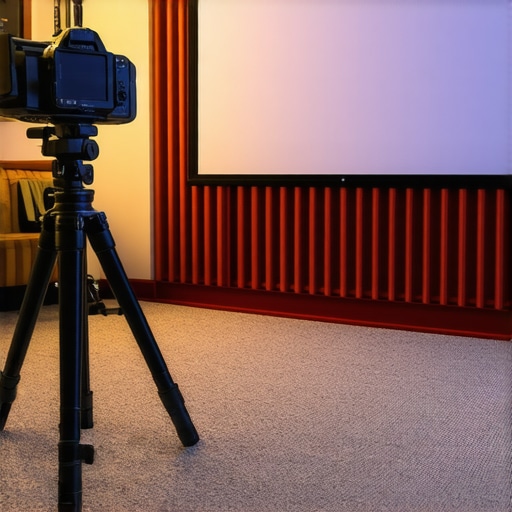 }
}
Many filmmakers assume that investing in high-end cine lenses or the latest cinema projector guarantees professional results without considering nuanced details. However, I’ve found that common misconceptions often lead to costly mistakes. Let’s dig deeper into some of these hidden pitfalls and advanced nuances that can elevate your craft.
Why Do So Many Overlook the Flexibility of Camera Supports
Contrary to popular belief, not all support rigs are created equal. While a sturdy tripod is essential, many overlook the importance of quick adaptability. For example, lightweight gimbals can sometimes offer better versatility than bulky supports, especially in dynamic shooting scenarios. Also, improper support selection—like using a tripod not rated for your camera weight—can cause vibrations and shake, undermining shot quality. To master support stability, check out this guide. Remember, stability is not just about equipment, but understanding how to exploit support systems effectively.
Many assume that more expensive lighting rigs automatically produce cinematic quality. Yet, as highlighted in this resource, lighting efficiency depends heavily on your setup’s adaptability to the scene’s mood and environment. Overlighting can wash out your shot, while underlighting can hide crucial details—it’s a delicate balance. Always consider the versatility and control features of your lighting gear, rather than just bulk or brand prestige.
Choosing the Right Projection Screen for Your Environment
One common myth is that a high-gain screen always improves image brightness. Actually, in brightly lit rooms, a high-gain screen can cause hotspots and glare, making your image uncomfortable to view. Conversely, matte screens excel in ambient light, providing even contrast without glare. Check this selection guide when selecting a screen tailored to your space. Don’t fall into the trap of choosing solely based on specs—consider your room’s lighting and size.
While many focus on resolution, the quality of your lens significantly impacts your final output. As explained in this detailed piece, lens selection pertains not only to focal length but also to flare control, chromatic aberration, and aperture consistency. An overheated debate exists over perfect lenses, but the real edge comes from understanding which glass works best for your specific storytelling needs.
Moving on to projectors—it’s tempting to choose by resolution alone. Yet, advanced users understand that parameters like lumen output and contrast ratios dramatically influence picture quality, especially in varied environments. For a comprehensive breakdown, see this guide. Remember, a projector’s real strength lies in harmonizing with its environment, not just specs on paper.
Maintaining your filmmaking equipment is as crucial as choosing the right gear in the first place. Well-kept support systems, lighting, and projection setups not only ensure consistent results but also extend their lifespan, saving you money in the long run. I personally rely on a combination of regular cleaning, diligent calibration, and using specialized tools to keep my equipment performing at peak levels. For example, I employ a carbon dioxide cleaning spray for camera lenses, which effectively removes dust and static without scratching the glass. Such attention to detail means fewer hiccups during critical shoots or screenings, and it’s a practice I recommend to all filmmakers aiming for professionalism.
How do I maintain my support rigs and projection equipment over time?
One of the most overlooked aspects is routine maintenance and calibration. For your support systems, I recommend regularly inspecting and tightening all joints and tripod legs to prevent wobble or collapse. Applying lubricants like silicone spray on moving parts of tripods or gimbals ensures smooth operation. When it comes to projection screens, I clean them with microfiber cloths and use protective covers when not in use—this prevents dust accumulation and avoids degradation of screen material. For cinema projectors, I schedule bi-annual professional servicing that includes cleaning filters, aligning optical components, and updating firmware. Investing in reliable tools such as a fiber optic lens cleaner or an ultrasonic cleaning device can make a significant difference. According to industry standards outlined in this comprehensive guide, proactive maintenance minimizes downtime and preserves image quality, which is essential in a competitive filmmaking environment.
Leverage tools that elevate your workflow
Another aspect I swear by is utilizing software tools that assist in calibration and troubleshooting. For instance, I use a waveform monitor app on my tablet, which helps me analyze exposure and color accuracy in real-time during shoots. This tool is invaluable for ensuring consistent results across multiple shots or projects. For consistent results in post-production, I rely on industry-standard color grading software like DaVinci Resolve, which offers precise control over color correction and matching. Additionally, investing in a high-quality focus chart for lens calibration can save hours during setup, especially when switching lenses or shooting in different conditions. Moving forward, I predict that advancements in automation and AI-driven maintenance diagnostics will become integral, allowing filmmakers to identify and address issues before they impact production. Exploring and adopting these tools now can give you a competitive edge.
Why You Should Try Regular Calibration with Precision Tools
Consistent calibration is the backbone of dependable cinematic productions. I regularly calibrate my projection systems and camera supports using laser-based devices that provide pinpoint accuracy. This meticulous process ensures that every shot and projection maintains the highest standards. For those interested, I recommend starting with a professional-grade colorimeter for monitors and a dedicated test pattern generator for projectors. Incorporating such tools into your routine significantly reduces guesswork and elevates your craft to a professional level. Remember, even the best gear needs routine calibration to perform optimally—think of it as fine-tuning an instrument before a performance.
Ready to upgrade your maintenance game? Consider integrating an ultrasonic cleaning device into your toolkit. It’s a small investment that pays off by ensuring your lenses, filters, and support components stay free of dust and debris, which can otherwise cause image degradation over time. Always follow manufacturer guidelines for cleaning and maintenance, and don’t hesitate to reach out to experts—like those at this contact page—for personalized advice tailored to your setup. By maintaining your equipment diligently and leveraging the right tools, you’ll ensure your filmmaking process remains smooth and your results consistently top-quality.
What I Wish I Knew Before Choosing My Gear
One of the most valuable lessons I learned is that matching equipment to your specific environment can save you from many headaches. For instance, investing in a high-lumen projector without assessing your room’s ambient light led to disappointing image quality. Personal experience taught me that research and understanding your space’s unique needs are crucial—sometimes even more than the latest model.
Stepping Up Your Support System Will Transform Your Shots
Support rigs are often underestimated, but I discovered that a sturdy, well-chosen support system—like a multi-functional gimbal—can dramatically improve shot stability and flexibility. Proper support not only prevents shaky footage but also allows for creative freedom in dynamic scenes, something I personally struggled with until I integrated better gear. For tips on selecting and maintaining your camera supports, check out this guide.
Lighting Matters More Than You Think
Once I switched from generic lighting to more adaptable LED panels, the difference in mood and detail was striking. Lighting is not just about brightness—it shapes your story’s tone and guides viewers’ emotions. I learned to match my lighting setup to each scene’s intent, which elevated my work significantly. For a deep dive into cinematic lighting techniques that complement your choice of support gear, explore this resource.
Selecting the Perfect Screen for Your Room Can Change Everything
Initially, I overlooked the importance of screen material and size. Setting up a bright room with a low-gain screen resulted in washed-out images. It wasn’t until I considered ambient light and room dimensions that my visuals truly improved. Knowing your environment is key—so before you buy, measure and analyze your space. For tailored recommendations, I suggest browsing this selection guide.
The Power of the Right Lens in Crafting Visual Depth
Choosing a prime lens with a wide aperture transformed my outdoor shots by creating a beautiful background blur that added cinematic depth. A lens is like an artist’s brush—select the right one to paint the story you envision. Focal length, aperture, and compatibility are critical factors. For holistic advice on lens selection tailored to your storytelling style, visit this guide.
Final Thoughts: Customizing Your Kit Unlocks Creative Potential
Personal experience has shown me that beyond following trends, thoughtful customization—matching equipment to your specific space, style, and budget—can unlock new levels of creative expression. The combination of proper support, lighting, screens, and lenses creates a synergy that elevates your entire filmmaking process. Invest time in understanding each element deeply, and you’ll find that your visuals become more compelling and professional. For comprehensive tools and insights, explore this resource.
4 Replies to “Cinema Projectors 2024: Top Models & Buyer’s Guide for Filmmakers”
Leave a Reply
Related Posts
Best Cinema Projectors for Filmmakers in 2024: Top Picks & Reviews
Discovering the Magic of Cinema at HomeLast year, I decided…
Ultimate Guide to Cinema Projectors for Filmmakers 2024
Have you ever spent hours setting up a projector, only…
Top Cinema Projectors 2024: Essential Buying Tips & Reviews
There was a moment during one of my recent movie…
Reading through this post really brought me back to my early days of setting up home screenings. I remember overlooking the importance of environment compatibility and ending up with a projector that just couldn’t cut it in my living room’s ambient light. It’s a common mistake, but what struck me was how much difference a well-chosen screen or proper calibration can make. I’ve recently invested in a high-gain screen and a calibration tool, and the improvement is night and day. Plus, the right support rig for my camera supports camera moves smoothly without shakiness, even during extended shoots. It makes me wonder—how do others handle calibration routines in a busy workflow, especially when switching between different projectors or screens? Looking forward to hearing more tips from this community.
This post really struck a chord with me, especially the part about matching equipment to your space and workflow. I remember rushing into buying high-end gear without fully considering my room’s light conditions and how much that impacted our screenings. Now, I always do a thorough assessment before making any purchases, which has saved me quite a few headaches. I also rely heavily on routine calibration, especially when switching between different projectors or screens, to keep the visual quality consistent. I’ve found that utilizing tools like colorimeters and test pattern generators really streamlines this process and helps maintain professional results. For those managing busy shooting schedules, what are some time-efficient calibration routines or tools others have found effective? It seems like a crucial step that often gets overlooked, but as the post shows, it truly makes a difference.
This article really resonated with me because I’ve struggled with projector choice for my small studio space. I totally agree that matching the projector’s lumen output and contrast capabilities to your environment is key. I’ve been considering upgrading to a 4K model with HDR support since my current one struggles in daylight or well-lit rooms. Also, I’ve found that switching to a matte screen helped a lot with ambient light issues—something that’s often overlooked when people focus solely on resolution. I’m curious, how do others usually balance budget constraints with high-performance projectors? Do you find that mid-range models with certain features can really match the quality of premium ones for most applications? Would love to hear some opinions from other filmmakers or enthusiasts on this. Thanks for the detailed guide—it’s a great resource for anyone looking to improve their setup without breaking the bank.
This post hits home for me because I’ve learned firsthand how critical environment and equipment compatibility are for successful screenings. I used to think that buying the highest-end projector was enough, but I struggled with dull images and color mismatches due to room lighting and screen choices. Recently, I switched to a high-gain screen tailored for ambient light and invested in calibration tools, which have dramatically improved my results. It’s interesting how often people forget that even the best projector can underperform if it doesn’t fit the space. I’m curious—how do others balance budget constraints with the need for high lumen output and contrast? Sometimes, mid-range models with the right features outperform more expensive options in real-world settings. Would love to hear tips from others working within tight budgets but still aiming for professional quality.