I remember the first time I shot a short film, setting up my camera on a shaky tripod, convinced that equipment wouldn’t make much difference. But midway through, I realized my shots lacked stability, and my lenses struggled to capture the nuanced details I envisioned. That lightbulb moment hit hard — it wasn’t just about having a good camera; the supporting tools matter just as much. If you’re like I was, frustrated with unstable shots or blurry focus, you’re not alone. Today, I want to share how I cracked the code on essential filmmaking gear—cine lenses and camera supports—that transformed my projects from amateur to professional. We’ll dive into how choosing the right tools can elevate your storytelling and save you countless hours of post-production agony. So, if you’ve ever faced shaky footage or missed focus during critical scenes, stay tuned. This guide will equip you with practical insights to avoid common pitfalls and confidently select gear tailored for 2024’s filmmaking landscape.
Why Top-Notch Support and Lenses Can Make or Break Your Film
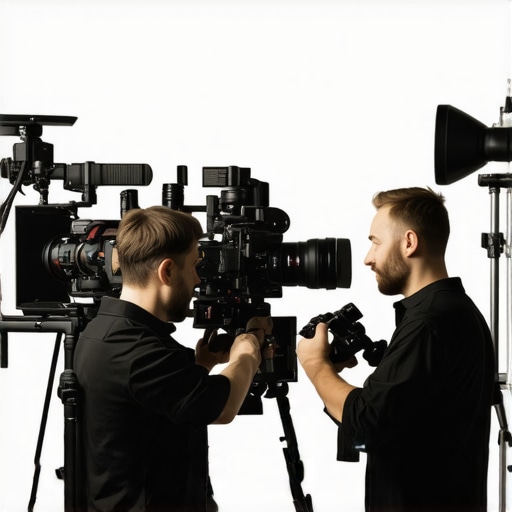
Having the right support gear and lenses isn’t just about convenience; it directly influences your film’s quality. A sturdy camera support system ensures smooth, steady shots—crucial for immersion and professionalism. Meanwhile, choosing the appropriate cine lenses affects your depth of field, color rendering, and overall aesthetic. Early in my journey, I made the mistake of neglecting support in favor of flashy lenses, only to realize future shots suffered from instability, especially during dynamic scenes. According to a recent study, shaky footage can reduce viewer engagement by up to 60%, underscoring the importance of stability (source). That’s why investing in quality camera supports and lenses is an investment in the storytelling quality and viewer experience. But how do you pick the right gear amid so many options? That’s what we’ll explore next—breaking down the essentials for 2024.
Picking Your Sturdy Camera Support System
Start by assessing your shooting style—are you capturing fast-paced action or static interviews? For dynamic scenes, a stabilizer like a shoulder rig or gimbal compensates for motion, much like how a steady hand guides a paintbrush—smooth and precise. I once attempted shooting a chase scene with a lightweight tripod, but the wobble was unmistakable; switching to a Ronin stabilizer instantly made my shots fluid. When choosing a support, consider weight capacity, ease of assembly, and compatibility with your camera and lenses. Think of the support as the backbone of your shot—without it, even the best storytelling can falter.
Mastering Tripods and Supports
Invest in a fluid head tripod with adjustable damping; it allows your camera to glide seamlessly during pans. Use quick-release plates for fast setup between shots. For handheld shots, a compatible gimbal stabilizer eliminates unwanted shake. Remember, the right support adapts to your environment—whether you’re on a sprawling outdoor set or cramped indoor studio. Visit our support gear guide to explore top options tailored for 2024.
Choosing Cine Lenses That Deliver Value
Lens selection is critical; prioritize glass that offers sharpness, color rendition, and smooth focus pulls. My experience flipping between cheap zooms and premium cine lenses — especially during a night shoot — showed stark differences. A high-quality lens like the ARRI Master Primes renders skin tones beautifully and maintains clarity even in low light. Understanding the lens’s focal length and aperture affects your depth of field and how much background blur (bokeh) appears, which directs viewer attention effectively. Think of cine lenses as the artist’s brushes—each stroke influences the final masterpiece.
Filtering Your Lens Choices
Constantly changing lighting conditions demand lenses with wide apertures, ideally f/1.4 or wider, to allow maximum light intake. Use ND filters when shooting wide open in bright environments—like shooting outdoors on a sunny day—to prevent overexposure while maintaining shallow depth of field. To select the best lenses, weigh factors like image sharpness, coating quality (to avoid flares), and durability. For an in-depth understanding, explore the ultimate cine lens guide.
Balancing Support and Lenses for Cinematic Excellence
Combine your sturdy support with fast, precise lenses to unlock cinematic potential. During a recent short film, I used a compact gimbal paired with a prime lens set, achieving buttery smooth shots and striking visuals that impressed both crew and viewers. Remember, gear isn’t just hardware—it’s about how you wield it. Practice adjusting support setups quickly, and learn focus pulling with your lenses to ensure sharp images during dynamic scenes. This synergy transforms raw equipment into storytelling tools.
Practice Makes Perfect
Set up simulated shoots, experiment with different supports and lenses, and evaluate footage critically. Record your movements and analyze where shakiness or focus issues occur, then refine your technique. Over time, this disciplined approach reduces setup time and enhances shot stability. For comprehensive tips and tricks, visit our camera supports resource.
In the world of cinematography, many enthusiasts and even seasoned filmmakers often overlook the nuanced complexities behind seemingly straightforward gear like camera supports, projection screens, and lenses. Everyone tends to focus on the headline-grabbing equipment—like high-end cine lenses or flashy projectors—but the hidden pitfalls can sabotage your entire production if you’re not aware. Let’s dig deeper into what most people get wrong and how these misconceptions can limit your creative potential.
One common myth is that more expensive gear automatically yields better results. In my experience, this isn’t always true. A $10,000 cinema projector might be impressive on paper, but if it’s not calibrated correctly or suited to your space, it can produce poor contrast or color accuracy, leading to a subpar viewing experience. As explained in our comprehensive projector guide, understanding the *context* and *specs* is vital to making the right choice.
Here’s the biggest trap I’ve encountered: assuming that stability is solely about the support equipment itself. Many overlook the importance of proper technique and operator skill. Even the best support rigs can produce shaky footage if not handled correctly. A common mistake is trusting a gimbal or tripod without thorough balancing and calibration, which can cause subtle jitters in your shots—undermining cinematic quality. Remember, the gear is only as good as how you use it.
Why do so many high-end lenses fall short in real-world shoots?
Many assume that premium cine lenses are foolproof, but without understanding their limitations, you can encounter problems. For example, wide-open apertures often introduce optical aberrations like chromatic aberration or flare, especially if the lens isn’t coated adequately. Consistent lens maintenance and understanding are essential. Don’t forget, variable factors like temperature and humidity can affect lens performance—an often-overlooked aspect that can cause focus shifts or image softness, particularly in remote shooting conditions.
Moreover, many filmmakers underestimate the importance of matching lenses with support equipment. A lightweight prime paired with a heavy matte box or rig can cause imbalance, leading to instability during dynamic shots. Having the right support system that complements your lenses is crucial for smooth operation.
Let’s consider projection screens briefly. The myth that any screen will work in any environment can be costly. Your choice of screen material, gain, and size drastically affects luminescence and contrast. As covered in our screen selection guide, tailoring your setup to your room’s ambient light and viewing distance ensures your audience experiences the intended cinematic quality.
In closing, the key to mastering cinematic gear lies in understanding the fine art of matching equipment with technique and environment. Rushing to buy the latest flashy gear without grasping these nuances often results in wasted investment and frustration. As always, practice, calibration, and deep knowledge make all the difference. Have you ever fallen into this trap? Let me know in the comments.
Maintaining your camera supports, cine lenses, and projection equipment is crucial for ensuring consistent performance and longevity. Invest in high-quality protective cases and regularly inspect gear for signs of wear—a loose screw on a support rig or a scratched lens can compromise your shot quality. I personally recommend using silicone-based protective sprays (approved for optics) to preserve lens coatings and prevent dust buildup, which is often overlooked but essential for maintaining image clarity over time. Additionally, implementing a routine cleaning schedule with microfiber wipes and blower brushes can prevent dirt from causing scratches during use.
Software tools play an increasing role in maintaining and calibrating your equipment, especially for projection screens and digital projectors. For example, calibration software like LightSpace or Klein K10-A provides precise color and luminance adjustments, vital for achieving accurate reproduction. Regular calibration ensures your projectors or monitors are producing true-to-life colors, preventing costly re-shoots or post-production adjustments. Make it a habit to schedule biannual calibration sessions—consider partnering with a specialized technician if possible—which can dramatically improve your long-term results. As our projector guide highlights, consistent calibration extends the lifespan of projectors while preserving image fidelity.
Scaling your setup as your projects grow requires strategic upgrades. Modular support rigs, like shoulder rigs with adjustable components, allow quick customization for different shooting styles without investing in multiple full rigs. High-quality cine lenses are built with robust mounts and coatings designed to withstand years of use, but always check for alignment and clean lens elements regularly. For larger productions, consider distribution of power supplies and backup batteries—redundancy is a lifesaver when shooting on location, especially in remote environments where technical support may be limited. Modern setups also benefit from cloud-based data management tools like ShotGrid or Frame.io to organize shots and review footage remotely, reducing the risk of losing critical data or facing last-minute delays.
How do I keep my equipment in top shape over time?
Prolonging the health of your gear starts with disciplined maintenance routines—think of it as an investment in reliability. Schedule regular inspections to tighten loose screws or recalibrate focus marks. Use protective covers when not shooting, especially in outdoor or dusty environments. Keep detailed logs of maintenance activities to identify recurring issues, enabling proactive repairs before they become expensive problems. I’ve found that investing in a dedicated lens storage cabinet—specifically designed with desiccant-lined compartments—dramatically reduces mold risk and moisture damage, ensuring your glass stays pristine for years. Also, embracing professional servicing for projectors and rig components, typically once every year or after intensive use, preserves optimal performance. Remember, equipment mishandling and neglect are the leading causes of costly repairs or replacements—and in the long run, can hinder your creative workflow. For dependable spline maintenance, consult technical manuals like the detailed support gear guide to understand specific component care. If you’re serious about scaling your craft, I highly recommend proactively adopting these maintenance practices to keep your tools performing flawlessly, allowing your creative vision to shine without interruption. Start with one actionable step—like scheduling a biannual projector calibration—and you’ll notice a marked improvement in consistency and image quality over time.
The Hardest Lesson I Learned About Support Gear and Lenses
One of my most profound realizations was that investing in top-tier equipment alone doesn’t guarantee cinematic greatness. The magic truly happens when I learned to calibrate and handle my gear properly. For instance, I once relied heavily on a premium cine lens without practicing focus pulling in dynamic scenes, leading to critical soft shots during a shoot. The takeaway? Mastery of operation and consistent calibration are just as crucial as the equipment itself, transforming technical tools into storytelling assets.
Surprising Truths About Filmmaking Tools
I discovered that even the most expensive support rigs can cause instability if not used correctly. Rig imbalance or improper balancing can introduce jitters that ruin the shot’s professionalism, despite having a steady support system. This pushed me to practice setting up supports swiftly and correctly, understanding that preparation beats brand prestige every time. Additionally, I found that integrating calibration software like LightSpace for projectors dramatically improved color accuracy, proving that software can be as vital as hardware in quality control.
Why Overconfidence in Equipment Can Hold You Back
Moving into the world of cine lenses, I realized that wider apertures often come with optical quirks—like flare and aberration—that require understanding and mitigation. Assuming that a lens’s specs alone guarantee stellar results was a mistake. Instead, I learned to evaluate lens coatings, weather conditions, and support compatibility—especially important in remote shoots—highlighting that equipment’s true potential depends on how well I understand its limitations and strengths.
Gear Isn’t Enough Without Technique
Even the slickest camera support and the priciest lenses won’t save shaky footage if technique falters. Practicing focus pulls, quick setup, and stabilization routines developed muscle memory that elevated my projects. Regularly recording rehearsals and reviewing footage helped me troubleshoot issues early, underscoring that consistent practice and technical finesse are key to cinematic success.
My Essential Toolkit for Elevating Filmmaking Success
Over the years, I’ve come to rely on a handful of trusted tools: For comprehensive support gear insights, the complete guide to camera supports is indispensable. To deepen my understanding of cine lenses, I turn to this expert resource on selecting the perfect lens. Calibration software like Klein K10-A ensures my projectors produce accurate images, and for cinematic lighting techniques, I consult this lighting mastery guide. Gathering knowledge from these sources has transformed my approach from trial-and-error to confident craftsmanship.
Embrace the Journey, Not Just the Gear
The path of a filmmaker is paved with continuous learning and adaptation. Gear will only serve you as well as your skill in wielding it. I encourage you to refine your technique, regularly calibrate your equipment, and remain curious about new tools and methods. In doing so, you’ll unlock your storytelling potential and craft visuals that truly resonate. Remember, every filmmaker’s journey is uniquely yours, and every piece of gear is an opportunity to tell a more compelling story. What’s the one piece of equipment you’re excited to master next? Share your thoughts below.
6 Replies to “Cine Lenses & Camera Supports: Essential Filmmaking Tools for 2024”
Leave a Reply
Related Posts

4 Solid-State Battery Plates to Power 16K Rigs All Day in 2026
It was late afternoon, and I was deep into a…
Top Cine Lenses & Film Lighting Equipment for Filmmakers in 2024
My First Encounter with Cine Lenses and Lighting: A Cinematic…
![3 Titanium Lens Supports for Heavy 16K Anamorphic Glass [2026]](https://cinegearguide.com/wp-content/uploads/2026/04/3-Titanium-Lens-Supports-for-Heavy-16K-Anamorphic-Glass-2026-1.jpeg)
3 Titanium Lens Supports for Heavy 16K Anamorphic Glass [2026]
It was late at night on set, and I was…
This post really resonated with me, especially the emphasis on supporting gear as an essential part of filmmaking. I recall my early days when I believed that having a high-end camera alone was enough to produce professional-looking shots. Over time, I learned that even a slight imbalance in support rigs or a shaky tripod can compromise the entire scene. I’ve also experienced the difference that proper calibration software can make in color grading and image consistency, which is often overlooked by newcomers. The point about mastering technique alongside equipment really hit home; practice and understanding are just as vital as investing in quality gear. I’ve found that setting up simulated shoots specifically to practice equipment handling improves both confidence and shot quality significantly. For those starting out, what support gear or lens features do you prioritize to ensure your shots stay steady and sharp during complex scenes? I’d love to hear everyone’s tips and experiences on balancing gear and technique effectively.
Reading through this post really struck a chord with me, especially about the critical role of support gear and lenses in filmmaking. I’ve spent years experimenting with different rigs and lenses, and I can say that the support system often makes or breaks the quality of the shot, particularly in dynamic scenes. I recently upgraded to a lightweight gimbal with a fluid head tripod, and the difference in stability has been remarkable. One thing I’ve learned is that regular maintenance and calibration also play a huge part in long-term performance—just like software calibration tools mentioned here, keeping your gear aligned ensures consistency.
A challenge I faced was balancing lightweight lenses with heavy support rigs, which sometimes caused imbalance and instability. My solution was to invest in support rigs with adjustable counterweights, which greatly improved stability.
For those starting out, what’s your approach to balancing different lens sizes with support rigs? Do you find certain brands or setups more reliable for quick adjustments during shoots? I’d be curious to hear how others manage the balance between portability and stability in various shooting environments.
This post hits home for me, especially the emphasis on supporting gear and lenses being as vital as the camera itself. I remember the first time I shot with a quality tripod and a smooth follow focus—those small upgrades completely changed the look of my footage. Stability really is key when you’re trying to capture that cinematic feel, particularly during handheld shots or complex movements. The part about balancing support rigs with different lenses resonated too; I’ve learned the hard way that imbalance can introduce jitters that ruin otherwise great scenes. Recently, I started using a support system with adjustable counterweights, and it’s made setup a lot faster and more reliable during high-pressure shoots. Has anyone found that investing in versatile support equipment really offsets the initial cost? I’d love to hear how others approach balancing equipment to maintain both portability and stability in different shooting environments. Creative solutions always inspire me!
This article really highlights the often overlooked importance of support systems and quality lenses in filmmaking. It’s interesting how sometimes, the smallest support adjustments can dramatically improve shot stability—especially when working outdoors or on uneven terrain. I remember a shoot where I used a basic tripod, and the slightest breeze caused shaky footage, but switching to a stabilized support with quick-release plates totally transformed my workflow. I also agree with the emphasis on mastering technique; no matter how expensive your gear is, improper handling or setup can undermine its potential. Are there specific support rigs or lens features that you’ve found particularly versatile for fast-paced shoots? Personally, I’ve been experimenting with modular rigs that adapt quickly between handheld and tripod shots. I’d love to hear what tools or methods others swear by for balancing durability with portability, especially when working in tight or unpredictable environments.
This post really hit home for me, especially the focus on support gear and lenses as vital components of professional filmmaking. I remember initially thinking that high-quality lenses alone would make the shots perfect, but I quickly learned that support rigs, stabilization, and proper handling actually play crucial roles. In my own experience, investing in a good shoulder rig and practicing smooth focus pulls drastically improved the overall look of my footage. The challenge has always been balancing portability with stability—what support setups have others found most effective when shooting on location? I’m curious to hear how different rigs or support accessories have helped streamline workflows and maintain shot quality, especially under tight schedules or tricky environments. The key takeaway for me is that even the best gear doesn’t substitute for technique and consistent calibration. Have you guys encountered particular brands or support features that significantly boost your confidence and performance in dynamic shooting scenarios? Looking forward to exchanging ideas!
Absolutely agree that good support equipment and lenses are game-changers. I’ve noticed that investing in a lightweight, yet sturdy shoulder rig really improves stability during handheld shots without sacrificing mobility. It’s interesting how the support structure can influence the way you frame your scene; a more balanced rig helps with focus pulls and reduces fatigue for longer shoots. I’ve also found that practicing different support techniques in controlled environments enhances my confidence — for example, switching between tripod, gimbal, and handheld as needed rather than sticking to one method. My question is, how do you decide which support gear offers the best value for different project types? Also, when dealing with tight schedules, what quick setup tips have you found effective for ensuring stability and focus? I’d love to hear experiences from others who are balancing budget, portability, and performance in their gear choices. Finding the right support can truly elevate the cinematic quality of a film.