I remember the exact moment I realized my gear was holding me back. I was on set, trying to capture that perfect shot with a lens that refused to focus properly, feeling frustrated as my handheld shots wobbled more than I liked. It hit me—sometimes, it’s not just about having a camera or lens; it’s about choosing the right equipment that aligns with your vision and workflow. That lightbulb moment prompted me to dig deep into the world of cinema gear, slowly realizing that the best gear isn’t necessarily the most expensive but the most suited for your specific needs.
Why Choosing the Right Equipment Makes or Breaks Your Filmmaking
In my early days, I fell into the trap of buying popular gear without analyzing whether it would serve my projects well. I bought a high-end cine lens thinking it would transform my shots, only to find out later it was too heavy for my rig or didn’t match my shooting style. That mistake cost me time, money, and a lot of missed creative opportunities. Since then, I’ve learned that understanding what works best for your setups—like camera supports and lenses—can dramatically improve your results. Proper support systems help stabilize shots, while the right lens choices ensure you capture the cinematic quality you’re after. If you’re serious about elevating your filmmaking game in 2024, picking the right gear is paramount—so let’s explore how to do just that.
Is Better Gear Really Necessary or Just a Marketing Trick?
Early on, I was skeptical. I thought, “Do I really need the latest cine lens or an expensive stabilizer?” Honestly, my biggest mistake was dismissing the importance of quality support and optics. I’ve seen first-hand that investing in well-chosen gear directly correlates with production value. Think about it—smooth, stable shots or crisp, vibrant images can be the difference between a project that feels amateurish and one that looks professional. According to industry experts, using the right equipment doesn’t just improve visuals; it shortens your post-production time and boosts your confidence behind the camera (source). So, if you’re still on the fence about upgrading your gear, you’re not alone. But knowing what to invest in and why can save you countless headaches in the future. Ready to dive into the top gear picks for 2024? Let’s get started.
Select the Right Camera Support System for Stable Shots
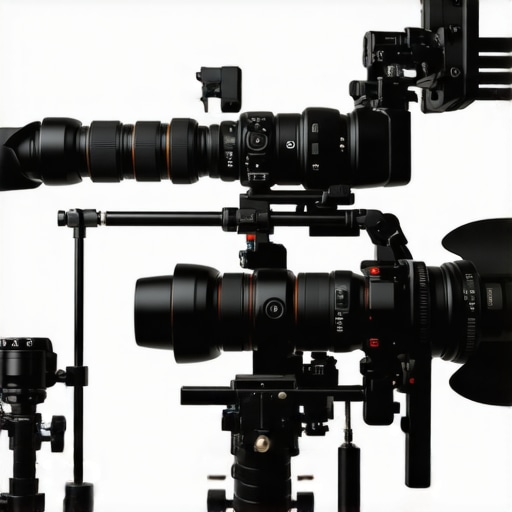
Start by assessing your typical shooting scenarios—if you’re often handheld or working in tight spaces, a lightweight shoulder rig or gimbal might be perfect. I once grabbed a heavy tripod meant for studio shoots for an outdoor run-and-gun project, which led to shaky footage and frustration. Instead, I invested in a portable, versatile support, significantly improving my shot stability and confidence. When choosing supports, consider quick setup and compatibility with your camera, lens, and accessories. Learn more about camera supports here.
Anchor Support Correctly to Avoid Unwanted Movement
Properly mounting your camera on support gear ensures maximum stability. Use quick-release plates for fast transitions, and ensure all clamps are tightened securely. For example, on a recent documentary shoot, my rig kept shifting during a windy day—until I double-checked all mounting points and added a stabilizing strap. This simple step prevented bouncing and resulted in clean, professional shots. Regular maintenance and checks of support gear are vital to prevent wobble or failure during critical moments.
Choose Your Lenses with Purpose and Precision
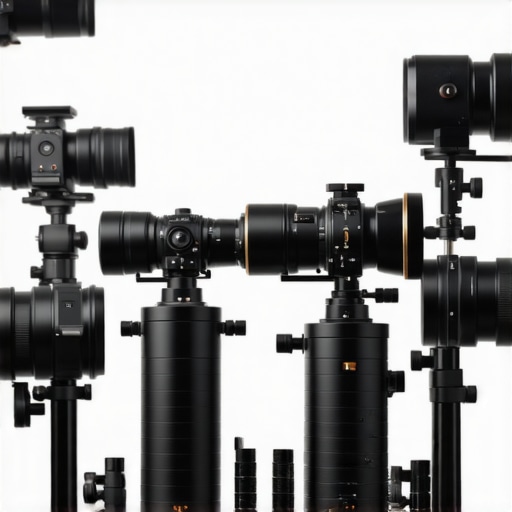
Identify the visual story you want to tell. Are you aiming for a intimate, shallow focus scene or a sweeping landscape? I once borrowed a prime wide-angle lens for an emotional interview, which beautifully isolated the subject against a blurred background. This choice elevated the scene’s intimacy and impact. When selecting cine lenses, prioritize speed (wide apertures), sharpness, and color rendition suited for your camera sensor. Avoid the temptation of over-investing in lenses that aren’t aligned with your project goals; instead, opt for versatile glass that can adapt to multiple contexts. Discover how to pick the right cine lenses for your needs.
Balance Size and Weight for Comfortable Shooting
Heavy lenses can cause fatigue and instability over long shoots. During a recent three-day shoot, I used a large zoom lens for versatility but paid the price in fatigue. I switched to a lighter prime lens after a day, which allowed for more comfortable handheld operation and better focus control. Always consider the physical demands of your gear and select lenses that match your stamina and support system. Using handgrips and follow-focus systems also helps maintain smooth focus pulls without strain.
Set Up Projection and Display for Reliable Viewing
If your work involves screening or client presentations, the quality of your projection setup is crucial. I once relied on a borrowed projector in a dim room, which produced washed-out images—leading to miscommunication. To fix this, I invested in a dedicated cinema projector with adjustable lens throws and a suitable projection screen. For best results, aim for screens that match your space’s lighting conditions and ensure your projector’s lumens output is sufficient. Use top projection screens to improve contrast and color accuracy.
Pick the Correct Screen Material and Size
For smaller rooms, a portable retractable screen with high gains can focus light and enhance brightness. Larger spaces benefit from matte screens that diffuse projection evenly. Remember, the goal is to maximize contrast and clarity without overwhelming viewers. When choosing, consider ambient light and viewer seating distance, and test different materials to see what offers the best image fidelity in your environment.
Optimize Lighting to Shape Your Scene
Lighting defines mood and guides audience focus. I once used a single LED panel coupled with flags to create a dramatic shadow pattern during a night interview. To achieve this consistently, I set up dedicated lighting arrays with adjustable intensity, color, and diffusion. Investing in reliable lighting gear like softboxes, reflectors, and controllable LEDs allows precise control over your scene’s tone. Always plan your illumination based on the scene’s emotional purpose and the technical specifications of your camera to avoid overexposure or underexposure. Deepen your lighting knowledge here.
Use Practical Lights to Enhance Realism
In tight spaces, practical lights such as lamps or candles add authenticity and depth. I once incorporated a vintage desk lamp into a 1930s period piece, which illuminated the actor’s face while adding atmospheric charm—saving me from complex lighting setups. Practicals also serve as motivated light sources that naturally integrate into your scene, reducing the need for extensive lighting gear. Ensure practicals are safely powered and positioned to avoid spilling unwanted light into the frame, and consider dimming or gels to match your overall lighting plan.
While many filmmakers and enthusiasts focus on upgrading their projectors or lenses, a common misconception is that choosing the most expensive or latest gear guarantees cinematic excellence. In reality, the *nuance* lies in understanding how these components interact within your unique setup and the environment they operate in. For example, many assume that larger projection screens always produce better image quality, but without considering room lighting and screen gain, this can lead to washed-out visuals or uneven brightness. The same applies to cinema projectors; selecting a model solely based on resolution neglects critical factors like lumen output and color accuracy, which greatly influence image fidelity. I’ve seen projects falter because of overlooked details—such as ignoring the importance of proper support for cameras, leading to shaky footage despite a high-end camera. It’s essential to recognize that even the best equipment can underperform if not paired with understanding of these subtleties.
**Beware of the ‘More is Better’ Trap in Film Lighting**: Many beginners think that cranking up lights or adding multiple sources enhances their scene automatically. However, over-lighting can flatten contrast and wash out colors, making scenes look unnatural. Proper lighting is about *quality*, not quantity. Using softboxes, flags, and gels to shape light yields better cinematic results than simply increasing brightness. This attention to detail results in richer textures and emotional depth, which are often overlooked.
**Avoid Oversimplifying the Choices of Cine Lenses**: It’s tempting to believe that the most expensive lens always produces the best image, but that’s not necessarily true. The advanced nuance comes from selecting lenses that suit your shooting style and scene requirements. A fast prime might excel in low-light scenarios and offer beautiful bokeh, but a versatile zoom could be more practical for run-and-gun shooting. Recognizing the *trade-offs* of each lens type and matching them with your workflow is what separates a skilled filmmaker from a novice. For deeper insights into how to choose cine lenses effectively, check out this comprehensive guide.
**Mastering Camera Supports to Prevent Frustration**: A common mistake is neglecting the importance of proper support systems. Using a sturdy tripod is just the start; understanding how to quickly assemble, balance, and adjust supports makes the difference in capturing stable footage consistently. Cheap or mismatched supports can introduce unwanted shakiness, even with the most expensive camera. It’s a subtle art—fine-tuning support and securing mounts prevents costly re-shoots. For a detailed explanation on support gear optimization, visit this resource.
**What Most People Get Wrong About Projection Quality**: A surprisingly common misconception is that a high-resolution projector alone guarantees crisp images. Without considering the projector’s lumen output, contrast ratio, or the ambient light conditions, the picture can still appear washed out or faint. Also, choosing the wrong screen material or size can drastically reduce perceived quality. For instance, in a bright room, a high-gain screen paired with a low-lumen projector results in poor contrast. Recognizing that optimal image quality depends on balancing these variables is crucial. Learn more about this balancing act in this detailed guide.
Investing in high-quality projection screens, cinema projectors, lighting equipment, cine lenses, and camera supports is only half the battle; maintaining these tools ensures they perform optimally over time. Regular upkeep not only prolongs the lifespan of your gear but also guarantees consistently professional results in your filmmaking or screening setup. In this section, I’ll share the specific tools and methods I personally rely on to keep my equipment running smoothly and how you can implement these practices to future-proof your investment.
Essential Tools for Long-Term Equipment Care
First and foremost, a comprehensive toolkit is indispensable. I keep a set of precision screwdrivers for minor adjustments, silicone-based lubricants for moving parts on camera supports and projectors, and microfiber cloths for cleaning delicate surfaces. For projection screens and lenses, I use specialized cleaning solutions like anti-static lens wipes and projector screen cleaning sprays—these prevent scratches and maintain clarity without leaving residues. Additionally, investing in a portable power meter allows me to monitor the voltage and current supplied to sensitive devices, preventing power surges that could cause damage.
Bit by bit, I’ve found that a proper maintenance schedule saves time and money. Consistently checking support mounts for stability and adjusting focus and alignment on projectors ensures image quality remains sharp. Modern tools like ultrasonic cleaners have revolutionized lens maintenance; I use one periodically to remove dust and debris from cine lenses, preserving their optical integrity. Integrating these tools into your routine creates a reliable environment for your equipment to thrive, avoiding unexpected failures during critical shoots or screenings.
How do I maintain projection setups over time?
Maintaining your projection and display systems involves routine checks and calibration. I advise routinely cleaning the projector’s internal filters and mirrors with compressed air, which greatly reduces dust buildup and overheating. For screens, I use a soft microfiber cloth and anti-static spray to keep the surface spotless, maximizing contrast and color vibrancy. Regularly verifying the alignment and focusing ensures consistent quality, especially if your setup involves multiple components or movable fixtures. If your workspace suffers from ambient light fluctuations, consider investing in adjustable screen masks or blackout curtains to preserve image clarity. For a deep dive into optimizing your display environment, check out this detailed guide.
Tools I recommend for lighting and lens upkeep
Bright, flicker-free lights are vital, but their longevity depends on proper handling. I use a dedicated LED driver with temperature regulators and dimming controls to prevent overheating. When storing lights, I apply protective covers and store them in padded cases, avoiding unnecessary wear. For cine lenses, I rely on lens filters and caps to prevent dust and damage when not in use, and I carefully label each piece for quick identification during sessions. These small, deliberate steps prevent costly repairs and maintain the optical quality that sets your filmmaking apart.
As the industry moves towards more advanced, digitally controlled support systems, the future of maintenance leans heavily on remote diagnostics and automated calibration. High-end setups now incorporate IoT sensors that alert you to potential issues before they escalate—keeping your projection equipment, lighting, and lenses working seamlessly even during demanding productions. Embracing these innovations now will give you a clear edge as the technology evolves.
Why investing in proper maintenance tools makes all the difference
Without doubt, dedicated maintenance tools and routines safeguard your gear’s performance and longevity. For instance, regularly calibrating your cine lenses with precision focus charts and A/B testing ensures sharpness consistency across projects. Similarly, software updates for digital projectors can optimize color profiles and reduce flicker, just like updating firmware on your camera supports smoother operation. Don’t overlook the value of a small investment in quality cleaning supplies and calibration devices—these pay dividends in professional quality and peace of mind. I highly recommend trying out a lens cleaning ultrasonic cleaner to see how effectively it removes debris and preserves your lens’s optical clarity. For more guidance on high-end equipment care, explore this comprehensive resource.
My Realization About Overestimating High-End Gear
The hardest lesson I learned was that the most luxurious equipment often masks underlying issues like poor technique or support. I once relied solely on top-tier cine lenses, expecting them to elevate my visuals, but without proper support and lighting, the shots still fell flat. It became clear that mastering support systems and lighting techniques makes an even bigger difference than gear alone. Focusing on the fundamentals—like stabilizers and lighting control—has drastically improved my results and saved me from investing in unnecessary equipment.
What No One Tells You About Maintaining Your Cinematic Arsenal
Many filmmakers overlook routine maintenance, assuming gear will last forever. My breakthrough came when I started regular calibrations and cleaning routines, realizing that consistent upkeep prevents costly repairs and optimal performance. Investing in ultrasonic lens cleaners and portable power meters has extended my equipment’s lifespan and kept image quality sharp. My advice? Treat your gear as an investment—think long-term and stay proactive with maintenance to ensure your cinematic tools serve you reliably for years to come.
How I Discovered Support Systems Are the Unsung Heroes
It’s easy to underestimate the power of proper camera supports until shaky footage ruins a shot. I learned this the hard way during a fast-paced outdoor shoot where my tripod was inadequate. Upgrading to a composite support rig and mastering quick assembly techniques transformed my handheld and supported shots, making them appear professional and stable. The key takeaway? Support systems are the backbone of cinematic quality; choosing the right support can make or break your project. For comprehensive insights, check out this guide.
Why Smaller Choices Lead to Bigger Cinematic Impact
Choosing lenses and lighting setups tailored to your scene’s mood and story can transform your visuals more than upgrading to the latest expensive gear. I found that selecting a prime lens with a wide aperture created intimacy in an emotional scene, whereas a simple diffusion filter softened harsh shadows in a night scene. Avoid the trap of chasing specifications; focus on how each piece of gear contributes to your storytelling. Remember, deliberate choices—like the right screen material for projection—can elevate your entire production, making a tangible difference that resonates with viewers. For more expert insights, explore this in-depth resource.
Your Next Step Toward Cinematic Excellence
Deepening your understanding of how each element—support, lighting, lenses, and projection—interacts within your workflow is the key to consistent, high-quality filmmaking. Embrace ongoing learning, invest wisely in tools that serve your style, and remember that careful maintenance safeguards your investment. These lessons are my personal compass, steering me through the complex yet rewarding journey of cinematic craft. The future of filmmaking depends on the choices you make today—build a foundation rooted in knowledge and care.
What’s the biggest mistake you’ve made with your gear, and what did it teach you? Drop your story below—I’d love to hear it!
,
2 Replies to “Best Cine Lenses & Camera Supports for Filmmakers 2024: Top Gear Picks”
Leave a Reply
Related Posts
Ultimate Guide to Cine Lenses and Camera Supports for Filmmakers
My First Encounter with Cine Lenses and Supporting GearWhen I…
![3 Internal-Focus Lenses That Stop 16K T-Stop Drift [2026]](https://cinegearguide.com/wp-content/uploads/2026/03/3-Internal-Focus-Lenses-That-Stop-16K-T-Stop-Drift-2026.jpeg)
3 Internal-Focus Lenses That Stop 16K T-Stop Drift [2026]
I remember the moment clearly. I was on a set,…
Cine Lenses & Cinema Projectors: Top Filmmaking Tools 2024
I'll never forget the moment I spent hours tweaking my…
This post really resonated with me, especially the part about understanding how gear interacts with your workflow. When I started out, I thought that simply investing in high-end lenses and supports would instantly improve my footage. But I soon realized that supporting tools and proper stabilization techniques are equally crucial. I remember borrowing a heavy cine lens for a short shoot, only to struggle with fatigue and shakiness—something I overlooked initially. Since then, I’ve focused on balancing weight and support, and it made a huge difference in my shot stability and overall comfort. Has anyone tried combining lightweight support rigs with different lens setups? I’d love to hear how others manage stability while staying mobile during fast-paced shoots. It’s often the small, purposeful choices that make a big difference in cinematic quality.
I really appreciate this comprehensive look at gear selection and maintenance. Switching gears in my own workflow, I found that focusing on lightweight support rigs not only improved my stability but also increased my agility during shoots. I’ve experimented with compact gimbals and shoulder rigs that are easy to carry but still provide excellent stabilization, especially when paired with prime lenses that are optimized for mobility. What’s interesting is how much the support setup can influence your camera movement style—whether smooth and cinematic or more dynamic and handheld. I also wonder, when balancing support and weight, how do others manage fatigue during long hours? Personally, I’ve started using adjustable straps and frequent breaks to keep my stamina up. Would love to hear tips from others who optimize their gear for both stability and endurance. Sometimes, it’s these small tweaks that make the biggest difference in getting professional-looking shots without burning out fast.