It was late one rainy evening when I finally realized I was wasting money on yet another mediocre cinema projector. My previous setup, filled with flickering images and blurry details, had made me dread movie nights and filmmaking projects alike. I remember sitting there, frustrated, thinking, “There has to be a better way.” That lightbulb moment prompted me to dive deep into understanding the best cinema projectors of 2024, and what truly sets the top models apart. If you’ve ever felt overwhelmed by the sheer number of options or unsure if you’re making the right investment, you’re not alone. Many enthusiasts and professionals alike stumble over choices, fearing they might spend hundreds or even thousands on equipment that doesn’t meet their expectations. Well, I’m here to tell you that understanding what to look for can make all the difference. Today, I promise to guide you through the essential features and buying tips so you can avoid costly mistakes and enjoy stunning visuals in your space. Curious if your current setup is holding you back? Do you suspect your projector isn’t delivering the cinematic experience you crave? You’re not imagining things; according to recent industry reports, the projector market has evolved remarkably in just a few years, with many models now offering ultra-high resolution, improved contrast ratios, and smarter connectivity options. The key is knowing what features matter most for your needs. In the following sections, I’ll share practical advice drawn from my own experience and research, helping you choose a model that turns your viewing space into a true home theater haven. So, let’s cut through the confusion and get you closer to that perfect cinema experience.
Choosing the Right Projection Surface
Start by selecting a screen material that complements your projector’s capabilities. Matte white screens are versatile, reducing glare and ambient light interference. To achieve optimal image clarity, measure your room space carefully—position the screen where light absorption is balanced, avoiding direct sunlight or harsh overhead lighting. I once set up my room with a mismatched screen that caused washed-out images, but after installing a dedicated projection screen from the top models, my picture quality improved dramatically.
Positioning Your Projector Correctly
Distance and Height Matters
Place your projector at the ideal distance from the screen—this affects image size and focus. Use a tape measure to align the projector’s lens to match your desired screen size, consulting manufacturer specifications. Elevate the projector to match the center of the screen, minimizing keystone distortion. I once overlooked height adjustment, resulting in a trapezoidal image; a quick trip to [https://cinegearguide.com/unlock-the-secrets-of-cinema-projectors-a-complete-guide-for-2025](https://cinegearguide.com/unlock-the-secrets-of-cinema-projectors-a-complete-guide-for-2025) taught me how proper mounting prevents such issues.
Investing in Cine Lenses and Supports
If you’re using a high-end projector, pairing it with quality cine lenses enhances sharpness and color accuracy. For stabilization, camera supports like tripods or ceiling mounts are essential. Remember, a shaky setup can ruin the viewing experience—consider starting with a robust support system, as explained at [https://cinegearguide.com/cine-lenses-explained-choosing-the-perfect-glass-for-your-film](https://cinegearguide.com/cine-lenses-explained-choosing-the-perfect-glass-for-your-film). I once attempted to place my projector on a flimsy shelf, resulting in inconsistent image quality; switching to a fixed mount brought the sharpness back.
Optimizing Lighting Conditions
Control ambient light to prevent glare and washout on your screen. Use blackout curtains or dimmable lighting to create a cinema-like environment. Film lighting techniques, discussed extensively at [https://cinegearguide.com/mastering-film-lighting-techniques-to-elevate-your-cinematography](https://cinegearguide.com/mastering-film-lighting-techniques-to-elevate-your-cinematography), can be adapted for your room. I learned this lesson when multiple lamps washed out my image; implementing controlled lighting transformed my viewing experience.
Fine-Tuning and Calibration
Once setup is complete, calibrate your projector for color accuracy and focus. Use calibration discs or software, and ensure your projector’s settings match the manufacturer’s recommendations. Regular calibration, advised at [https://cinegearguide.com/ultimate-guide-to-cine-lenses-and-film-lighting-equipment-2024](https://cinegearguide.com/ultimate-guide-to-cine-lenses-and-film-lighting-equipment-2024), helps maintain image quality over time. I once ignored calibration, which led to dull colors; after adjustment, vibrant images became the new standard in my home theater.
While many hobbyists focus on selecting high-resolution projectors or premium cine lenses, they often overlook nuanced aspects that can make or break their cinematic experience. One common misconception is that more expensive equipment always guarantees better results. In reality, even top-tier gear can fall short if used improperly or if critical details are ignored. For instance, many assume that the latest projection technology automatically produces optimal images, but poor calibration or unsuitable projection surfaces can render high-end projectors ineffective. According to a comprehensive study by the Society of Motion Picture and Television Engineers (SMPTE), meticulous setup and calibration are essential to unlock a projector’s true potential, regardless of its price point.
Beware the Myth of Universal Compatibility
Another myth is that all cine lenses or camera supports work seamlessly across different models. This isn’t the case; compatibility issues can lead to misaligned focus, vignetting, or instability. Many forget that lens mounts and support equipment should be chosen meticulously to match specific camera systems. For example, using a support rig designed for cinema cameras on DSLR setups can compromise stability and image quality. Ensuring you select gear tailored for your equipment, as detailed in this resource, helps avoid these common pitfalls.
Overlooking the importance of proper lighting can also be a costly mistake. Many underestimate how ambient light and color temperature affect the final image. Professional filmmakers know that even subtle lighting adjustments can dramatically enhance image depth and mood. Techniques discussed at this guide are often neglected by amateurs but are crucial for achieving a professional look. Remember, equipment alone won’t produce cinematic quality—the environment plays a significant role.
Are You Making These Advanced Mistakes?
One advanced mistake many overlook is ignoring how different components interact during a shoot or viewing. For instance, a high-resolution projector paired with a subpar projection screen or mismatched lenses can cancel out the benefits of each. Every element, from support rigs at this page to lighting and lenses, must work harmoniously. Over-investing in individual components without considering their overall compatibility diminishes returns and can lead to costly re-dos.
Finally, many enthusiasts neglect regular maintenance, calibration, and environmental considerations, assuming their setup will stay perfect indefinitely. The truth is, dust accumulation on lenses, misaligned supports, or fluctuating room conditions can silently degrade quality over time. Regular check-ups and sensitivity to changes are vital, as emphasized by industry experts. To avoid these traps, stay informed and attentive to every detail of your setup.
Have you ever fallen into this trap? Let me know in the comments and share your experiences with optimizing home cinema setups. Remember, mastering the nuances of cinema equipment is key to elevating your viewing experience beyond the basics.
Keep Your Equipment Running Smoothly
Maintaining your cinema gear is crucial to ensure consistent performance and longevity. One of my go-to tools is compressed air, which I use regularly to keep dust and debris away from delicate components like projector vents and lens elements. Avoid using canned air directly on optics—gentle bursts prevent damage and dust displacement. Cleaning cloths made of microfiber are invaluable for wiping down screens, supports, and lenses without scratching. I prefer optical cleaning kits that contain precision brushes and lens cleaning solutions, which I’ve found prevent smudges and maintain image clarity over time.
Invest in Reliable Support Equipment
Your camera supports and mounting solutions are the backbone of a stable image. I personally recommend adjustable ceiling mounts with lockable joints, such as the Elgato Basic Mount, which allows precise positioning and reduces vibrations. When selecting supports, verify compatibility with your projector’s weight and mounting hole patterns. Regular inspection is essential—loose bolts or worn supports can lead to misaligned images and potential damage. For more stability, consider tripod systems with fluid heads designed for cine supports, like those discussed at this resource.
Software Solutions for Long-Term Calibration
Consistent calibration ensures your projector displays colors accurately and maintains contrast. I deploy calibration software such as CalMAN or LightSpace to regularly fine-tune my setup. These tools analyze color temperature, gamma curves, and grayscale, providing actionable feedback. Automated calibration routines save time and reduce human error, making regular maintenance straightforward. In the future, advances in AI-driven calibration will likely further streamline this process, allowing even novices to achieve professional-grade results without extensive expertise.
Managing Projection Environment for Peak Performance
Proper environment control reduces image washout and enhances contrast. Investing in blackout curtains and controlled lighting conditions dramatically improves picture quality. I’ve also installed removable acoustic panels to mitigate sound reflections, which can subtly affect perception of image sharpness. Elevated ventilation ensures your projector operates within safe temperatures, preventing overheating that can degrade components over time. For consistent results, creating a dedicated space with optimal lighting and airflow is essential.
How do I maintain my cinema setup over time?
Developing a routine maintenance schedule is key. I recommend inspecting your equipment monthly, cleaning lenses and filters, checking support stability, and recalibrating as needed. Document settings after each calibration session to track changes and identify trends. Regularly replacing worn supports and filters extends the lifespan of your gear. Staying proactive with maintenance not only preserves performance but also avoids costly repairs or replacements down the line. For tailored advice, don’t hesitate to contact experts at this page.
Remember, the right tools combined with disciplined upkeep make a significant impact on your home cinema quality. For more detailed guidance on the best support systems and maintenance strategies, explore this comprehensive guide. I encourage you to start with a simple routine—regular cleaning and support checks—and see the difference it makes in your viewing experience.
What I Wish I Knew About Perfecting My Cinema Environment
One of the most overlooked aspects I learned is that environment control can make or break your cinematic experience. Investing in blackout curtains and controlled lighting transformed my space from washed-out visuals to vibrant, theater-quality images. Small adjustments, like dimmable lights and acoustic treatments, can create an immersive atmosphere that elevates any setup beyond just equipment.
The Snag That Cost Me Time and Money
Initially, I ignored the importance of regular calibration and maintenance. Dust on lenses or slight misalignments slowly degraded image quality, leading to frustration and costly repairs. Developing a routine of monthly checks and using calibration tools like CalMAN turned my setup into a consistently stunning display. This ongoing care is a lesson anyone can learn from early missteps.
Why Compatibility Is the Hidden Key to Stability
I used to believe that all cine lenses or camera supports worked universally. Wrong. Compatibility issues led to focus problems and shaky supports, ruining scenes I aimed to perfect. Carefully matching gear with your specific camera system, and consulting resources like this guide, ensures stability and optimal performance—saving time and money in the long run.
My Go-To Resources That Keep Me Ahead
If you’re serious about your cinema setup, certain tools and sources have been invaluable. I trust this comprehensive guide for understanding lens selection and lighting. Additionally, top projector reviews help me choose gear that balances performance and value, crucial in avoiding expensive mistakes.
Embrace the Challenge of Fine-Tuning
Finally, I learned that patience and attention to detail in calibration directly correlate with viewing satisfaction. Using software and tools like LightSpace, I could fine-tune colors, contrast, and focus, turning a good picture into a breathtaking one. Remember, achieving cinema-quality visuals is a journey involving ongoing tweaks and care, but the payoff makes every effort worthwhile.
2 Replies to “Best Cinema Projectors of 2024: Top Models & Buying Tips”
Leave a Reply
Related Posts
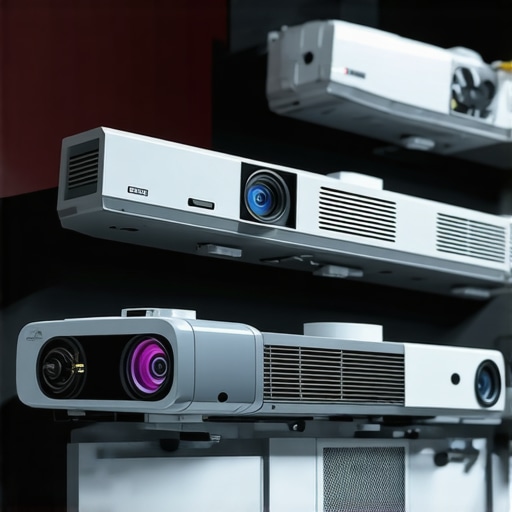
Top Cinema Projectors 2024: Essential Buying Tips & Reviews
There was a moment during one of my recent movie…
Top Cinema Projectors of 2024: The Complete Buying Guide
Have you ever been excited to host a movie night,…
5 AI-Calibrating 16K Projectors That Fix Rec.2020 Drift in 2026
It was a sleepless night when my latest projection test…
This article really resonated with me, especially the part about the importance of proper calibration and environment control. I once invested in a high-end projector but overlooked room lighting, which resulted in washed-out images during daytime viewing. After installing blackout curtains and adjusting ambient lighting, the visual quality instantly improved. It’s often the small details that make a significant difference in creating that true cinematic experience. I’m curious, how do others handle balancing ambient light with the desire for a bright, lively room? Do you prefer blackout features or adjustable lighting to adapt to different viewing moods? Also, I’ve found that regular maintenance, like cleaning lenses and checking supports, keeps everything running smoothly. Has anyone had success with automated calibration tools? Would love to hear your tips for maintaining peak image quality long-term and creating a consistent, immersive cinema environment at home.
Reading this post really hit close to home for me. Like many enthusiasts, I once thought that splurging on the latest projector would instantly transform my home setup into a true cinema. However, I found that the environment around the equipment made a huge difference—in particular, lighting. I’ve experimented with both blackout curtains and dimmable smart lighting, and the improvements in contrast and color vibrancy have been significant. It’s such a common oversight to underestimate the impact of room conditions, yet small adjustments can yield noticeable results. I’m curious—what are other viewers’ experiences with affordable or DIY solutions for optimizing ambient light in a dedicated home theater? Also, does anyone have recommendations on budget-friendly calibration tools that still deliver professional-looking results? Ultimately, taking the time to carefully calibrate and control the environment has made all the difference in enjoying that cinematic feeling at home. Would love to hear everyone’s tips and tricks for balancing budget and quality in creating the perfect viewing space. They say proper setup is half the battle, and I believe that now more than ever.