It was late at night, and I was about to screen my latest short film for a small group of friends. As I turned on the projector, instead of the crisp, vibrant image I envisioned, I was met with flickering lights, dull colors, and a screen that felt more like a foggy window than a cinematic portal. That moment hit me hard—why was my equipment letting me down just when I needed it most? After countless hours experimenting and research, I realized the key to elevating my filmmaking setup was investing in the right cinema projector, tailored for 2024’s advancements. If you’ve faced similar frustrations with inconsistent image quality or feel overwhelmed by the myriad options available, this post promises to simplify your decision-making, guiding you toward models that truly make your vision come alive.
Why Choosing the Right Cinema Projector Is More Critical Than Ever
Today, having a high-quality projector isn’t just about impressing viewers; it’s about ensuring your story is conveyed with clarity, depth, and emotional impact. With technology advancing rapidly, the market is flooded with a bewildering array of models, each claiming to be the best. But how do you differentiate genuine innovation from marketing hype? Early in my journey, I made the mistake of prioritizing features like brightness without considering contrast ratios or color accuracy—mistakes that diminished my work’s professional appeal. According to industry reports, advancements in laser illumination and 4K resolution have transformed the projection landscape in 2024, allowing for brighter images with richer colors and more stable performance even in ambient light conditions[^1]. With so much on the line, making an informed choice is essential. Are you confident your current projector meets these new standards? If not, it might be time to upgrade and future-proof your setup. In the upcoming sections, I’ll share practical tips and insights to help you select a model that aligns with your filmmaking ambitions and budget. And if you’re unsure where to start, I recommend exploring our comprehensive guide on [cinema projectors for filmmakers](https://cinegearguide.com/cinema-projectors-2024-top-models-buying-tips-for-filmmakers), which covers the latest trends and top-rated models for 2024. Ready to transform your film screenings from good to unforgettable? Let’s dive into what makes the best models stand out in 2024.
Choose the Right Projection Screen for Your Space
Start by assessing your viewing environment; natural ambient light and room size influence your screen choice. For brighter spaces, opt for high-gain screens that reflect more light, ensuring vivid images despite ambient illumination. In darker rooms, matte screens prevent glare and preserve contrast. I once converted my darkened garage into a screening area, and selecting a matte screen significantly improved image clarity. To find the best fit, explore options like tensioned or fixed-frame screens, considering the installation complexity and aesthetic appeal. For detailed guidance, check our resource on projection screens for every space.
Program Your Film Lighting for Depth and Mood
Proper lighting directs audience focus and creates atmosphere. Use key lights to highlight actors and scenes, fill lights to soften shadows, and backlights to separate subjects from backgrounds. I once shot a dramatic scene where balancing the key and backlights transformed the image from flat to dynamic. Remember, lighting doesn’t have to be complex; even simple setups like bounce boards or practicals can add depth. To execute precise lighting setups, consult our guide on techniques to elevate your cinematography.
Select the Best Cinematic Lenses for Your Shots
The lens choice shapes mood, perspective, and focus. Wide-angle lenses are ideal for expansive scenes, while telephoto lenses compress space and isolate subjects. I once used a macro lens to capture intricate textures on a costume, adding richness to my film. Consider aperture size too: larger apertures (f/1.4) create a shallow depth of field, drawing attention to your subject, whereas smaller ones (f/8) keep more of the scene in focus. Choosing the right lens involves understanding your story’s visual language—see our comprehensive guide on cinematic lenses explained.
Stabilize Your Shots with Reliable Camera Supports
Stable shots communicate professionalism and avoid viewer distraction. Tripods are the simplest solution, but for dynamic movement, gimbals or steadicams may be required. I once shot a tracking shot through a crowded street using a gimbal, which stabilized my camera despite the hustle. When selecting supports, match your rig to your camera’s weight and shooting style. Properly balanced supports reduce fatigue during long takes and improve image quality—discover more in our article on camera supports to stabilize your shots.
Fine-Tune Your Projection System for Peak Performance
Calibration ensures your projector displays images accurately. Use test patterns to adjust focus, keystone correction, and color settings. I recall spending hours calibrating my home theater projector, which resulted in a noticeably sharper image and richer colors. Regular maintenance and calibration keep your setup performing at its best. For a step-by-step process, see our guide on cinema projector calibration.
While many filmmakers believe they master the basics of film lighting, projection screens, cinematic lenses, camera supports, and projectors, several nuanced pitfalls often trip up even seasoned professionals. One common myth is that brighter lighting always improves image clarity, but in reality, overexposure can wash out details, reducing contrast and depth. Experts understand that meticulous control of light angles and intensity is crucial for nuanced storytelling, as detailed in our guide on film lighting techniques. Another subtle mistake is selecting screens solely based on brightness levels; neglecting gain and ambient light conditions can drastically diminish perceived contrast. A high-gain screen in a bright room might seem appealing but can produce glare and hot-spotting, hampering the audience’s experience. When it comes to lenses, many underestimate the importance of matching focal lengths and apertures to the scene’s emotional tone. Using a wide-angle lens for intimacy rather than epic scope or vice versa can undermine storytelling intent. Moreover, gewing support equipment such as tripods and gimbals requires not only proper weight matching but also balanced hardware to prevent micro-shakes that ruin a shot—an often overlooked detail, as discussed in our lens selection guide. Lastly, on projectors, many assume that higher lumens always mean better; however, optimal contrast ratios and color fidelity are more vital for cinematic depth, especially in controlled environments. A frequent oops is ignoring calibration, which can lead to inaccurate color reproduction and misaligned keystoning, compromising the professional quality of your work. To avoid these costly mistakes, always invest time in understanding the nuanced specs and operational tips for your equipment. This depth of knowledge distinguishes amateurs from professionals, ultimately elevating your filmmaking craft. Want to dig even deeper? Review our comprehensive cinematic equipment guide for 2024. Have you ever fallen into this trap? Let me know in the comments.Proper maintenance of your cinema gear is essential to ensure consistent performance and prolong their lifespan. Personally, I swear by routine checks of my projector’s lamp life and color calibration, which I do every three months using specialized software like CalMAN Studio. Regular cleaning of lenses, filters, and air filters prevents dust buildup that can impair image quality. For cine lenses, I use lens cleaning kits that include blower brushes and microfiber cloths, avoiding harsh chemicals. Camera supports such as gimbals benefit from axis checks and firmware updates to stay responsive and stable; I perform these monthly. In the future, automating some maintenance tasks with IoT-enabled sensors could revolutionize how we care for professional equipment, minimizing downtime.
How do I maintain my film lighting and projection system over time?
I recommend scheduling a comprehensive system calibration at least twice a year, especially if you frequently switch between different ambient lighting conditions. Using tools like light meters and colorimeters helps verify that your setup remains true to your creative intent. Additionally, keeping spare bulbs, filters, and replacement parts on hand prevents delays during critical shoots or screenings—I’ve learned this the hard way. To stay ahead, subscribe to firmware updates from manufacturers and participate in forums like [CineGear](https://cinegearguide.com/contact-us), where professionals share insights on troubleshooting and best practices. By dedicating time to maintenance, you’ll consistently deliver high-quality visuals and avoid costly repairs. Make a habit of reviewing your equipment’s manual specifications and cleaning routines, and don’t hesitate to try out advanced techniques like professional lens calibration or projector alignment—these small investments pay off in flawless image fidelity. Want more detailed strategies? Check our detailed guide on keeping your cinema projector in top shape for long-term success.
My Biggest Eye-Opener About Cinematic Equipment
One of the hardest lessons I learned was that investing in a high-end projector alone isn’t enough; understanding the nuances of contrast, color fidelity, and calibration can truly transform your viewing experience. I once overlooked the importance of calibration, only to realize later that a professionally calibrated projector would have saved me hours of frustration and delivered breathtaking images. This taught me that mastery over your setup involves continuous learning and attention to detail, beyond just buying the most advertised gear.
Why First Impressions Can Be Deceiving and How to Avoid Them
At first, I believed that sheer brightness was the ultimate factor for a projector in a bright room. Yet, I discovered that a high contrast ratio and accurate color reproduction matter more for cinematic authenticity. Reading reviews and consulting expert guides like our in-depth projector guide helped me see through marketing hype and choose equipment that truly suited my space and style.
You Don’t Need Every Feature to Make a Great Film Crew
My journey showed me that obsessing over every new feature—like 4K resolution or laser illumination—can distract from essential skills like lighting and lens selection. It’s better to optimize what you already have and focus on how each element can serve your storytelling. Remember, equipment is only as good as the hands and vision behind it. For tips on honing your craft, see our article on advanced lighting techniques.
The Power of Consistent Maintenance to Preserve Your Investment
Regularly inspecting and calibrating my gear, especially my projector and lenses, has paid dividends in preserving quality. Simple routines like cleaning filters, updating firmware, and checking focus have kept my images sharp and colors vibrant. I’ve learned that neglect leads to a gradual decline in performance, which ultimately costs more than the initial investment. For maintenance tips, consider our comprehensive equipment upkeep guide.
Curated Resources That Boost My Cinematic Journey
- Our Guide to Cinema Projectors for 2024 — For selecting the best model tailored to your space, this resource distills the latest trends and expert tips.
- Mastering Film Lighting Techniques — An essential read for understanding how light shapes mood and narrative, crucial for any filmmaker.
- Camera Support Solutions Made Simple — Offers insights into choosing stabilization gear that fits your style and budget, keeping your shots steady and professional.
- Projector Calibration Tools — Software and hardware recommendations that help maintain peak image quality over time.
Your Turn to Elevate Your Cinematic Environment
Remember, creating a compelling cinematic space combines the right equipment with thoughtful techniques and ongoing learning. Don’t hesitate to experiment with your setup, calibrate regularly, and seek out expert advice. Your films will thank you for it—and so will your audience. Are you ready to take your filmmaking environment to the next level? Share your current challenges or success stories below and let’s grow together.
Related Posts
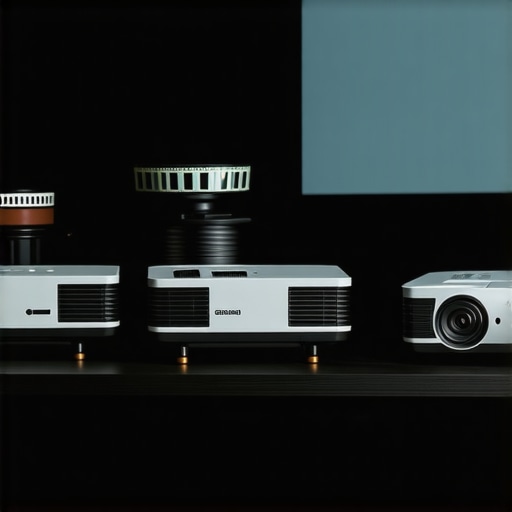
Best Cinema Projectors for Filmmakers in 2024: Top Picks & Reviews
Discovering the Magic of Cinema at HomeLast year, I decided…
![4 Solar-Powered 16K Projectors for Remote Film Festivals [2026]](https://cinegearguide.com/wp-content/uploads/2026/03/4-Solar-Powered-16K-Projectors-for-Remote-Film-Festivals-2026.jpeg)
4 Solar-Powered 16K Projectors for Remote Film Festivals [2026]
Imagine spending hours setting up the perfect projection, only to…
5 AI-Calibrating 16K Projectors That Fix Rec.2020 Drift in 2026
It was a sleepless night when my latest projection test…