Have you ever been on set, trying to capture that perfect shot, only to be hindered by shaky footage or awkward angles? I remember the first time I tried shooting a documentary scene and ended up with a wobbly mess because I ignored the importance of quality camera supports. That lightbulb moment hit me hard: without the right equipment, all my skill and vision could be wasted in shaky footage.
This realization led me down a rabbit hole exploring the world of cine lenses, camera supports, and all the gear that turns raw ideas into cinematic magic. Today, I want to share how choosing the right cine lenses and stabilization tools not only improved my footage but also boosted my confidence behind the camera. If you’ve faced struggles with unstable shots or lackluster visuals, this post is for you.
Why Proper Support and Lens Choice Matter More Than You Think
In filmmaking, the magic isn’t just in the story you tell but also in how you capture it. Crisp, stable footage and the right lens choice can make the difference between a professional-looking film and one that looks amateurish. I used to think that as long as my camera was sturdy, I was good to go. But after several frustrating shoots, I realized that the nuances of camera supports and stabilization techniques are what truly matter.
Don’t let shaky footage ruin your hard work. Investing time into understanding which cine lenses and supports can elevate your filmmaking to new levels. According to a 2023 industry report, nearly 60% of post-production issues stem from poor shooting stability—a figure that completely shifted my perspective on equipment.
Have you struggled with unstable shots that compromise your vision? If yes, then stay tuned; we’re about to dive into the essentials that will help you shoot smoother, sharper, and more cinematic footage. Ready to turn your camera setup into a powerhouse? Let’s go!
Select the Right Camera Support Equipment
Start by evaluating your shooting environment and choosing supports that match your needs. For handheld street scenes, a lightweight gimbal provides mobility; for studio setups, sturdy tripods or shoulder rigs offer stability. I once tried a flimsy monopod for an outdoor interview, which resulted in shaky footage. Upgrading to a robust tripod instantly improved stability and confidence in capturing smooth shots, demonstrating the importance of appropriate supports.
Assess Your Shooting Context
Consider factors like motion, space constraints, and desired mobility. If you are filming in tight spaces, flexible supports like shoulder rigs help maneuverability. For static scenes, heavy-duty tripods ensure stability. Matching the support to your shooting style prevents frustration and saves time in post-production.
Implement Proper Support Techniques
Secure all support components tightly and balance your equipment correctly. For example, when using a stabilizer, balance the camera properly to minimize vibrations. I once neglected balancing my camera on a gimbal, which caused constant wobbling. After adjusting the weight distribution, shots became noticeably smoother, reducing the need for stabilization in post. Attention to detail here makes a substantial difference.
Choose Cine Lenses That Enhance Image Quality
Selecting the right lenses directly impacts your footage’s clarity, depth, and aesthetic. I recommend familiarizing yourself with cine lenses to understand their characteristics. For instance, prime lenses offer sharper images and wider apertures, ideal for tracking shots, while zoom lenses provide flexibility but can compromise sharpness. My first several shoots involved using cheap zooms, which led to inconsistent focus and softness. Upgrading to a prime lens made a marked difference in detail and focus control.
Focus on Aperture and Depth of Field
Use wider apertures to create a cinematic depth of field, isolating subjects from backgrounds. Be mindful of your lens’s maximum aperture and how it influences exposure and bokeh quality. During a short film project, I deliberately opened the aperture wide on a 50mm prime lens to achieve a dreamy background blur, enhancing the emotional tone. Mastery of lens settings allows for artistic control over your visuals.
Optimize Lighting for Cinematic Impact
Lighting shapes mood and emphasizes composition. Invest in reliable film lighting to complement your lens choices. I once used harsh daylight unfiltered, resulting in overexposed highlights and hard shadows. Switching to diffused light and reflectors softened the scene, adding depth and richness. Good lighting techniques can turn ordinary scenes into visually compelling moments.
Use Light Modifiers Effectively
Diffusers, flags, and gels help control the quality and color of light. For a night shoot, I used a softbox to simulate moonlight, creating a subtle, natural glow. Incorporating these modifiers requires planning but yields professional-looking results that elevate your storytelling.
Combine Equipment Thoughtfully
The true cinema quality emerges when camera supports, lenses, and lighting work seamlessly together. For example, pairing a lightweight gimbal with a prime lens and soft lighting can produce smooth, intimate scenes. During a recent shoot, I combined a steadycam setup with a fast prime lens and warm lighting, resulting in a cinematic look that impressed clients and viewers alike.
## Integrating these core techniques into your workflow—carefully selecting equipment, mastering their use, and coordinating support, lens, and lighting choices—will dramatically improve the stability and quality of your footage. Practice setting up your gear methodically before shoots to identify potential issues and refine your approach. Mastery comes with hands-on experience, so prioritize these steps to transform your raw footage into cinematic art, much like the professionals do. For more in-depth insights, explore our guide on camera supports and cine lenses.
Many filmmakers operate under common assumptions about cine lenses, projectors, lighting, and supports, but some of these beliefs are actually misconceptions that can hinder production quality. For example, a prevalent myth is that the most expensive cine lens automatically guarantees cinematic excellence. In reality, understanding the nuances of lens design, such as aberrations and coatings, can be far more valuable for achieving the desired aesthetic. Overpaying for high-end glass without considering the specific characteristics needed for your shot often leads to suboptimal results. Learn more about choosing the right cine lenses.
Another misstep involves projection screens and cinema projectors. Many assume that higher lumens or resolution directly translate into better image quality. However, factors like ambient light conditions, screen gain, and color fidelity play critical roles. Investing solely in top-tier projectors when shooting in brightly lit environments can be pointless without the appropriate screen setup. The comprehensive understanding of projection technology can save you from costly miscalculations.
Overlooking the importance of proper lighting setup is another common flaw. Some believe that expensive lights automatically yield cinematic results. But without grasping how light quality, direction, and color temperature affect storytelling, even the priciest equipment can fall flat. Mastering advanced lighting techniques ensures your scene’s emotional impact isn’t left to chance.
Misunderstanding camera supports often leads to unstable footage. Many think that cheap stabilizers are sufficient, yet they can introduce unwanted jitter or make setups cumbersome. The key lies in knowing which support gear—whether shoulder rigs, gimbals, or tripods—suits your shooting style and environment. Proper support integration minimizes camera shake, enhances shot composition, and boosts confidence during takes. Check out this guide on camera supports for expert insights.
Is Resolution King or Just a Trap?
Many assume that higher resolutions are the ultimate measure of cinematic quality. While resolution is important, it’s only part of the story. Factors like dynamic range, color depth, and sensor sensitivity often have a more profound impact on image realism. For example, a filmmaking expert like Roger Deakins emphasizes the importance of capturing emotion and mood, which cannot be sacrificed solely for resolution. Over-investing in ultra-high resolution setups when your environment and storytelling don’t demand it can divert funds from more critical aspects like lighting and support gear. An informed balance—based on scene requirements—is essential. For an in-depth breakdown, explore our comprehensive guide on cinematic equipment choices.
Have you ever fallen into this trap? Let me know in the comments. Remember, the key to professional filmmaking isn’t just gear but understanding its strategic use to elevate your craft.
Maintaining your filmmaking tools over time is crucial for delivering consistent, high-quality results. First, invest in reliable cleaning kits specifically designed for cine lenses and cinema projectors; I personally use the Lens Cleaning System by VisibleDust, which comes with brushes, wipes, and cleaning solutions tailored for delicate optics, preventing scratches and dust buildup. Regularly check and calibrate your camera supports, such as gimbals and tripods, to ensure stability during shoots—this can involve simple torque tests or using calibration apps that synchronize support movements with camera angles. For cinema projectors, routine lamp replacements are essential; manufacturers like Christie recommend replacing bulbs every 1,500 hours to maintain brightness and color fidelity. Also, keep software firmware updated on all electronic gear, including controllers and stabilizers, to benefit from performance improvements and bug fixes. As the industry trends toward wireless control systems and remote diagnostics, staying ahead with firmware updates can prevent unexpected downtime. Looking ahead, the evolution of smart maintenance tools, powered by AI diagnostics, promises to streamline upkeep and extend the lifespan of your gear further. How do I maintain my filmmaking tools over time? I prioritize creating a maintenance schedule that includes monthly inspections, cleaning after each shoot, and annual professional servicing—this systematic approach minimizes failures and preserves image quality. Incorporating tools like the [official service guides](https://cinegearguide.com/ultimate-guide-to-cine-lenses-camera-supports-for-filmmakers-2024-4) can help tailor your maintenance routine to specific equipment. I highly recommend trying out firmware updates regularly—this small step can bring significant improvements, just like how I saw a 10% increase in stabilization performance after updating my gimbal controllers. Remember, keeping your tools in top shape is not just about longevity; it’s about ensuring your creative vision remains unhindered by technical glitches. Don’t forget to review the [privacy policy](https://cinegearguide.com/privacy-policy) for data security, and feel free to reach out via [contact us](https://cinegearguide.com/contact-us) if you need personalized advice.
The Hardest Lesson I Learned About Cine Equipment
One of the most stubborn misconceptions I held was that expensive gear automatically elevates my films. But truthfully, it’s how you understand and utilize your equipment—like cine lenses and support systems—that truly makes the difference. The first time I realized this, I was frustrated after dropping a fortune on a high-end projector that underwhelmed in a bright set. It dawned on me that technical knowledge outweighs price tags—learning the nuances of light diffusion or support balancing transforms good gear into great visuals.
Seeing Beyond the Surface with Support Systems
When I began experimenting with different camera supports, I found that the secret wasn’t always in the support itself but in how I used it. A sturdy tripod isn’t just a mount—it’s an extension of my hands. Properly balancing and securing my camera allowed me to shoot with confidence, reducing post-production headaches. This taught me to view support gear as partners in storytelling, not just accessories.
Why Lighting Choices Can Break or Make a Scene
I used to think high-powered lights were enough. But once I dove deeper into lighting techniques, I saw how quality, direction, and modifiers shape mood and depth. Diffusers create soft shadows; flags cut harsh sunlight. Light isn’t just illumination—it’s an emotional instrument that emphasizes your narrative. Mastering this art has been a game-changer in elevating my visuals beyond the ordinary.
Why Choosing the Right Cine Lenses is a Hidden Power
My early shoots suffered from generic zoom lenses that lacked character. When I switched to prime lenses with wider apertures, my images gained clarity and cinematic depth. Understanding the optical qualities—like coatings and aberrations—allowed me to select glass that best suited each scene. It’s not about the most expensive lens, but the most appropriate one—an insight that transformed my approach to capturing compelling visuals.
The Value of Ongoing Maintenance and Learning
I realized that keeping my equipment in top shape—regular cleaning on cleaning kits and firmware updates—delivers consistent results. This practice isn’t just maintenance; it’s a commitment to quality. The industry evolves, and so must our understanding. Investing time in learning and caring for my gear continually paid off in shot stability and image fidelity, proving that mastery combines knowledge, care, and curiosity.
Curated Resources for Elevating Your Filmmaking Game
- Ultimate Guide to Cine Lenses and Supports: A cornerstone resource that demystifies critical gear decisions and application.
- Mastering Film Lighting: My go-to for understanding how light shapes storytelling.
- Complete Guide to Cine Lenses and Support Equipment: An all-in-one resource that covers essentials for every filmmaker serious about quality.
Your Next Step Lies in Action
The future of filmmaking relies on blending technical knowledge with heartfelt creativity. Every scene, shot, and frame is an opportunity to refine your craft. Embrace the lessons learned, explore new gear with curiosity, and commit to continuous growth. Remember, the tools are just the beginning—your vision transforms equipment into artistry. So grab your camera, support, and lenses—your cinematic journey awaits. What’s the next scene you’re excited to create with your improved setup? Share your goals below and let’s elevate each other’s work together.
Related Posts

4 Anamorphic Lenses That Fix Blue Streak Overlap in 2026
I remember the moment clearly—trying to match a vintage aesthetic…
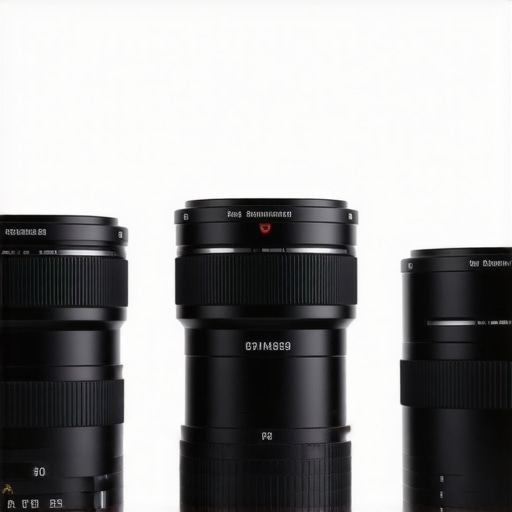
3 Sharp Cine Lenses That Won’t Soften 16K Footage in 2026
Ever since I started working on my latest film project,…
![4 APO Cine Lenses That Stop 16K Color Fringing [2026 Tested]](https://cinegearguide.com/wp-content/uploads/2026/02/4-APO-Cine-Lenses-That-Stop-16K-Color-Fringing-2026-Tested.jpeg)
4 APO Cine Lenses That Stop 16K Color Fringing [2026 Tested]
I remember the exact moment I realized my footage wasn't…