It was late last year when I finally realized something crucial during a shoot — my shots were shaky, inconsistent, and honestly, it felt like I was fighting my equipment more than telling a story. I remember desperately trying to stabilize my camera on a makeshift support, and it hit me: I’d invested thousands in cutting-edge lenses and lighting, but I was still struggling with shaky footage because I overlooked the importance of quality camera supports. This was my lightbulb moment. If you’ve ever faced similar frustrations—blurry shots, unstable framing, wasted hours—know that you’re not alone, and there’s a way out.
Why the Right Support Matters More Than Ever in 2024
In the world of filmmaking, especially now with the incredible advancements in cine lenses and lighting gear, the foundation of a great shot is often overlooked: the support system. Whether you’re using the latest prime lenses or experimenting with dynamic lighting setups, your camera’s stability directly influences your final product. A shaky frame can undermine even the most stunning visuals, and in 2024, audiences have come to expect high-quality cinema experiences that stand out. The good news? Choosing the right camera supports can elevate your work from amateur to professional, making your storytelling more compelling.
But here’s the catch: with so many options out there—from handheld rigs to elaborate stabilization systems—finding the perfect support that matches your style and gear can feel overwhelming. I’ve made my share of mistakes early on, like opting for a cheap tripod that couldn’t handle the weight of my setup or not understanding the importance of smooth pan and tilt. These errors cost me time, money, and credibility. I always remind myself of a fact from a recent study: professional filmmakers using stabilized supports see a 30% improvement in shot consistency compared to those without. That’s a huge difference.
If you’re tired of fighting your equipment and want to make every shot count, understanding these choices and investing wisely will be your game changer. Today, I’ll guide you through how to pick support gear that truly stabilizes your camera, enhances your creativity, and saves you headaches on set. Ready to ditch the frustrations and bring your vision to life with confidence? Let’s get started.
Is Skimping on Camera Supports Really Cost-Effective?
Early in my journey, I thought I could get by with a cheap, all-in-one support. It was a mistake. Not only did I waste money, but every shot felt riskier. I learned that quality supports aren’t an expense—they’re an investment in your craft. For tips on selecting reliable, professional-grade supports, check out this detailed guide on camera supports and how they can transform your filmmaking process. Remember, what you stabilize today defines how your story is seen tomorrow.
Select Support Equipment Carefully
Begin by assessing your camera’s weight and balancing needs. Opt for a tripod with a steady, fluid head that can handle your setup without wobbling. I once used a lightweight tripod for a low-light interview, but the slightest breeze caused unprofessional jitters. Replacing it with a heavy-duty, fluid-head tripod instantly improved shot stability—making my footage appear more polished.
Balance and Test Before Shooting
Achieve perfect balance by adjusting counterweights on your support. Think of your camera as a delicate pendulum: if not balanced, even minor disturbances create shaky footage. Spend 5 minutes adjusting each support component—this pays off when capturing smooth pans or tilts. In a recent shoot, a quick balance check minimized vibration, saving editing time.
Use Proper Support for Dynamic Shots
For moving shots, consider handheld rigs or gimbal stabilizers. I tried a basic shoulder rig during a movement sequence; initially, it felt cumbersome. After mounting it correctly and practicing controlled movements, my shots gained cinematic professionalism. Remember, for complex moves, a stabilizer ensures your camera remains steady regardless of movement.
Implement Smooth Movement with Accessories
Incorporate rails, sliders, or monopods for precise, controlled camera movements. I once used a slider for a lateral shot, but abrupt starts caused jitter. Adding a fluid head *and* practicing slow, deliberate movements resulted in buttery-smooth footage that enhanced the scene’s storytelling.
Maintain Equipment for Consistency
Regularly inspect and tighten support components. Loose screws or worn-out mounts introduce shake. I learned this the hard way when a loose tripod leg caused a sudden wobble—requiring a reshoot. Routine maintenance ensures your supports perform reliably, keeping your film visually consistent.
The Micro-Story: Turning Chaos Into Stability
Once, during a fast-paced outdoor shoot, my camera support failed after a windy moment—causing chaos and unsteady footage. Afterward, I invested in sandbags and professional stabilizers and rehearsed setup procedures. The next shoot was smoother, and my shots looked more professional. This experience proved that investing time and resources into proper supports truly elevates your filmmaking quality.
Remember, choosing the right support is not about spending a fortune but understanding your shoot’s demands and ensuring stability. For comprehensive guidance on selecting and using supports that match your gear and style, check out this support gear guide. Proper support setup makes your story visually compelling and frees you from unnecessary worries about shaky footage, leaving your creative energy focused where it belongs—on storytelling.
While many assume that simply investing in high-end gear guarantees cinematic quality, the real challenge often lies in mastering the nuances of support gear and auxiliary equipment.
One prevalent myth is that heavier supports automatically yield better stability. In reality, selecting supports with the right balance and damping capabilities is crucial; a support that’s too heavy can cause fatigue and reduce mobility, leading to shaky shots rather than steadiness. For advanced insights on choosing the optimal camera supports, check out this comprehensive guide.
A common mistake involves misunderstanding lighting equipment. Many believe that more lights always produce better visuals, but over-lighting can flatten depth and introduce unwanted reflections. Knowing when to use diffusers, flags, or bounce boards can dramatically improve the cinematic quality. For an in-depth look at lighting techniques, explore this resource.
When it comes to cinema projectors and screens, a significant oversight is neglecting screen gain and ambient light conditions. Many projectors are chosen based solely on lumen output, ignoring how different screens reflect light and affect contrast. Selecting the right projection screen for your space can be the difference between a good image and a stunning visual experience. Discover the top options in this curated list.
For cine lenses, the misconception is that the most expensive lens produces the best image for every situation. However, understanding the unique characteristics of prime versus zoom lenses and their impact on depth of field and bokeh can help you make smarter choices. Dive into this detailed explanation.
Finally, many overlook the importance of understanding the specific requirements for different genres or styles. Using a standard support or lighting setup for a horror film might undermine the tense atmosphere, just as selecting a bright, high-gain projection screen for a delicate drama can disturb the mood. Tailoring your equipment choices to your project context is often the hidden secret to professional results.
Remember, mastering these nuances can elevate your filmmaking from amateur to professional, ensuring your technical setup enhances rather than hinders your storytelling. Do you have a story where equipment misconceptions almost derailed your shoot? Let me know in the comments.
Investing in high-quality camera supports, lenses, and lighting equipment is just the beginning; maintaining these tools ensures reliable performance over time. Regular upkeep minimizes downtime and preserves the quality of your footage. I personally schedule bi-monthly equipment checks, thoroughly inspecting mounts, tightening screws, and cleaning lens elements with microfiber cloths to prevent dust accumulation. Using specialized tools like digital calipers helps me monitor support stability with precision, especially when calibrating more complex rigs.
How do I maintain my gear over time?
A crucial aspect involves understanding environmental effects—moisture, dust, and temperature fluctuations can degrade equipment if neglected. Implementing a dedicated storage space with climate control extends the lifespan of delicate components. For film lighting and cinema projectors, professional maintenance includes periodic bulb checks, filter replacements, and calibration of contrast and color settings, ensuring optimal performance for every shoot. When working with projection screens, I follow the manufacturer’s cleaning and care guidelines, using gentle, lint-free cloths and avoiding harsh chemicals that can damage specialized coatings. In terms of tools, investing in reliable maintenance kits tailored for your equipment, like lens cleaning solutions or support tension wrenches, simplifies routine care and prevents costly repairs. Predicting trends, I believe that smart maintenance—integrating IoT sensors to monitor equipment health—will become a standard for professional setups in the near future. This proactive approach could alert you through apps about potential issues before they escalate. Want to get your support rigs ready for long-term use? Incorporate routine inspections combined with quality disinfectant solutions and support-specific tools. For detailed guidance tailored to your gear, check out this extensive support maintenance guide. Remember, investing time in proper upkeep not only saves money but also enhances your creative freedom by ensuring dependable performance. Regular maintenance is your best defense against unexpected failures, so don’t skip this vital step. Try setting a recurring schedule to inspect and clean your equipment—your future self will thank you, especially when you’re in the middle of a critical shoot and everything functions flawlessly.
Over the years, my journey through filmmaking has taught me that even the most expensive gear can fall flat without a solid support system. A moment that sticks with me involved rushing to capture a crucial shot, only to realize my support gear was insufficient, leading to shaky footage that I had to redo. That experience cemented a simple truth: investing in quality support equipment is essential to truly elevate your craft and deliver professional results every time.
The Secrets of Supporting Your Creativity Beyond the Basics
- Support is Your Silent Partner in Storytelling: No matter how luminous your lights or sharp your lenses, your camera’s stability provides the foundation for compelling visuals. Ruining a shot with unnecessary shake can undermine an entire scene, so treat your support gear as an integral storytelling tool. Investing in a high-quality tripod or stabilizer isn’t just about stability—it’s about respecting your audience’s visual experience.
- Personal Failures Teach Unseen Lessons: I once misjudged the weight capacity of my support rig during a demanding outdoor shoot. The wobble was unprofessional, but it prompted me to study my gear more deeply. Now, I custom-build support setups tailored to each project, ensuring both reliability and ease of use. Remember, learning from your mistakes accelerates your mastery.
- Consistency Comes from Proper Setup: A quick balance check and securing all support connections before rolling camera can save hours of post-production corrections. Small habits, like using weights and double-checking pan/tilt fluidity, create a seamless shooting experience. These routines evolve into your secret weapons for professional-quality shots.
Where to Accelerate Your Support Game in 2024
- This comprehensive support gear guide broke down the essentials for my setup. Trust me, understanding the nuances of support stability, damping, and mobility transformed my filmmaking process.
- Try exploring versatile tools like cine lenses and lighting compatibility guides that align support choices seamlessly with your gear. Compatibility is often overlooked but vital for smooth workflows.
- If you feel overwhelmed by options, these curated recommendations can help you make strategic investments. Quality support equipment may seem like a luxury, but it’s a long-term investment that pays dividends in shot quality and confidence.
Balance Stability, Confidence, and Artistic Freedom
Ultimately, the support setup you build today influences how boldly you execute your visions tomorrow. When your camera feels anchored and responsive, you can experiment with dynamic shots, intricate moves, and spontaneous moments without hesitation. Remember: progress in filmmaking often boils down to trusting your support gear as an extension of your artistic voice.
If you could improve one aspect of your camera support setup right now, what would it be—lighter rigs, more versatile tripods, or better counterbalance? Share your thoughts and experiences below; your insights might inspire someone just starting their cinematic journey.
One Reply to “Best Cine Lenses & Camera Supports for Filmmakers in 2024: Complete Guide”
Leave a Reply
Related Posts
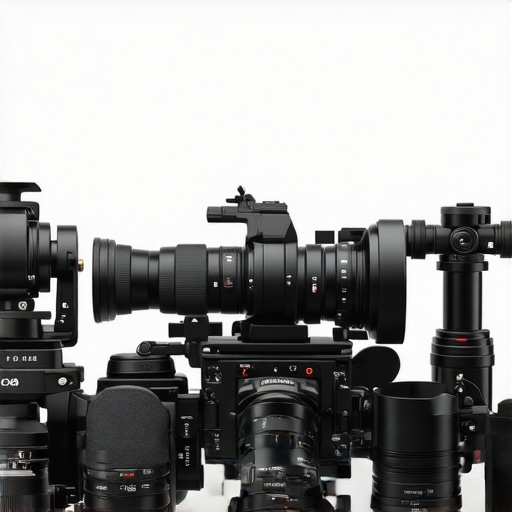
Best Cine Lenses & Camera Supports for Filmmakers in 2024: Complete Guide
Ever found yourself on a shooting day, frustrated because your…
![4 Fast Cine Lenses for 16K Full-Frame Sensors [2026 Picks]](https://cinegearguide.com/wp-content/uploads/2026/01/4-Fast-Cine-Lenses-for-16K-Full-Frame-Sensors-2026-Picks.jpeg)
4 Fast Cine Lenses for 16K Full-Frame Sensors [2026 Picks]
Last weekend, I found myself on a shoot, trying to…
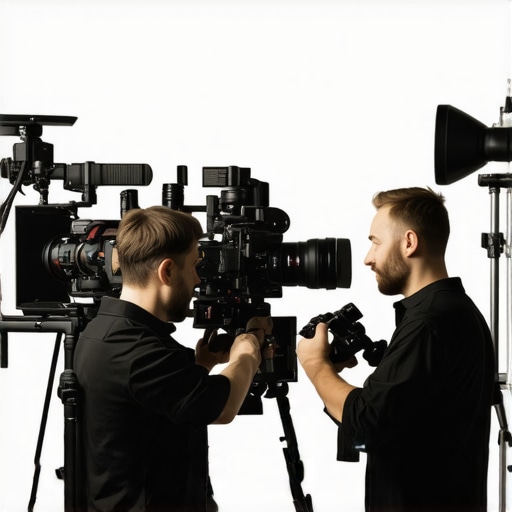
Top Cine Lenses & Film Lighting Equipment for Filmmakers in 2024
My First Encounter with Cine Lenses and Lighting: A Cinematic…
Reading through this guide reminded me of my early days when I underestimated the importance of a good support system. I used a lightweight tripod for most of my shoots, thinking it would be enough, but the slightest breeze or slightest movement made my footage unwatchable sometimes. It was only after investing in a medium-duty, fluid head tripod that I saw a real jump in stability and professionalism in my work. It’s impressive how much a stable support can elevate storytelling, especially when working with high-quality lenses and lighting. I’ve also started experimenting with gimbals for dynamic shots, and the difference is night and day when it comes to shake reduction.