Ever had that sinking feeling when you’re on set, and your shot just isn’t coming together? Maybe your lens flare is off, or your camera shake ruins a perfect scene. I remember the first time I tried to shoot a crucial sequence without proper support—by the end, I was exhausted, and the footage was shaky enough to make even the most forgiving editor cringe. That lightbulb moment made me realize: the right cine lenses and camera supports aren’t just accessories—they’re game-changers. If you’re tired of battling equipment flaws and want to elevate your filmmaking, you’re in the right place. Today, I’ll share how to choose the best gear for 2024, so you can focus on what really matters—telling your story.
Why Getting Your Gear Right Can Make or Break Your Film
As a filmmaker, I’ve learned that the difference between a good shot and a great one often comes down to the tools I use. High-quality cine lenses can add depth, clarity, and cinematic flair that cheap optics just can’t match. Meanwhile, the right camera supports keep your shots steady and smooth, even in challenging environments. When I first started, I made the mistake of thinking that any lens would do—big mistake. I ended up with footage that looked amateurish and a backache from trying to hold the camera steady. Once I invested in a solid support system and learned to pick lenses suited for my style, everything changed. The scene looked more professional, and shooting became less stressful. And trust me, this isn’t just my opinion—studies show that stable support and quality optics significantly improve the visual quality of your films.
In this guide, I’ll walk you through the latest trends and must-have equipment for 2024. Whether you’re a seasoned pro or just starting out, understanding how to select the right cine lenses and camera supports can save you time, money, and a lot of frustration. Ready to stop fighting your gear and start making movies you’re proud of? Let’s dive in.
Is Investing in High-End Gear Actually Worth the Hype?
Early in my career, I believed that expensive gear was just a status symbol. Turns out, I was wrong. I once bought a cheap tripod because I thought it wouldn’t matter—until I shot a pivotal scene and my camera wobbled every time I moved. That mistake cost me precious time and added post-production headaches. Today, I swear by quality supports and lenses, especially ones recommended in industry guides like this comprehensive resource. The right equipment isn’t just about bragging rights; it’s about making your work look professional and ensuring your vision isn’t compromised. If you’ve faced similar setbacks, you’re not alone. Let’s explore how you can make smarter choices this year and avoid the pitfalls I once fell into.
Choose the Right Cine Lenses for Your Style
Start by identifying the visual look you want to achieve. Do you need sharpness and minimal distortion or a softer, more artistic feel? I once experimented with a set of vintage lenses for a moody scene and discovered that their unique character added depth that modern lenses couldn’t replicate. Research options like prime lenses for sharpness or zooms for flexibility. When selecting, consider factors such as aperture size for low-light situations and compatibility with your camera system. For detailed comparisons, check out this guide to pick the perfect glass for your project.
Invest in Quality Camera Supports
Stability is everything. Using a sturdy tripod or a gimbal can transform shaky footage into smooth, cinematic shots. I remember shooting a dynamic chase scene where I initially relied on a lightweight tripod—resulting in jittery footage. Swapping to a professional support system, like a shoulder rig combined with a stabilizer, made all the difference. Think of camera supports as the backbone of your shot—without a reliable one, even the best lenses can’t save shaky footage. To understand the nuances of selecting and using supports, explore this comprehensive resource.
Matching Lenses and Supports with Your Shooting Environment
Assess your shooting conditions. Will you be moving through tight spaces or capturing wide landscapes? For confined spaces, compact lenses paired with portable supports like monopods are ideal. For expansive scenes, larger supports such as steadicams or jibs come into play. I once filmed an outdoor festival, using a handheld stabilizer to move through crowds smoothly—helping me capture candid moments without sacrificing stability. Remember, the key is synergy: the right lens and support combo tailored to your environment enhances the story you’re telling. For inspiration on projectors and screens for outdoor setups, visit this resource.
Test and Adjust Before the Shoot
Never underestimate the power of preparation. I always dedicate time to test my lens and support combinations beforehand. During a shoot, I once found that my support was too loose, causing minor shakes that became noticeable in the footage. Tightening the support and adjusting my lens settings improved the final shot. Think of this process like tuning a musical instrument—small adjustments make a significant difference in the end. Always check your gear in the environment similar to your shoot, so surprises are minimized. For comprehensive gear recommendations, visit this guide.
When diving into the world of cinema gear, many enthusiasts and even seasoned filmmakers fall prey to misconceptions that can hinder the quality of their productions. Let’s dig deeper into some widespread myths and reveal the hidden nuances that can make or break your filmmaking experience.
Why Bigger Doesn’t Always Mean Better with Projectors
Many believe that the largest, most expensive cinema projectors guarantee the best image quality. In reality, factors like contrast ratio, color accuracy, and lumen output are more critical than size or price alone. An underrated but crucial aspect is the projector’s ability to handle ambient light—overlooking this can lead to disappointing visuals despite top-tier specs. The industry expert this guide highlights how choosing the right projector involves nuanced considerations beyond the basics. Remember, a well-calibrated, appropriately matched projector delivers a more immersive experience than a flashy, oversized model.
Common Pitfalls in Choosing Cine Lenses
Contrary to popular belief, expensive cine lenses aren’t always the best choice for every project. Many assume that the pricier the glass, the more cinematic the footage. However, understanding the specific optical characteristics—such as the lens’s distortion, bokeh quality, and flare behavior—is essential. For example, vintage lenses can impart a unique character that modern lenses can’t replicate, adding depth and emotion to your shots. An often-overlooked nuance is the importance of matching lens aperture and focal length to your shooting environment, which can dramatically impact scene mood. For more insights, check this detailed explanation.
Pro-Level Support Equipment Is Not Always Necessary
There’s a misconception that only high-end support rigs will do the job. While quality supports do improve stability, the secret lies in knowing how to optimize what you have. For instance, lightweight rigs and monopods can be surprisingly effective when used correctly, especially in dynamic or constrained environments. The real trick is understanding the physics of support systems—like balancing your camera’s weight and adjusting tension—skills that can be learned without the latest equipment. This resource offers valuable tips on maximizing your existing gear.
Are Projection Screens Really That Important?
Many believe that any screen will do as long as the projector is good. But the hidden nuance is that the screen’s material, gain, and surface texture can significantly influence image clarity and color fidelity. Matte screens reduce glare, while high-gain surfaces boost brightness but may introduce hotspots. Selecting the right screen depends heavily on your environment and desired visual effect. A poorly chosen screen can diminish even the best projector’s potential, so investing in the proper surface is crucial. For a comprehensive overview, visit this guide.
Have you ever fallen into this trap? Let me know in the comments. Remember, understanding these nuances can elevate your filmmaking from amateur to professional. Stay curious, and keep experimenting with your gear to unlock its full potential.
Maintaining your cinema equipment is essential to ensure consistent performance and longevity. As someone who’s spent years working with high-end cine lenses, projection systems, and camera supports, I can tell you that a proactive approach saves time and money in the long run. First, regularly inspect your lenses and filters for dust, scratches, or fungus. Using a microfiber cloth and lens cleaner specifically designed for optical glass keeps your images crisp and avoids costly replacements. For projection systems, cleaning the lens and air filters every few months prevents overheating and dust buildup that can diminish image quality. When it comes to supports like tripods and gimbals, check tension points and mountings—loose screws or worn parts can cause instability, affecting your shots.
Invest in quality cleaning tools, such as sensor swabs and blower brushes, and avoid household cleaners that may damage sensitive components. Additionally, keep your gear stored in climate-controlled environments, away from humidity and extreme temperatures, which can accelerate deterioration. For digital management, back up your software and firmware updates regularly—many modern cinema projectors and camera systems benefit from firmware patches that optimize performance and fix bugs.
Predicting future trends, I believe the integration of smart diagnostics and remote monitoring will become standard. Devices will alert you when maintenance is needed before problems arise, much like how modern cars notify drivers of tire pressure issues. Staying ahead with these tools will make your workflow more efficient and reduce downtime.
### How do I maintain my cinema equipment over time?
One of my favorite tools for ongoing maintenance is the industry-leading lens cleaning system. It’s reliable and safe for delicate optics, ensuring my lenses stay spotless without risking damage. For support gear, I prefer carbon fiber tripods with quick-release plates—they’re lightweight yet sturdy, and I can set up or tear down in seconds, which is crucial during fast-paced shoots.
Looking ahead, I see a move toward AI-powered maintenance diagnostics, which will streamline gear upkeep even further. Imagine software that automatically detects lens misalignment or projector bulb aging and recommends precise actions. This trend will make maintaining professional-grade equipment more accessible and less time-consuming.
To keep your gear performing flawlessly, I recommend adopting routine checks and investing in high-quality cleaning supplies and protective storage. If you need personalized advice or assistance, don’t hesitate to reach out through our contact page. Give one of these expert tips a try today, and your gear will thank you in the years to come.
The Hardest Lesson I Learned About cinema projectors,cine lenses,projection screens,film lighting,camera supports
One of my most eye-opening experiences was realizing that investing in high-quality lenses and robust supports can drastically elevate your film’s visual impact. I once struggled with shaky shots and dull images, thinking that budget gear was enough. The moment I switched to professional cine lenses and stabilizers, everything changed—my shots became more cinematic, and my stress levels dropped. This taught me that smart investments in your gear aren’t just about bragging rights—they’re about unlocking your film’s true potential.
3 Myths About cinema projectors,cine lenses,projection screens,film lighting,camera supports That Held Me Back
First, bigger cinema projectors aren’t always better; their brightness and contrast matter more, especially in less-than-ideal lighting conditions. Second, expensive cine lenses are not necessarily the best fit for every project; understanding optical traits like flare and distortion is key. Third, pro-level supports are great, but knowing how to optimize your existing gear can make a huge difference. These misconceptions kept me from making smarter choices early on, and I hope sharing my lessons helps you avoid similar pitfalls.
What Experts Won’t Tell You About cinema projectors,cine lenses,projection screens,film lighting,camera supports
The hidden secret is that matching your gear to your specific environment and storytelling style yields the best results. For instance, a compact lens and lightweight support can outperform bulky equipment in tight spaces. Also, a well-calibrated projector that handles ambient light can outperform larger, more expensive models. These insights come from years of trial, error, and mentorship—trust me, the devil’s in the details, and paying attention to them makes all the difference.
Curated Recommendations for Shooting Smarter in 2024
My Essential Toolkit for Filmmaking Success: The industry-standard Zeiss CP.3 lenses offer exceptional sharpness and color reproduction, trusted by professionals worldwide. The Edelkrone SliderPlus is my go-to for smooth slides and reliable build quality. For supports, the Manfrotto 504HD tripod strikes the perfect balance between stability and portability. Additionally, the comprehensive Ultimate Guide to Cine Lenses and Camera Supports provides in-depth reviews and tips that have saved me countless hours.
Your Turn to Try
Choosing the right cinema gear is an ongoing journey, but every step closer to professional quality is worth it. Remember, your tools are just the start—your vision and creativity turn them into art. Don’t be afraid to experiment and learn from each shoot. For personalized advice or to share your experiences, reach out through our contact page. Now, go out there and craft the cinematic stories only you can tell!
Related Posts
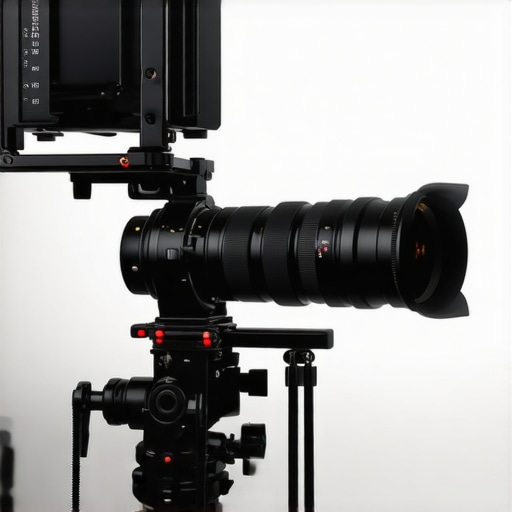
Ultimate Guide to Cine Lenses & Camera Supports for Filmmakers in 2024
My Journey Into the World of Cine Lenses & Camera…
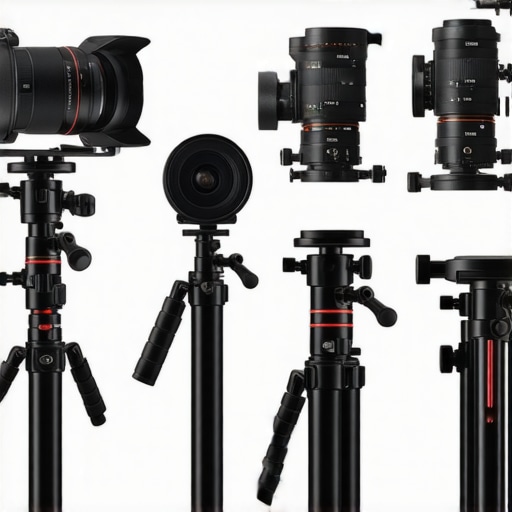
Ultimate Guide to Cine Lenses & Camera Supports for Filmmakers 2024
Ever had that gut-wrenching moment on set when your shot…
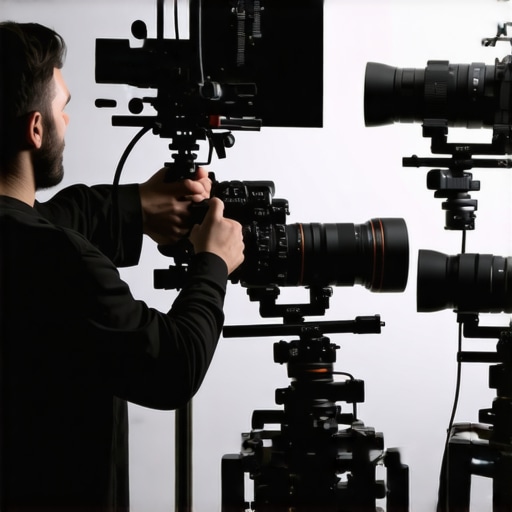
Best Cine Lenses & Camera Supports for Filmmakers in 2024: Complete Guide
It was late at night, and I was trying to…