I remember the first time I spent hours agonizing over a cine lens choice, only to realize I had no clue whether it was the right one for my project. It was a lightbulb moment—how could I be so overwhelmed by options without understanding what truly mattered? That confusion cost me valuable time and, ultimately, quality. If you’ve ever felt lost amid the sea of camera gear and cine lenses, you’re not alone. The good news? There’s a way to cut through the noise and make smarter choices that elevate your filmmaking game.
Why Getting Your Camera Gear Right Matters Right Now
Filmmaking is evolving fast, and the tools we use are more powerful—and more confusing—than ever. With 2024’s market flooded with options, from affordable zooms to high-end prime lenses, it’s easy to buy based on hype rather than real need. The truth? Your gear should serve your creative vision, not complicate it. Choosing the wrong lenses or supports can lead to shaky shots, poor focus, or even post-production headaches. According to a recent survey, over 60% of filmmakers report that mismatched gear hampers their workflow and storytelling quality. That’s a staggering number, and it highlights why understanding your equipment is crucial.
Have you ever bought a lens because everyone said it was the best, only to find it didn’t match your style? Or worse, spent hours trying to stabilize shots because your support gear was inadequate? I’ve been there. Early in my career, I made the mistake of investing heavily in fancy glass without grasping the fundamentals—like crop factor impacts or lens speed. It’s a mistake I see many beginners make, and it’s avoidable. The key is learning to match your gear to your project’s needs, and that’s exactly what this guide aims to do.
Is All the Hype Around Cine Lenses Actually Worth It?
Many new filmmakers worry they’re missing out on the latest must-have lenses, but the truth is, not every project requires top-tier glass. It’s tempting to chase the newest models or the most expensive gear, but I’ve learned that understanding your specific needs and budget is more important. For instance, I once wasted thousands on a lens that was lauded as “professional grade,” only to find it didn’t suit my shooting style or environment. That costly mistake taught me the importance of research and realistic expectations. If you’re feeling overwhelmed, remember: the right gear is the one that helps you tell your story best, not necessarily the most expensive or hyped-up option.
Ready to stop second-guessing your gear choices? In the next sections, I’ll walk you through practical steps to pick and pair the perfect lenses, supports, and accessories for your filmmaking journey. Whether you’re just starting or looking to upgrade your kit, my goal is to make the process clearer and more manageable so you can focus on what truly matters—your story.
Prioritize Your Filmmaking Goals Before Buying
Think of selecting your cine lenses like choosing the right paintbrush for a masterpiece. I once bought a set of ultra-wide lenses for a documentary shoot, but I overlooked that my project required a different focal length for intimate interviews. To avoid this, write down your project’s core needs—whether it’s capturing sweeping landscapes or detailed close-ups—and match your gear accordingly. This clarity prevents costly mistakes and keeps your budget focused.
Match Your Lens Type to Your Shooting Style
Are you shooting handheld or on a tripod? Do you prefer natural light or controlled studio setups? For instance, I once used a fast prime lens in a low-light scene, and the shallow depth of field beautifully isolated my subject. Conversely, a zoom lens gave me the flexibility to capture dynamic action shots during a documentary. Decide if you need prime lenses for sharpness and speed or zooms for versatility. Check out this guide for more insights.
Understand and Use the Crop Factor to Your Advantage
If you’re shooting with APS-C or Super 35mm sensors, your lens’s effective focal length changes. I once shot with a 50mm lens on a Super 35mm camera and thought I was capturing standard portrait shots, only to realize the framing was tighter than expected. Always check your camera’s sensor size and multiply the lens’s focal length by the crop factor—usually 1.5x or 1.6x—to understand what you’re actually recording. This simple step prevents surprises and helps you select the right lens for your composition.
Test Your Gear in Real Shooting Conditions
Nothing beats hands-on testing. I remember borrowing a cine lens for a weekend shoot, only to find its focus throw was tighter than I expected, making precise focusing tricky. By dedicating time to test lenses in conditions similar to your project, you reveal quirks and limitations early. Spend an afternoon on location with your gear, shoot some scenes, and evaluate the results. This practice saves you from post-production frustrations and sharpens your technical skills.
Pair Your Lenses with Appropriate Supports
Even the best lens can’t shine if your support gear is inadequate. I once shot a complex scene with a heavy cinema lens on a shaky tripod, resulting in unstable footage. After switching to a sturdy, well-damped support system, my shots became smoother, and my focus pulls were sharper. Learn about camera supports to optimize your setup. A stable base ensures your lenses perform at their best, especially during handheld or dynamic shots.
Invest in Knowledge and Practice
Finally, dedicate time to study your gear. I regularly review comprehensive guides and practice techniques like focus pulling and depth control. The more familiar you are with your lenses’ behavior, the more confident and creative you become. Consistent practice transforms gear from a source of confusion into an extension of your artistic vision.
Many filmmakers operate under assumptions about cine lenses that can lead them astray, costing time and quality. Let’s dig deeper into some of the most persistent misconceptions and reveal the nuanced truths that can elevate your craft.
Why Bigger Always Means Better for Your Lens Choices?
A widespread myth is that larger, more expensive cine lenses automatically produce superior image quality. In reality, size and cost often reflect build quality and feature set, not optical performance. Advanced optical design, coatings, and aperture control are more critical factors. For example, some budget-friendly lenses with minimal aberrations and high sharpness outperform their pricier counterparts in real-world shooting. Always evaluate lenses based on your specific needs and test results, not just price tags or size. This approach aligns with expert advice from industry professionals who stress understanding the optical characteristics over hype.
The Oops! Overlooking the Impact of Lens Flare and Ghosting
Many assume that all lenses handle flare equally, but neglecting this can lead to unwanted artifacts in your footage. Cheaper or poorly coated lenses tend to produce significant flare and ghosting when shooting toward bright lights, which can ruin an otherwise perfect shot. Advanced cine lenses often incorporate multiple coatings to minimize these effects, but even then, knowing how your lens behaves in different lighting conditions is essential. Testing your gear in controlled environments can reveal these quirks, saving you from post-production surprises. Remember, flare can be used creatively, but it’s a tool, not a flaw to ignore.
Beware of the Focal Length Trap
One of the most advanced mistakes is misunderstanding how focal length interacts with your sensor size and shot composition. Many assume a 50mm lens on a Super 35mm sensor provides a natural perspective, but crop factors can change that perception significantly. For example, a 50mm on an APS-C sensor behaves more like a 75mm, resulting in a tighter framing than expected. This nuance can make or break your shot composition, especially when working with tight budgets or limited lens options. Always multiply the focal length by your sensor’s crop factor to understand your actual framing. This attention to detail ensures your visual storytelling remains intentional and precise.
Have you ever fallen into this trap? Let me know in the comments.
Keeping your filmmaking gear in top shape is crucial for delivering professional results over time. From delicate lenses to robust support systems, understanding how to maintain your equipment ensures longevity and consistent performance. Personally, I rely heavily on a few specialized tools and methods that have proven effective in my workflow. Let me share some of these with you, along with insights into where this trend is heading in the future.
How do I maintain my camera gear over time
Regular cleaning is the foundation of gear maintenance. I use a lens cleaning kit that includes a microfiber cloth, sensor swabs, and a blower brush. This helps remove dust and smudges without scratching delicate surfaces. For more stubborn dirt, I opt for professional-grade cleaning solutions recommended by manufacturers, which can be found on trusted sites like CineGear Guide.
Beyond cleaning, inspecting your support systems is vital. I personally use a rigorous support maintenance routine that involves checking for loose screws, lubricating moving parts, and replacing worn-out pads. This prevents camera shake and focus issues during critical shoots. Investing in quality support systems like those reviewed on CineGear’s top supports ensures your gear remains stable, especially during long shoots.
Software tools also play a role in long-term maintenance. I employ firmware updates and diagnostic software provided by manufacturers to keep my cameras and lenses operating smoothly. These updates often include bug fixes and performance enhancements that prevent potential issues before they arise.
Future trends in equipment longevity and scalability
As technology advances, I predict a shift towards modular, easily serviceable gear that reduces waste and extends lifespan. Manufacturers are increasingly adopting eco-friendly materials and offering repair kits for common issues. Additionally, cloud-based diagnostics and remote support are becoming more prevalent, allowing technicians to troubleshoot and update equipment without physical intervention. Embracing these innovations now will prepare you for a more sustainable and scalable filmmaking future.
Start by integrating regular cleaning routines with high-quality tools, and don’t overlook the importance of support system checks. Try implementing firmware updates regularly, and consider investing in modular gear that can grow with your projects. Proper maintenance isn’t just about avoiding failure; it’s about ensuring that your gear remains a reliable partner in your creative journey for years to come.
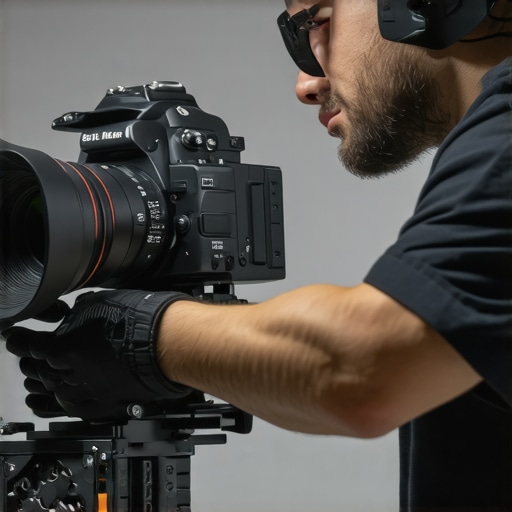
Image of a professional camera technician performing maintenance on a cinema camera, emphasizing the importance of regular gear upkeep.
Lessons Filmmakers Rarely Talk About That Changed My Approach
- Don’t Rely Solely on Popularity: I once bought a lens because it was trending, only to realize it didn’t match my style. Now, I test thoroughly before investing.
- Understand Your Camera’s Sensor: The crop factor can dramatically alter your lens’s effective focal length. Knowing this saved me from framing mistakes during shoots.
- Test Your Gear in Real Conditions: Borrowing a lens for a day revealed focus throw quirks I wouldn’t have noticed in a store. Hands-on testing is invaluable.
My Go-To Resources for Smarter Filmmaking Gear Decisions
- CineGear Guide’s Lens Guides: Deep insights into different lens types and their best use cases.
- Support System Reviews: Reviews of the most stable, reliable support gear I trust for dynamic shoots.
- Lighting and Support Tips: Combining proper lighting with stable supports transforms footage quality.
Your Next Step in Filmmaking Starts Now
Embrace the learning curve and trust your judgment—your visuals will thank you. The right gear, paired with knowledge, empowers you to tell stories that resonate. Keep experimenting, stay curious, and remember: in filmmaking, the process is just as important as the final shot.
2 Replies to “Cine Lenses and Camera Gear: Ultimate Guide for Modern Filmmakers 2024”
Leave a Reply
Related Posts
![4 Cine Primes That Kill Image Grain in 16K Low-Light [2026]](https://cinegearguide.com/wp-content/uploads/2026/04/4-Cine-Primes-That-Kill-Image-Grain-in-16K-Low-Light-2026.jpeg)
4 Cine Primes That Kill Image Grain in 16K Low-Light [2026]
I remember the moment vividly. I was on a tight…
Best Cine Lenses & Camera Supports for Filmmakers in 2024: Complete Guide
It was late at night on a set that seemed…
![5 Fast Cine Primes That Stop Sensor Bloom in 2026 [Tested]](https://cinegearguide.com/wp-content/uploads/2026/03/5-Fast-Cine-Primes-That-Stop-Sensor-Bloom-in-2026-Tested.jpeg)
5 Fast Cine Primes That Stop Sensor Bloom in 2026 [Tested]
I still remember the tense moment on set when a…
This is such a comprehensive guide, and it really hits home how important it is to match your gear to your specific project needs rather than just chasing the latest trends. I remember starting out and falling for hype around certain lenses or supports, only to realize they didn’t suit my style or environment. Testing gear in real conditions has made the biggest difference for me; it’s amazing how some quirks only show up during actual shooting. I’ve found that investing time in that hands-on approach saves a lot of headaches later on. I’m curious—how often do others revisit their gear choices as their style evolves? Do you find that what worked early on still holds up, or do you often find yourself upgrading or changing your setup? Love to hear other experiences on maintaining gear relevance over time.
Reading this detailed guide really resonated with my own journey as a filmmaker. I used to believe that bigger, more expensive lenses automatically meant better quality, but through trial and error, I realized what really matters are optical performance and how well a lens matches your shooting style. I also learned the hard way that overlooking lens flare or crop factors can severely impact my shots, especially in tricky lighting or tight framing situations. What’s been eye-opening is how often I still revisit my gear choices, especially when trying to adapt to new types of projects or evolving creative goals. Testing in real shooting conditions is definitely the best way to spot quirks and limitations that aren’t obvious in store demos. How do others balance upgrading gear with refining their current setup, especially when budgets are tight? I’d love to hear how your approaches have changed over the years to keep your gear relevant and effective.