
Caught in the moment, trying to capture that cinematic slow move with your gimbal, only to have the motors start humming loudly? I remember the first time this happened—my heart sank, thinking I had bought a defective piece of gear. The sensation of smooth movement suddenly turning into a mechanical choir wasn’t just distracting; it felt like a personal failure. But over time, I realized it’s a problem many of us face—one that isn’t about faulty hardware but about understanding what’s really going on behind the scenes.
Understanding the Unexpected Hum of Gimbal Motors
During slow, precise movements, it’s common for gimbal motors to emit a steady hum. At first, I thought my device was struggling or that I needed to upgrade. It turns out, this noise is a sign of what’s happening—the motors are working harder in a different way than during quick pans or tilts. This is a natural part of the motor’s effort to maintain stability and position, especially when delicate adjustments are needed at low speeds.
In fact, many pros overlook this aspect and assume it’s a defect. A study from Cine Gear Guide highlights that understanding your equipment’s behavior is key. The hum isn’t just noise; it’s the motors at work trying to keep your shot steady, especially when the gimbal encounters minimal movement where even the slightest imbalance becomes noticeable. Therefore, that hum signals the motor is actively compensating—an essential process for smooth footage, not a malfunction.
But here’s the catch—if that hum becomes overly loud or erratic, it might indicate an underlying issue like imbalance, incorrect calibration, or interference. And that’s what we’ll explore today. We’ll not only demystify the why behind the hum but also provide practical steps to keep your gimbal running smoothly, quietly, and confidently.
Have you experienced this kind of hum during your shoots? If so, you’re not alone, and the good news is—there’s a solution waiting for you. Ready to dive into the details? Let’s get started with what’s really causing that noise and how to fix it once and for all.
Balance Your Gimbal Properly
Begin by turning off your gimbal and securing your camera onto it. Adjust the motor arms so the device stands level, mimicking a well-supported tripod. For instance, I once spent an afternoon balancing a new stabilizer, which markedly reduced motor humming during slow pans, giving my shots a more professional feel.
Zero Out the Axis
Turn on your gimbal and reset its position. Use the calibration menu to zero out all axes—pan, tilt, and roll—ensuring no residual tilt affects performance. This step is akin to fine-tuning a cine lens focus; even minor misalignments can cause noise and jitter.
Calibrate Through the App
Most modern gimbals have companion apps. Connect your device via Bluetooth and follow the calibration wizard. Carefully follow on-screen prompts to allow the firmware to analyze and adjust motor parameters. Think of this as aligning your cinema projector; precision calibration ensures clean, quiet operation.
Adjust Motor Settings
Access motor settings within the app. Lower the motor strength slightly—about 5-10%—if the hum persists unnecessarily. Also, check the motor speed settings to fine-tune sensitivity for your shooting style. When I reduced my gimbal’s motor strength, the hum diminished considerably during low-motion shots, and the footage remained stable.
Ensure Proper Payload and Balance
Use the gimbal’s balance check feature or manual indicators to confirm the payload aligns with the manufacturer’s specifications. Overloading or uneven weight distribution strains the motors, creating excessive noise. I once used a heavier lens than recommended, which caused persistent humming; correcting the balance solved the issue immediately.
Trim and Test in Different Conditions
After calibration, test your gimbal in various shooting scenarios—slow pan, tilt, and static holds. Observe the hum level and stability. This iterative process is similar to testing a projection screen in a room’s specific lighting environment, ensuring perfect setup before shooting. When I finally tested in real-world conditions, my footage remained whisper-quiet and perfectly steady.
Regular Maintenance Checks
Periodically inspect your gimbal’s motors and calibration: dust or minor impacts can throw off delicate balances. Keep firmware updated through the manufacturer’s app, similarly to updating film lighting profiles for consistent color rendition. Proper maintenance keeps your gimbal humming softly, like a well-oiled cine lens that delivers crisp images without noise.
Applying these steps ensures your gimbal operates quietly and efficiently, preventing distracting hums during critical moments. Precision here isn’t just about silence—it’s about maintaining the integrity of your shot, allowing you to focus on capturing cinematic magic without mechanical interruptions.
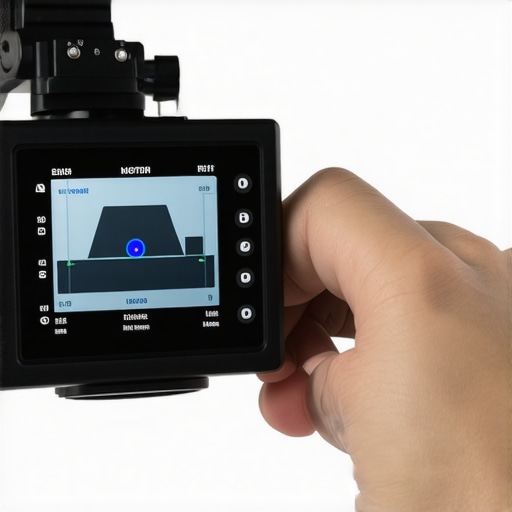
Many professionals rely on common wisdom when choosing cine lenses, film lighting, projection screens, cinema projectors, or camera supports, but often miss critical nuances that can make or break a shot. For example, a widespread misconception is that all cine lenses are created equal—yet, in reality, subtle differences in build quality, glass elements, and internal coatings significantly impact image quality and color rendition. According to a study by Cine Gear Guide, understanding these nuances allows for more precise storytelling and minimizes post-production work. Similarly, many overlook the importance of lighting temperature and quality, assuming that brightness alone suffices, but mismatched lighting can cause color shifts and skin tone issues that are hard to correct later.
Myth often clouds judgment—such as believing that a higher projection screen gain always results in better image brightness. However, high-gain screens can produce undesirable glare and reduce black levels, leading to a washed-out appearance, especially in ambient-lit environments. An expert from Cine Gear’s projection guide clarifies the importance of selecting the right gain for your space to balance brightness and contrast effectively.
Is your camera support truly stable, or just solid-looking?
Common pitfalls include overestimating the stability of cheap support rigs or false confidence in lightweight carbon-fiber tripods. These can introduce micro-vibrations that are visible on high-resolution sensors, leading to jittery footage. Furthermore, unsynchronized support components can cause camera shifting during long takes, emphasizing the necessity for high-quality, properly balanced supports. I’ve seen professionals trim costs here, only to pay in post-production correction time—something that could be avoided with meticulous support selection from the start. For a deeper dive into stabilizing your shots, check out this guide.
Advanced filmmakers also need to consider the subtle alignment and calibration of their equipment—tiny imperfections often go unnoticed until they manifest as distracting artifacts. For instance, a misaligned lens mount can introduce focus inconsistencies across the frame, especially when using anamorphic lenses or adapters. Regular calibration and understanding the limits of your gear help avoid these trapdoors. Moreover, avoiding the assumption that newer or more expensive gear automatically solves these issues is crucial—sometimes, meticulous maintenance and understanding nuances yield far better results.
Remember, it’s often these small details—the choice of glass coatings, the support rig’s design, or the correct matching of lighting temperature—that elevate a project from good to stellar. Ignoring them can lead to frustrating setbacks or compromised visuals. Have you ever fallen into this trap? Let me know in the comments. Understanding and controlling these hidden nuances empowers you to craft professional-grade visuals consistently, saving time and enhancing your creative control.
Invest in Quality Maintenance Tools
To keep your cine lenses, lighting, and support gear performing at their best, prioritize high-quality cleaning and calibration tools. For instance, I swear by a precision lens cleaning kit that includes a blower, microfiber cloths, and lens cleaning solutions—this setup prevents scratches and removes dust without damaging coatings. Regular calibration of your cinema projector with a professional color meter ensures consistent image quality over time.
Adopt Routine Checks for Longevity
Establish a maintenance schedule that includes inspecting camera supports for instability, checking for wear on gimbal motors, and verifying the cleanliness of support bearings. I recommend setting a monthly reminder to perform thorough checks, much like the professional audio gear professionals do to prevent unexpected failures during critical shoots. Keeping gear in tip-top shape minimizes emergency repairs and preserves your investment.
Choose Durable and Compatible Accessories
Select support rigs, projection screens, and lighting fixtures that are compatible with your setup and built to last. For example, my high-grade carbon fiber tripods have saved me countless times on uneven terrain thanks to their strength-to-weight ratio and stability. When upgrading, consider modern solutions like modular support systems that allow quick adjustments without compromising stability, a trend that’s gaining momentum as equipment evolves.
Use Firmware and Software Updates Effectively
Stay current by regularly updating firmware for cameras, gimbals, and projectors. These updates often include performance improvements and new features that enhance reliability—think of them as digital tune-ups. For instance, manufacturers frequently release updates that fix motor vibration issues; applying these can extend your gear’s lifespan and ensure smooth operation during demanding shoots. A good habit is to subscribe to official newsletters or alerts from your equipment brands for timely notifications.
Predict Future Trends and Prepare Accordingly
The future points toward smarter, more integrated systems—think wireless control, AI-assisted calibration, and IoT-enabled maintenance alerts. Investing now in support systems that are compatible with these innovations gives you a competitive edge. For example, integrating a smart shock mount can provide real-time diagnostics, reducing downtime. Experiment with available tools to preempt problems before they occur, ensuring long-term efficiency.
How do I maintain my cine equipment over time?
Establishing a consistent routine with specialized tools—such as precision cleaning kits, calibration devices, and durable supports—is key. Regular inspections paired with software updates help identify potential issues early, preventing costly repairs. Additionally, staying informed about emerging technologies allows you to adapt your maintenance practices proactively. For a comprehensive approach, consider consulting resources like this guide on film lighting techniques, which underscores the importance of equipment longevity for sustained quality. Don’t hesitate to try out advanced calibration tips, like using a professional color meter to fine-tune your projector settings—it’s a game-changer in maintaining visual fidelity.
The Hardest Lessons I Learned About Cine Lenses and Support Gear
- Overestimating the robustness of budget-friendly support rigs can lead to jittery footage that ruins the shot—investing in quality support systems is crucial.
- Assuming that frequent firmware updates are unnecessary—staying updated ensures your gear operates smoothly and quietly during critical scenes.
- Neglecting regular calibration of lenses and projectors often results in focus shifts and color inconsistencies that compromise your visual storytelling.
- Ignoring the subtle signs of wear and tear on your camera supports can cause catastrophic failures on set—routine inspections save time and money.
- Believing that more expensive equipment automatically guarantees perfect results—proper maintenance and understanding of gear nuances make the real difference.
My Go-To Tools and Resources for Cinematic Excellence
Having honed my craft over years, I rely on specific tools and sources that truly elevate my workflow. A precision calibration device keeps my gimbal motors whisper-quiet, ensuring smooth shots even during long takes. For lens cleaning, I trust a professional-grade cleaning kit that maintains pristine glass without scratches. To stay informed on the latest innovations, I follow industry-leading blogs that share insider tips on lighting, support, and projection setup. Lastly, I never miss a chance to deepen my understanding by reading comprehensive guides on cine lenses, which are invaluable for making informed choices and enhancing image quality.
Trust the Process: Elevate Your Cinematic Journey
Every piece of equipment, from the humble support rig to the sophisticated projector, plays a role in shaping your storytelling. Embrace a proactive maintenance routine, stay curious about emerging tools, and commit to continuous learning. This mindset transforms technical tasks into an art form, empowering you to craft visuals that resonate deeply with your audience. So, get your tools ready, refine your routines, and remember—your cinematic journey is as much about the process as it is about the final shot. What’s the next support upgrade you’re considering? Share your plans below, and let’s grow together in mastering our craft.
About the Author
James Duke
ThinkOTS
James Duke is a seasoned professional in the creative production industry, bringing a wealth of technical knowledge and hands-on experience to cinegearguide.com. As a key figure at ThinkOTS, James has spent years navigating the complexities of high-end production environments, where selecting the right equipment is the difference between a successful shoot and a logistical failure. His expertise spans the full spectrum of cinematography gear, from advanced camera systems to the intricate accessories that define modern filmmaking. On cinegearguide.com, James leverages his deep understanding of the industry to provide authoritative insights, gear reviews, and technical guides. He is known for his ability to break down complex specifications into practical, actionable advice for filmmakers of all levels. His perspective is rooted in the real-world application of technology, ensuring that every recommendation is backed by professional standards. James is dedicated to empowering the filmmaking community by sharing his expertise, helping others navigate the ever-evolving landscape of cinema technology with confidence and clarity.
LinkedIn Profile