
It happened again—I’m mid-shoot, camera securely mounted on my tripod, and suddenly I notice the image wobbling just enough to spoil the shot. That frustrating, almost imperceptible wiggle that messes with focus, stability, and overall professionalism. I used to spend precious minutes trying to tighten and readjust, only to realize later that the problem was my tripod plate not staying put. It was a lightbulb moment: why is this happening, and more importantly, how can I make sure my camera stays rock-solid?
Don’t Let a Wiggly Tripod Plate Sabotage Your Shots
A shaky tripod plate isn’t just a minor annoyance; it can ruin an entire sequence, waste hours of setup time, and even damage your gear if it causes falls or abrupt slips. Over the years, I’ve learned that these issues often stem from overlooked details—whether it’s worn-out locking mechanisms or incompatible mounting plates. Recognizing the root causes means you can prevent wobbling before it starts, ensuring your shots stay sharp and your setup remains reliable.
Is Your Tripod Plate Actually Worth the Hype?
One common mistake I made early on was assuming that all tripod plates are created equal—believing that a quick tighten would suffice. In reality, cheap or poorly designed plates tend to loosen over time, especially under the weight of heavy lenses or prolonged shoots. Investing in quality supports and learning how to secure them properly is crucial. If you’ve faced similar issues, you’re not alone, and there are proven methods to fix and permanently secure your tripod plate. Curious about the best practices? Keep reading; I’ll walk you through my tried-and-true tips to eliminate wobble once and for all.
For a deeper dive into standard camera supports and how to stabilize your shots, don’t hesitate to visit our detailed [article on camera supports](https://cinegearguide.com/camera-supports-demystified-stabilize-your-shots-like-a-pro). Staying proactive now will save you time and protect your gear during every shoot—so let’s get into the practical solutions that made a real difference in my filmmaking journey.
Secure the Locking Mechanism Properly
Start by firmly tightening your tripod’s quick-release lever or screw, ensuring it’s not just snug but fully engaged. I once ignored this step, and during a windy outdoor shoot, the camera wobbled dangerously. After that, I always double-check that the locking lever clicks into place with conviction, giving me peace of mind that the plate won’t slip unexpectedly.
Tighten in the Correct Sequence
Some tripods have multiple locking points—like clamps on the legs and the center column. Tighten these sequentially, starting from the bottom up, to evenly distribute pressure. This prevents undue stress on any one joint, which could lead to wobbling. During a documentary shoot in rough terrain, I impatiently rushed this step, resulting in subtle instability. Now, I always follow a methodical tightening pattern to keep everything locked tight.
Use Locking Accessories for Extra Security
If your tripod plate still feels loose, consider adding a rubber pad or a torque wrench designed for tripods. These tools help apply a consistent amount of pressure, avoiding over-tightening that could damage components. I added a rubber grip during a shaky handheld stabilizer test, and it made my camera feel anchored, drastically reducing minor movements.
Apply Thread Locking Compound (When Appropriate)
For critical setups, applying a small amount of thread locker adhesive to mounting screws can prevent loosening over time. Be cautious: choose a removable type like Loctite Blue. In a recent long shoot, this avoided a last-minute readjustment after the equipment shifted mid-session, saving valuable time and preventing potential mishaps.
Check and Re-Tighten Regularly
No matter how secure your initial setup, vibrations and shifts can loosen locks. Make it a habit to periodically check all locking points during your shoot, especially after transportation or if environmental conditions change. During an outdoor concert shoot, I learned this the hard way—after 30 minutes, I re-tightened several joints and eliminated residual wobble, maintaining shot stability throughout the event.
Simplify with Dedicated Locking Tools
Investing in tools like quick-adjust wrenches designed for camera supports can speed up re-tightening and ensure consistent torque. These are invaluable when working under pressure or setting up multiple rigs, preventing accidental over-tightening that might damage threads or plates. During a multi-cam setup, I kept a wrench nearby, which made testing and readjusting swift and reliable, and kept my camera secure.
Implement Preventative Improvements
Finally, inspect your tripod for signs of wear—stripped threads or worn clamps. Replacing worn parts and tightening loose screws will prevent future wobble. In a recent upgrade, swapping out my old clamp after noticing wear completely eliminated minor slippage issues, giving me confidence for future shoots. For any support-related questions or to explore options, visit our contact page.
Many filmmakers and enthusiasts fall into common misconceptions regarding projection screens, cine lenses, lighting, cinema projectors, and camera supports. One particularly insidious myth is that higher luminosity always equals better picture quality for projection screens. While bright screens can seem advantageous, they often lead users to ignore critical factors like screen gain, ambient light handling, and viewing angles. For example, high-gain screens boost brightness but can create hotspots and degrade black levels, resulting in a less immersive experience.
Are Brightness Levels Misleading Your Screen Choices?
Research from the Fraunhofer Institute highlights that optimizing for ambient light conditions is far more effective than chasing maximum brightness. Instead of assuming that stronger lumens mean a better experience, professionals analyze gain ratings and reflectivity to select screens suitable for their specific environment. This nuanced approach ensures vivid visuals without sacrificing contrast or detail.
Similarly, a common mistake with cine lenses is oversimplifying their characteristics, especially by focusing solely on focal length and aperture. Enthusiasts often assume that cheaper lenses simply produce inferior bokeh or softness. In reality, a lens’s optical design, coating, and mechanical elements play significant roles in image quality. For instance, modern prime lenses with high-quality glass and coatings can outperform more expensive zooms, especially when paired with proper lighting setups. To truly elevate your cinematography, mastering the interplay of lens choice and lighting is essential. Check out our film lighting techniques to understand how to complement your lens selection.
The Hidden Risks in Camera Supports and Rigging
Even seasoned camera operators sometimes neglect the critical details when supporting their gear. A prevalent mistake is assuming that all tripod heads and support systems are compatible and secure without thorough checks. Cheap support equipment may save money initially but can introduce vibrations, sagging, or accidental drops — especially under long or demanding shoots. Always verify weight ratings, locking mechanisms, and mounting compatibility. Overlooking these nuances can lead to catastrophic failures on set. I once experienced a rig collapse due to a support system that wasn’t rated for my lens and camera weight, causing delays and risking damage. To prevent this, explore our camera support guide for expert insights into safe and reliable rigging practices.
What Advanced Mistakes Do Even Professionals Make?
One often overlooked pitfall is neglecting proper calibration and maintenance of cinema projectors and lighting. For example, many assume that once set up, calibration is a one-time task. However, environmental factors like temperature, humidity, and even dust can degrade image quality over time. Regular recalibration and maintenance ensure consistent performance. According to projector calibration experts, ignoring these nuances can lead to issues like color shifting, uneven brightness, or focus drops, compromising the viewing experience. Investing in routine checks and understanding the subtle variables affecting your gear can elevate your production quality significantly. Want more in-depth guidance? Visit our projector calibration tips page for advanced insights.
Maintaining your cinematic equipment isn’t just about preventing failures; it’s about ensuring consistent performance that allows your creativity to shine. From projection screens to camera supports, having the right tools and routines can dramatically extend the lifespan of your gear and keep your production running smoothly.
Invest in Precision Calibration Devices
One of my top recommendations is using a professional-grade color meter, such as the X-Rite i1Display Pro Plus, to regularly calibrate your monitors and projectors. Accurate color reproduction is critical, especially when color grading or matching shots from multiple cameras. Regular calibration with trusted tools minimizes drift and guarantees your visual quality stays top-notch. For projector calibration, don’t neglect environmental factors—dust, ambient light, and temperature—these all impact image quality. Refer to our projector calibration tips for detailed guidance.
Use High-Quality Support Equipment
When it comes to camera supports, I personally rely on modular systems from Miller or Manfrotto, which offer adjustable, robust support with anti-vibration features. I avoid cheap tripods because they tend to sag or wobble over long shoots, especially with heavy lenses. To ensure long-term reliability, I invest in support gear with adjustable tightening controls and replace worn-out clamps promptly. Regularly cleaning and lubricating support joints using silicon-based lubricants keeps them smooth and lockable. Check out our camera support guide for comprehensive advice.
Maintain Projection and Lighting Equipment with Routine Checks
Projection bulbs, especially high-lumen cinema projectors, benefit from scheduled maintenance. Using manufacturer-approved cleaning kits and replacing lamps proactively before failure avoids unexpected downtime. For lighting, switching to solid-state LED fixtures reduces the frequency of bulb replacements and offers more consistent color temperatures over time. Implementing a maintenance schedule with checklists for filters, lenses, and cooling systems ensures your gear stays in optimal condition. According to the latest industry insights from industry expert analysis, adopting solid-state lighting significantly reduces maintenance costs and enhances reliability.
How do I keep my equipment performing flawlessly?
Developing a routine for cleaning, inspecting, and testing your gear before each shoot is vital. For instance, I habitually run through a pre-shoot checklist that includes verifying support stability, calibrating monitors, and inspecting cables and connectors for wear. Additionally, storing equipment in climate-controlled cases and using dust covers prevents environmental damage. Investing in tools like torque wrenches for support tightening, and carrying spare bulbs and batteries, can prevent small issues from becoming big delays. Remember, regular maintenance is the key to long-term success—so commit to a schedule if you want your gear to be reliable when it counts.
If you’re looking for a comprehensive way to streamline your maintenance routines, consider incorporating automation tools like data loggers or sensor-based monitors that alert you to temperature spikes or vibrations. As predictive maintenance becomes increasingly accessible, adopting these technologies can save you time and money while preventing equipment failure. Start by evaluating your current setup and try implementing one advanced tip from this guide—your future self will thank you.
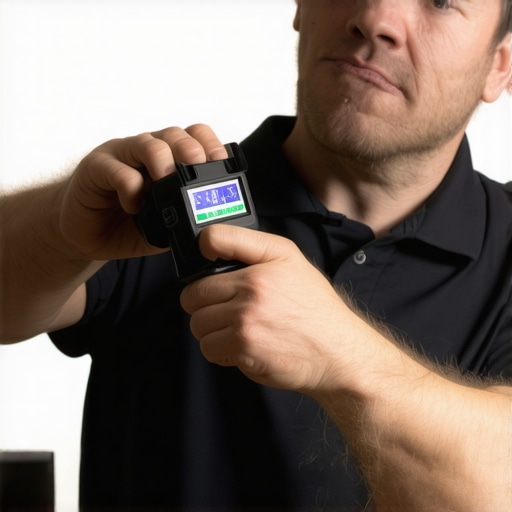
The Hardest Lesson I Learned About supporting gear
One of my most overlooked lessons was realizing that even the most expensive support systems can’t compensate for worn-out or incompatible parts. Regularly inspecting and upgrading support equipment is vital to prevent unexpected failures. Neglecting this can lead to shaky shots, wasteful re-sets, and potential gear damage, ultimately undermining your creative process.
What I Didn’t Know About Calibration and Long Shoots
I used to think that calibration was a one-and-done task. Now I understand the importance of scheduled recalibrations, especially after environmental shifts like temperature changes or prolonged use. Regular maintenance ensures consistent image quality and saves time from troubleshooting avoidable issues, reinforcing the need for routine checks, especially with cinema projectors and monitors.
Why High-Quality Supports Are Worth Every Penny
Investing in reliable, modular camera supports from trusted brands like Miller or Manfrotto transformed my shooting experience. Cheap tripods not only wobble but can compromise safety. The stability they provide enhances shot precision, allowing me to focus solely on the creative aspect, rather than worrying about gear failure mid-recording.
Recommended Resources That Changed My Approach
- Camera Support Demystified: A comprehensive guide that breaks down essential support setups and safety tips. Trust it for reliable, professional advice.
- Projection Equipment Maintenance Tips: Regular upkeep routines for cinema projectors and lighting gear, helping prevent costly downtime.
- Lighting Techniques for Cinematography: This resource inspires me to optimize my lighting setups for every scene, making my visuals more compelling.
- Projection Screen Selection Insights: For environments with challenging ambient light, choosing the right screen gain makes all the difference.
Embrace Your Power to Improve Every Shoot
p>Every piece of gear, from tripods to projectors, holds the potential to elevate your craft. By taking proactive steps—regular maintenance, investments in quality, and continuous learning—you unlock a new level of confidence and creativity. Remember, mastery isn’t just about tools; it’s about how you nurture and understand them. So, challenge yourself today to review your support systems or calibration routines; small improvements lead to big gains. What quick maintenance fix will you implement first? Let me know below and start transforming your filmmaking process now!
}}
About the Author
James Duke
ThinkOTS
James Duke is a seasoned professional in the creative production industry, bringing a wealth of technical knowledge and hands-on experience to cinegearguide.com. As a key figure at ThinkOTS, James has spent years navigating the complexities of high-end production environments, where selecting the right equipment is the difference between a successful shoot and a logistical failure. His expertise spans the full spectrum of cinematography gear, from advanced camera systems to the intricate accessories that define modern filmmaking. On cinegearguide.com, James leverages his deep understanding of the industry to provide authoritative insights, gear reviews, and technical guides. He is known for his ability to break down complex specifications into practical, actionable advice for filmmakers of all levels. His perspective is rooted in the real-world application of technology, ensuring that every recommendation is backed by professional standards. James is dedicated to empowering the filmmaking community by sharing his expertise, helping others navigate the ever-evolving landscape of cinema technology with confidence and clarity.
LinkedIn Profile