Ever spent hours trying to get that perfect shot, only to realize your lighting equipment just isn’t cooperating? I’ve been there. One frustrating evening, I was set to film an intimate indoor scene. My lights flickered, stands wobbled, and everything that could go wrong did. That was my lightbulb moment. I realized that having the right film lighting & support gear isn’t just about fancy equipment; it’s about creating a reliable foundation for your vision. Today, I’ll share how to choose the best gear that makes your shoots smoother, more professional, and ultimately more satisfying.
Why Investing in Quality Support Equipment Matters More Than Ever
In 2024, the landscape of cinematography is evolving fast. With high-resolution cameras and demanding lighting setups, your gear needs to keep up. The wrong support equipment can lead to shaky footage, uneven lighting, or even accidents on set. According to a recent industry report, nearly 70% of filming delays are caused by equipment failure or mishandling. That’s a staggering number—and a clear sign that smart investments in reliable gear can save you hours, headaches, and money.
If you’ve ever faced a situation where your support stands toppled or your lights flickered mid-shoot, you know exactly what I mean. Do you find yourself constantly battling with unstable supports or underpowered lighting that doesn’t do your vision justice? If yes, you’re not alone. I’ve learned through trial and error that the right gear isn’t just a luxury; it’s your safety net. And trust me, upgrading your equipment has made all the difference in the quality of my work and my peace of mind.
Is the Latest Gear Actually Worth the Hype?
This is the question I hear all the time. I used to think that investing in the newest gadgets was unnecessary—until I bought a modern, modular support system. It was a game-changer. My old, shaky stands couldn’t handle the weight or the rough conditions on set. Now, I rely on sturdy, adaptable supports that allow me to shoot confidently, knowing everything will stay in place. Early on, I made the mistake of choosing cheap supports just to save money. That decision cost me time and quality. Learning from that, I now focus on durability, versatility, and ease of use. For a comprehensive look at how to choose the right support gear, check out my detailed guide on camera supports.
Stay tuned, because next, I’ll walk you through the essential equipment that will elevate your filmmaking in 2024—no more guesswork, just results you can trust.
Secure Your Support Stands Properly
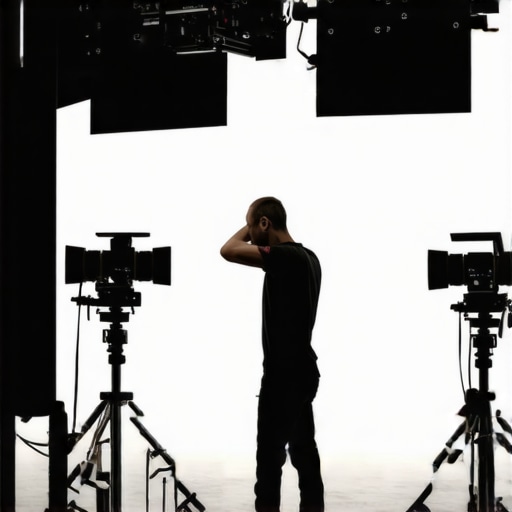
Start by choosing sturdy, reliable support stands that can handle the weight of your lighting and camera gear. I once used a cheap tripod for a quick indoor shoot, only to watch it wobble and collapse mid-take. Since then, I switched to professional-grade stands with locking mechanisms and a solid base. Look for stands with adjustable heights and anti-slip feet to ensure stability on any surface. For detailed insights into selecting the best camera supports.
Invest in Versatile Clamps and Mounts
Clamps and mounting accessories are your best friends for flexible setups. I remember needing to mount a light on an uneven surface, and a simple clamp saved the shot. Choose clamps with rubber padding to prevent damage and ensure a secure grip. Use articulating arms for precise positioning. This flexibility allows you to adapt quickly to changing shot requirements without wasting time. For a comprehensive guide, visit lighting equipment.
Optimize Lighting with Modern Fixtures
When upgrading your lighting, prioritize LED panels and softboxes that offer adjustable color temperature and dimming. I once relied on outdated tungsten lights, which consumed more power and generated excess heat. Switching to modern LED fixtures reduced my energy costs and improved color fidelity. Position lights at different angles to create depth and avoid flat lighting. Use reflectors and diffusers to soften or shape light as needed. Check out film lighting techniques for more tips.
Ensure Safety with Proper Cables and Supports
Always secure loose cables with cable ties and covers to prevent tripping hazards. I once tripped over a cable during a shoot, causing a minor accident and equipment damage. Use cable ramps and organize wires neatly along support structures. Regularly inspect supports and mounts for wear and tear. Remember, safety isn’t just about avoiding accidents; it’s about protecting your gear and crew. For more safety tips, see support safety essentials.
Practice and Test Before the Shoot
Before rolling camera, do a quick setup test. I once spent hours troubleshooting lighting angles during a shoot day, wasting precious time. Instead, set up your scene beforehand, check stability, lighting, and camera angles. Use a monitor to preview the shot and make adjustments. This practice helps identify issues early, saving you headaches on the day of filming. For more on preparing your gear, explore pre-shoot checklists.
< >
>
When it comes to film support equipment, many filmmakers fall prey to misconceptions that can lead to costly mistakes. Let’s dig deeper into some of the most persistent myths and uncover the hidden nuances that can elevate your cinematography.
Why Size and Cost Do Not Always Equal Quality
One of the biggest misconceptions is that expensive, large support stands and support gear automatically guarantee stability and durability. In reality, many high-priced supports are designed for specific applications and may not suit every shooting environment. Conversely, some budget-friendly supports, when chosen with care, can outperform their pricier counterparts in terms of stability and portability. The key lies in understanding the specifications—look for supports with robust locking mechanisms, anti-slip feet, and materials that withstand the demands of professional filmmaking. Always assess the support’s weight capacity and build quality rather than relying solely on price tags or size. For a comprehensive overview, explore camera supports.
Beware of the ‘One-Size-Fits-All’ Approach
Another myth is that a single support system can handle every piece of gear you own. This can cause frustration and even safety hazards. Different lighting fixtures, cameras, and accessories require supports tailored to their weight, size, and mounting points. Using an inadequate support can result in instability or damage. Instead, invest in versatile, modular supports that can adapt to various configurations. Articulating arms, clamp systems, and adjustable support stands allow you to customize your setup efficiently. Remember, the right support setup not only improves shot quality but also ensures crew safety. Check out lighting equipment for more tips on versatile support solutions.
Think Safety, Not Just Convenience
Many filmmakers overlook the importance of proper safety practices when selecting and setting up support gear. The misconception that quick setups are always better can lead to overlooking essential safety checks. Loose cables, unstable supports, and improper mounting are common pitfalls. These mistakes can cause accidents and damage expensive equipment. Always double-check support stability, secure loose cables with cable ties, and use safety clamps when necessary. Regularly inspect your gear for wear and tear. Remember, a safe set is a productive set. For detailed safety guidelines, visit support safety essentials.
Advanced Question: How Can I Ensure Long-Term Reliability of My Support Equipment?
For professional filmmakers, durability and longevity are critical. The secret lies in choosing gear made from high-quality materials, such as aircraft-grade aluminum or reinforced steel, which resist wear and environmental stress. Proper maintenance—cleaning, lubrication, and storage—also extends the lifespan of your supports. Moreover, investing in brands with proven track records and warranty support can save you money and headaches down the line. Remember, a piece of equipment that fails during a shoot not only wastes time but can also compromise safety. To maximize your investment, read reviews and consult industry experts, and don’t hesitate to browse professional-grade supports designed for demanding workflows.
Have you ever fallen into this trap? Let me know in the comments, and share your experiences with support gear mishaps or successes. Staying informed helps us all make better choices on set!
Maintaining your film support equipment is essential to ensure long-term reliability and optimal performance. Over time, supports and lighting fixtures can suffer from dust, wear, and environmental stress, which can compromise safety and shot quality. I personally recommend establishing a routine maintenance schedule that includes thorough cleaning, lubrication, and inspection of all moving parts. Regularly check locking mechanisms, support legs, and mounting points for signs of fatigue or damage. Using high-quality lubricants on supports’ joints prevents squeaking and ensures smooth adjustments. For example, I use a silicone-based lubricant on support hinges, which resists dust and moisture, extending their lifespan. Additionally, storing your gear in a controlled environment—preferably in padded cases away from humidity and extreme temperatures—can significantly prolong its life. When it comes to cleaning, a soft cloth and mild cleaning solutions are sufficient for most supports, while lighting fixtures benefit from dusting and occasional bulb checks. Staying diligent with these practices minimizes unexpected failures during critical shoots, saving you time and money in the long run. For more detailed maintenance strategies, visit camera supports and consider investing in support-specific tools like support wrenches and cleaning kits. As technology advances, I predict that future support gear will incorporate smart sensors to monitor stress and wear in real-time, alerting you before a failure occurs. This innovation could revolutionize how we care for our equipment, making maintenance more proactive rather than reactive. I encourage you to try integrating routine inspection and cleaning into your workflow today—your equipment will thank you with consistent, reliable performance on every shoot.
Lessons from the Frontline of Filmmaking Support Gear
- One of my biggest lightbulb moments was realizing that the support gear’s quality directly impacts my shoot’s success. Investing in sturdy, well-designed stands and mounts has saved me countless hours of re-shoots and frustration.
- Early in my career, I underestimated the importance of proper maintenance. Regularly cleaning and inspecting supports keeps them reliable, preventing those dreaded mid-shoot collapses or instability issues.
- I learned that supporting gear isn’t a one-size-fits-all. Modular, adjustable supports allow me to adapt quickly, ensuring stability whether I’m on a smooth studio floor or uneven outdoor terrain.
- Safety is often overlooked in the rush to set up. Double-checking support stability, securing cables, and using safety clamps have become non-negotiables for me—protecting crew and gear alike.
- Durability matters. Choosing gear made from high-quality materials like aircraft-grade aluminum means my investments last longer and perform better under demanding conditions.
My Go-To Resources for Support and Lighting Excellence
- Support Equipment: I trust CineGear’s support guide for honest reviews and practical tips on selecting supports that withstand real-world use.
- Lighting Techniques: For advanced lighting setups, Mastering film lighting has transformed my understanding of creating depth and mood with modern fixtures.
- Industry Insights: To stay ahead, I frequently browse latest gear reviews that highlight the newest innovations tailored for professional filmmakers.
Seize the Moment and Elevate Your Filmmaking Game
There’s no better time than now to refine your approach to film support equipment. With smarter gear and a safety-first mindset, you can craft visuals that captivate and impress. Remember, every detail counts when it comes to professional filmmaking—your support gear is the backbone of your creative vision. Keep learning, experimenting, and investing wisely, and you’ll soon see the difference in your shoots.
What has been your biggest support gear challenge, and how did you overcome it? Share your story below—I’d love to hear your experiences!
3 Replies to “Best Film Lighting & Support Equipment for Modern Cinematography 2024”
Leave a Reply
Related Posts
5 High-Sync LED Controllers to Fix 1000fps Banding in 2026
It was a late-night shoot, and I finally thought I…

3 GaN-Powered LED Panels That Replace Heavy Generators in 2026
I remember the frustration vividly—late night shoots, battling heavy generator…
![7 Steel C-Stands to Secure Heavy 16K Film Lighting [2026]](https://cinegearguide.com/wp-content/uploads/2026/04/7-Steel-C-Stands-to-Secure-Heavy-16K-Film-Lighting-2026.jpeg)
7 Steel C-Stands to Secure Heavy 16K Film Lighting [2026]
It was late at night on set, and I was…
Reading this post really resonated with my own experiences on set. I learned early on that investing in quality support gear isn’t just about preventing mishaps but also about boosting confidence during shoots. For instance, I once used a budget tripod in an outdoor scene, and it wobbled constantly, ruining the shot and wasting precious time. Since switching to a more robust, reliable support system, my setup time has shortened significantly, and I feel more assured that everything stays in place, even in challenging conditions. It makes me wonder—how do other filmmakers balance budget constraints with the need for durable, safe equipment? Do you have tips for sourcing reliable gear without overspending? Looking forward to hearing differing approaches—because honestly, mastering support gear can be a game changer for production quality.
This post hits on a crucial yet often overlooked aspect of professional filmmaking—the reliability of support equipment. I’ve had my fair share of rushed setups and wobbly supports that compromised shot quality. One thing I’ve found particularly effective is investing in a support maintenance routine; cleaning, inspecting, and lubricating your stands and mounts regularly can extend their lifespan and performance. Additionally, I’ve switched to modular supports that are adaptable for different environments, which has made setup much more efficient. Regarding safety, I always double-check support stability and cable organization before shooting begins, which has prevented many accidents and gear mishaps. I’m curious—what are some of your go-to brands or models for support gear that balance durability with affordability? It seems like the right gear can be a real game changer, but knowing where to invest wisely can be tricky.
This post truly highlights the importance of investing in quality support equipment, which often gets overlooked in favor of more flashy gear. I’ve personally experienced delays and instability on set due to support stands that were not reliable enough for heavier lighting setups. Switching to high-quality, durable stands and modular support systems dramatically improved my workflow and reduced safety concerns. I find that regularly inspecting and maintaining the supports, as you suggested, extends their life and performance. One challenge I’ve faced is balancing the budget while trying to ensure safety and durability. Does anyone have recommendations for cost-effective yet reliable brands or specific models that you trust? Also, I’m curious whether incorporating smart sensors for stress detection is something worth exploring further for long-term reliability. It seems futuristic but could really revolutionize support maintenance and safety checks. Would love to hear some insights from others who have experimented with tech integrations or have budget-friendly tips.