
Picture this: You’re in the middle of a shoot, behind the camera, adjusting your focus, and suddenly your director’s monitor lags just enough to throw off your timing. The image flickers, a slight delay creeps in, and you realize that your wireless setup isn’t quite up to the task. That unsettling moment of hesitation—when you feel the shot slipping away—used to be all too familiar for me. It was only after countless frustrating attempts that I discovered it wasn’t just about getting a signal; it was about ensuring that signal came with as close to zero delay as possible.
Why Low-Latency Wireless Monitoring Matters More Than Ever
As filmmakers, we chase perfection—sharp focus, accurate framing, real-time feedback. Wireless director’s monitors promise freedom from cables, but too often, they come with a compromise: delay. This lag can be the difference between spotting a focus shift instantly or realizing it too late, leading to reshoots and lost precious sunlight. In an era where even milliseconds count, especially with high-resolution and HDR content, having a reliable, low-latency wireless monitor isn’t just a luxury—it’s a necessity.
Is Signal Delay Overhyped or Just a Real Issue?
Early in my journey, I made the mistake of assuming all wireless setups were equally responsive. I bought a popular brand without doing proper research, only to find out that the delay was almost perceptible, making critical focus pulling a nightmare. The truth is, not all wireless systems are created equal, and choosing the wrong one can sabotage your workflow. Invest some time to understand what influences latency, and you’ll save yourself countless headaches. For more insights, check out this comprehensive guide on cinema projectors.
Now, armed with this understanding, we can dive into the practical steps of setting up a wireless monitor system that minimizes delay and maximizes your on-set confidence.
Select the Right Wireless System for Low Latency
Start by researching wireless video transmitters that prioritize minimal delay. Look for models with specifications indicating latency under 50 milliseconds. I recall a shoot where I chose a popular brand based on reviews, only to discover it added a noticeable lag, disrupting focus pulls. Switching to a system with proven low latency immediately improved response times and shot precision.
Optimize Your Signal Path
Minimize Interference
Place the transmitter and receiver away from Wi-Fi routers, Bluetooth devices, and metallic objects that can introduce interference. On a recent production, I used signal boosters and strategic placement to cut down latency spikes, resulting in a smoother monitoring experience.
Use Quality Cables and Connectors
Ensure that all connections are secure and use high-quality, low-loss cables. Bad connections can introduce delay. I learned this the hard way when a loose HDMI connection caused sporadic latency increases, forcing me to recheck all cables before resuming work.
Configure Your Equipment Carefully
Set the transmitter and receiver to the lowest possible latency mode if available. Regularly update firmware to benefit from performance improvements. In my setup, enabling the “low latency” mode on the monitor’s menu reduced delay by several milliseconds, making critical focus pulling more reliable.
Calibrate Your Monitoring System
Test your setup before actual shooting. Use a timing device or a smartphone app to measure delay. During a shoot, I used a stopwatch app to compare actual changes in focus with what’s displayed on the monitor, tweaking settings until the delay was imperceptible.
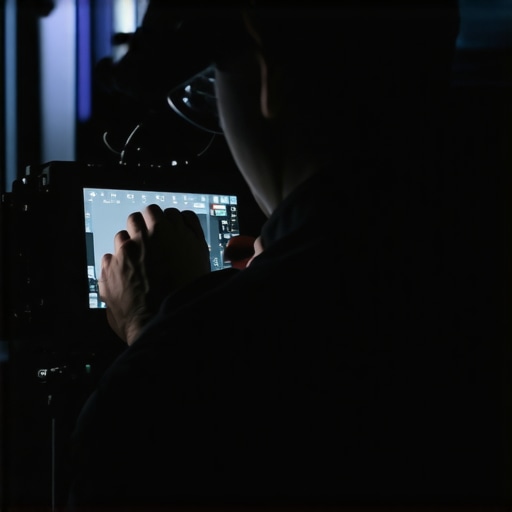
Proper placement of antennas is crucial—high and unobstructed positions reduce interference and signal drop-offs. Think of it like positioning cinema projectors for even light distribution; the right placement makes everything clearer and more reliable.
Remember, every millisecond saved can be the difference between catching that perfect focus and having to do a costly reshoot. By carefully selecting your gear, optimizing your setup, and calibrating diligently, you create a responsive monitoring environment that keeps your workflow smooth and your shots sharp.
While many filmmakers are aware of the basics like choosing the right camera or lighting, there’s a whole realm of nuanced pitfalls and myth-busting truths that can elevate your craft if understood correctly.
Are You Falling for These Hidden Traps When Picking Equipment?
One of the biggest mistakes is assuming that the most expensive or popular gear automatically guarantees cinematic quality. In reality, understanding the specific nuances—like how cine lenses differ from regular camera lenses in terms of breathing and flare—is crucial. For example, many believe that all cinema lenses are designed equally, but selecting the right glass depends heavily on the sensor size, aperture, and distortion characteristics, which can dramatically impact your final look.
Another common myth is that projection screens need to be perfectly matte white indoors. In truth, some high-contrast, aesthetically pleasing screens with slight gain can enhance your image without sacrificing clarity. Overlooking this can lead to dull or washed-out images. More on this in our screen selection guide.
Beware of underestimating the importance of high-quality support systems. Cheap tripods often seem tempting but can compromise stability during crucial shots, causing jitter or misalignment. A sturdy, well-supported rig ensures smooth pans, focus pulls, and will save post-production headaches. The importance of reliable camera supports cannot be overstated.
Let’s clarify a sophisticated question: How do cine lenses impact depth of field compared to still photography lenses? The answer lies in their design for controlled focus and minimal breathing, which is essential for professional cinematic storytelling. In stead, many overlook this nuance, settling for less appropriate lenses, which can lead to distracting focus shifts and inconsistency.
Being aware of these advanced details is essential for filmmakers aiming for top-tier production quality. Make sure to do thorough research on every piece of equipment you choose, focusing on the subtle variables that can make or break your visual storytelling. Have you ever fallen into this trap? Let me know in the comments.
Keeping It Working: Essential Tools and Methods for Longevity
Investing in high-quality cinema equipment is just the beginning; maintaining it properly ensures consistent performance and longevity. I personally rely on specific tools like precision lens cleaning kits and digital calibration devices to keep my cine lenses and projection systems in top shape. For instance, using a specialized lens cleaning solution paired with a microfiber cloth prevents scratches and keeps optical clarity intact, which is crucial for sharp visuals. When it comes to projectors, regular calibration with color meters ensures accurate color reproduction and contrast—key factors that directly impact your image quality.
Automation tools, such as firmware update schedulers and equipment monitoring software, help me streamline maintenance tasks, reducing downtime and preventing unexpected failures. Regularly updating firmware on wireless transmitters or monitors addresses bugs and improves performance, especially vital as technology evolves rapidly. In my workflow, I set automatic reminders to check for updates every three months, which keeps my setup reliable without requiring constant manual supervision.
Scaling your toolkit as your project grows is equally important. For larger setups, investing in professional-grade cable testers and signal analyzers helps diagnose and fix connectivity issues before they affect critical shoots. These tools have saved me from costly reshoots caused by subtle interference or faulty cabling. As technology trends move towards wireless solutions, maintaining a robust set of tools for troubleshooting signal integrity and latency becomes indispensable.
How do I maintain my cinema equipment over time?
Developing a routine maintenance schedule is essential. This includes periodic cleaning of lenses and screens, firmware updates, and physical inspections of supports and mounts. I also advocate keeping spare cables, batteries, and replacement parts on hand. This proactive approach prevents minor issues from escalating into equipment failures mid-shoot. For instance, replacing worn rubber grips on tripods or worn-out mounting plates ensures stability and safety during filming. Remember, a well-maintained setup preserves your gear’s value and your project’s quality.
Looking ahead, I believe automation and intelligent diagnostics will play a bigger role in cinema gear upkeep. Tools that monitor equipment health in real-time and alert filmmakers to potential failures will soon become standard. Embracing these developments now can give you a significant edge and peace of mind in your productions.
For more detailed insights into maintaining your cine lenses, check out this guide on cine lenses. As a practical tip, I recommend trying out a high-quality lens cleaning kit with an anti-static brush and pre-moistened wipes—it’s a small investment that pays off with consistently sharp images.
Keeping your equipment running smoothly not only ensures better results but also extends the lifespan of your investment. Make maintenance a regular part of your workflow, and you’ll experience fewer surprises and more seamless shoots.
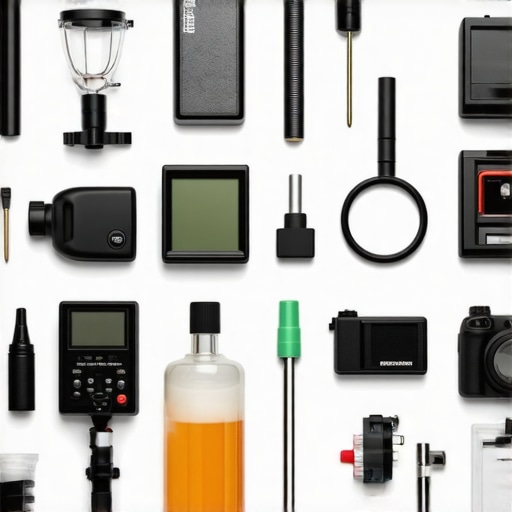
Properly calibrating your projection screens and supports can dramatically improve your image quality and shooting confidence. Think of your gear as an athlete; regular training, cleaning, and check-ups keep it performing at its best. Don’t forget to integrate tools like signal analyzers and calibration devices into your routine—they are the secret weapons for peace of mind on set. Want to see a real difference? Try calibrating your projector using a color meter tonight and witness the immediate improvement!
Over the course of my filmmaking journey, I’ve realized that true excellence isn’t just about iconic shots or eye-popping visuals; it’s rooted in the meticulous attention to the often-overlooked details—those subtle nuances that, when mastered, elevate your craft to professional heights. From perfecting your projection setup to understanding what your lenses are truly capable of, each insight reveals a deeper layer of cinematic mastery. This layered understanding transforms common pitfalls into opportunities for creative expression and technical precision.
The Hard-Earned Lessons That Changed My Approach
- Don’t underestimate the power of lens choice: I once assumed all cine lenses performed similarly, but discovering how slight differences in breathing and flare affected my scenes taught me to choose optics intentionally—always aligned with the story’s mood.
- Lighting with purpose: Relying solely on bright fixtures was my initial mistake; understanding color temperature and diffusion techniques meant I could craft mood and atmosphere more effectively, avoiding flat-looking footage.
- Projection challenges are often overlooked: Proper screen selection and calibration can drastically improve image contrast and color accuracy, making post-production corrections minimal and your final product more vibrant.
- Speaker and audio placement matter just as much: Achieving clarity in sound enhances the immersion, and placing your monitors correctly—much like your vision on the screen—influences your entire shoot quality.
- Support gear isn’t just equipment—it’s an extension of your creativity: Investing time in supports and stabilizers ensures your shots are smooth, which translates directly into a professional presentation that captivates audiences.
Tools That Raised My Standards
- Professional lens calibration kits: Regular calibration maintains optical fidelity, preventing subtle shifts that can compromise your focus and image quality.
- High-quality projection screens: The right screen can make or break your color grading and viewing experience—discover my top picks in this guide.
- Color meters and calibration tools: From ensuring accurate color grading to matching different projectors, these tools help me maintain consistency across shoots and screenings.
- Robust camera supports: Stabilizers and rigs that are dependable help realize your creative visions without sacrificing technical stability.
Your Next Step: Embrace the Details
It’s easy to get caught up in big ambitions, but the true magic lies in the small, deliberate choices you make every day—whether it’s calibrating your projector or selecting the perfect cine lens. Each decision impacts your ability to tell compelling stories with clarity and emotion. Keep exploring these nuanced areas, and you’ll find your work not just improves—it transforms.
What Complex Detail Has Elevated Your Cinematic Creations? Share Below
Have you ever encountered a technical hiccup that led to a breakthrough in your process? Maybe it was calibrating your projection or choosing the right support. I’d love to hear your story—drop your experience in the comments, and let’s learn from each other’s journeys toward cinematic excellence.
About the Author
James Duke
ThinkOTS
James Duke is a seasoned professional in the creative production industry, bringing a wealth of technical knowledge and hands-on experience to cinegearguide.com. As a key figure at ThinkOTS, James has spent years navigating the complexities of high-end production environments, where selecting the right equipment is the difference between a successful shoot and a logistical failure. His expertise spans the full spectrum of cinematography gear, from advanced camera systems to the intricate accessories that define modern filmmaking. On cinegearguide.com, James leverages his deep understanding of the industry to provide authoritative insights, gear reviews, and technical guides. He is known for his ability to break down complex specifications into practical, actionable advice for filmmakers of all levels. His perspective is rooted in the real-world application of technology, ensuring that every recommendation is backed by professional standards. James is dedicated to empowering the filmmaking community by sharing his expertise, helping others navigate the ever-evolving landscape of cinema technology with confidence and clarity.
LinkedIn Profile