Ever had that frustrating moment during a shoot when the lighting just won’t cooperate? Or watched a beautifully shot scene lose its magic because the projection screen looked dull or inconsistent? I sure have. It’s like trying to paint a masterpiece with a brush that’s half-broken. That realization hit me hard early in my filmmaking journey. I learned that the secret to captivating visuals isn’t just about the camera or lenses; it’s deeply rooted in the quality of your lighting and projection surfaces.
Why Good Lighting and Screens Can Make or Break Your Film
In my experience, the difference between a good shot and a great one often hinges on the subtle play of light and the quality of your projection surface. When I first started, I underestimated how much proper film lighting techniques could elevate my visuals. I thought I could compensate with better lenses or camera gear. Spoiler: I was wrong. The right lighting setup can create mood, depth, and realism — and that’s without expensive post-production edits. Similarly, selecting the right projection screen ensures your audience gets immersed in your story, whether it’s a small indie or a big Hollywood-style production.
Is It Really Worth Investing in High-Quality Lighting and Screens?
Early on, I made a rookie mistake: I bought cheap, generic lighting equipment and a mediocre projection screen, thinking they wouldn’t matter much. Boy, was I wrong. Not only did my scenes look flat and unconvincing, but I also wasted time trying to fix issues that could have been prevented with better gear. According to industry experts, investing in professional-grade cinema projectors and lighting can significantly improve your production quality and save you headaches down the line. So, yes — it’s absolutely worth it.
Are you facing similar struggles with your lighting or projection setup? If so, don’t worry. Today, I’ll walk you through the essential tools and techniques that can transform your filmmaking experience and ensure your visuals truly shine.
Ready to dive into the practical steps? Let’s get started with choosing the right lighting and projection screens that match your space and style.
Pick the Right Lights for Your Scene
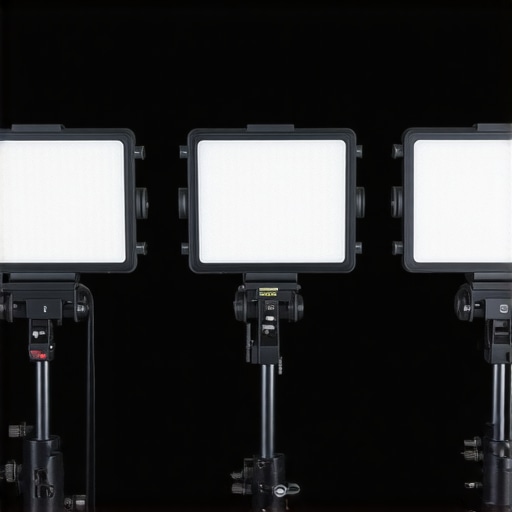
Start with quality, versatile lighting equipment. Think of your lights as the brushstrokes of a painter — the better the brush, the more control you have over your artwork. I once used cheap LED panels on a shoot, and the color temperature was inconsistent, causing my footage to look amateurish. Switching to a professional-grade LED light kit made a dramatic difference — colors became richer, shadows softer, and I could shape the light precisely. Invest in high-quality lights that match your space and style. Consider adjustable brightness and color temperature to adapt to different scenes.
Use Light Modifiers to Shape the Scene
Modifiers like softboxes, reflectors, and flags are your tools to sculpt the light. For instance, I once used a large softbox to create a soft, flattering light on an interview subject. The result was so natural that viewers thought I had used window light. Reflectors can bounce existing light to fill shadows, while flags block unwanted spill. This approach ensures your scene looks intentional and professional.
Select the Perfect Projection Screen
Choosing a screen is like selecting a canvas for a painting — it defines how your image is perceived. I learned this firsthand when I used a cheap, glossy screen for a presentation; the image was washed out and lacked contrast. Upgrading to a matte, high-gain projection screen transformed my visuals, making colors pop and blacks deeper. For different environments, pick a screen that matches your needs: matte screens for ambient light, high-gain screens for brighter rooms, or specialized screens for 3D content. Check this guide for top options.
Position Your Screen Strategically
Placement matters. Ensure your projector is aligned correctly and the screen is positioned to minimize distortion. I once set up my screen at an angle, causing keystone distortion, which I corrected with simple keystone correction tools. Keep the screen flat and perpendicular to your projector’s lens for the sharpest image.
Test and Adjust Before Shooting
Always run a quick test. Adjust your lights and screen until you achieve the desired contrast, color balance, and mood. I remember spending an hour tweaking my lighting setup for a dramatic scene, only to find that a slight change in the projector’s angle dramatically improved the image quality. Small adjustments can make a big difference.
Maintain Your Equipment
Proper maintenance prolongs your gear’s lifespan and preserves image quality. Regularly clean your lenses and filters, check the bulbs, and store your lights and screens properly. A well-maintained setup ensures consistent results every time you shoot.
While it’s tempting to think that investing in high-end lighting and projection screens automatically guarantees cinematic excellence, the truth is far more nuanced. Many filmmakers, even seasoned professionals, fall into common traps that undermine their visual quality without realizing it. Let’s dig deeper into these pitfalls so you can avoid them and elevate your craft.
Why More Light Isn’t Always Better
It’s a widespread myth that cranking up your lighting will make your scene more dramatic or clear. In reality, excessive or poorly managed lighting can wash out details, flatten textures, and introduce unwanted glare. The key is precision, not brute force. Using professional-grade lights with proper modifiers allows you to sculpt light effectively, avoiding the trap of overexposure and maintaining depth and mood. Remember, subtlety often wins over brightness.
Common Mistakes with Projection Surfaces
Many assume that a high-gain screen always produces the brightest images. While it’s true that high-gain screens can enhance brightness, they also tend to increase hotspots and reduce viewing angles, leading to inconsistent visuals. Conversely, matte screens might seem less impressive but offer better uniformity in ambient light conditions. Choosing the wrong screen type for your environment can result in dull images or washed-out colors. A strategic selection based on your specific space and content type is critical, as outlined in this guide.
Don’t Skimp on Calibration
Another common oversight is neglecting proper calibration of your lighting and projection setup. Even the best gear will underperform if not correctly adjusted. Small misalignments, color temperature mismatches, or incorrect angles can cause significant quality loss. Regularly testing and fine-tuning your setup ensures you’re not just guessing, but achieving optimal results. This is especially vital when working in variable environments or with different equipment. For advanced tips, check out this resource.
Are You Making These Advanced Setup Errors?
One overlooked nuance is the impact of your projector’s lens quality and placement. Using a low-quality lens or improper alignment can introduce keystone distortion or softness, which no amount of post-processing can fully fix. Professional filmmakers meticulously calibrate their projection systems, considering lens characteristics and room acoustics, to ensure pristine image quality. Remember, investing in the right lenses is just as crucial as your lighting setup. Additionally, the environment’s ambient light levels can drastically affect perceived contrast; a room that isn’t light-controlled will diminish even the best projection.
Have you ever fallen into this trap? Let me know in the comments. Being aware of these subtle pitfalls can save you countless hours and improve your visual storytelling dramatically. Mastering the nuances of lighting and projection isn’t just about gear — it’s about understanding how each element interacts to create the perfect cinematic experience.
Keeping your filmmaking gear in top shape is crucial for consistent results and long-term success. From projectors to lighting rigs, the right maintenance routines and tools can prevent costly breakdowns and ensure your setup performs flawlessly every time. In this section, I’ll share my go-to tools and methods for maintaining my equipment, along with insights into where this trend is heading in the future.
How do I maintain my filmmaking tools over time?
Regular maintenance starts with understanding the specific needs of each piece of gear. For example, my cinema projector requires periodic cleaning of the lens and filters to prevent dust accumulation that can degrade image quality. I use a soft microfiber cloth and a specialized lens cleaner, which I prefer over household cleaners that might damage coatings. For projection screens, I ensure they are free of dust and fingerprints by gently wiping with a microfiber cloth—never harsh chemicals that could harm the surface.
Lighting equipment is another critical area. I keep my LED panels and bulbs in optimal condition by regularly inspecting cables and connectors for wear. When it’s time to replace bulbs or batteries, I stick to OEM parts to guarantee compatibility and longevity. A well-maintained lighting setup not only lasts longer but also provides consistent color temperatures and brightness levels, crucial for professional-looking scenes.
Tools like compressed air cans are invaluable for cleaning dust from vents, fans, and internal components without risking damage. I also invest in a small toolkit with screwdrivers, pliers, and cable ties—these help me make minor repairs quickly on set, avoiding delays. For more advanced diagnostics, I use multimeters and calibration devices (like colorimeters for lighting) to fine-tune my equipment, ensuring everything performs within manufacturer specifications. Regular calibration is especially vital for projectors, as even slight misalignments can cause significant image quality issues.
What’s the future of equipment maintenance in filmmaking?
As technology advances, predictive maintenance will become increasingly common. Smart devices embedded with sensors can alert you when a component is nearing the end of its life, allowing you to replace parts proactively. Additionally, software updates will continue to improve the reliability of digital tools, reducing downtime and enhancing performance. For instance, some modern projectors now feature self-cleaning filters and automatic calibration routines, making maintenance even easier.
To stay ahead, I recommend adopting these smart tools early and integrating them into your workflow. For example, using a dedicated calibration device for your lighting setup can save hours of trial-and-error adjustments, ensuring your scenes look perfect right from the start. Remember, consistent maintenance isn’t just about fixing problems; it’s about preventing them and extending the lifespan of your investment.
Try This Advanced Tip for Long-Lasting Equipment
One technique I swear by is keeping a detailed maintenance log for each piece of gear. Track cleaning schedules, calibration dates, and part replacements. This habit helps identify patterns and plan preventative care, reducing unexpected failures. Additionally, scheduling regular professional check-ups for complex equipment like projectors can catch issues early before they become costly repairs. Embrace these practices, and your equipment will serve you reliably, shot after shot.
If you’re serious about maintaining your gear, consider investing in professional calibration services periodically. These experts can optimize your equipment’s performance beyond basic upkeep, ensuring consistent quality for your projects.
Throughout my journey in filmmaking, I discovered that the true magic of cinematic visuals often hinges on the subtleties of lighting and projection surfaces. Investing time and resources into these areas has transformed my work from ordinary to extraordinary, revealing details and moods that gear alone cannot achieve.
The Hidden Lessons Behind Perfecting Your Visuals
- Even seasoned professionals struggle with subtle misalignments. I once overlooked the importance of precise projector calibration, only to realize that small adjustments can drastically improve image sharpness and contrast.
- The most overlooked factor often makes the biggest difference. Using high-gain screens in ambient light can cause hotspots, yet many assume they always enhance brightness. Knowing when and how to choose your screen type is a game-changer.
- Lighting isn’t just about brightness — it’s about shaping emotion. I learned that soft, directional lighting can evoke intimacy, while harsh light adds drama. Mastering modifiers like softboxes and reflectors allowed me to craft mood seamlessly.
- Regular maintenance preserves your investment. Keeping lenses clean, bulbs replaced, and calibration routines scheduled prevent surprises on set, saving time and ensuring consistent quality.
- Understanding your environment influences your setup decisions. Ambient light levels, room size, and room color all affect your choice of projection surface and lighting approach, which can make or break your scene’s impact.
My Go-To Tools for Flawless Visuals
- Colorimeter: For precise calibration of lights and projectors, ensuring true-to-life color reproduction.
- Microfiber cloths and lens cleaner: To keep lenses and screens free of dust and fingerprints, maintaining optimal clarity.
- Adjustable LED panels: Versatile, controllable, and reliable lighting sources I trust for consistent results.
- Projection screen options: I rely on matte high-gain screens for brighter rooms and specialized screens for critical color work, as outlined in this guide.
- Professional calibration services: Periodic expert tuning keeps my equipment performing at peak, especially for complex setups.
Light and Screen Mastery: Your Next Creative Leap
Achieving cinematic excellence isn’t about having the most expensive gear; it’s about understanding and fine-tuning every element to work harmoniously. The more you learn about your setup and environment, the more your visuals will captivate and resonate with your audience.
Are you ready to refine your lighting and projection techniques? Remember, every small adjustment can lead to a dramatic improvement in your storytelling. Keep experimenting, stay curious, and don’t shy away from investing in quality tools that elevate your craft.
Your Turn to Try
What’s the biggest challenge you face with your lighting or projection setup? Share your experiences below, and let’s learn from each other’s journeys to cinematic perfection!
Related Posts
Film Lighting Fix: 3 High-Output Battery LEDs for 2026 Sets
Ever set up a shot, only to realize your lighting…

3 Silent LED Panels That Won’t Flicker on 2026 Sets
It was late at night, the scene set perfectly with…
![5 Silent GaN LED Mats for Noise-Free 16K Dialogue Sets [2026]](https://cinegearguide.com/wp-content/uploads/2026/03/5-Silent-GaN-LED-Mats-for-Noise-Free-16K-Dialogue-Sets-2026.jpeg)
5 Silent GaN LED Mats for Noise-Free 16K Dialogue Sets [2026]
It was late one night on set when I realized…