
If you’ve ever been in the middle of a crucial shot, only to be jolted by that irritating clicking noise coming from your follow focus gear, you know how disruptive it can be. I recall a tense shoot where I was zoomed into a perfect focus, and suddenly, a series of clicks broke the silence—all because of a tiny glitch in my gear. That moment taught me that even the smallest equipment issue can ripple into major frustration, especially when time is tight and stakes are high.
Why Clicking Noises Can Sabotage Your Filmmaking
The truth is, those seemingly minor noises aren’t just annoyances—they often signal underlying problems that can affect your focus precision and overall shot quality. A clicking sound might seem harmless, but it can indicate gear misalignment, lack of lubrication, or worn-out components. If ignored, these issues could lead to slippage or inconsistent focus pulls, undermining your creative vision. Ensuring your follow focus gears run smoothly is essential for seamless, professional footage, and today, I’ll guide you through practical ways to fix those pesky clicks.
Is Worrying About Gear Noises Overblown?
Early in my career, I made a mistake by dismissing these noises as minor quirks. Turns out, neglecting them set me back later. Just like with choosing the right cine lenses, paying attention to your gear’s condition is vital for top-quality results. By taking a proactive approach now, you can save yourself frustration—and a lot of time—down the line. Ready to get those clicks eliminated for good? Let’s dive into some straightforward fixes that anyone can do, even with limited tools.
Assess Your Gear for Wear and Misalignment
Begin by thoroughly inspecting your follow focus system. Check the gears for signs of wear, such as chipped teeth or looseness. Align the gears precisely so they mesh smoothly—improper alignment often causes clicking noises. For a real-world example, I once noticed my gear slipped slightly, which caused inconsistent focus pulls until I re-aligned the teeth. Maintaining gear alignment is akin to tuning a musical instrument; precision ensures harmony in your focus.
Lubricate Moving Parts Effectively
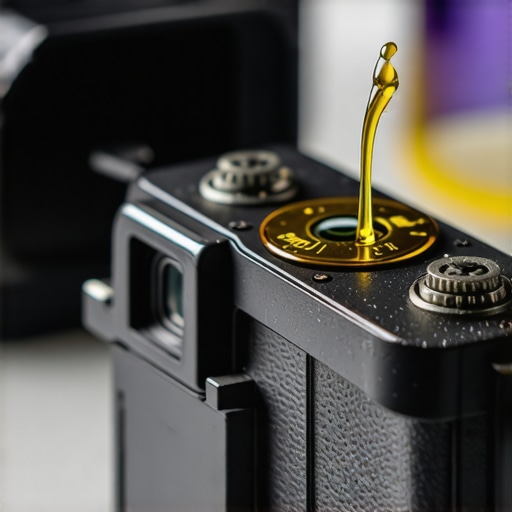
Next, apply a high-quality lubricant specifically designed for camera gear. Avoid using WD-40 or household oils, as they can damage delicate components. A few drops of silicone-based lubricant on the gear teeth and pivot points can drastically reduce friction and eliminate noise. I learned this lesson during a shoot when squeaking was ruining focus accuracy; a bit of lubricant silenced the gear and restored smooth operation. Think of this step as oiling a bicycle chain; proper lubrication keeps everything running seamlessly.
Tighten and Secure Components
Loose components can also produce clicking sounds. Use appropriate tools to tighten screws and locking rings without over-torquing. Pay particular attention to the tension of the focus knob and gear clamps. During a recent project, I found that a loose clamp on my follow focus was causing sporadic clicks, affecting my timing. Proper tightening is similar to securing a camera support—firm, but not so tight as to cause stress on parts. Regularly check and tighten to prevent future issues.
Upgrade or Replace Worn Parts
If after alignment and lubrication the clicking persists, consider replacing worn gears or entire modules. Invest in quality components made from durable materials, like metal gears instead of plastics, which tend to wear out faster. I once upgraded from a plastic gear set to metal, and the difference was immediate—weeks of smooth operation without a single click. Think of it as upgrading from a frayed cable to a new, sturdy one; reliability grows exponentially.
Calibrate Your Focus System for Smoothness
Finally, calibrate your follow focus to match your lens’ focus throw accurately. Proper calibration ensures minimal backlash and prevents unnecessary gear slippage. Use calibration tools or test on a lens with a known focus distance. During my first calibration attempt, I noticed slight hesitation in focus pulls, which I corrected by fine-tuning the gearing. Calibration is like tuning a piano—small adjustments lead to harmonious performance.
 When it comes to **cine lenses**, many filmmakers assume that more expensive equals better, but in my experience, understanding the nuanced qualities of different glass is crucial. For example, the common myth that all cine lenses provide equal optical clarity falls apart when you realize that lens coatings and manufacturing tolerances significantly impact image quality. Checking out resources like [choosing the perfect cine lens](https://cinegearguide.com/cine-lenses-explained-choosing-the-perfect-glass-for-your-film) can illuminate these subtle differences.
Similarly, filmmakers often underestimate the importance of **film lighting** nuances. It’s a widespread belief that any LED panel will suffice, but in reality, color rendering and light falloff are nuanced factors that influence mood and realism. Advanced lighting techniques can transform a scene, and mastering these is essential—see [film lighting techniques](https://cinegearguide.com/mastering-film-lighting-techniques-to-elevate-your-cinematography) for a deep dive.
Regarding **cinema projectors**, many believe that higher resolution alone guarantees a superior cinematic experience. While resolution matters, the true hidden nuance lies in contrast ratios and laser phosphor technology. A projector with excellent contrast can deliver more impactful visuals than a 4K with poor dynamic range. To understand this, review [the guide to cinema projectors](https://cinegearguide.com/unlock-the-secrets-of-cinema-projectors-a-complete-guide-for-2025).
**Projection screens** are often chosen based on gain and size, but neglecting the screen material’s texture can lead to issues like moire patterns or uneven brightness. A matte white screen isn’t always ideal; selecting a surface aligned with your room’s ambient light and content type is crucial. More insights are available in [projection screens for every space](https://cinegearguide.com/projection-screens-for-every-space-2025-top-picks-tips).
Finally, many overlook the nuanced differences in **camera supports**. For example, not all tripods are built for video; gear designed for still photography can introduce unwanted vibrations, especially in handheld or dolly setups. Fine-tuning support systems—like fluid heads—can drastically improve shot stability, as explained [here](https://cinegearguide.com/camera-supports-demystified-stabilize-your-shots-like-a-pro).
**Beware of the trap** where beginners assume these tools are interchangeable or that upgrading equipment is unnecessary. The small distinctions in quality, material, and tech can have a profound impact on your final output. Take the time to research and invest thoughtfully—your footage will thank you.
Have you ever fallen into this trap? Let me know in the comments.
Investing in high-quality cine lenses, lighting, and support gear is only half the battle; maintaining them properly ensures they perform optimally over years of demanding shoots. Regular upkeep reduces unexpected failures, keeps your workflow smooth, and extends the lifespan of your valuable tools. Today, I’ll share actionable strategies and specific equipment recommendations to help you keep everything working flawlessly—so you can focus on capturing stunning visuals without technical hiccups.
How do I maintain my gear over time to ensure longevity?
The first step in effective maintenance is establishing a routine inspection schedule. For cine lenses, this means regularly checking for dust, fungus, and scratches both internally and externally. Use a dedicated lens cleaning kit with filters and microfiber cloths—avoid household cleaners that can degrade coatings. I personally rely on a spiral-bound logbook to record every cleaning and inspection, which helps spot patterns of wear early and plan preventive actions. For example, when I noticed slight oil buildup on my cine lens’s focus ring, it prompted me to disassemble and clean the barrel thoroughly—preventing potential focus inconsistency down the line.
Film lighting setups demand their own care, especially for LED panels and tungsten fixtures. Power cycles, dust, and cable wear can cause flickering or even complete failures. I always keep spare IEC connectors and power cords rated for the fixture’s wattage. Additionally, implementing a firmware update schedule based on manufacturer recommendations—like those from industry experts—ensures your lighting operates with the latest performance and stability improvements. An LED panel that’s updated regularly is less likely to flicker during critical scenes.
Support systems such as tripods and sliders are often overlooked until a malfunction occurs. Regular lubrication and tightening prevent sloppiness and gear slippage. For instance, I apply silicone lubricant to my fluid head’s friction mechanisms every few months, which preserves smooth pan and tilt actions. Also, adopting a methodical approach—like using a torque wrench—helps maintain proper screw tension without over-tightening. This attention to detail reduces vibrations and wobble, even in handheld situations.
Tools I swear by for long-term gear health
Having the right tools makes all the difference. For cleaning cine lenses, I opt for a Rocket Blower to remove loose dust without contact, along with lens cleaning solution and microfiber cloths from reputable brands like Zeiss. Periodic calibration of focus systems is crucial; I use a focus calibration chart combined with a portable mtf testing target to verify and adjust focus accuracy across all lenses. When it comes to support gear, a set of quality Hex and Torx drivers—like Wiha or Wera—are indispensable for tightening all those tiny screws that hold your equipment together. Maintaining a well-stocked toolkit enables quick fixes on set and prevents minor issues from escalating.
Predicting where this trend heads, I believe smarter, sensor-integrated maintenance alerts will become standard. Imagine your support rigs sending notifications when a component is wearing out—saving you time and preventing costly surprises. Embracing such innovations will keep your workflow efficient and gear reliable for years to come.
Enhance your workflow: give this tip a try
One simple but powerful routine is to implement a weekly gear check-in—visual inspection, cleaning, lubricating, and logging. This habit can dramatically reduce unexpected breakdowns and keeps your trusted tools performing at their peak. Don’t wait for a crisis—start today and see how proactive care transforms your filmmaking experience.
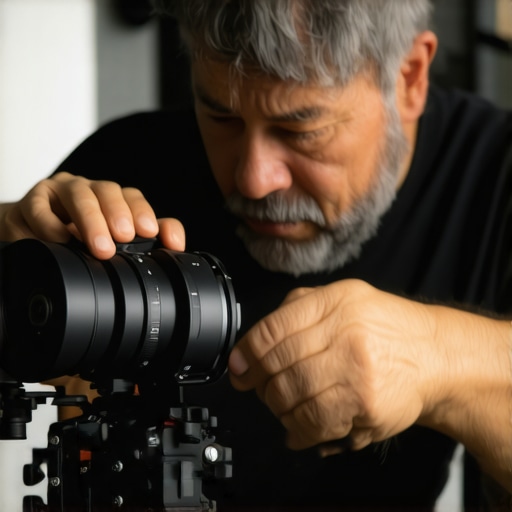
Image description: A detailed shot of a professional filmmaker inspecting and cleaning cinema lenses and support gear, emphasizing routine maintenance in a studio setting.
Lessons Learned from My Gear Mishaps
- One of the toughest lessons was realizing that neglecting small gear issues like loose screws or unlubricated gears often leads to big production setbacks. Simple daily checks can catch wear before it becomes problematic.
- Another insight is understanding that not all equipment is created equal—spending a little more on quality support gear and lenses pays off in durability and performance, saving time and money in the long run.
- Finally, I learned that calibration isn’t a one-time task. Regularly tuning your focus systems and projectors keeps your visuals sharp and consistent, especially during demanding shoots that push your gear’s limits.
Tools and Resources That Elevate My Filmmaking
- Zeiss Lens Cleaning Kits: Trusted for their gentle but effective cleaning, helping me maintain optical clarity without damage.
- Wiha Precision Screwdriver Set: Essential for tightening tiny screws on support rigs and lenses, preventing loosening during critical shots.
- Focus Calibration Charts: Regular calibration using these charts ensures focus accuracy across all lenses, which I consider non-negotiable for professional work.
- Film Lighting Techniques Guide: A resource I revisit often to refine my lighting setups, making scenes more cinematic and emotionally resonant.
Seize Your Cinematic Potential Today
The path to flawless filmmaking isn’t paved solely with high-end gear but with consistent care, maintenance, and a curious mindset to learn and adapt. Every detail, from choosing the right cine lenses to maintaining projector health, contributes to your unique storytelling voice. So, dive into regular gear upkeep, stay curious about new techniques, and remember—your dedication transforms equipment into art. Ready to elevate your craft? The future of compelling cinema starts now.
What’s the most unexpected gear maintenance tip you’ve learned? Share your experiences below!
,
About the Author
James Duke
ThinkOTS
James Duke is a seasoned professional in the creative production industry, bringing a wealth of technical knowledge and hands-on experience to cinegearguide.com. As a key figure at ThinkOTS, James has spent years navigating the complexities of high-end production environments, where selecting the right equipment is the difference between a successful shoot and a logistical failure. His expertise spans the full spectrum of cinematography gear, from advanced camera systems to the intricate accessories that define modern filmmaking. On cinegearguide.com, James leverages his deep understanding of the industry to provide authoritative insights, gear reviews, and technical guides. He is known for his ability to break down complex specifications into practical, actionable advice for filmmakers of all levels. His perspective is rooted in the real-world application of technology, ensuring that every recommendation is backed by professional standards. James is dedicated to empowering the filmmaking community by sharing his expertise, helping others navigate the ever-evolving landscape of cinema technology with confidence and clarity.
LinkedIn Profile