Ever spent hours tinkering with your camera setup, only to realize your shots look flat, uninspired, or just not quite right? I remember the moment I finally understood that the difference between a decent scene and a cinematic masterpiece often boils down to the lenses and lighting I choose. It was a lightbulb moment—realizing that investing in quality cine lenses and mastering film lighting isn’t just for big studios, but a game-changer for any filmmaker serious about elevating their craft.
Why Investing in the Right Equipment Changes Everything
When I first started out, I thought any lens would do, and I could get by with basic lighting. But I quickly learned that cheap lenses produce soft images and distort colors, while poor lighting setups can drain the life from a scene. As I experimented, I saw firsthand how the right cine lenses can add depth, clarity, and a unique character to your visuals. Similarly, mastering film lighting techniques helps you shape your scene’s mood, control shadows, and focus the viewer’s attention exactly where you want it.
Today, I want to share my insights from years of trial, error, and success. Whether you’re just beginning or looking to refine your skills, this guide will help you select the best cine lenses and lighting gear for 2024, so you can craft visuals that truly stand out. Think of it as your friendly neighborhood advice, with a pinch of honesty—you don’t need the most expensive gear to make great films, but understanding what works makes all the difference.
Have you ever wasted time or money on equipment that didn’t deliver the results you wanted? That was me early on—believing hype over substance, and learning the hard way. But I’ve also learned from those mistakes, and now I want to help you avoid them.
In this post, we’ll explore how to choose the best cine lenses and lighting setups, backed by real-world examples and expert tips. We’ll also tackle common doubts and fears, like whether investing in high-end gear is really worth it. So, let’s dive in and unlock the secrets to cinematic excellence in 2024!
Choose Your Lenses with Precision
Start by analyzing your project’s needs: do you prioritize sharpness, character, or versatility? I once shot a short scene with a budget zoom lens, and the results were disappointing—soft focus and color shifts hurt the mood I wanted. That experience taught me to invest in prime cine lenses for clarity and depth. To make informed choices, check out this guide on selecting the right cine glass. Focus on aperture size for depth control and lens speed, especially if you plan to shoot in low light.
Practice Lighting Techniques
Lighting shapes your scene’s mood and guides viewer attention. I remember lighting a scene with a single softbox to mimic moonlight—simple but effective. Use basic principles like three-point lighting as your foundation, then experiment with modifiers like diffusers and flags to sculpt shadows. To elevate your skills, study this comprehensive guide. Adjust light intensity and color temperature to match your scene’s tone, and don’t forget to use practical lights for authentic effects.
Stabilize Your Shots with Proper Supports
Unsteady footage can ruin an otherwise great shot. I once shot a handheld scene that looked jittery until I switched to a sturdy tripod and a gimbal. For smooth motion, select supports suited for your camera weight—think of them as the skeleton supporting your cinematic vision. Check out this resource for choosing the right stabilizers. Practice panning and tilting smoothly, and test your setup in different environments to ensure stability and fluidity.
Test and Refine Your Gear Setup
Before shooting the final scene, run test shots to evaluate how your lenses and lighting work together. I once spent hours tweaking a shot that initially looked flat; a simple change in lens aperture and a fill light brought the scene to life. Use these tests to identify issues like lens flare or shadows that are too harsh. Document your settings for consistency, and don’t be afraid to experiment—sometimes the unexpected tweak yields the best visual result. For more insights, explore top gear recommendations for 2024 to upgrade your setup gradually.
Plan Your Shots for Cinematic Impact
Storyboarding your scenes helps visualize how your lens choices and lighting schemes will come together. I once mapped out a sequence with specific lens focal lengths and lighting positions, which allowed me to anticipate potential issues before actual filming. Use shot lists and lighting diagrams to streamline your workflow. Remember, the goal is not just to shoot, but to craft compelling visuals—think about framing, depth, and mood at every step. For detailed planning techniques, see this expert guide.
While many filmmakers focus on choosing the right gear, there’s a surprising amount of misinformation that can lead you astray. One of the most persistent myths is that investing in the most expensive cine lenses guarantees cinematic quality. In reality, understanding the nuances of lens characteristics—like focal length, aperture, and glass quality—is crucial. For instance, a high-end lens with poor technique won’t elevate your film if you don’t grasp how to use it effectively. To deepen your knowledge, check out this guide on selecting cine lenses. Similarly, many believe that high wattage lighting is always better, but overlighting can wash out your scene and reduce contrast. Mastering film lighting involves understanding how to control shadows, shape mood, and match color temperature rather than just cranking up brightness.
Another misconception is that more gear equals better results. While having quality equipment helps, the real secret lies in how you use it. For example, stabilizers like gimbals and tripods aren’t just accessories—they’re essential tools that help you craft smooth, professional shots. Be cautious of the trap of overspending on gear without mastering fundamental techniques; it’s a common mistake that hampers progress. To avoid this, explore this resource on camera supports for expert tips on stabilization.
How Can Advanced Filmmaking Techniques Help You Avoid Costly Mistakes?
Many seasoned filmmakers know that advanced techniques, such as precise lighting ratios, lens filters, and controlled depth of field, can dramatically improve your visuals. However, they often overlook the importance of planning and testing. For instance, shooting tests with different lighting setups and lens choices can reveal issues like unwanted flare or inconsistent color rendering. This proactive approach saves time and money during actual shoots. Moreover, understanding how to integrate practical effects with lighting can add realism and depth that simple gear upgrades can’t replicate. According to industry expert Roger Deakins, mastering the interplay between light and lens choice is fundamental to creating compelling images. Therefore, investing in your craftsmanship—beyond just gear—is what truly elevates your filmmaking. Have you ever fallen into this trap? Let me know in the comments.
Keeping your filmmaking gear in top shape is critical for consistent quality and longevity. Over time, even the most durable equipment requires regular maintenance and thoughtful care. In this section, I’ll share the specific tools and methods I personally rely on to ensure my gear stays reliable season after season.
How do I maintain my lenses and camera supports over time?
Proper lens care begins with using a high-quality blower brush to remove dust and dirt without scratching the glass. I prefer the CineLens Cleaning Kit because it includes specially formulated cleaning solution and microfiber cloths designed for delicate optics. Regularly inspecting your lenses for scratches or fungus, especially if you shoot in humid environments, is essential. For camera supports like gimbals and tripods, I recommend using silicone lubricants on moving parts to keep everything smooth. A set of precision screwdrivers is also invaluable for tightening loose bolts or replacing worn-out parts.
To prevent wear and tear, always store your gear in padded cases and avoid exposing it to extreme temperatures or humidity. Using silica gel packs inside your cases helps control moisture, reducing the risk of fungus or corrosion. Additionally, I suggest calibrating your camera and lenses periodically, especially after transport or extensive use. This keeps your color accuracy and focus sharpness consistent. For detailed calibration procedures, check out this comprehensive guide.
What tools do I recommend for long-term gear health?
Beyond cleaning supplies, investing in a quality digital storage solution is crucial. I use a RAID NAS system that offers redundancy, ensuring my footage is safe even if one drive fails. Backups are the backbone of reliable filmmaking, so I make it a habit to duplicate footage across multiple drives and cloud storage options like Google Drive or Dropbox. Regular firmware updates for your support equipment and camera controllers are also key—they fix bugs and improve performance. I set up reminders to check for updates from manufacturers, which often include important stability and security patches.
Another often-overlooked aspect is cable management. Using Velcro straps and cable organizers prevents strain on connectors and reduces accidental disconnections during shoots. For power management, I rely on surge protectors and portable UPS units, especially when shooting in locations with unstable electricity. Staying organized with a dedicated checklist for maintenance routines can save you a lot of headaches down the line. And don’t forget, a well-maintained setup not only prolongs the life of your gear but also ensures your creative process remains seamless.
Looking ahead, I predict that advancements in smart diagnostics and AI-driven maintenance tools will make gear upkeep even easier. Imagine support equipment that alerts you when a component is beginning to fail—saving you time and costly repairs. Until then, a disciplined maintenance routine and quality tools remain your best allies. I encourage you to try incorporating a monthly gear inspection checklist, focusing on cleaning, calibration, and software updates. It’s a small investment of time that pays huge dividends in performance and peace of mind.
Mastering the art of cinematic storytelling goes beyond just having a compelling script; it hinges on the visual language you craft. By investing thoughtfully in quality cine lenses and refining your lighting techniques, you unlock a world of creative possibilities that can set your films apart. From personal experience, I’ve learned that small adjustments—like choosing the right focal length or controlling shadow intensity—can dramatically transform a scene from ordinary to unforgettable. This guide distills those lessons into actionable insights so you can elevate your filmmaking game in 2024.
What I Didn’t Expect About High-End Gear
One of the hardest lessons I learned was that expensive gear alone doesn’t guarantee cinematic excellence. It’s how you use your lenses and lighting that truly makes the difference. For example, I once upgraded to a top-tier prime lens, only to realize I was still missing the right lighting setup to bring out its full potential. That taught me to focus on technique and understanding the nuances of my equipment, like aperture control and light placement, rather than just chasing the latest gear. Remember, mastering these skills pays off more than any price tag.
My Go-To Resources for Cinematic Growth
Over the years, I’ve relied on a few trusted sources that continue to shape my approach. This guide on selecting cine lenses helped me understand the importance of focal length and lens quality. The lighting techniques guide revolutionized my approach to shaping mood and atmosphere. Additionally, this resource on camera supports has helped me stabilize shots effortlessly. These tools are essential for any filmmaker committed to continuous improvement.
Push Yourself to Create Something Unique
Your filmmaking journey is a personal adventure. Don’t be afraid to experiment with new lenses or lighting setups, even if they seem unconventional at first. Remember, the best cinematic moments often come from bold choices and a willingness to learn from mistakes. Visualize your scenes beforehand with storyboards and lighting plans—this preparation helps you execute confidently and adapt on the fly. The future of filmmaking in 2024 is bright for those ready to push boundaries and refine their craft—so start today.
What has been your biggest challenge when trying to improve your lens or lighting setup? Share your experiences below and let’s learn together!
Related Posts

3 Silent LED Panels That Won’t Flicker on 2026 Sets
It was late at night, the scene set perfectly with…
![5 Silent GaN LED Mats for Noise-Free 16K Dialogue Sets [2026]](https://cinegearguide.com/wp-content/uploads/2026/03/5-Silent-GaN-LED-Mats-for-Noise-Free-16K-Dialogue-Sets-2026.jpeg)
5 Silent GaN LED Mats for Noise-Free 16K Dialogue Sets [2026]
It was late one night on set when I realized…
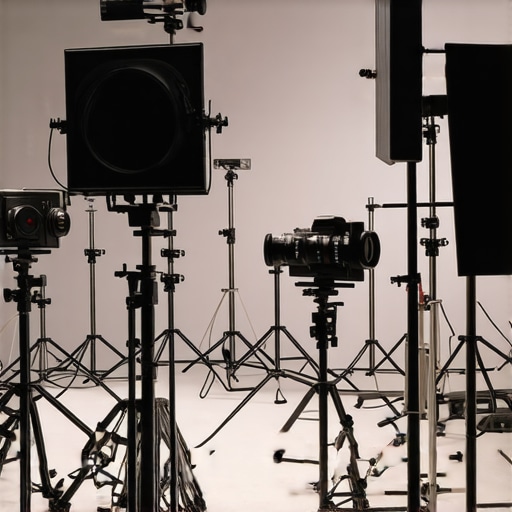
Best Film Lighting & Support Equipment for Modern Cinematography 2024
Ever spent hours trying to get that perfect shot, only…