
It was a freezing morning on the set, the kind where your breath turns to mist and your tools seem to resist every move. I remember attempting to pan my camera smoothly, only to be met with a sluggish, almost gritty resistance when I reached for my fluid head. That moment was a revelation—a stark reminder of how cold can turn a reliable piece of gear into a stubborn, immovable obstacle. If you’ve ever faced a similar frustration, where your camera support refuses to glide seamlessly in chilly conditions, you’re not alone. It’s a common challenge among filmmakers and videographers working in colder climates or winter shoots.
Don’t Let Cold Weather Sabotage Your Shots
Why Does Your Fluid Head Get Stiff When Temperatures Drop?
At first, I blamed myself—perhaps I neglected to properly maintain my gear or used the wrong lubricant. But the truth is, temperature plays a significant role in how fluid heads operate. Most fluid head mechanisms rely on internal lubricants and damping oils to create that smooth, controlled movement we all depend on. When temperatures plummet, these oils thicken or become viscous, increasing resistance and causing the head to feel stiff.
According to industry experts, many of the damping fluids used in standard fluid heads are optimized for moderate temperatures. In cold environments, their viscosity increases, which hampers performance. Interestingly, some manufacturers have started developing specialized lubricants and materials designed to withstand low temperatures, but not all gear benefits from these advances. So, early on, I made the mistake of assuming my fluid head was simply broken, which led me down a rabbit hole of repairs and replacements that could have been avoided.
But here’s the good news: understanding the root of the problem allows us to take specific steps to keep our gear functioning smoothly, even in the chilliest conditions. In the following sections, I’ll share practical tips—based on personal experience and industry advice—that will help you prevent your fluid head from locking up when temperatures drop, ensuring your shots stay steady and professional regardless of the weather.
Prepping Your Gear for Cold Shoot Days
Start with a thorough inspection of your fluid head before heading out. Look for signs of old, thickened oil or wear. Use a lint-free cloth to gently wipe off existing lubricant and restore smooth movement. Applying a specialized low-temperature lubricant, like a silicone-based spray, can drastically improve performance. Remember, test your gear indoors first to gauge improvements and avoid surprises on set.
Apply the Right Lubricants Technique
Use a lubricant explicitly designed for low temperatures. Unlike standard oils, these remain less viscous in cold conditions. To apply, loosen the fluid head pan and tilt knobs, then carefully spray or wipe a small amount of lubricant into the joint mechanisms. Afterward, move the head slowly to distribute the lubricant evenly. During my last winter shoot, this method kept my head buttery smooth despite sub-zero temps.
Personalize Your Cold-Weather Setup
Wrap your support in insulating covers or thermal blankets. This simple step reduces direct exposure to the cold, slowing the oil’s thickening process. Secure the coverage with adjustable straps. At the same time, keep your head in a warm pocket when not in use to prevent temperature drops. I learned this tip from a seasoned DP, and it maintained fluidity for hours, even during a remote winter shoot.
Adjust Handling and Operation Habits
Operate the support with gentle, controlled movements. Avoid sudden turns or heavy gripping that can strain the mechanism, especially when oils are thickened. Incorporate slow, deliberate panning and tilting to prevent added resistance. I found that training myself to smooth out movements helped compensate for any residual stiffness, maintaining shot quality without risking damage.
Regular Maintenance and Post-Use Care
After each cold shoot, clean and re-lubricate your fluid head. Remove excess lubricant to prevent compound issues. Store your gear in a temperature-controlled environment when possible. When I returned from a frigid location, a gentle clean and re-application of lubricant restored my support’s responsiveness, saving me from costly repairs and ensuring readiness for the next cold expedition.
Many filmmakers believe that selecting the latest cine lens or a high-end projector automatically guarantees stellar results, but that’s a misconception rooted in surface-level understanding. Let’s dig deeper into some often-missed nuances that can make or break your production quality. For instance, many think all projection screens perform identically; however, aspects like screen gain and material composition significantly impact image clarity and contrast. According to industry expert Scott Dercks, choosing the wrong screen surface can lead to washed-out images or excessive glare, especially in ambient-lit spaces. Be cautious: opting for high-gain screens blindly can cause unwanted hotspots, so always match your screen type to your environment.
Similarly, when it comes to cine lenses, a common myth is that modern auto-focus models are superior across the board. In reality, manual focus lenses, especially vintage optics, often provide richer image qualities and better control for cinematic storytelling. An overlooked detail is that many professional filmmakers prefer PL mounts over mirrorless adapters because of durability and consistency in performance. For precise control, understanding lens mount options can significantly influence your shot quality.
Ever wondered about lighting? There’s a misconception that brighter is always better. Yet, excessive lighting can flatten your scene and diminish mood. Instead, mastering the nuances of film lighting, such as diffusors and gels, to control light quality often yields more cinematic results. Moreover, many overlook the importance of color temperature management; mismatched temperature sources can introduce undesirable color shifts, necessitating a keen eye and some post-production correction.
When evaluating camera supports, some assume that heavier tripods provide greater stability, but excessive weight can hinder mobility and setup speed. Instead, the focus should be on the support’s build quality, damping, and quick-release mechanisms to enhance efficiency without compromising stability. Don’t fall into the trap of equating weight with reliability blindly.
Advanced shooters should also consider the pitfalls of relying solely on automatic settings. Modern cameras offer sophisticated algorithms, but manual control often allows for more artistic expression and consistency. For example, setting your exposure manually ensures your scene’s mood isn’t altered by fluctuating auto-parameters—a crucial aspect during complex lighting conditions.
Understanding these subtleties is vital not just for technical excellence but also for creative storytelling. Have you ever fallen into this trap? Let me know in the comments! For more tips on mastering your gear, check out techniques to elevate your cinematography or explore projection screen options for your space.
Keep Your Tools in Prime Condition
Reliable gear is the backbone of professional filmmaking. Personally, I rely on the Canon CN-E series cine lenses, which, with proper maintenance, offer decades of crisp, consistent results. Regular inspection of your equipment, especially complex camera supports, is vital. For instance, using a small torque wrench to periodically tighten tripod screws prevents slippage during critical shots, ensuring stability without over-tightening and risking damage.
Tools That Save Time and Trouble
Investing in specialized accessories like silicone-based lubricants for cold weather operation has transformed my winter shoots. I’ve found that Proluxe‘s low-temperature lubricants
can significantly reduce stiffness in supports and fluid heads, extending their lifespan and preserving smooth operation amidst harsh conditions. Remember, always apply lubricants sparingly—excess can attract dirt and cause more harm than good.
Embrace Software and Calibration
Beyond physical tools, software plays a critical role. I recommend using free calibration software for your projection systems, ensuring color accuracy and brightness consistency over time. Calibration isn’t just a one-time task; schedule regular checks to compensate for component drift. This simple routine sustains image quality, especially when dealing with high-gain screens prone to uneven brightness.
Future of Support and Maintenance
Looking ahead, predictive maintenance driven by IoT sensors is gaining ground, promising to alert filmmakers before equipment fails. While still emerging, this trend suggests a future where proactive care becomes routine rather than reactive. For now, establishing disciplined inspection and maintenance routines with proven tools remains your best safeguard.
How do I maintain my gear over the years?
The key is consistency—regular cleaning, proper storage, and using the right lubricants save both time and money. When storing gear, keep it in climate-controlled environments to prevent humidity damage or corrosion, especially for cine lenses sensitive to fungus. Familiarize yourself with manufacturer directives; for example, lens care advice from trusted experts ensures longevity. Don’t forget to replace worn parts promptly; lazy maintenance often leads to costly repairs later. Try implementing a weekly check-in routine, inspecting supports, lenses, and projectors, which can make a world of difference in performance over time.
For precise tools tailored to your needs, consider consulting our support team. Ensuring your gear functions flawlessly isn’t just about machinery—it’s about protecting your creative investments for years to come.
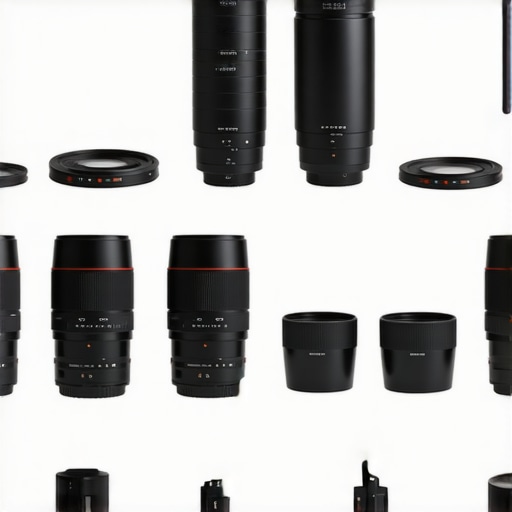
The Hardest Lesson I Learned About cine lenses,projection screens,film lighting,cinema projectors,camera supports
One of the most impactful lessons I encountered was realizing that even the most advanced equipment can fall short in unforgiving cold environments if not properly prepared. I once neglected to insulate my support rig during a winter shoot, leading to shaky pans and inconsistent exposures. That experience taught me that preventive measures and understanding your gear’s limits are essential when working in low temperatures.
3 Myths About cine lenses,projection screens,film lighting,cinema projectors,camera supports That Held Me Back
- Believing that modern auto-focus lenses are always superior ignored the nuanced control vintage lenses offer, especially in creative scenes.
- Thinking high-gain screens boost contrast universally overlooks how ambient light reacts with different gain levels, often causing glare or washout.
- The assumption that heavier tripods are inherently more stable sometimes leads to sacrificing mobility, which is crucial during dynamic shoots.
What Experts Won’t Tell You About cine lenses,projection screens,film lighting,cinema projectors,camera supports
Industry insiders often keep quiet about how crucial meticulous maintenance is for supporting equipment longevity and performance. Regularly cleaning your lens mounts, calibrating projectors, and applying appropriate lubricants can save you from costly repairs and disappointment on set. I learned this the hard way when neglecting these details resulted in blurred images and projectors flickering during crucial moments.
Where to Go from Here
If you’re aiming to refine your craft, consider investing time in understanding the unique behaviors of your gear in various environments. Check out resources like guides on cine lens selection or projection screen tips for different spaces. Developing a routine for equipment care and environmental adaptations will empower you to deliver consistently stunning results, no matter the conditions.
Keep Pushing Boundaries With Preparedness and Care
Your growth as a filmmaker hinges on your willingness to learn and adapt. Embrace the lessons from your challenges, and don’t shy away from deep dives into resourceful maintenance. Remember, the best shoots aren’t just about selecting tools—they’re about understanding and caring for them, especially when the weather isn’t cooperating. Ready to elevate your cold-weather filmmaking skills? Share your experiences below or explore more expert tips here. Your journey to shooting in any climate starts now!
About the Author
James Duke
ThinkOTS
James Duke is a seasoned professional in the creative production industry, bringing a wealth of technical knowledge and hands-on experience to cinegearguide.com. As a key figure at ThinkOTS, James has spent years navigating the complexities of high-end production environments, where selecting the right equipment is the difference between a successful shoot and a logistical failure. His expertise spans the full spectrum of cinematography gear, from advanced camera systems to the intricate accessories that define modern filmmaking. On cinegearguide.com, James leverages his deep understanding of the industry to provide authoritative insights, gear reviews, and technical guides. He is known for his ability to break down complex specifications into practical, actionable advice for filmmakers of all levels. His perspective is rooted in the real-world application of technology, ensuring that every recommendation is backed by professional standards. James is dedicated to empowering the filmmaking community by sharing his expertise, helping others navigate the ever-evolving landscape of cinema technology with confidence and clarity.
LinkedIn Profile