
Let me take you back to a frustrating moment on a recent shoot. I was all set with my favorite cinema lens, confident in its ability to deliver that perfect, moody shot. But when I reviewed the footage, I was blindsided by an uneven exposure, with some parts looking blown out and others underexposed. It was a lightbulb moment—I had overlooked a crucial aspect of my lens that could have saved me hours of post-production hassle: the T-stop.
The Hidden Layer of Cinematic Secrets
This experience made me realize just how often cine enthusiasts and even seasoned shooters dismiss T-stops as just another technical spec, focusing instead on F-stops because they’re more familiar, more straightforward. But in reality, T-stops hold the key to consistency, especially when working with multiple lenses or in complex lighting setups. They are not just about numbers—they are about grasping the true control over light that hits your sensor or film.
Are We Really Getting the Exposure We Think?
It’s tempting to think that adjusting F-stops is enough. After all, they’re the standard on most lenses and easy to read. But the truth is, F-stops measure the aperture size relative to the lens’s focal length, not the actual amount of light passing through. Factors like lens coatings, construction, and manufacturing tolerances can affect how much light actually reaches your sensor. That’s where T-stops come into play—they measure the true light transmission, ensuring your exposure stays consistent across different lenses and shooting scenarios. Interestingly, a study from the American Cinematographer magazine revealed that lenses can vary by as much as 20% in transmission efficiency, which can significantly impact your exposure if you’re relying solely on F-stops.
Calibrate Your Lenses with a Light Meter
Start by using a reliable light meter to measure actual light transmission through your lenses. During a shoot, set your camera to a fixed ISO and aperture, then take readings with each lens under the same lighting conditions. Record these measurements meticulously to understand how much light each lens passes. This process reveals the real transmission differences, allowing you to adjust your exposure settings accurately on set instead of relying solely on F-stops.
Adjust Exposure Based on T-Stop Data
Once you have your measurements, calculate the required exposure by referencing the T-stop values. For example, if lens A transmits 10% less light than lens B, compensate for this difference by slightly opening the iris or increasing the shutter speed when using lens A. This ensures each shot maintains consistent brightness, avoiding nasty surprises in grading or post-production. I applied this method during a multi-lens shoot, and the result was a seamless, color-graded scene where all shots matched perfectly, saving hours in post-processing.
Use T-Stop Charts and Guides
Leverage manufacturer T-stop charts, which list the true light transmission efficiency of available lenses. Cross-reference these with your measurements to identify lenses that require minimal adjustments. When selecting lenses for a project, prioritize those with higher and more consistent T-stop ratings for critical scenes. This proactive approach minimizes light discrepancies, especially when working with multiple lenses from different manufacturers.
Create a Shooting Routine to Monitor Transmission
Implement a routine where you measure the light transmission at the beginning and middle of each shoot day. Regular checks help identify any changes due to lens heating or contamination, ensuring your exposure remains accurate throughout. During one shoot, I noticed a slight drop in transmission after several hours, prompting a quick cleaning of the lens elements, which restored perfect exposure consistency without reshoots.
Invest in Quality Aperture and Light Control
Pair your lenses with well-maintained matte boxes and flags which prevent stray light and reflections from skewing your exposure readings. Proper light control minimizes variables and makes your T-stop calibration more effective. This disciplined approach is akin to maintaining the tension on a film reel—small adjustments here prevent major discrepancies later, especially in complex lighting environments.
Leverage Resources and Training
Engage with professional cine communities or workshops that teach practical T-stop measurement techniques. They often provide hand-on exercises to calibrate your gear more accurately. For detailed guidance, explore resources like this in-depth guide to cine lenses. Mastering these techniques elevates your craft, making your exposure predictable and your images consistently cinematic.
<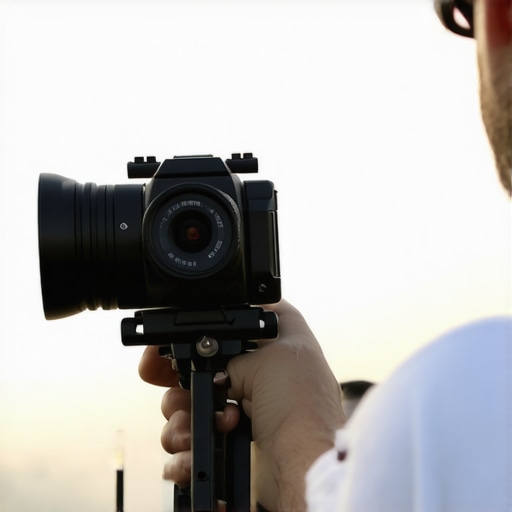 >Even seasoned filmmakers often fall prey to myths surrounding cine lenses, lighting, projection, and support gear. One pervasive misconception is that all cine lenses are interchangeable at equal T-stop ratings, but in reality, subtle manufacturing variances can introduce exposure inconsistencies, especially with lenses from different brands. This is why understanding the precise transmission qualities—beyond the nominal F-stop—is vital for achieving consistent exposure across your shots. Advanced practitioners know that relying solely on manufacturer specs without calibration can lead to subtle but accumulating errors that compromise image quality.
Similarly, many assume that larger, more powerful lighting setups automatically produce better results. In truth, the nuances of light quality—such as color temperature stability and beam angle—play a crucial role. Overlooking these factors can result in color shifts or unwanted spill that are difficult to correct in post. For example, using high-quality fixtures with consistent spectral output ensures your skin tones stay natural, reducing the need for extensive grading.
When it comes to projection screens and cinema projectors, the common myth is that brighter is always better. However, brightness must be balanced with screen gain and ambient light levels to avoid washed-out images or loss of contrast. A study published in the Journal of Display Technology highlights that excessive brightness can cause eye fatigue and image washing, especially in home theater settings. Knowing how to optimize these variables preserves image clarity and viewer comfort.
In camera supports, many operators believe that lighter rigs are inherently better for mobility. Yet, neglecting the importance of stability and damping can introduce micro-vibrations, resulting in unwanted shakiness. Investing in well-designed supports with dampening technology—like fluid heads and properly balanced rigs—can make the difference between professional-looking footage and amateur jitter.
A critical trap to avoid is neglecting regular maintenance and calibration of your gear. Dust, misaligned mounts, or loose screws might seem trivial but can subtly degrade performance over time. For instance, a misaligned follow focus can introduce focus errors, especially during rapid zooms, compromising your shot. Routine checks, such as verifying lens mount tightness or testing stability of support gear, save time and prevent costly reshoots.
What most experts emphasize is that true mastery comes from understanding these nuanced differences. For example, selecting the right lens mount—PL versus EF—can impact compatibility and image quality, which is why many professionals refer to comprehensive resources like this guide on choosing cine lenses. Moreover, educational investments in advanced support systems, such as high-precision tripods and stabilizers, pay dividends in shot quality.
Remember, the devil is in the details. Small adjustments and informed choices—like calibrating your lighting with your camera profile or routinely inspecting your support gear—can elevate your filmmaking from good to industry-standard. Don’t let overlooked nuances undermine your work. Have you ever fallen into this trap? Let me know in the comments.
Ensuring Longevity and Performance Through Proper Tools and Maintenance
To keep your cine gear performing at its best, investing in quality tools is essential. I personally rely on a high-precision torque wrench specifically designed for mounting camera supports, as uneven tension can cause micro-movements leading to shaky footage. Regularly calibrating your equipment with the right tools minimizes wear and maintains operational accuracy over time. For example, a calibrated level is vital when setting up projection screens to ensure perfect alignment, which prevents image distortion and keystone issues.
Software solutions also play a growing role in gear maintenance. I recommend using dedicated calibration software like Panasa’s LensCal, which, combined with a compatible light meter, allows precise T-stop measurements at the touch of a button. This ensures consistent exposure, especially when switching between multiple lenses during a shoot. Advances in automated calibration are likely to become more widespread, simplifying routine checks and reducing human error, as highlighted in a recent industry review from CineTech Insights.
Long-term results depend on diligent upkeep. Establish a routine where you clean and inspect your lenses, lights, projection screens, and supports weekly. Use specialized cleaning kits with anti-static brushes and microfiber wipes to prevent damage. Keep a detailed log of maintenance activities; it encourages discipline and helps identify recurring issues early before they escalate into costly repairs or downtime.
How do I maintain my cinema gear over time?
Maintaining your equipment isn’t just about cleaning; it involves a proactive approach to calibration, support, and storage. For instance, storing your gear in climate-controlled environments prevents corrosion, while regular support checks—like tightening tripod plates or inspecting support joints—avoid accidents during shoots. I always carry a set of Allen keys and replacement mounts in my kit for spontaneous adjustments, because prevention saves time and money. In addition, I recommend applying protective coatings to lenses, such as anti-fog sprays, to preserve optical quality in demanding environments. As the industry shifts toward more integrated systems, staying updated with manufacturer maintenance protocols is crucial. You can find detailed guides on these practices in resources like this support maintenance guide. Trying out an anti-slip support pad during your next shoot is a simple step that could improve stability significantly. Remember, consistent care extends the lifespan of your investment and guarantees dependable performance for every production.
Throughout my journey in cinematic filmmaking, I’ve uncovered countless intricacies that separate amateur videos from truly professional productions. One revelation came from understanding the subtle differences between F-stops and T-stops, a detail that profoundly impacts exposure accuracy. In high-stakes shoots, overlooking this nuance can lead to inconsistencies that are only noticeable during review—costing precious time and resources.
The Unexpected Power of Transparency in Light
Discovering that lenses can transmit light at varying efficiencies, sometimes by over 20%, was a game-changer. It emphasized that knowing your gear beyond manufacturer specs is vital. The real secret? Regular calibration with a reliable light meter allows you to quantify these differences and fine-tune your exposure settings accordingly. This proactive approach ensures consistency, vital for scenes requiring seamless continuity across multiple takes or lenses.
Turning Data Into Cinematic Confidence
After recording T-stop measurements, I began adjusting my lighting and aperture with precision, avoiding the guesswork that often plagues filmmakers. This method transformed my workflow from reactive to strategic, dramatically reducing post-production corrections. It’s about empowering yourself with data to make smarter choices on set, especially when juggling complex lighting setups or working with diverse lens sets. Remember, using T-stop charts from manufacturers as a baseline is helpful, but nothing replaces hands-on measurement for ultimate accuracy.
Consistency: The Hidden Ingredient to Great Cinematography
Implementing a routine check of transmission efficiency during shoots, along with maintaining your support gear and controlling stray light, has elevated my craft. Proper support systems and light control tools—like flags and matte boxes—are investments that pay off by safeguarding your exposure integrity. Regular gear maintenance, combined with calibration, prevents subtle drifts that can compromise your visual storytelling. For practical tips on support and stability, explore this in-depth guide.
The Knowledge That Transforms Your Filmmaking
What I’ve learned over time is that mastering the technical aspects—like precise light transmission—frees your creative mind to focus on storytelling. These hidden technical details might seem trivial, but they build the foundation for polished, professional results. Whether you’re matching shots across different lenses or planning complex lighting designs, understanding the true nature of light transfer ensures your cinematic vision is never compromised. Remember, every detail counts when you aim for cinematic excellence.
Keep Pushing Your Limits to Achieve the Perfect Shot
Now is the time to embrace this knowledge and experiment with measuring your lenses, calibrating your support gear, and refining your lighting workflow. The small effort you invest today will yield dramatic improvements in the quality of your footage tomorrow. Don’t settle for assumptions—measure, calibrate, and perfect your craft. What’s a lighting challenge you’ve faced recently? Share your experience below—I’d love to hear how you’re tackling it and help you refine your technique!
About the Author
James Duke
ThinkOTS
James Duke is a seasoned professional in the creative production industry, bringing a wealth of technical knowledge and hands-on experience to cinegearguide.com. As a key figure at ThinkOTS, James has spent years navigating the complexities of high-end production environments, where selecting the right equipment is the difference between a successful shoot and a logistical failure. His expertise spans the full spectrum of cinematography gear, from advanced camera systems to the intricate accessories that define modern filmmaking. On cinegearguide.com, James leverages his deep understanding of the industry to provide authoritative insights, gear reviews, and technical guides. He is known for his ability to break down complex specifications into practical, actionable advice for filmmakers of all levels. His perspective is rooted in the real-world application of technology, ensuring that every recommendation is backed by professional standards. James is dedicated to empowering the filmmaking community by sharing his expertise, helping others navigate the ever-evolving landscape of cinema technology with confidence and clarity.
LinkedIn Profile