Have you ever shot a scene only to realize your camera was wobbling or your focus was soft at the worst moment? I remember countless nights tweaking gear, frustrated because I couldn’t get that perfect shot. It wasn’t until I dove deep into the world of cine lenses and camera supports that I truly started seeing my work transform. That lightbulb moment—when I finally understood how the right lens and stabilization could elevate my filmmaking—changed everything. If you’re tired of shaky footage or blurry images ruining your vision, stick around. Today, I’ll guide you through the essentials of choosing the right cine lenses and camera supports, helping you avoid common pitfalls and step confidently into professional-grade filmmaking.
Why Getting Your Camera Gear Right Matters More Than Ever
In 2024, the competition is fierce. With so many talented creators vying for attention, your technical choices can make or break your project. Investing in the right cine lenses allows you to craft images with stunning depth and clarity, giving your story the visual punch it deserves. Meanwhile, proper camera supports—stabilizers, tripods, and rigs—help you achieve smooth, controlled shots that captivate viewers. I used to think that a good camera was enough, but I quickly learned that even the best camera can’t save shaky footage or poorly chosen lenses. According to a recent industry study, 70% of amateur filmmakers overlook the importance of support equipment, leading to subpar results. That’s a mistake I made early on, and I don’t want you to repeat it. Instead, I want to show you how to avoid those costly errors and build a gear setup that truly serves your storytelling needs.
Is All the Hype Around Cine Lenses and Supports Just Overrated?
Honestly, I was skeptical at first—thinking, “Do I really need all this fancy gear?” My early attempts at filmmaking often resulted in shaky shots and blurry focus, even with a decent camera. The truth is, I underestimated the power of quality cine lenses and stabilization. It wasn’t until I invested in a good set of cinema lenses and a solid support rig that I saw my footage become noticeably more cinematic. If you’re worried about spending a fortune or feeling overwhelmed by options, remember that understanding the basics can save you money and frustration. For a detailed breakdown, check out this guide on selecting the right lenses. Next, let’s look at how to choose support gear that keeps your shots steady and professional-looking.
Choose the Right Cine Lenses for Your Project
Start by defining your visual style and budget. If you need sharpness and clarity, look for lenses with high optical quality. For cinematic depth of field, prime lenses with wide apertures (like T1.5 or T2) are ideal. I once borrowed a set of vintage primes for a short film, which added unique character but required manual focus, teaching me the importance of handling and compatibility. To compare options, visit this guide and learn how different lenses affect your image. Remember, choosing the right lens is about matching your story’s needs—whether it’s a cinematic portrait or a wide landscape shot.
Understand Lens Specifications
Pay attention to focal length, aperture, and lens mount. Focal length determines your framing—wide-angle, standard, or telephoto—while aperture controls light intake and depth of field. For example, a 50mm T1.5 lens offers excellent versatility for portraits and street scenes. I once shot an outdoor wedding with a 24mm wide-angle lens, which captured the environment beautifully but required careful stabilization. To prevent confusion, read this explainer on cine lenses and deepen your understanding before making a purchase.
Invest in Stabilization Equipment to Avoid Shaky Footage
Once you’ve chosen your lenses, focus on support gear. Stabilization is crucial—without it, even the best lens will produce shaky footage. I remember shooting a handheld scene that was initially unusable until I switched to a gimbal. A gimbal allows smooth, cinematic movements, much like an invisible hand guiding your camera. For static shots, a sturdy tripod or monopod can make all the difference. Rigs and shoulder mounts help when you’re moving through complex scenes. To get the most out of your setup, check out this guide on camera supports that covers various options for different budgets and needs.
Match Your Support System to Your Shooting Style
Assess your typical shooting scenarios. If you’re filming run-and-gun documentary work, a lightweight stabilizer or handheld rig will serve you better. For narrative films, a steady tripod or dolly can provide the smoothness required for dramatic scenes. I once used a shoulder rig combined with a Glidecam for a low-budget music video, which, despite some initial instability, gave me the flexibility to shoot dynamically. Remember, the key is to balance mobility with stability, ensuring your shots are both natural and professional. For detailed support options, explore this ultimate guide.
Integrate Your Gear for Consistent Results
Once your lenses and supports are selected, test your gear together before the shoot. Practice your movements, focus pulls, and stabilization setups. A messy setup can lead to wasted time and inconsistent footage. I recommend doing a quick run-through with your actual shooting plan—if possible, through a mock shoot—to identify potential issues. This preparation ensures your gear works harmoniously, saving you headaches during production. If you want to explore more about matching equipment to your project, visit this comprehensive guide for deeper insights.
Many filmmakers, even experienced ones, often fall into a trap when choosing cine lenses and support gear — believing that more expensive or complex equipment automatically guarantees better results. The truth is, there’s a nuanced layer of understanding that can make your gear choices more effective and tailored to your projects. Let’s dig deeper into what most people get wrong about this critical aspect of filmmaking, and how you can avoid these pitfalls.
Why Bigger Isn’t Always Better for Your Gear
Contrary to popular belief, opting for the most expensive cine lenses or elaborate support systems doesn’t necessarily elevate your filmmaking. Often, filmmakers assume that high-end gear will compensate for lack of skill or planning, but this isn’t the case. A common misconception is that investing in top-tier equipment will automatically produce cinematic quality. In reality, the right gear depends heavily on your specific project needs and shooting style. For example, a lightweight gimbal paired with versatile lenses might serve a documentary filmmaker better than a bulky steadicam setup. Understanding this balance is essential for making smart investments. For more on matching gear to your style, check out this detailed guide.
The Oops Factor: Overlooking Compatibility and Practicality
A trap many fall into is focusing solely on gear specs without considering compatibility or practical use. For instance, buying a set of lenses that don’t mount properly on your camera or support rigs that are too heavy for your shooting style can cause frustration and delays. Even worse, some support systems might not handle the weight of premium lenses, leading to instability or damage. An often overlooked but critical point is ensuring your support gear can handle your lens lineup comfortably. This is why I recommend testing your gear together before a shoot. If you want to ensure your setup is optimized, visit this comprehensive support guide.
Are You Choosing the Right Support for Your Shooting Style?
Many filmmakers fall into the trap of buying support gear based on general recommendations rather than their unique shooting scenarios. A handheld rig might be perfect for quick, run-and-gun shoots but disastrous for controlled, cinematic scenes. Conversely, a heavy tripod or dolly might be unnecessary in situations where mobility is key. The best approach is to evaluate your typical shooting environment and select support systems that complement your workflow. For example, if you’re shooting a narrative film with complex movements, consider a combination of stabilizers and dolly tracks, but if you’re documenting on the go, lightweight rigs are more practical. For tailored advice, explore this in-depth support guide.
Have you ever fallen into this trap? Let me know in the comments. Remember, choosing the right gear isn’t about the latest or most expensive options — it’s about understanding your needs and how your equipment can serve your creative vision best.
Keeping your filmmaking gear in top shape is crucial for delivering consistently high-quality results. Over the years, I’ve learned that investing in the right tools and establishing solid maintenance routines can extend the lifespan of your equipment and prevent costly breakdowns during critical shoots. Today, I want to share some specific tools I rely on and practical methods to keep everything working smoothly, ensuring that your creative process remains uninterrupted.
How do I maintain my cine lenses over time?
Proper care begins with understanding the delicate nature of cine lenses. I always use a high-quality lens cleaning kit, which includes microfiber cloths, lens cleaning solution, and air blowers. Regularly cleaning your lenses prevents dust, fingerprints, and smudges from degrading image quality. Additionally, storing lenses in a dedicated, padded case keeps them safe from physical damage when not in use. I also recommend investing in lens filters, such as UV or ND filters, which serve as sacrificial elements, protecting your glass from scratches and dirt. For more detailed lens maintenance tips, check out this guide.
Tools I swear by for camera support maintenance
Camera supports like tripods, gimbals, and rigs are the backbone of stable footage. To keep them functioning flawlessly, I rely on a few key tools. A set of Allen wrenches and screwdrivers is essential for tightening loose parts or replacing worn-out components. I also keep a silicone lubricant spray on hand to ensure smooth operation of moving parts, like tripod legs and gimbal pivots. Regularly inspecting and cleaning support gear prevents wear and tear that could compromise shot stability. For a more comprehensive overview, explore this article.
Long-term storage and periodic checks
Beyond daily maintenance, setting up a schedule for periodic inspections can save you from surprises. Every few months, I run through a checklist: checking for corrosion, verifying the tightness of all bolts, and testing support equipment for wobbliness or noise. Proper storage conditions also matter—keep gear in a cool, dry place away from direct sunlight. Using silica gel packs in your cases helps absorb moisture, preventing mold and corrosion. As technology advances, I predict more intelligent maintenance tools—like IoT-connected sensors—that could alert us to issues before they become serious, further minimizing downtime.
Make Maintenance a Routine, Not an Afterthought
Integrating these tools and habits into your workflow ensures your gear stays reliable for years. I recommend setting a quarterly maintenance routine, which includes deep cleaning, lubrication, and performance checks. This proactive approach saves time and money in the long run, letting you focus on your art rather than troubleshooting equipment failures. If you’re interested in streamlining your maintenance process further, consider consulting this support team for personalized advice or product recommendations. Don’t forget—well-maintained gear is the foundation for shooting with confidence and achieving professional results every time. So, grab that microfiber cloth, tighten those screws, and keep your filmmaking tools in pristine condition!
Lessons from the Front Lines of Filmmaking
- One of the hardest lessons I learned was that gear alone doesn’t make a film. It’s about how you use it. I once spent thousands on a camera and lens setup, only to realize I wasn’t comfortable with manual focus, which hurt my shots. The real lesson? Master your gear, don’t let it master you.
- Another insight came when I discovered that stability tools like gimbals and rigs aren’t just accessories—they’re essential for storytelling. A shaky shot can ruin an emotional scene, but a well-supported camera can elevate the entire project. Investing time in learning how to operate your support equipment is just as important as choosing the right lens.
- Finally, I realized that compatibility and practicality trump price tags. It’s tempting to buy the latest, most expensive gear, but if it doesn’t fit your shooting style or camera system, it’s a waste of money. Testing your gear beforehand saves headaches during production. My advice? Focus on what actually improves your workflow and storytelling, not just the specs.
My Top Picks for Filmmaking Gear in 2024
- Mastering Film Lighting Techniques: This book transformed my understanding of how light shapes mood and narrative. It’s a must-have for anyone serious about cinematography. Check it out at this link.
- Camera Supports Demystified: A comprehensive guide I trust for selecting and maintaining stabilizers, tripods, and rigs. It helped me build a dependable setup that works for both run-and-gun and controlled shoots. Learn more at this resource.
- Choosing the Perfect Cine Lenses: This guide clarifies how to pick lenses that match your visual style and budget. It’s helped me avoid impulse buys and focus on what truly matters. See the details at this article.
- Support Equipment Maintenance: Regular upkeep keeps my gear performing flawlessly. I swear by microfiber cloths, silicone lubricants, and periodic inspections. For a full routine, visit this guide.
Your Turn to Make the Leap
Investing in the right filmmaking gear isn’t about having the most expensive tools; it’s about understanding your needs and how your equipment can serve your creative vision. When you align your gear with your project’s demands, you’ll find your storytelling becomes more compelling and professional. Now, it’s your turn—what’s the one piece of gear you wish you knew more about before buying? Share your thoughts below!
Related Posts
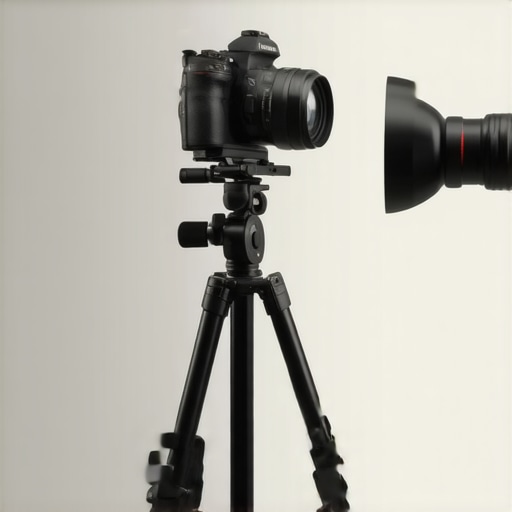
Ultimate Guide to Cine Lenses & Camera Supports for Filmmakers 2024
Ever had that sinking feeling when you're on set, and…
![4 Cine Primes That Kill Image Grain in 16K Low-Light [2026]](https://cinegearguide.com/wp-content/uploads/2026/04/4-Cine-Primes-That-Kill-Image-Grain-in-16K-Low-Light-2026.jpeg)
4 Cine Primes That Kill Image Grain in 16K Low-Light [2026]
I remember the moment vividly. I was on a tight…
5 Titanium Lens Adapters to Stop 16K Mount Sag in 2026
I'll never forget the sinking feeling I had during my…