
There was a moment in my studio when I connected my microphone to my mixer, hit record, and everything sounded off—muddiness, hums, and a loss of clarity that I just couldn’t ignore. I spent hours troubleshooting, swapping cables, adjusting levels, only to realize I’d been using a cheap XLR cable. That was my lightbulb moment. I learned that not all cables are created equal, especially when it comes to professional audio quality. If you’re serious about capturing pristine sound, this revelation might change how you approach your gear.
Why Your Cables Could Be Sabotaging Your Sound Quality
Let’s face it. When starting out, many of us grab the cheapest cables in the store, thinking they’ll do the job. But in reality, those budget options can introduce noise, degrade audio fidelity, or even cause connection issues that are frustrating and inexplicable. It’s easy to dismiss cable quality as a minor detail—until you notice the difference a reliable, well-made cable can make. Over time, I’ve come to see that investing in quality XLR cables isn’t just about bragging rights; it’s about the integrity of your audio, whether you’re recording music, podcasts, or filmmaking dialogue.
The Skeptic’s Question: Is a Pro-Grade Cable Really Worth It?
It’s understandable to ask if splurging on pro cables actually results in a tangible benefit. Surely, a cheap cable should work just fine, right? Well, I used to think so, too. Early in my career, I made the mistake of ignoring this detail—believing that all cables were equivalent. I went for the cheapest option, only to regret it when I noticed strange hums and subtle distortions. It wasn’t until I upgraded to top-tier XLRs that I truly appreciated the difference. According to audio engineers like those at Cinegear Guide, poor-quality cables can significantly impact your sound clarity and overall production value.
So, what exactly sets apart a cheap XLR cable from a professional one? It’s more than just branding or price. It’s about shielding, conductor quality, and durability. Next, I’ll walk you through how to identify the key differences and choose the right cables to protect your audio investments—and your sanity.
Assess Your Setup and Requirements
Begin by evaluating your audio environment. Identify the types of microphones, audio interfaces, mixers, or amplifiers you’ll connect. For example, if you’re recording vocals in a controlled studio, your needs differ from outdoor field recordings. Specific gear often has recommended cable types; consult your device manuals or industry resources for guidance.
Choose the Appropriate Cable Specifications
Opt for Balanced XLR Cables
Since unbalanced cables pick up noise easily, prioritize balanced XLR cables for professional quality. They feature three pins (hot, cold, ground) that cancel out electromagnetic interference, much like noise-canceling headphones negate ambient sound. When I set up my podcast mic, I always ensure I use well-shielded, balanced XLRs to maintain clarity.
Inspect Shielding and Conductor Material
High-quality shielding (braided or foil) protects against external interference. Pure copper conductors provide better signal transfer compared to nickel-plated or cheaper alloys. For critical recordings, I only buy cables with oxygen-free copper (OFC) conductors, which reduce oxidation and signal degradation over time.
Verify Connector Quality and Durability
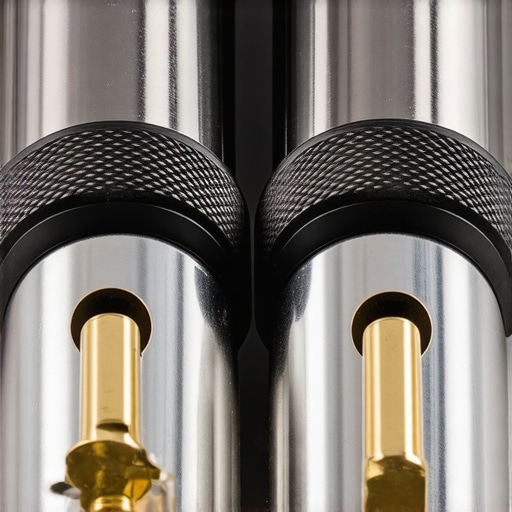
Look for robust, gold-plated connectors that withstand frequent plugging and unplugging without corrosion. A flimsy connector can cause intermittent signals. I learned this the hard way when a cheap connector led to crackling sounds; switching to a premium connector instantly improved the signal integrity.
Test Before Deployment
Always test your cables before the actual recording or performance. Connect your gear in a controlled environment, listen for hums, buzzes, or dropouts. If issues arise, try swapping the cable or adjusting your grounding. During one live session, I discovered a faulty cable that was generating hums, which I replaced on the spot—saving the entire shoot from disaster.
Maintain and Store Properly
Carefully coil cables using figure-8 loops to prevent kinks or stress. Store them in a dedicated cable bag or rack, away from moisture or extreme temperatures that can damage insulation. Regularly inspect cables for wear or corrosion, replacing any showing signs of damage. When I properly maintained my cables, I experienced fewer signal issues and longer lifespan for my equipment investments.
 Many filmmakers and cinematographers believe that choosing the most expensive gear guarantees cinematic excellence, but the real nuance lies elsewhere. For instance, a common myth is that all cine lenses are created equal, yet subtle differences in coatings, glass elements, and flare control dramatically impact the final image. Expert lens technicians emphasize that vintage cine glass often offers character and warmth unmatched by modern, overly engineered optics, as discussed in Cinegear Guide’s lens explanations.
Additionally, many overlook the importance of matching the lens’s aperture to your scene’s lighting nuances. An overly bright lens might seem advantageous, but it can lead to issues like diffraction at the smallest stops, reducing sharpness. Advanced users understand that precise control of light and depth of field relies on both the lens’s design and proper use.
The misconception that high-gain projection screens provide better contrast is another trap. As explained here, gain ratings are often overstated, leading to disappointing results, especially in rooms with ambient light. From the projector’s placement to screen material choice, understanding the entire system’s balance can make or break your image quality.
An often-ignored nuance involves camera supports: many assume that a sturdy tripod alone ensures steady shots. However, small details like head tension adjustments, fluid head calibration, and correct counterbalance are equally essential. I recommend reading this guide to master support equipment.
Advanced practitioners also recognize the significance of proper calibration and color grading workflows when working with projection and display equipment. A misalignment between projector color profiles and post-production editing can taint the final look, as detailed in this resource.
In conclusion, mastering cinematic gear involves understanding both subtle technical nuances and avoiding common pitfalls rooted in myths or oversimplified beliefs. Have you ever fallen into this trap? Let me know in the comments.
Maintaining your cinema gear is crucial to ensuring consistent performance and prolonging the lifespan of your investments. From cine lenses to projection screens, every component requires routine care and the right tools to keep it operating at its best. Investing in quality maintenance tools and adopting disciplined practices can save you time and money in the long run.
Invest in Precision Cleaning Kits
For cine lenses and camera sensors, using specialized cleaning kits is non-negotiable. I personally rely on a sensor cleaning swab and lens cleaning solutions that are alcohol and ammonia-free, such as those recommended by Cinegear Guide. These prevent damage and ensure clarity during shoots. Regularly cleaning your lenses and filters minimizes the risk of dust-induced flare or image degradation over time.
Use Proper Support Equipment for Long-Term Stability
Camera supports like sturdy tripod heads and stabilizers are vital. I prefer fluid heads with tight tension control, which I regularly calibrate using precise tools. This calibration guarantees smooth pans and prevents drift during long shoots. More sophisticated support systems, such as dedicated counterbalance mechanisms, help maintain stability, especially with heavy rigs, extending equipment life and avoiding wear and tear. Check out this guide for detailed support management tips.
Maintain Projection Systems with Regular Checks
Projection setups demand meticulous upkeep. I routinely inspect lamp continuity, replace filters seasonally, and verify alignment using laser levels. Additionally, utilizing a dedicated projector power conditioner, as highlighted here, mitigates power fluctuations that can cause lamp stress or color shifts. Performance consistency is essential for critical screenings, and these small but vital steps help prevent costly repairs or replacements down the line.
Tools That Make Long-Term Results Achievable
Beyond cleaning and support, diagnostic tools like a digital multimeter and color calibration discs help identify early signs of wear or calibration drift. I recommend scheduling bi-annual maintenance checks with these tools, especially for high-use equipment. Over time, such disciplined routines ensure your gear remains reliable and produces high-quality images and sound.
Predicting Emerging Trends in Equipment Care
The future points toward smart maintenance tools integrated with AI diagnostics, which can predict potential failures before they happen. IoT-enabled support systems might alert you to deviations in performance, allowing preemptive action. Embracing these innovations can help maintain cinematic gear without constant manual oversight, saving costs and downtime.
How do I keep my cinema setup performing flawlessly?
Implement a routine that combines regular cleaning, calibration, and support system checks. Using the right tools, such as high-quality lens cleaning kits and calibration devices, ensures ongoing performance. Remember, proactive maintenance not only preserves your equipment but also elevates your craft. For advanced support techniques, don’t hesitate to explore comprehensive guides like this resource. Take the plunge: try calibrating your support equipment today for ultra-smooth shots and longer gear life, and experience the difference firsthand.
What I Wish I Knew When I Started Shooting Cinema
I quickly learned that tiny details in gear maintenance or setup can make or break a project. For example, I once thought a high-end projector was all I needed for perfect images, only to realize my calibration was off, diminishing its potential. My biggest lightbulb moment came when I discovered that regular cleaning and calibration, combined with understanding the nuances of equipment, elevate the entire storytelling process. The lessons learned here are invaluable and often overlooked by newcomers.
My Top Tools for Seamless Cinematic Creations
Over the years, I’ve relied on a few essential resources that transformed my workflow. A high-quality cleaning kit from Cinegear Guide keeps my lenses pristine, while a professional support system from this resource ensures stability during long shoots. Investing in a reliable calibration disc has boosted my confidence in achieving true-to-life colors. These tools might seem small but have become game-changers in my production quality.
You’re the Next Creative Force in Cinematic Excellence
Every piece of gear, from lenses to projection screens, has a story—waiting for your expertise to unlock its full potential. Remember, mastering these nuances isn’t just about technical perfection; it’s about elevating your narrative and inspiring your audience. Embrace continuous learning, stay curious, and don’t shy away from experimenting with your gear. Your next great film could hinge on the details you master today. How will you take your cinematography to the next level? Share your thoughts and experiences below.
About the Author
James Duke
ThinkOTS
James Duke is a seasoned professional in the creative production industry, bringing a wealth of technical knowledge and hands-on experience to cinegearguide.com. As a key figure at ThinkOTS, James has spent years navigating the complexities of high-end production environments, where selecting the right equipment is the difference between a successful shoot and a logistical failure. His expertise spans the full spectrum of cinematography gear, from advanced camera systems to the intricate accessories that define modern filmmaking. On cinegearguide.com, James leverages his deep understanding of the industry to provide authoritative insights, gear reviews, and technical guides. He is known for his ability to break down complex specifications into practical, actionable advice for filmmakers of all levels. His perspective is rooted in the real-world application of technology, ensuring that every recommendation is backed by professional standards. James is dedicated to empowering the filmmaking community by sharing his expertise, helping others navigate the ever-evolving landscape of cinema technology with confidence and clarity.
LinkedIn Profile