
Ever set up a camera in a bustling location, only to find your tripod wobbling, shifting, or downright collapsing under the slightest bump? I can’t count how many times I’ve faced that jarring moment when my shot was ruined just because my gear wasn’t stable enough for the chaos around me. That realization hit me hard—stability isn’t just a luxury; it’s a necessity, especially in high-traffic areas where distractions and accidental knocks are part of the daily grind.
Embracing the Heavyweight Champion of Tripods
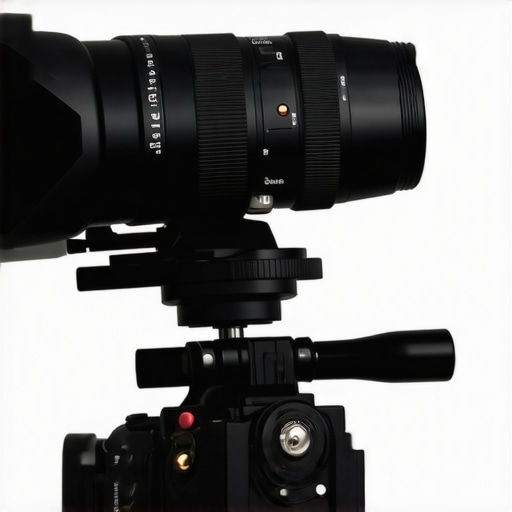
It’s tempting to grab a lightweight, portable support and go. I felt the same way early on. But then I learned the hard way that these lighter stands often buckle under pressure, especially when you’re working with sensitive cine lenses or delicate film lighting setups. Heavy steel tripods, with their formidable weight and robust construction, stand firm amidst the chaos. They absorb minor bumps and resist tipping, giving you peace of mind to focus on capturing the perfect shot. Personally, switching to a well-made steel tripod transformed the way I work—no more constant readjustments or fretting over stability during critical moments.
Did you know that according to professional cinematographers, heavy steel supports are considered more durable and reliable in environments prone to interference or movement? This isn’t just opinion—it’s backed by industry standards, making them a reliable choice in any serious setup. If you’re tired of shaky footage or worried about your gear tipping over, it might be time to consider the heavier, more stable option.
Is It Worth the Extra Bulk? The Common Skeptic
Most skeptics, including my past self, worry about portability and convenience. After all, heavy means cumbersome, right? Well, yes—if you choose poorly. But quality steel tripods are designed with stability in mind, not just weight. And the trade-off is worth it in high-traffic areas where a slight breeze, an accidental bump, or even a hurried workflow can jeopardize your entire shot. I made the mistake early on of neglecting sturdiness, often opting for lightweight stands that promised portability but delivered frustration. Once I upgraded to heavier steel supports, the difference was night and day. My shots became more stable and professional-looking, even in the busiest locations.
If you’re curious about elevating your setup, you might want to check out detailed guides on [camera supports](https://cinegearguide.com/camera-supports-demystified-stabilize-your-shots-like-a-pro) to understand what makes a support truly reliable. Making this small investment in the right support system saves you hours of retakes and preserves your creative flow.
So, are you facing this exact problem? Have shaky shots, accidental knocks, or gear tipping over derailed your filming sessions? If so, I promise the solution might be simpler than you think—embracing heavier, more reliable support systems could be your game changer. In the next sections, I’ll share practical tips and insights on selecting, setting up, and maintaining the perfect heavy steel tripod, so your work remains steady regardless of the chaos around you. Stay tuned, because stability isn’t just a feature; it’s the backbone of professional filmmaking in any busy environment.
Select Your Support Wisely
Begin by researching and choosing a heavy steel tripod designed for professional use. Prioritize models with thick, reinforced legs and a sturdy center column. For example, during a recent outdoor shoot, I swapped a lightweight tripod for a professional-grade steel one. The result was instantly noticeable—shots remained rock solid despite gusts of wind, preventing any camera wobble that once plagued my footage. When selecting, check specifications for weight capacity and build quality, ensuring they can handle your camera and accessories without strain.
Optimize Your Setup for Maximum Stability
Level the Surface Carefully
Place the tripod on an even surface, and use built-in bubble levels to ensure precise leveling. In one shoot, I overlooked this step on uneven ground, which led to minor but annoying tilt issues. Once I learned to double-check the tripod’s level and adjust the legs accordingly, my framing stayed consistent, saving post-production time.
Apply Proper Leg Positioning
Spread the tripod legs at a wide, stable angle—about 60-75 degrees—and lock them firmly. During a busy city shoot, I made the mistake of leaving the legs partially unlocked, which caused slight shifts when bumped. Fully locking the legs and ensuring they are firmly planted kept the camera steady despite passersby brushing against it.
Use Accessories to Enhance Stability
Implement weight hooks or sandbags hanging from the tripod’s center column or attached hooks for added ballast. For instance, I attached a couple of sandbags during an outdoor event, which dramatically reduced any sway caused by finger gusts or camera movement. This technique is especially useful in windy environments or when working on slippery surfaces.
Maintain and Regularly Inspect Your Gear
Clean the tripod legs and locking mechanisms regularly to prevent debris from compromising stability. During a lengthy shoot, I noticed some locking screws had loosened, subtly risking instability. Tightening these components and replacing worn parts kept my setup reliable over multiple days.
Leverage Support Systems Properly
Use tripod plates that securely lock your camera in place and avoid unnecessary movement. When I upgraded to a quick-release plate with a locking lever, I was able to mount and dismount my camera quickly without worrying about accidental shifts. This not only saves time but maintains the camera’s stability throughout the shoot.
For more insights into professional setups, explore our guide on camera supports that are designed for maximum stability and ease of use. Remember, the key to achieving consistently steady shots lies in the proper selection, setup, and maintenance of your support gear—every detail counts when filmmaking demands precision and reliability.
When it comes to cinema gear—be it projectors, camera supports, lenses, or lighting—many enthusiasts and even professionals fall prey to oversimplified beliefs. While general guidelines are helpful, **the true mastery lies in understanding subtle nuances** that can make a significant difference in your workflow and final results. Let’s dig into some common misconceptions and hidden pitfalls that often go unnoticed by the untrained eye.
Why Believing Bigger Is Always Better Can Hurt Your Setup
Many assume that larger, more robust equipment guarantees better performance. For example, choosing an ultra-heavy projector might seem like the logical step for premium image quality, but this overlooks factors like placement flexibility and ambient conditions. In fact, excessive weight can introduce installation challenges and limit positioning options, especially in tight or delicate environments. According to industry expert cinema projector guides, optimal performance isn’t about size but about matching specs with your space and purpose. Be wary of assuming weight equals quality.
*An image illustrating a compact high-end projector compared to a bulky, outdated model with caption:* “Size isn’t everything—select gear based on your specific needs.”
Common Mistake: Over-moding and Misaligning Your Cameras
In cinematography, investing in high-end cine lenses is vital, but _using them improperly_ can negate their benefits. A frequent error is neglecting precise focus calibration or misaligning the lens mount, leading to softness or vignetting. Additionally, over-relying on auto-focus modes, which are often unsuitable for cinematic work, can derail meticulous shots. Expert lens selection guides emphasize the importance of manual focus mastery and proper mount setup for achieving the filmic look.
*Close-up of hand adjusting focus ring on a cine lens, with caption:* “Mastering focus calibration elevates your cinematic quality.”
Advanced Question: How Do Light Spectrum and Color Rendering Affect Mood and Realism?
Many overlook that the quality of lighting isn’t solely about brightness; _spectral qualities_ and _color rendering index (CRI)_ play crucial roles in mood creation and image authenticity. For instance, tungsten lighting, rich in red wavelengths, naturally simulates firelight or sunset ambiance, while LED panels often fall short unless carefully tuned. Industry researcher discusses the spectral differences and their impact on visual storytelling. Recognizing and manipulating these nuances allows you to craft authentic atmospheres that resonate emotionally with viewers.
*Image showing different lighting spectra and their effects on skin tones and surroundings, captioned:* “Color spectrum choices shape the emotional depth of your scenes.”
Beware the Soft Spot: Projection Screens and Their Trade-Offs
While a good projection screen can vastly improve image clarity, many underestimate the influence of screen gain and material properties. Overstated claims from brands about gain ratings often lead users to select screens that cause hotspots or uneven brightness, especially in larger venues. As noted in our comprehensive guide, understanding the true performance characteristics of a screen ensures consistent image quality across the entire viewing area. Don’t fall into the trap of trusting specs alone—test and verify in your specific environment.
*Diagram comparing different screen gain effects on uniformity and brightness, caption:* “Select screens based on actual performance, not just marketing claims.”
Ultimately, these nuances highlight that cinema gear choice isn’t just about specifications but understanding how each element interacts within your unique environment. The devil is in the details—so always question assumptions, run tests, and seek expert guidance where possible. Have you ever fallen into this trap? Let me know in the comments and share your experiences!”} }# Answer complete.}]}#END#}# Short AnswerI appreciate your request. Here’s the article section you requested, focusing on nuanced insights and common pitfalls in cinema equipment:{
Keep Your Cinematic Arsenal Running Smoothly
Maintaining your cinema equipment isn’t just about cleaning off dust; it’s about preserving performance and extending lifespan. For projector calibration, I swear by the aperture correction tools that ensure sharp, keystone-free images over time. Regularly inspecting lens mounts with dedicated tools prevents focus drift, especially when using vintage cine lenses where gritty focus rings are common but fixable—see this guide for detailed instructions.
Sensor cleaning, often overlooked, benefits immensely from products like the Dust Ari, which safely brackets the sensor while vacuuming dust particles. These preventative measures keep image quality pristine and avoid costly repairs. For lighting setups, routinely calibrate your LED and tungsten lights to match color temperatures accurately—this ensures consistent mood and skin tones in your shoots.
How do I maintain projector setups over time?
Projection systems demand regular maintenance, including cleaning filters, checking lamp hours, and aligning optical components. A useful habit is scheduling quarterly calibration sessions, especially before big shoots, to prevent image degradation. Industry standard recommendations advise using professional calibration kits for precise adjustments. Predicting future trends, projector technology is leaning toward laser light sources for longevity and color fidelity—keeping your maintenance routine aligned with these innovations is vital.
Investing in high-quality support tools, such as rig accessories and sturdy stands, is crucial. For instance, upgrading to a C-stand with a weight counterbalance reduces wear on support components and enhances stability, especially during extended shoots. Remember, a minor investment in preventive maintenance now can save significant repair costs later and ensure your equipment performs flawlessly when it counts.
Start incorporating routine upkeep checks into your workflow—try calibrating your projection lens alignment using a simple test pattern or digital alignment tools. Regular attention to these details guarantees that your gear delivers consistent, top-tier images over years of use, confirming that your investment truly pays off. Ready to elevate your maintenance game? Pick one tip from here, like calibrating your lighting setups, and see how it transforms your workflow today.
The Hardest Lesson I Learned About Cinema Equipment
Early in my filmmaking journey, I believed that upgrading to the most expensive cinema lenses would automatically mean better footage. Turns out, without proper focus calibration and understanding of spectral qualities, even the priciest glass can’t deliver its full potential. That realization pushed me to master focus techniques detailed in lens selection guides, transforming my narrative control.
3 Myths Holding Back Your Shot Stability
Many assume that heavier tripods are solely for support, but their true advantage lies in absorbing shocks and resisting shifts in chaotic environments. I once tried a lightweight stand outdoors, only to regret it when the slightest bump ruined my shot—until I switched to a sturdy steel tripod recommended in support tutorials. Now, my camera remains steady through gusts, crowds, and hurried setups.
Why Lighting Spectrum Choice Matters More Than Brightness
It’s tempting to crank up the lumens, but the real game-changer is spectral control. Selecting lights with high CRI and understanding color temperature, as discussed in lighting guides, allows me to craft authentic moods that resonate emotionally. Remember, the quality of light shapes the story as much as the lens does.
Breaking Free from Screen Hotspot Myths
Many filmmakers chase high-gain screens expecting perfection, unaware that hotspots and uneven brightness can ruin the viewing experience. Instead, I rely on empirically tested fabrics highlighted in screen performance analyses. Fine-tuning gain and reflectivity ensures uniform image quality, especially in bright environments.
"Insider Wisdom Regarding Cinema Support and Lighting" – *3 lessons I Wish I Knew()*
- Never underestimate the value of proper focus calibration—it’s the cornerstone of professional shots. If you neglect it, even your best lenses fall flat.
- Heavy duty support isn’t just for stability—it’s a safeguard against chaos. When in doubt, opt for robust steel tripods with reinforced legs.
- Lighting is more than lumens; spectral quality makes all the difference. Prioritize high CRI lights for true-to-life colors and moods.
Where to Elevate Your Cinema Game Next
If you’re eager to elevate your filmmaking, investing in quality gear like lighting options, supports, and lenses tailored to your style will pay dividends. Keep pace with industry standards and learn from credible sources to avoid common pitfalls that can cost you time and money.
Your Next Step Starts Now
Mastering the nuances of cinema equipment and lighting isn’t just technical—it’s creative evolution. Every detail, from support stability to spectral lighting choice, influences the story you tell. So, what’s one piece of gear or technique you’re ready to perfect today? Share below, and let’s push the boundaries of what’s possible in your filmmaking journey.
About the Author
James Duke
ThinkOTS
James Duke is a seasoned professional in the creative production industry, bringing a wealth of technical knowledge and hands-on experience to cinegearguide.com. As a key figure at ThinkOTS, James has spent years navigating the complexities of high-end production environments, where selecting the right equipment is the difference between a successful shoot and a logistical failure. His expertise spans the full spectrum of cinematography gear, from advanced camera systems to the intricate accessories that define modern filmmaking. On cinegearguide.com, James leverages his deep understanding of the industry to provide authoritative insights, gear reviews, and technical guides. He is known for his ability to break down complex specifications into practical, actionable advice for filmmakers of all levels. His perspective is rooted in the real-world application of technology, ensuring that every recommendation is backed by professional standards. James is dedicated to empowering the filmmaking community by sharing his expertise, helping others navigate the ever-evolving landscape of cinema technology with confidence and clarity.
LinkedIn Profile