
Imagine this: you’re on set, trying to create that warm, flickering glow of a campfire or a cozy fireplace. You flick on your LED panels, expecting a soft, inviting light, but instead, everything looks flat, unnatural, and just… off. I’ve been there—trying to mimic real firelight with modern LED tech, only to end up frustrated by the stiff, cold illumination that never quite captures the magic of real tungsten glow. That moment of realization hit me hard: for certain magic moments, nothing beats good old tungsten.
Bringing Warmth to Your Shots Without a Filter or Post-Processing
The challenge has always been achieving that authentic, organic firelight effect—something LEDs simply struggle with, especially when you want depth, color richness, and that telltale flicker that makes fire feel alive. While LED lights are incredibly efficient and versatile, they often lack the nuanced warmth and natural color rendering that tungsten fixtures deliver. It’s not just about brightness; it’s about mood, texture, and nuance. Early in my career, I made the mistake of relying solely on LED panels, thinking their low power consumption and flexibility would cover all my needs. But the truth is, I spent hours editing in post to add warmth and flicker, and even then, it didn’t quite hit the mark.
Now, I’ve developed a keen appreciation for tungsten’s unique capability to produce the rich, dynamic glow that can’t be replicated by LEDs—without a hefty post-production budget or complex color grading. This insight has transformed my approach to lighting and improved my work significantly. Today, I’ll share with you why tungsten remains a powerhouse for achieving realistic firelight effects, based on personal experience and technical understanding.
Have you ever struggled to make your fire or candle scenes feel authentic? If so, you’re not alone. Many filmmakers and photographers face the same frustration. In the next sections, we’ll dive into the specific reasons tungsten outperforms LED in this area—and what practical steps you can take to harness its true potential.
Positioning Your Tungsten Lights Effectively
Start by placing your tungsten fixtures close to the scene to create a natural, flickering glow reminiscent of real fire. Use a basic C-stand from your kit, like the ones described here C-stand advantages, to position your lights securely. Experiment with angling the lights slightly off-center to produce soft shadows, contributing to a more lifelike warmth.
Controlling Intensity and Diffusion
Adjust the wattage and distance to get the desired brightness—closer for a more intense glow. Use inexpensive diffusion materials, such as gels or even a bedsheet, to soften the light and mimic the subtle variations in firelight. A simple DIY softbox or diffusion cloth can help you achieve a gentle, flickering effect without expensive modifiers. Remember, the key is subtlety; over-illumination destroys the illusion.
Creating Dynamic Fire Flicker
Implement flicker by manually adjusting the dimmer or using flicker bulbs connected to a dimmer switch. Alternatively, use a flicker box designed for film lighting, which simulates natural flickering patterns. During my earlier shoots, I employed a basic dimming method to create irregular flickers—initially messy but increasingly realistic with practice, avoiding uniform flashing which looks unnatural.
Color Temperature and White Balance Settings
Set your camera’s white balance to match tungsten lighting—around 3200K—to accurately capture the warm tones. This reduces the need for post-processing corrections. Always shoot in RAW to fine-tune color balance and contrast later without quality loss, especially when capturing the subtle nuances of the fire glow.
Incorporating Practical Elements
Add small practicals like candles, lanterns, or even handheld torches to enhance realism. These elements cast dynamic shadows and contribute to the scene’s authentic warmth. During a recent shoot, I combined tabletop candles with a tungsten key light, creating a layered glow that was both convincing and visually rich. For more tips on integrating practical effects seamlessly, check this lighting techniques guide.
Fine-Tuning the Final Look
Use dimming to match your scene’s mood, and add slight flicker variations to avoid mechanical repetition. Keep the background darker to make the warm glow stand out more vividly. Always review on a calibrated monitor to ensure your color rendition remains true, especially vital when trying to emulate fire’s complex hues.
 Many filmmakers believe that choosing high-end camera supports or film lighting equipment guarantees cinematic excellence. However, the truth is, understanding the subtle nuances behind these tools can make or break your production. For instance, a common myth is that heavier tripod systems always offer better stability, but in reality, improper setup or lack of proper balancing can negate their benefits. To truly elevate your filmmaking, focus on how gear interacts within your specific environment and shooting style. Oversights such as neglecting anti-vibration features on cinema projectors or using mismatched lenses and supports can introduce unwanted artifacts or instability, compromising image quality. Advanced practitioners know that mastering these details—like the precise tension in fluid heads or the importance of proper lens mounting—can be the difference between amateurish footage and professional-grade visuals. Did you realize that even the best projection screens require correct calibration to prevent color shifts and hotspotting? It’s a subtle detail that often escapes attention but significantly impacts viewer immersion. Referencing industry standards, expert cinematographers emphasize meticulous attention to these hidden aspects, ensuring that every element from lighting to projection aligns perfectly. Avoid the trap of relying solely on flashy gear; instead, cultivate an intuitive understanding of how each component’s nuances contribute to the desired cinematic effect. Take your skills further by exploring our in-depth guides on [projection screens](https://cinegearguide.com/projection-screens-for-every-space-2025-top-picks-tips), [cine lenses](https://cinegearguide.com/cine-lenses-explained-choosing-the-perfect-glass-for-your-film), and [camera supports](https://cinegearguide.com/camera-supports-demystified-stabilize-your-shots-like-a-pro). Remember, the devil is in the details—master them, and you’ll elevate your filmmaking craft to a new level. Have you ever fallen into this trap? Let me know in the comments.
Keep Your Gear Running Smoothly: Essential Maintenance Strategies
Ensuring your camera supports, lenses, projectors, and lighting equipment operate optimally over time requires deliberate care and attention. Regular maintenance not only extends the lifespan of your gear but also preserves the quality of your production values. My personal routine involves a few specific practices that I recommend based on years of hands-on experience.
Start with cleaning. Use specialized lens wipes and microfiber cloths for optics, like those discussed in this guide. For mechanical parts, gentle lubrication with industry-approved lubricants prevents corrosion and keeps focus gears, follow focus disks, and support mechanisms operating smoothly. Avoid generic oils, as they can attract dirt and cause long-term damage.
Next, inspect mounting hardware and support systems regularly. Tighten screws, check for wear on support pads, and replace any damaged components before they cause serious issues during a shoot. For sturdy yet flexible support, I favor products recommended in this article. The stability of your camera and lens assembly directly affects image sharpness and camera movement, especially with cine lenses and high-end projectors.
How do I maintain Cine Lenses over time?
Keep cine lenses in a climate-controlled environment, and routinely clean the glass with appropriate solvent solutions that won’t strip coatings. Storing them in dedicated, padded lens cases prevents accidental bumps and dust ingress. Periodically check the focus and aperture rings for resistance or grit, and service if necessary. For precision tools like cinema lenses, professional servicing might be required, but routine cleaning and careful handling are usually sufficient to keep them performing at their best.
In the future, as technology evolves, I predict automation and smart diagnostics will play a larger role in maintenance, alerting you to issues before they impact your shoot. Until then, mastering routine care ensures your tools stay reliable, saving both time and money during critical production moments.
Tools I Trust for Ongoing Upkeep
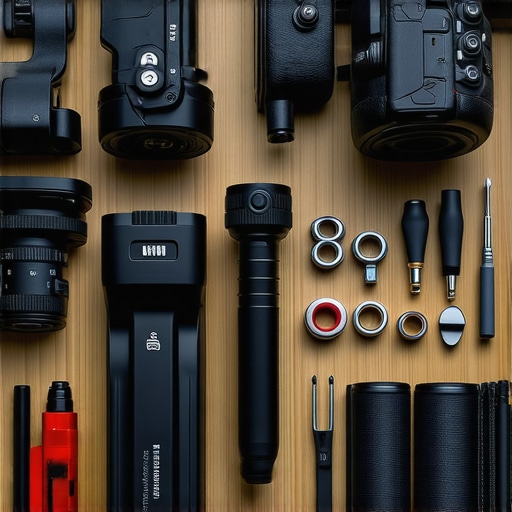
Invest in a good set of precision screwdrivers, anti-static brushes, and silicone lubricant sprays for mechanical parts. For cleaning optics, I rely on trichloroethylene-free solution kits that won’t harm coatings. Keep a dedicated maintenance kit on set, and schedule periodic inspections, especially after long shoots or outdoor work where dust and moisture are prevalent.
By integrating these maintenance routines, I’ve significantly reduced equipment failures and improved image consistency. Remember, equipment care isn’t just about prevention—it’s a way to honor your craft and protect your investment. For a more comprehensive overview, consider exploring this detailed maintenance guide.
< >
>
And don’t forget, even the best gear needs a trustworthy support system. Properly maintained camera supports and projectors can dramatically improve stability and image quality. For the most reliable setups, I recommend consulting resources like this support-focused article.
Try implementing a weekly gear check routine, especially for your cine lenses and projection equipment. Consistent care ensures your tools will perform flawlessly when it counts most—and that your creative vision remains uncompromised.
Lessons From the Front Lines of Lighting
One of the toughest lessons I learned was the importance of trusting traditional lighting techniques over relying solely on digital tricks—nothing replicates the organic warmth of tungsten when capturing firelight scenes. I discovered that meticulous positioning and dialing in your tungsten fixtures can produce a flicker and glow that even the most advanced LED setups struggle to match, saving hours in post-production. Another insight came from understanding that minor adjustments in color temperature, combined with practical elements like candles and lanterns, create layered warmth that feels authentic to viewers. Lastly, balancing intensity with diffusion was a game-changer—softening the light just enough to mimic fire’s gentle flickering without losing depth or drama, proving once again that mastering the fundamentals often beats chasing the latest gadgets.
About the Author
James Duke
ThinkOTS
James Duke is a seasoned professional in the creative production industry, bringing a wealth of technical knowledge and hands-on experience to cinegearguide.com. As a key figure at ThinkOTS, James has spent years navigating the complexities of high-end production environments, where selecting the right equipment is the difference between a successful shoot and a logistical failure. His expertise spans the full spectrum of cinematography gear, from advanced camera systems to the intricate accessories that define modern filmmaking. On cinegearguide.com, James leverages his deep understanding of the industry to provide authoritative insights, gear reviews, and technical guides. He is known for his ability to break down complex specifications into practical, actionable advice for filmmakers of all levels. His perspective is rooted in the real-world application of technology, ensuring that every recommendation is backed by professional standards. James is dedicated to empowering the filmmaking community by sharing his expertise, helping others navigate the ever-evolving landscape of cinema technology with confidence and clarity.
LinkedIn Profile