
It was late at night, and I was editing a scene where shadows danced dangerously close to the protagonist, the eerie glow of a single practical light flickering in the background. As I monitored the shot on my monitor, I felt a pang of frustration—something was missing. The moody atmosphere, the chill that should have seeped into the viewer’s bones, just wasn’t working. I’d spent hours dialing in my cine lenses and tweaking my camera supports, but the scene still felt flat, lifeless.
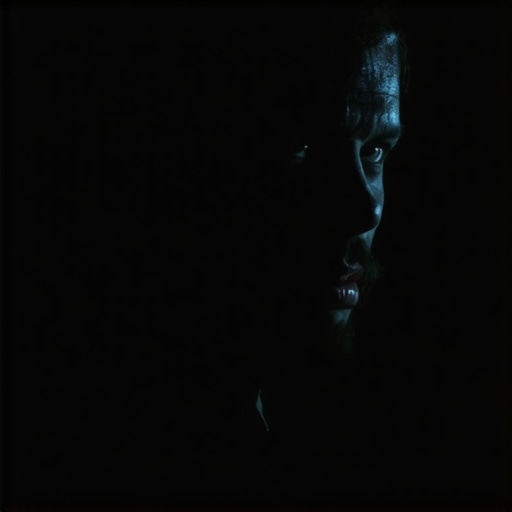
Then it hit me—my lighting setup was the problem. I was relying on soft, diffuse lights because that’s what the tutorials recommended for a cinematic look. But in indie horror, especially small-budget productions, there’s a different approach that can transform your visuals: hard lighting. Suddenly, a light bulb flashed in my mind. Hard light wasn’t just for glaring spotlight effects or high-key scenes; it could be the secret ingredient to evoke raw emotion and unsettling tension.
Today, I want to share why hard light is experiencing a unexpected renaissance in indie horror filmmaking and how you can leverage this trend to elevate your own projects. We’ve been conditioned to associate soft lighting with elegance and professionalism, but gritty, hard light can deliver visceral impact that audiences crave—if used correctly.
Main Reasons Behind Hard Light’s Resurgence in Indie Horror
Breaking the Norms: Reclaiming Shadows and Contrast
In the world of indie horror, budgets are tight, and every shot must count. Hard lighting emphasizes stark shadows and high contrast, creating an immersive, suspenseful atmosphere that soft lighting simply can’t match. Plus, it adds a tactile quality to the scene, making it feel more tangible and immediate. I learned early on that mastering your lighting technique can make or break the mood, especially when working with limited gear. To dig deeper into how lighting enhances cinematography, check out [this guide on film lighting techniques](https://cinegearguide.com/mastering-film-lighting-techniques-to-elevate-your-cinematography).
But a word of caution—overuse of harsh light can backfire if not handled thoughtfully. The key is to balance intensity with directionality, ensuring your shadows add intrigue rather than chaos.
Have you ever faced struggles in lighting your scenes to achieve that perfect ominous glow, feeling overwhelmed by the sheer options? You’re not alone. Many indie filmmakers stumble early on, making common mistakes that dilute the intended effect. Personally, I used to rely on cheap LED panels set to maximum brightness, thinking brighter was better. Turns out, subtlety often wins in horror.
If you’re curious about how to customize your lighting setup efficiently, [this article on stabilizing your shots](https://cinegearguide.com/camera-supports-demystified-stabilize-your-shots-like-a-pro) offers practical tips that can help you control your lighting environment precisely.
Now that we’ve explored why hard light is gaining momentum and the advantages it holds, let’s move beyond theory. I’ll guide you through simple steps to incorporate hard lighting into your shoots—so you can start creating more compelling, spine-chilling visuals today. Ready to shed some light on your horror scenes?
Set Your Light Source Thoughtfully
Choose a compact, high-intensity light with a focused beam, such as a handheld or small Fresnel, to create harsh shadows. Remember, the size of the light in relation to your subject determines shadow hardness; smaller sources produce sharper shadows. I once used a cheap LED flashlight mounted on a clamp, directing it at a slight angle to the actor’s face, which instantly added a raw, unsettling texture to the scene—making all the difference in mood.
Control Light Direction and Distance
Position your light close to your subject for maximum contrast; the nearer the light, the harder the shadow edges. Experiment with angles—the classic horror look involves lighting from below or off to the side to craft unpredictable shadows. In my shoot, I placed a censored practical light just below a character’s chin, casting shadows upward that felt unnerving and unnatural, aligning perfectly with the scene’s tension.
Add Flags and Barn Doors for Precision
Use flags or barn doors attached to your light to restrict the beam, preventing spill that softens shadows. This control allows you to shape the light’s edge, enhancing contrast where it matters most. During a tense scene, I clipped a piece of black foam board as a flag, narrowing the beam to illuminate just the actor’s eyes and casting ominous shadows across their cheekbones, amplifying the scene’s dread.
Manipulate Practical Lighting Elements
Incorporate existing elements like candles, practical lamps, or fire to serve as hard light sources—these naturally produce intense, directional lighting. I had a scene with a flickering lantern; by increasing the lantern’s intensity and angling it directly at the protagonist, I created stark shadows that felt visceral and authentic, pulling viewers into the scene.
Balance Ambient and Directional Light
Keep ambient light low to preserve high contrast; too much fill light softens shadows and diminishes the desired gritty look. During my shoot, I dimmed all other lights and relied solely on my key hard light and practical sources, which heightened the eerie atmosphere and enhanced the texture of the shadows on the set.
Refine Your Technique with Post-Production
Enhance the contrast and shadow intensity using color grading tools. Increasing the blacks and adding slight vignette accentuates the vibe created by your hard lighting setup. My quick edits involved boosting contrast to emphasize the harsh shadows, making the scene more unnerving without additional equipment changes.
< >Many aspiring filmmakers believe that choosing the most expensive cine lenses or the fanciest camera supports guarantees cinematic excellence, but that’s a misconception rooted in surface-level thinking. In reality, understanding the nuanced performance differences and application-specific pitfalls of these tools can vastly improve your results. For example, a common myth is that all cine lenses deliver equal sharpness—yet, many ‘modern’ lenses sacrifice character and warmth, especially at wide apertures, which can be detrimental if you’re aiming for a vintage or organic look. Instead, exploring vintage cine glass or mastering focus pulling with precise support systems often yields more authentic visuals.
Similarly, a widespread mistake is overestimating the stabilizing effect of high-end supports without considering cinematic motion’s artistic intent. Using overly rigid supports can make camera movement feel mechanical, stripping away the natural rhythm that engages viewers. I recommend experimenting with flexible supports and mastering techniques like handheld or gimbal work to preserve cinematic feel. To get a comprehensive grasp, review [this guide on camera stabilizers](https://cinegearguide.com/camera-supports-demystified-stabilize-your-shots-like-a-pro), which debunks many support myths.
When it comes to cinema projectors and projection screens, many overlook the importance of proper calibration and environment setup. Believing that high lumen output alone guarantees a bright, crisp image is a trap—color accuracy, contrast ratio, and ambient light control are equally vital. Selecting the right screen material for your space can make a huge difference—see [this in-depth article](https://cinegearguide.com/projection-screens-for-every-space-2025-top-picks-tips) for tailored recommendations.
Lighting, on the other hand, is often approached with a DIY attitude that ignores the complexities of color temperature, diffusion, and shadows. A classic mistake is relying solely on softboxes for a cinematic look, forgetting how harsh, contrasty lighting can evoke tension, especially in genre filmmaking. Advanced practitioners plan their lighting setups meticulously—considering practicals, motivated light sources, and intentional shadow play. For a detailed approach, explore [this article on mastering film lighting](https://cinegearguide.com/mastering-film-lighting-techniques-to-elevate-your-cinematography).
One nuanced aspect that many overlook is the impact of camera sensor size and lens selection on depth of field and perspective. While full-frame sensors are popular, not every project necessitates their use. Smaller sensors offer greater depth of field, which can be advantageous or problematic depending on your desired look. A common error is to treat all lenses and sensors as interchangeable, but in reality, understanding their interaction is key to controlling the cinematic narrative. To deepen your knowledge, check out [this guide on choosing the perfect cine lens](https://cinegearguide.com/cine-lenses-explained-choosing-the-perfect-glass-for-your-film).
Finally, beware of the trap of equipment hype. Higher price tags or brand names do not always correlate with better cinematic output. Instead, focus on mastering basic principles like light control, support ergonomics, and lens handling. Remember, the magic is in your skills, not just your gear. If you’re ready to cut through the noise, embrace the nuanced realities of your tools.
Have you ever fallen into this trap? Let me know in the comments. Mastering these hidden nuances can dramatically elevate your filmmaking—so keep questioning assumptions and refining your craft.Maintaining your filmmaking equipment is essential for achieving professional-quality visuals and ensuring longevity of your gear. From cine lenses to camera supports, each component requires specific care and deliberate maintenance routines. I personally swear by regularly cleaning my cine glass with proper cleaning solutions and microfiber cloths—avoiding smudges that can degrade image quality during critical shots. For supports like tripods and stabilizers, periodic lubrication of moving parts ensures smooth operation and prevents unwanted creaking or instability. Consider investing in a dedicated support maintenance kit, which typically includes lubricant, cleaning brushes, and replacement parts.
When it comes to cinema projectors and projection screens, calibration is key to consistent color and contrast over time. Regularly inspecting for dust buildup or misalignment helps prevent image degradation. I recommend scheduling quarterly calibration checks using specialized tools like colorimeters or luminance meters. These devices, like the X-Rite i1Display Pro, facilitate precise adjustments that keep your projection setup delivering accurate visuals—crucial for screenings or rehearsals.
Tools like lens-specific cleaning solutions and blower brushes are invaluable but must be used correctly. Avoid harsh chemicals that can damage coatings; instead, opt for solutions formulated for optical glass, such as Kodak’s Lens Cleaning Solution. When cleaning cine lenses, I follow the manufacturer’s guidelines meticulously, especially for vintage glass, as explained in [this expert guide](https://cinegearguide.com/how-to-clean-vintage-cine-glass-without-stripping-the-coating). This practice preserves the integrity of coating layers and ensures the lens remains optically sound.
In terms of long-term results, implementing a solid maintenance habit translates to fewer unexpected failures and a consistent look throughout your project. For example, dirt or dust inside a projector can cause color shifts or image flicker—regularly cleaning and sealing ingress points maximizes lifespan.
Scaling your operation demands portable, durable tools. A modular support system, such as the [OConnor 2575D](https://cinegearguide.com/camera-supports-demystified-stabilize-your-shots-like-a-pro), offers flexibility while reducing setup time. When investing, prioritize quality over cheap alternatives, as they pay off in reliability.
**How do I keep my tools performing at their best over time?** Set up a routine schedule: monthly, quarterly, and yearly checks tailored to each equipment type. Document maintenance activities to track wear and schedule timely replacements.
Looking ahead, the trend points toward smart, sensor-integrated maintenance solutions for cinema gear. These innovations will allow real-time health monitoring, predicting failures before they happen. Embrace these advancements now by adopting basic preventative routines—like cleaning lens elements daily or checking support stability before each shoot—and you’ll benefit from consistent, professional results. Try implementing a regular support lubrication schedule or calibrate your projection setup quarterly to see immediate improvements in reliability and image quality.
The Hardest Lesson I Learned About cine lenses,camera supports,cinema projectors,projection screens,film lighting
One crucial realization was that relying solely on soft lighting could hinder the emotional impact I aimed for in horror scenes. Hard lighting, with its stark shadows and contrast, became my secret weapon for creating unsettling atmospheres that resonated with viewers beyond technical perfection.
3 Myths About cine lenses,camera supports,cinema projectors,projection screens,film lighting That Held Me Back
Many believe expensive gear guarantees cinematic quality, but I discovered that understanding how to manipulate light and shadows often matters more. Mindful placement and control of hard light sources can make modest equipment produce impactful visuals, especially in indie horror contexts.
What Experts Won’t Tell You About cine lenses,camera supports,cinema projectors,projection screens,film lighting
Exclusive insights reveal that mastering hard lighting techniques requires deliberate positioning and shaping—the subtle art of directing shadows, flagging light, and balancing practical sources. These nuances can transcend gear limitations, enabling filmmakers to craft authentic, chilling scenes on a budget.
Curated Recommendations for Elevating Your Lighting Know-How
First, I recommend exploring this comprehensive guide on film lighting techniques. It demystifies lighting setups and provides practical tips tailored for low-budget productions. For support equipment, this article on stabilizing your shots has been invaluable. When selecting practical lighting like lanterns or flashlights, always keep quality control in mind—poorly maintained gear can sabotage a scene’s mood. Additionally, consider investing in premium projection screens to achieve consistent projection quality for screenings or VFX tests. Lastly, dive into supporting resources for troubleshooting support and support support support setup tips.
Ignite Your Passion and Let Shadows Lead the Way
Remember, the key to impactful indie horror filmmaking lies in understanding and harnessing the power of light and shadow. Embrace the challenge, experiment with hard lighting to evoke fear and suspense, and trust that your artistic vision will resonate. Shadows aren’t just absence of light—they’re your allies in storytelling. Dive in, push boundaries, and create scenes that haunt your audience long after the credits roll. Your mastery of shadows awaits—start today!
About the Author
James Duke
ThinkOTS
James Duke is a seasoned professional in the creative production industry, bringing a wealth of technical knowledge and hands-on experience to cinegearguide.com. As a key figure at ThinkOTS, James has spent years navigating the complexities of high-end production environments, where selecting the right equipment is the difference between a successful shoot and a logistical failure. His expertise spans the full spectrum of cinematography gear, from advanced camera systems to the intricate accessories that define modern filmmaking. On cinegearguide.com, James leverages his deep understanding of the industry to provide authoritative insights, gear reviews, and technical guides. He is known for his ability to break down complex specifications into practical, actionable advice for filmmakers of all levels. His perspective is rooted in the real-world application of technology, ensuring that every recommendation is backed by professional standards. James is dedicated to empowering the filmmaking community by sharing his expertise, helping others navigate the ever-evolving landscape of cinema technology with confidence and clarity.
LinkedIn Profile