
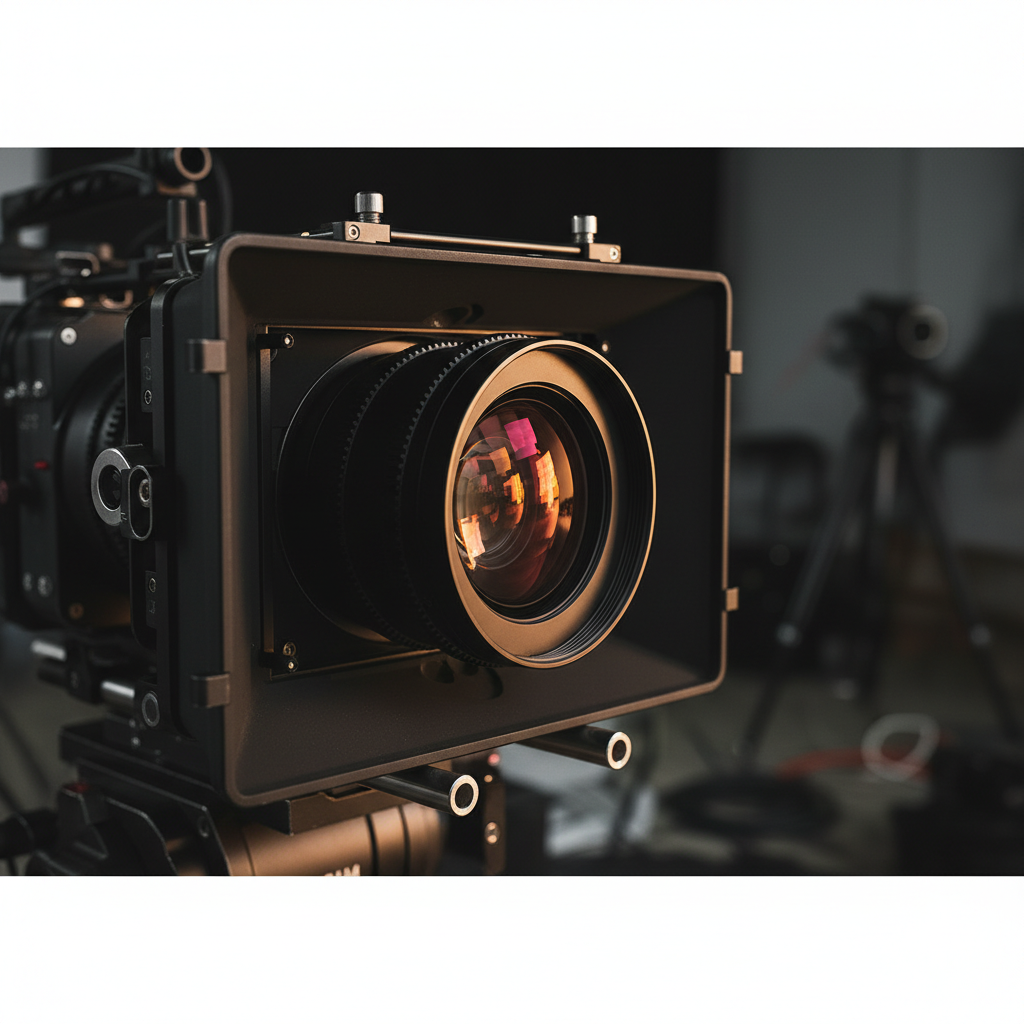
Stop reading spec sheets. See the glass in action.
Master the optics. Shape your cinematic vision.
Marketing brochures will not tell you how a 50mm T1.5 prime breathes during a rack focus. We put cinema lenses and projectors on the test bench and the soundstage to show you exactly what hits the sensor.
Optical Truths You Will Not Find In Marketing Brochures
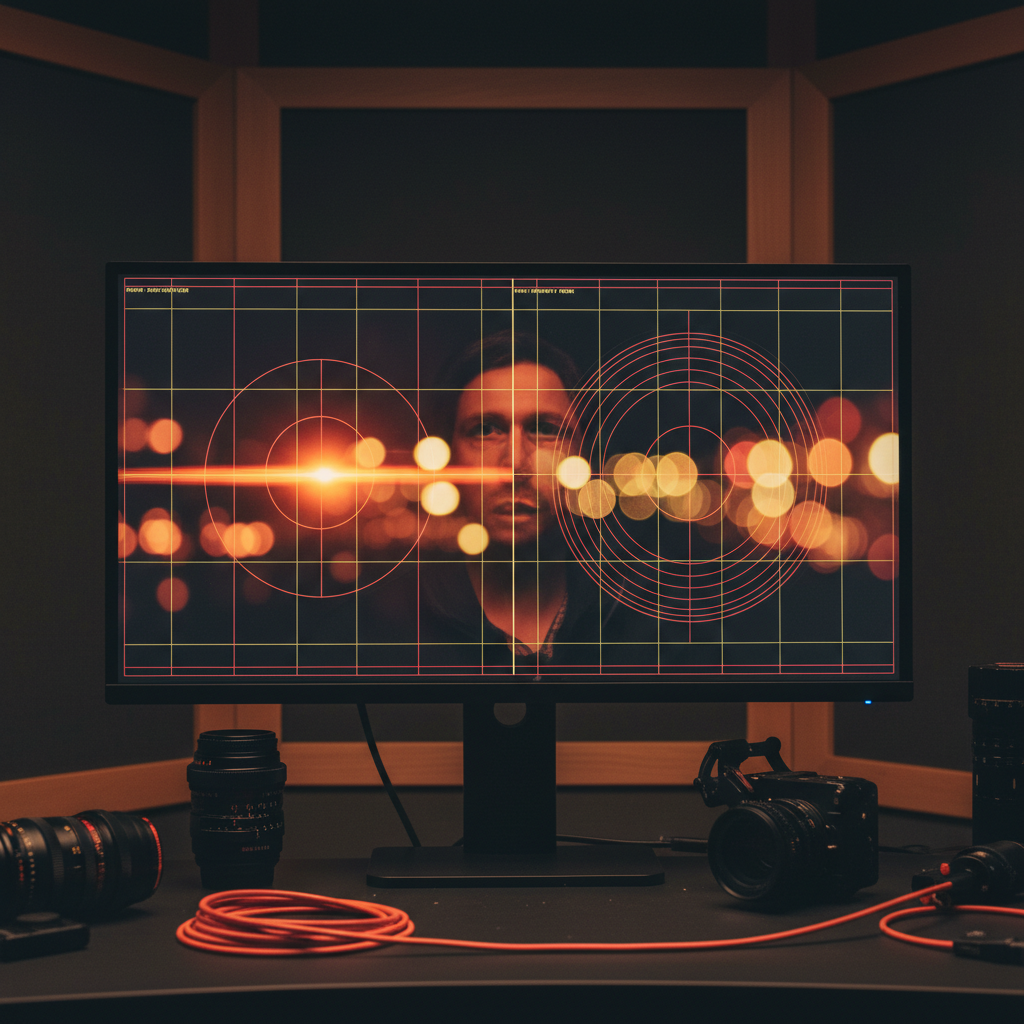
🎥 Side-By-Side Sensor Coverage
We mount every PL and EF lens on Super35 and Full Frame sensors to map exact vignetting and edge fall-off. You know exactly what frame circle you get before you rent.
🔦 Standardized Flare Mapping
We hit the front element with a 1K tungsten fresnel at 45 and 90-degree angles. See the exact ghosting, halation, and streak characteristics of vintage and modern glass.
🔍 Focus Breathing Tests
A lens looks sharp at T2, but if the frame shifts 10 percent during a 3-foot to infinity rack focus, it ruins the shot. We measure the exact millimeter shift for every prime.
📽️ Projector Throw Analysis
Cinema projection requires precise throw ratios and foot-lambert measurements. We test DCI-compliant projectors on 1.0 gain matte white screens to verify real-world contrast ratios.
🌈 Chromatic Aberration Checks
High-contrast edges reveal the truth about optical design. We shoot backlit resolution charts to expose the purple and green fringing that ruins your highlights.
412
Prime Lenses Bench-Tested
Every lens goes through our 12-point optical evaluation before we publish a single frame.
65
Anamorphic Flare Profiles
We mapped the exact streak characteristics of 65 different 2x and 1.33x squeeze lenses.
14
DCI Projectors Calibrated
Real-world foot-lambert and color volume measurements taken in treated screening rooms.
Real-World Optical Evaluations
Vintage Glass Rehousing Project
Before: A set of 1970s Canon FDs suffered from severe mechanical play and inconsistent T-stops across the focal lengths.
After: We mapped the optical center and guided the PL-mount rehousing to match the 24mm, 35mm, and 50mm to a consistent T2.1.
⏱ 4 weeks
Indie Feature Film Camera Package
Before: The DP planned to shoot anamorphic on a Super35 sensor but worried about heavy edge distortion on wide shots.
After: Our grid tests proved the 35mm focal length lost 15 percent resolution at the edges, saving the production $4,500 in rental mistakes.
⏱ 48 hours
Boutique Post-Production House
Before: Their grading suite projector drifted out of Rec.709 spec, causing magenta shifts in the shadows.
After: We recalibrated the 3D LUT and adjusted the variable iris to restore a pure 1000:1 contrast ratio for accurate color timing.
⏱ 1 day
The Gear Bench
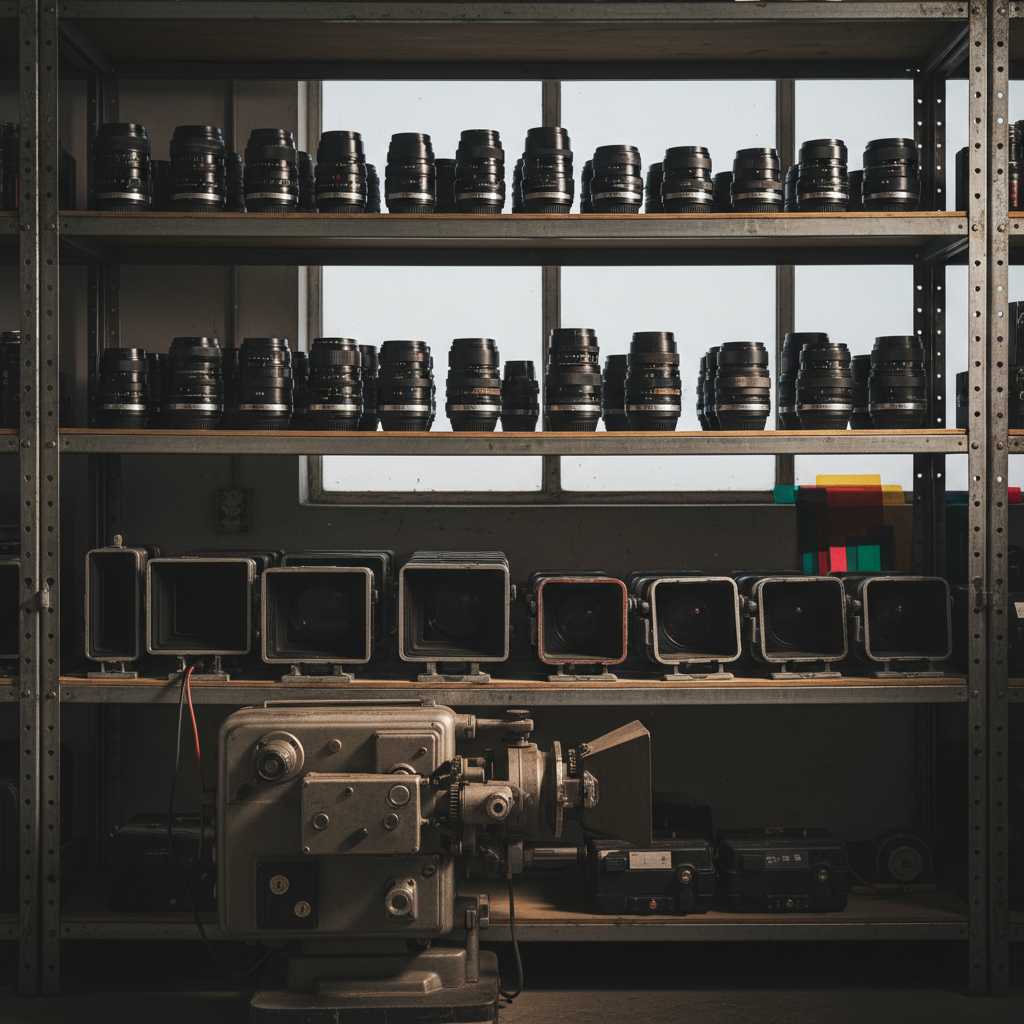
🔭 Spherical Prime Reviews
We test modern and vintage spherical primes for sharpness, micro-contrast, and bokeh characteristics. See exactly how the out-of-focus highlights render at wide-open apertures.
🎬 Anamorphic Lens Guides
Navigate the complex world of 2x, 1.8x, and 1.33x squeeze ratios. We break down the mumps, the barrel distortion, and the signature waterfall flares.
🍿 Cinema Projector Calibration
Technical deep dives into laser and xenon projection systems. Learn how to manage foot-lamberts, screen gain, and DCI-P3 color space compliance.
⚙️ Vintage Glass Conversions
Step-by-step guides on adapting older stills glass for motion picture use. We cover de-clicking irises, adding focus gears, and shimming mounts.
🔲 Matte Boxes & Filtration
A 4×5.65 filter makes or breaks your image. We test diffusion, NDs, and polarizers for color shifts and internal reflections.
🎞️ Camera Sensor Matching
Understand how different focal lengths behave across Super16, Super35, and VistaVision formats. We map the exact crop factors and field of view equivalents.
Frequently Asked Questions
Why do you test lenses with a 1K tungsten fresnel?
LED panels do not produce the hard, single-source point of light needed to accurately judge a lens flare. A 1K tungsten fresnel forces the glass to reveal its internal reflections, ghosting, and halation characteristics without hiding behind soft light.
Do you rely on manufacturer MTF charts for your reviews?
Never. Manufacturer MTF charts are calculated by computers based on the optical design, not measured from the physical glass rolling off the assembly line. We shoot our own backlit resolution charts to see how the actual production models perform in the real world.
What is focus breathing and why do you measure it?
Focus breathing happens when changing the focus distance also slightly changes the focal length, causing the image to zoom in or out. It distracts the audience during a rack focus, so we measure the exact percentage of frame shift from minimum focus to infinity.
How do you evaluate cinema projectors for home or studio use?
We ignore the inflated dynamic contrast ratios printed on the box. We measure ANSI contrast using a checkerboard pattern and use a colorimeter to verify Rec.709 and DCI-P3 tracking off a 1.0 gain reference screen.
Stop Guessing. Start Shooting With Confidence.
Access our complete database of lens flare charts, sensor coverage maps, and projector calibration guides. Know exactly what the glass does before you call the rental house.
Written & Reviewed By
James Duke
ThinkOTS
James Duke is a seasoned professional in the creative production industry, bringing a wealth of technical knowledge and hands-on experience to cinegearguide.com. As a key figure at ThinkOTS, James has spent years navigating the complexities of high-end production environments, where selecting the right equipment is the difference between a successful shoot and a logistical failure. His expertise spans the full spectrum of cinematography gear, from advanced camera systems to the intricate accessories that define modern filmmaking. On cinegearguide.com, James leverages his deep understanding of the industry to provide authoritative insights, gear reviews, and technical guides. He is known for his ability to break down complex specifications into practical, actionable advice for filmmakers of all levels. His perspective is rooted in the real-world application of technology, ensuring that every recommendation is backed by professional standards. James is dedicated to empowering the filmmaking community by sharing his expertise, helping others navigate the ever-evolving landscape of cinema technology with confidence and clarity.
Latest from Our Blog
How to Build a Silent Cooling Muffler for Loud Projectors
Ever been in the middle of a home cinema screening, only to be jolted by that relentless, thunderous hum coming…
Why Hard Light Is Making a Major Comeback in Indie Horror
It was late at night, and I was editing a scene where shadows danced dangerously close to the protagonist, the…
Why Your Screen Fabric is Sagging and How to Re-Tension It
I vividly remember the first time I set up a large projection screen for an outdoor film night. Moments before…