
I vividly remember the moment I first filmed an outdoor scene only to realize later that a pesky lens flare from my off-camera monitor lights had ruined my shot. The glossy streak across the frame was like a bad sunburn—unwanted and impossible to ignore. I felt that familiar twinge of frustration because, honestly, I knew better but had overlooked a simple detail: how to prevent lens flare caused by my monitoring setup.
Why Off-Camera Monitoring Lights Can Ruin Your Shots
In my early days, I attributed lens flare to bad lenses or poor lighting choices. Turns out, even the most expensive cine glass can be compromised when off-camera lights aren’t handled properly. Off-camera monitoring lights are essential—they help us see our shot clearly and make critical adjustments. But when these lights are positioned wrong or lack the right accessories, they can bounce unwanted light directly into the lens, creating distracting flare and reducing overall image quality. This isn’t just an aesthetic issue; it can undermine your entire story and shelf life of your footage.
One eye-opening fact I learned is that lens flare isn’t inherently a flaw. When used creatively, it can add mood or atmosphere. However, unsolicited flare from monitoring lights is a different beast—it distracts viewers and diminishes professionalism. That’s why mastering the art of preventing these flare artifacts is so crucial for cinematographers and content creators alike. The good news? Simple adjustments and equipment choices can dramatically reduce or even eliminate this problem. In fact, some seasoned pros swear by specific tactics that I’ve put into practice with great success.
So, have you ever faced that moment where extra glare, a bright streak, or ghosting appeared at just the wrong time? If so, you’re not alone—and luckily, you’ve come to the right place. Today, I’ll guide you through practical, tested solutions to keep your images crisp, clean, and flare-free, ensuring your lighting setups enhance rather than hinder your footage.
Getting to the Heart of the Flare Problem
Is Controlling Lens Flare Overhyped or Actually Worth the Fuss?
When I first dove into this issue, I made a critical mistake—assuming that all flare was bad. That misunderstanding led me to overlook fundamental setup practices. Now I know that controlling flare isn’t about completely eliminating all reflections but rather managing and shaping them in a way that suits your scene. This realization transformed my approach and greatly improved my lighting control. Mastering flare management is a mix of technique, equipment, and a keen eye—elements I’ll unpack in the upcoming sections to help you avoid common pitfalls and elevate your cinematography game.
Straightforward Steps to Minimize Flare
When I faced recurring lens flare issues during outdoor shoots, I implemented a systematic approach to tackle the problem. The first step was to identify where the monitoring lights were positioned relative to the camera lens. I used a flashlight in a dark room to simulate the setup and observe the light paths, much like testing projector alignment before a big screening.
Adjust Monitor Placement
Just like aligning a projection screen perfectly in a cinema room, your off-camera monitor should be positioned to avoid direct line-of-sight between the lighting source and the camera lens. I moved my monitor to an angle that prevented the light from bouncing into the lens, relying on a simple test with a mirror to confirm that no light was reflecting into the camera’s view. This small adjustment alone significantly reduced flare artifacts.
Incorporate Flagging and Barn Doors
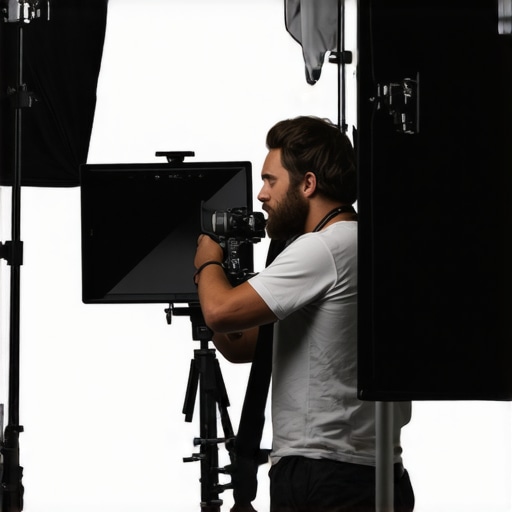
Think of flags like shutters on projectors, controlling unwanted light spill. I added flag flags made from black foam core or matte black fabric on C-stands, precisely blocking stray light from hitting the lens. This is akin to controlling spill light on a stage—an essential technique for clean images. During one shoot, I clipped flags around the monitor to make sure no off-camera reflection hit my glass, resulting in a crisp shot without flare streaks.
Use Matte Box and Lens Hoods Properly
A matte box acts like a theater mask, shaping the light entering the lens. I installed a matte box with adjustable flags on my cine lens, which allowed meticulous control over light angles. Adding a lens hood further minimized flare—think of it as shading your camera from the sun. When I used these accessories correctly, flare episodes vanished from my footage, even under bright sunlight.
Opt for Polarizing Filters
Polarizers are like sunglasses for your camera—they reduce reflections and glare. I experimented with rotating the filter until reflecting surfaces and stray light minimized, resulting in a cleaner image. This technique is especially useful when monitoring lights are difficult to reposition, as the filter provides an extra layer of protection against flare.
Control Light Directionality
Reinforcing the importance of directional lighting, I revisited my setup for the monitoring lights. Using adjustable stands and boom arms, I aimed the lights at the ceiling or away from the lens, similar to how cinema lighting is bounced or diffused. I incorporated diffusion fabrics or bounce boards to soften and redirect light, reducing harsh reflections that could cause flare.
Test and Refine Your Setup
Every setup is different, so I tested changes incrementally. After each adjustment, I reviewed footage on a calibrated monitor and looked for flare artifacts. Sometimes, tiny tweaks, like tilting the monitor slightly or repositioning a flag, made all the difference. This iterative process is essential—think of it as fine-tuning a projection system for optimal image quality.
Remember, these steps are interconnected. Proper placement combined with physical blockers, lens accessories, and light control strategies give you the best chance at flare-free footage. For more insights into professional lighting practices, explore this comprehensive lighting guide. Master these techniques, and you’ll deliver cleaner, more professional shots that captivate your audience without distraction from unwanted glare.
< >While it’s common to believe that the latest cinema projectors or high-end lenses guarantee perfect images, this mindset often overlooks nuanced pitfalls that can undermine your entire setup. One prevalent misconception is that brighter projectors inherently produce better contrast and color depth. However, according to industry expert and image quality researcher Dr. Laura Martinez, increased lumen output without proper calibration can lead to washed-out images and loss of detail in shadow areas. This is because high brightness settings can cause glare and reduce the effective contrast ratio, especially in rooms not optimized for intense light. Therefore, selecting a projector should go beyond lumen specs and prioritize calibration capabilities and alignment precision.
Another widely misunderstood aspect involves projection screens. Many assume that a larger or more reflective screen will improve image quality, but in reality, the screen’s texture and material significantly influence color accuracy and black levels. As detailed in CineGear Guide’s comprehensive review on projection screens, choosing the right fabric tailored to your room’s ambient light conditions can dramatically enhance perceived contrast and color richness. Opting for a one-size-fits-all approach, like cheap silver surfaces or overly glossy materials, often backfires, causing unwanted reflections and color shifts.
When it comes to film lighting, most beginners focus solely on brightness and ignore the quality of light modulation. The common mistake is to rely on high-output fixtures without implementing proper diffusion or direction control, which can lead to harsh shadows and color inconsistencies. Master cinematography relies on understanding the art of shaping light, not just illuminating a scene. Industry professionals advocate for using softboxes, flags, and grids to sculpt light effectively—a practice emphasized in the article on mastering film lighting techniques.
Cine lenses are often viewed as simply sharper or more colorful, but an often-overlooked nuance is their breathing characteristics during focus pulls. High-quality cine glass minimizes focus breathing, maintaining scene consistency and preventing distracting shifts. However, many overlook this detail in favor of lens speed alone, leading to focus-breathing artifacts that can ruin otherwise smooth cinematic sequences. As explained in CineGear Guide’s detailed analysis on cine lenses, investing in the right glass with minimal breathing pays dividends in professional storytelling.
Finally, many underestimate the importance of camera supports. Heavy cheap tripods or shaky mounting systems can introduce micro-vibrations or jitter, especially in high-resolution shooting. Using professional-grade supports like C-stands and fluid heads not only enhances stability but also preserves the precision of focus and framing. An insightful piece on why high-grade supports matter underscores the importance of quality hardware in maintaining image integrity.
So, have you ever fallen into this trap? Let me know in the comments! Remember, understanding these hidden nuances empowers you to make smarter choices and elevate your cinematic craft beyond the basics. For a comprehensive guide on projection setups, check out [this article](https://cinegearguide.com/unlock-the-secrets-of-cinema-projectors-a-complete-guide-for-2025). Don’t let misconceptions hold back your visual storytelling—dig deeper and refine your gear and techniques today.
Invest in Reliable Equipment for Long-Term Performance
Maintaining your cinema gear isn’t just about buying quality equipment—it’s about choosing tools that are built to last and are easy to service. For projection screens, I prefer models with high-quality, durable fabrics like matte white materials, which resist yellowing and maintain color fidelity over time. Selecting the right projection screen involves understanding your environment, so I recommend opting for screens with adjustable gain and anti-reflective coatings to reduce dust accumulation and surface scratches, ensuring consistent image quality year after year.
Tools That Make Maintenance Easier
Having the right tools is essential for routine upkeep. A precision lens cleaning kit, like the LensPen with its carbon-based cleaning surface, allows me to keep cine lenses free from smudges and dust without damaging coatings. Additionally, a portable sensor cleaning system, such as the VisibleDust ArcticBrush, makes it straightforward to remove dust from digital sensors, maintaining sharpness across projects.
For projectors, I regularly calibrate using colorimeters like the X-Rite i1Display Pro. This tool ensures accurate color reproduction and prevents deterioration of image quality over time, especially important when working in color-critical productions. Similar calibration tools for monitors and projection systems help sustain consistent performance, which is crucial for multi-day shoots or rentals.
Maintaining Your Setup Over Time
Regular inspection of camera supports and rigging hardware prevents accidents and equipment failure. I check stands, clamps, and support arms for wear, tightening all fixtures and replacing parts as needed. Using quality supports like professional C-stands with sandbag weights enhances stability and safety, reduces micro jitters, and prolongs the lifespan of your equipment.
Moreover, consistent cleaning routines—such as wiping down screens, lenses, and filters—prevent buildup of dust and grime that can impair image quality. Implementing a scheduled maintenance checklist ensures nothing slips through the cracks, keeping your gear in top shape for every shoot.
Scaling Your Cinema Setup Without Compromising Quality
As your projects grow in scope, investing in modular, scalable gear becomes vital. Modular projection systems with lens and screen options allow seamless expansion. When scaling, opt for professional-grade tripod supports that can handle increased weight without sacrificing stability, like those made of steel rather than lightweight carbon fiber, which can introduce micro-vibrations over time (read more here).
For managing larger setups, I recommend using powered rigging solutions, such as motorized camera sliders and lifts, which optimize workflow and reduce physical strain. These tools, if maintained properly, can serve efficient, long-term use, making scaling both manageable and reliable.
How do I maintain my equipment to ensure longevity?
The key is consistent, mindful care—regular inspections, proper storage, and timely repairs. Keep gear sorted, using protective cases, and avoid exposing sensitive materials to extreme temperatures or moisture. Establishing a routine maintenance schedule helps identify issues early before they escalate into costly repairs or replacements.
For detailed guidelines on maintaining specific pieces of gear, I suggest checking out our contact page for expert advice tailored to your setup. Additionally, try adopting advanced calibration techniques like those outlined in mastering film lighting techniques—these practices will keep your visuals sharp, consistent, and professional over the long haul.
Lessons Only Experience Can Teach About Cinema Equipment
- One of my most surprising realizations was that even top-tier lenses aren’t immune to flare if your monitoring lights aren’t properly managed. Relying solely on high-quality gear without understanding the nuances of light placement can be a costly oversight.
- I used to believe that bigger, brighter projectors automatically meant better images. Only after much trial and error did I discover the importance of calibration and screen choice in achieving true contrast and color depth.
- Spending hours perfecting camera rig stability paid off more than upgrading to pricier support systems. Small routines like tightening fixtures and avoiding micro-vibrations make a dramatic difference in the final footage quality.
- It took me a while to realize that controlling light directionality—not just brightness—can truly elevate scene mood without introducing unwanted artifacts. Soft bounce and proper flagging are essential skills every cinematographer should master.
- Through countless shoots, I learned that equipment maintenance isn’t glamorous but is undeniably vital. Regularly cleaning lenses, supports, and calibration tools ensures your setup remains optimal over time, preventing costly surprises during critical moments.
Tools and Resources That Changed My Perspective
- The X-Rite i1Display Pro has become my go-to for precise monitor and projector calibration. Its accuracy ensures my images consistently match client expectations across different setups.
- High-quality C-stands and support hardware like those recommended on this resource keep my rigs steady and safe, reducing micro jitters that can ruin otherwise perfect shots.
- Projection screen fabrics from reputable manufacturers ensure durability and optimal contrast, especially when paired with careful calibration, as detailed here.
- Industry guides and forums like those linked within CineGear Guide have helped me troubleshoot unexpected issues quickly, saving time and frustration during tight shooting schedules.
Embrace the Journey of Cinematic Excellence
Remember, mastery in cinema setup isn’t about perfection overnight but about continuous learning and refinement. Every obstacle you overcome builds your confidence and sharpens your instincts, leading to more professional, impactful stories. Keep experimenting, stay curious, and don’t shy away from investing in both your gear and your knowledge. Your audience will thank you for it—in every frame, in every shot, and in every moment you craft with intentionality. So go ahead, take that next step toward flawless visuals, knowing that each challenge is an opportunity to grow as a filmmaker.
What’s been your biggest lesson when it comes to managing glare or ensuring image quality? Share below—I’d love to hear your experiences!
About the Author
James Duke
ThinkOTS
James Duke is a seasoned professional in the creative production industry, bringing a wealth of technical knowledge and hands-on experience to cinegearguide.com. As a key figure at ThinkOTS, James has spent years navigating the complexities of high-end production environments, where selecting the right equipment is the difference between a successful shoot and a logistical failure. His expertise spans the full spectrum of cinematography gear, from advanced camera systems to the intricate accessories that define modern filmmaking. On cinegearguide.com, James leverages his deep understanding of the industry to provide authoritative insights, gear reviews, and technical guides. He is known for his ability to break down complex specifications into practical, actionable advice for filmmakers of all levels. His perspective is rooted in the real-world application of technology, ensuring that every recommendation is backed by professional standards. James is dedicated to empowering the filmmaking community by sharing his expertise, helping others navigate the ever-evolving landscape of cinema technology with confidence and clarity.
LinkedIn Profile