Ever set up a home theater or a professional shoot, only to realize your projection screen color is off or your lighting makes everything look flat? I’ve been there. I remember spending hours tweaking my setup, only to be disappointed by washed-out images or shadows that just wouldn’t cooperate. It’s frustrating—especially when you’ve invested in what should be a cinematic experience or eye-catching content. That lightbulb moment hit me hard: I was overlooking the crucial role of the right projection screens and lighting gear. Since then, I’ve learned that choosing the right equipment isn’t just about specs; it’s about understanding how to tailor your setup to your space and needs.
Today, I want to share a straightforward guide that demystifies the world of projection screens and film lighting equipment for 2024. Whether you’re a hobbyist, a budding filmmaker, or a seasoned professional, this isn’t just theory. It’s practical advice based on real-world mistakes and wins. I’ll help you avoid common pitfalls and get your setup right the first time. We’ll talk about how to evaluate screens so they fit your environment, and I’ll give you tips on lighting that elevates your visuals without breaking the bank. By the end, you’ll know what to look for and how to make your space look just as good on camera or screen as you envision it.
Why Your Setup Might Be Holding You Back
When I first started experimenting with projection screens and film lighting, I thought more expensive gear automatically meant better results. Turns out, that’s not always true. I made the mistake of buying a high-end projector and a fancy screen without considering my room’s lighting conditions or the type of content I wanted to display. The result? A dim, washed-out picture that made me question if I wasted my money. It wasn’t until I learned to match my equipment to my environment that everything clicked. That’s when I realized the importance of choosing the right projection surface and lighting technique for your specific space.
If you’ve ever faced similar frustrations, know you’re not alone. The good news is, with a bit of guidance, you can avoid these costly mistakes. I’ll walk you through the essentials—like selecting the perfect screen for your room and mastering lighting techniques that make your visuals pop. Want to see how I turned my setup around? Check out this guide to projection screens for every space in 2025. It’s packed with actionable tips that can save you from wasting time and money.
Is All That Equipment Really Necessary or Just Hype?
One of my biggest doubts early on was whether investing in premium gear was worth it. I remember buying a high-end projector that promised cinematic quality, only to realize it didn’t perform well in my brightly lit room. I learned the hard way that understanding your space and needs is more important than chasing after the latest tech. A mistake I made early was overlooking ambient light, which significantly affects how your projector looks. Now, I always emphasize that smart choices and tailored setups trump just buying the most expensive equipment. If you’re skeptical about the hype, I get it. I’ve been there. But with the right guidance, you’ll see that quality gear paired with thoughtful setup makes all the difference. Curious about the best gear in 2024? Check out the top cinema projectors and lighting equipment for 2024. It’s a solid resource to help you make informed decisions.
Pick the Right Screen for Your Space
Start by assessing your environment. Measure your room’s dimensions and note the lighting conditions—bright or dim. Think of your projection screen as a paint canvas; selecting the right one depends on your room’s light and size. For example, if your space is brightly lit, opt for a high-gain screen that reflects more light, ensuring your image remains vibrant. For darker rooms, a matte or ambient light-rejecting screen minimizes reflections and enhances contrast. I remember a time when I switched from a standard matte screen to a high-gain one in my living room, and the difference was night and day. Check out this guide on projection screens to find the best fit for your space.
When it comes to setting up a perfect home theater or professional filming space, many tend to focus on the big-ticket items like projectors and cameras. However, there’s a subtle yet crucial aspect that often gets misunderstood: the interplay between projection screens, lighting conditions, and how they influence image quality. Let’s dig deeper into what most people get wrong and why mastering this nuance can elevate your setup from good to exceptional.
Why Size and Brightness Alone Won’t Guarantee a Clear Image
One common myth is that bigger screens and brighter projectors automatically lead to better viewing experiences. While these factors are important, they can be misleading if not paired with the right screen type and lighting control. For instance, many assume that a high-gain screen will always improve brightness. In reality, high-gain surfaces reflect light more intensely but at the expense of viewing angles and uniformity. This means that in larger or multi-viewer setups, contrast and clarity can suffer if the screen isn’t chosen carefully.
Advanced users know that ambient light plays a pivotal role. A bright room with a high-gain screen can create glare and loss of contrast, diminishing image quality. Conversely, in a controlled dark environment, a matte or ambient light-rejecting screen will maintain contrast and color fidelity better. If you ignore this nuance, you risk investing in equipment that doesn’t perform as expected due to environmental mismatches. I recommend checking out this guide on projection screens to understand which type suits your space best.
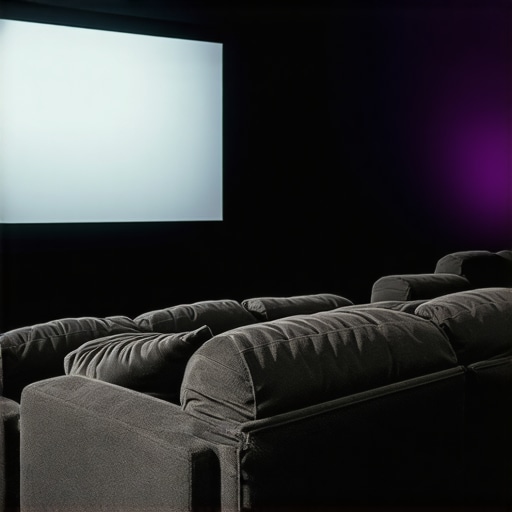
In addition, advanced setup involves understanding how to optimize your lighting—not just for visibility, but for color accuracy and mood. Properly placed soft lights or controlled ambient lighting can prevent reflections and glare, ensuring your images look sharp and true to life. Many overlook this aspect, assuming that turning off all lights is ideal. But strategic lighting can actually enhance your viewing experience without washing out the image.
How to Avoid the Common Trap of Over-investing in Tech
Many enthusiasts believe that the latest or most expensive gear guarantees superior results. This is a misconception. The real secret lies in tailoring your equipment and environment—matching the projector’s capabilities to your room’s lighting and size. For example, a high-end projector in a bright living room will struggle regardless of its specs. Instead, focus on understanding your space and choosing equipment that aligns with it.
In fact, experts like those at this guide to cinema projectors emphasize that setup and calibration are often more impactful than raw specs. Proper calibration involves adjusting contrast, color balance, and brightness to suit your environment, which can make a modest projector perform remarkably well. Remember, it’s about smart choices and understanding the nuances—otherwise, you risk wasting money on gear that doesn’t deliver what you expect.
Have you ever fallen into this trap? Let me know in the comments. For tailored advice or technical support, feel free to reach out here.
Maintaining your projection screens and lighting gear is crucial to ensuring long-term performance and optimal image quality. Over time, dust, fingerprints, and even slight misalignments can degrade your setup’s effectiveness, leading to dull images or uneven lighting. To keep everything working smoothly, I recommend establishing a regular maintenance routine that includes gentle cleaning, careful calibration, and periodic upgrades.
First, invest in high-quality cleaning tools specifically designed for projection screens and lighting fixtures. For screens, use a microfiber cloth and a gentle cleaner suitable for delicate surfaces—avoid harsh chemicals that can damage the material. For lights, dust off fixtures regularly with a soft brush or compressed air, especially in dusty environments, to prevent buildup that can diminish brightness and color accuracy.
Second, calibration is key. I personally use a colorimeter like the X-Rite i1Display Pro to fine-tune my projector’s color profile and ensure consistent performance over time. This device allows me to run detailed calibration routines, matching the projector’s output to industry standards and my room’s specific lighting conditions. Regular recalibration—every few months or after significant changes—keeps the image sharp, vibrant, and true to color. For more detailed calibration techniques, explore this guide on mastering film lighting techniques.
Third, consider software tools that assist with ongoing maintenance. Programs like CalMAN or LightSpace allow for precise adjustments remotely, saving time and ensuring your setup remains consistent. These tools are especially useful if you have a multi-projector setup or a professional environment where consistency is critical.
Looking ahead, I predict that automation and AI-driven calibration tools will become more accessible, making maintenance even easier for enthusiasts and professionals alike. Imagine a future where your system self-diagnoses issues and adjusts settings on the fly—saving you time and frustration.
How do I maintain my projection and lighting equipment over time?
My advice is to establish a routine that includes quarterly cleaning, biannual calibration, and staying informed about the latest software updates and hardware upgrades. For instance, regularly updating your projector’s firmware can fix bugs and improve performance, ensuring you get the most out of your investment. Additionally, inspecting cables and supports for wear and tear can prevent unexpected failures during critical viewing or filming sessions. If you want personalized guidance or assistance with calibration, don’t hesitate to reach out here.
By keeping your equipment in top shape, you’ll extend its lifespan and enjoy consistently stunning visuals. Remember, a little maintenance now saves a lot of frustration later—and it’s worth the effort to keep your setup performing at its best for years to come.
Lessons the Industry Doesn’t Tell You About Visual Setup
- One of my biggest lightbulb moments was realizing that the perfect screen isn’t just about size or gain but how it interacts with your room’s unique lighting conditions. I once bought a high-gain screen for my bright living room, only to find glare and washed-out images. That taught me to prioritize ambient light compatibility over flashy specs.
- Understanding the true purpose of calibration changed everything. Instead of just setting my projector once, I now regularly recalibrate using tools like the calibration guides. It’s incredible how small adjustments can make modest gear perform like high-end models.
- Investing in lighting isn’t about the latest tech but about strategic placement. Soft, well-placed lights can enhance contrast and color, making your visuals pop without washing out the image. I learned to think of lighting as an artist’s brush, not just illumination.
My Must-Have Resources for Visual Excellence
- Projection Screen Guide 2025: This comprehensive resource helped me choose the right screens for my space, considering ambient light and room size. It’s my go-to for making informed decisions.
- Cinema Projectors and Lighting Equipment 2024: Curated by experts, this guide highlights top models and essentials, saving me from hype and focusing on real performance.
- Calibration Tools like X-Rite i1Display Pro: A game-changer for maintaining consistent, vibrant visuals. Reliable calibration is key to long-term success in both home and professional setups.
Your Next Step in Visual Mastery
Don’t let setup frustrations hold you back. Embrace the nuances of projection screens and lighting, and watch your visuals transform. Whether you’re setting up a cozy home theater or a professional studio, mastering these details ensures your space looks as stunning on camera as it does in your mind. Now’s the time to elevate your setup—your future visuals will thank you.
What’s been your biggest challenge with projection screens or lighting? Share below—I love hearing your stories and helping troubleshoot!
Related Posts
Projection Screens for Filmmakers: Top Selection & Buying Tips 2024
I still remember the moment it hit me—I was mounting…
![3 Woven 16K Screens That Don't Muffle Atmos Speakers [2026]](https://cinegearguide.com/wp-content/uploads/2026/02/3-Woven-16K-Screens-That-Dont-Muffle-Atmos-Speakers-2026.jpeg)
3 Woven 16K Screens That Don’t Muffle Atmos Speakers [2026]
I remember the exact moment I realized my old projector…
![3 Acoustic 16K Screens That Fix Muffled Film Dialogue [2026]](https://cinegearguide.com/wp-content/uploads/2026/04/3-Acoustic-16K-Screens-That-Fix-Muffled-Film-Dialogue-2026.jpeg)
3 Acoustic 16K Screens That Fix Muffled Film Dialogue [2026]
I vividly remember the first time I sat on set,…